
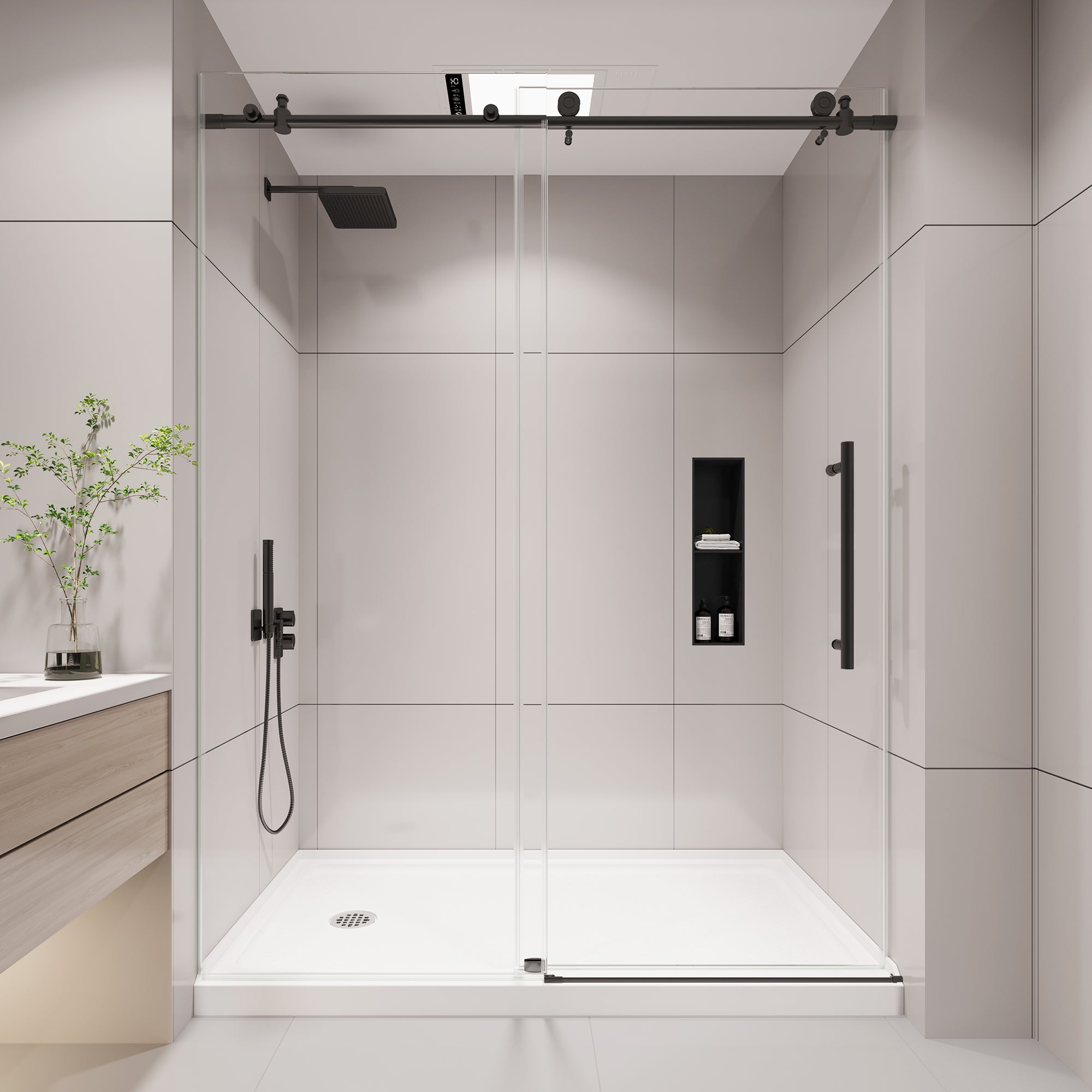
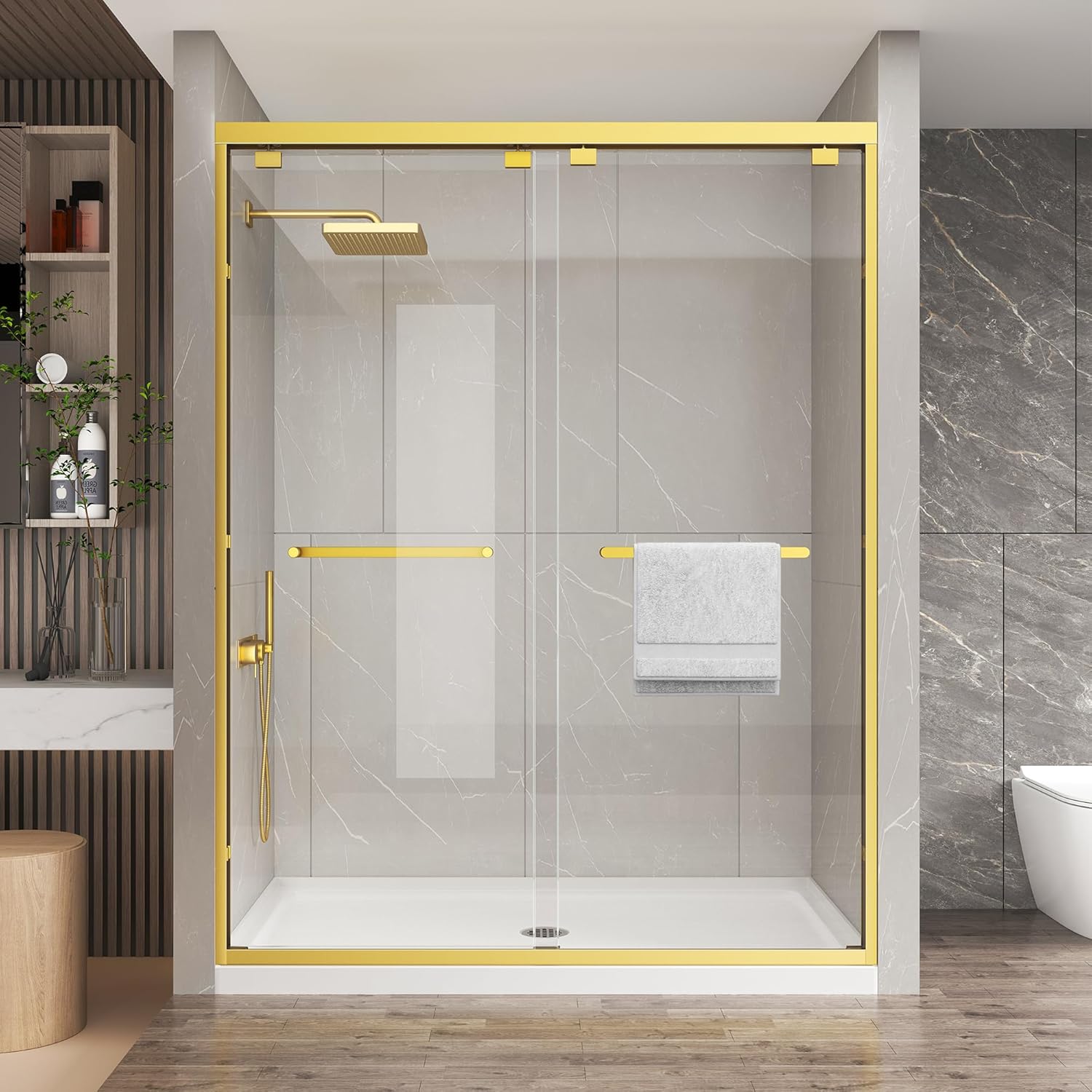
Apartment bathrooms present a unique set of constraints: limited floor space, shared walls, patched subfloors, older rough-ins, and strict building rules. As a contractor who's remodeled hundreds of multi-family units over 20+ years, I see the same priorities every time—minimize water damage risk, cut downtime, and deliver a durable, easy-to-clean shower that fits tight budgets and tight timelines. For 2026, the trend is toward low-profile, preformed bases and wet-room panels that reduce labor and long-term maintenance while meeting modern accessibility and water efficiency expectations.
Quick Answer
Short answer: For most apartment bathrooms, a low-profile, factory-molded acrylic or stone-resin shower base with a pre-sloped pan and integrated drain offers the best balance of speed, leak prevention, and lifespan. It avoids the labor and risk of a field-built mortar pan while providing the slim curb and ADA-friendly options many landlords want.
Types of Shower Bases
Understanding the trade-offs starts with the main categories you'll see on a job site.
- Preformed acrylic/fiberglass pans – molded, single-piece units. Fast to install, lightweight, limited tile look.
- Stone resin / solid surface bases – denser, more durable, often with better finish options and thinner profiles.
- Mortar (field) pans – traditional mud beds with liner and tile. Customizable but time-consuming and high risk in apartments due to water management challenges.
- Tile-ready pre-sloped pans – factory-manufactured pans that accept tile or large-format panels; offer faster install than pure mortar but more finishing work.
- Wet-room / curbless systems – full-floor waterproofing leading to a linear drain; modern and accessible but usually more complex and costly.
Each type has a place. In apartment remodels where time, durability, and tenant turnover matter most, the factory-formed pans and stone-resin options win more often.
Best Options for Apartments
I'll break this down by common apartment scenarios so you can pick quickly:
| Scenario | Recommended Base | Why |
|---|---|---|
| Studio / small footprint | Low-profile acrylic pan | Low cost, fast install, small curb, minimal floor modification |
| Mid-range unit (tenant-turnover) | Stone-resin base | Durable finish, stain resistant, feels more premium |
| Accessible unit / ADA required | Curbless linear drain system | Meets accessibility, modern look, easier cleaning |
| High-end renovated unit | Tile over a pre-sloped factory pan | Tile aesthetic with controlled waterproofing and less field labor than mud bed |
For landlords and property managers, speed and reliability beat custom looks in most multi-family projects. A well-chosen prefabricated base reduces callbacks and water damage claims.
When I recommend products on-site, I usually point clients to reputable collections of preformed bases. For example, a solid selection of modern, thin-profile options is available at Shower Bases, which help speed product selection and standardize installs across units.

Site Realities and Installation Tips
No two apartment units are identical. Here are recurring field conditions I see and how they influence the base choice:
- Out-of-plumb walls: Older buildings often have walls bowed or not square to the floor. Prefab pans can mask small variations because they come with factory-fit flanges and can be shimmed. Tile out of plumb will show grout lines, so avoid tile pans unless walls are corrected first.
- Rough-in dimensions: Apartment plumbing is fixed—center-to-center drain locations and stub heights vary. Choose a base that matches the existing rough-in to avoid expensive rework; many stone-resin pans accept a variety of drain positions.
- Curb slope and height: If you need a low-threshold or ADA-compliant entry, verify curb height and slope. Prefab options now include 1/4" per foot slope to drain and curbs as low as 1-1/4".
- Installation tolerances: Factory bases have tighter tolerances than field mud beds. Use a laser level and a 1/8" feeler gauge to set shim points so the base bears evenly across the subfloor.
Typical installation steps (apartment-friendly)
- Verify drain rough-in and subfloor strength; sister joists if needed.
- Dry-fit the base and mark shim locations; check for out-of-plumb walls.
- Apply manufacturer-approved thinset or adhesive; set pan and torque drain flange evenly.
- Seal perimeter with specified flexible sealant; attach wall panels or tile backer as required.
- Test the drain with a water fill; inspect for movement and water infiltration.
Real jobsite note: On a recent gut-renovation of a 1920s walk-up, I encountered a 7/8" variance from one corner to the other on the subfloor. A mortar pan would have required extensive leveling and framing changes. We went with a stone-resin base that accepted shims and kept the install within one workday—no drying time for a mortar bed and fewer inspections.

Materials, Codes & Standards
When specifying a base, you need to consider both product performance and code compliance.
- Waterproofing: Use products with manufacturer-backed warranties and published installation instructions. In multi-family buildings, improper waterproofing is the leading cause of leaks.
- Fire and building codes: Check local fire-separation and ventilation requirements. The International Code Council maintains model codes; consult your local jurisdiction for amendments (ICC).
- Industry guidance: The National Kitchen & Bath Association publishes best practices for wet areas and accessible design—helpful for multi-unit projects (NKBA).
- Glass and enclosure considerations: If adding glass doors later, plan for tempered-glass thickness and clearances. Typical shower doors use 3/8" tempered glass for tub doors and 1/4" to 3/8" for frameless panels; verify ANSI Z97.1 and local glazing codes.
Tip: Keep one copy of the manufacturer's installation guide on site. If the product requires a mortar backer under the flange or specific drain flange torque, follow it—inspectors look for that documentation.
Maintenance, Durability & Longevity
For apartment owners, the lifecycle cost is as important as the upfront price. Consider these performance factors:
- Scratch and stain resistance: Stone-resin stands up better to tenant wear and aggressive cleaners than thin acrylic.
- Seamless designs: One-piece pans reduce grout lines and seams—fewer mold and mildew problems.
- Repairability: Acrylic can be buffed for light scratches; major cracks require replacement. Stone-resin may chip but is structurally robust.
- Replacement cost and downtime: Prefab installs can be completed in a day; mortar pans require drying and tile work, increasing vacancy days.
From a landlord's perspective, a slightly higher initial investment in a stone-resin or high-quality acrylic base often reduces maintenance calls and tenant complaints over a 5–10 year window.
FAQ
What shower base is best for tight apartment floor plans?
Answer: A low-profile acrylic or stone-resin prefabricated base sized to your footprint. These bases reduce installation time, fit into existing rough-ins, and provide a sealed pan that minimizes leak risk—ideal where you can't rework framing or plumbing.
Can I tile over a prefabricated pre-sloped pan?
Yes, if the pan is designed as tile-ready and the manufacturer permits it. Use the specified tile backer and thinset; do not assume every pan supports tile. Follow the manufacturer's tolerances for tile thickness and slope to drain.
How do I handle an out-of-plumb wall with a prefab base?
Shim the base to bear evenly, then use a foam backerboard or flexible trim to bridge the gap at the wall. Heavy corrections like sistering studs or furring are needed only if wall variance will show in the finished wall plane or affect door operation.
Final Note
For most apartment bathrooms in 2026, choose a factory-made, low-profile base—either acrylic for budget jobs or stone-resin for durability and a better finish. These solutions reduce install hours, minimize moisture risk, and align with modern accessibility trends. When planning a remodel, match the base to the existing rough-in, verify building code requirements, and keep the manufacturer's installation guide on site. For a curated selection of low-profile and tile-ready options that work well in multi-family remodels, see the available Shower Bases.

Laisser un commentaire
Tous les commentaires sont modérés avant d'être publiés.
Ce site est protégé par hCaptcha, et la Politique de confidentialité et les Conditions de service de hCaptcha s’appliquent.