
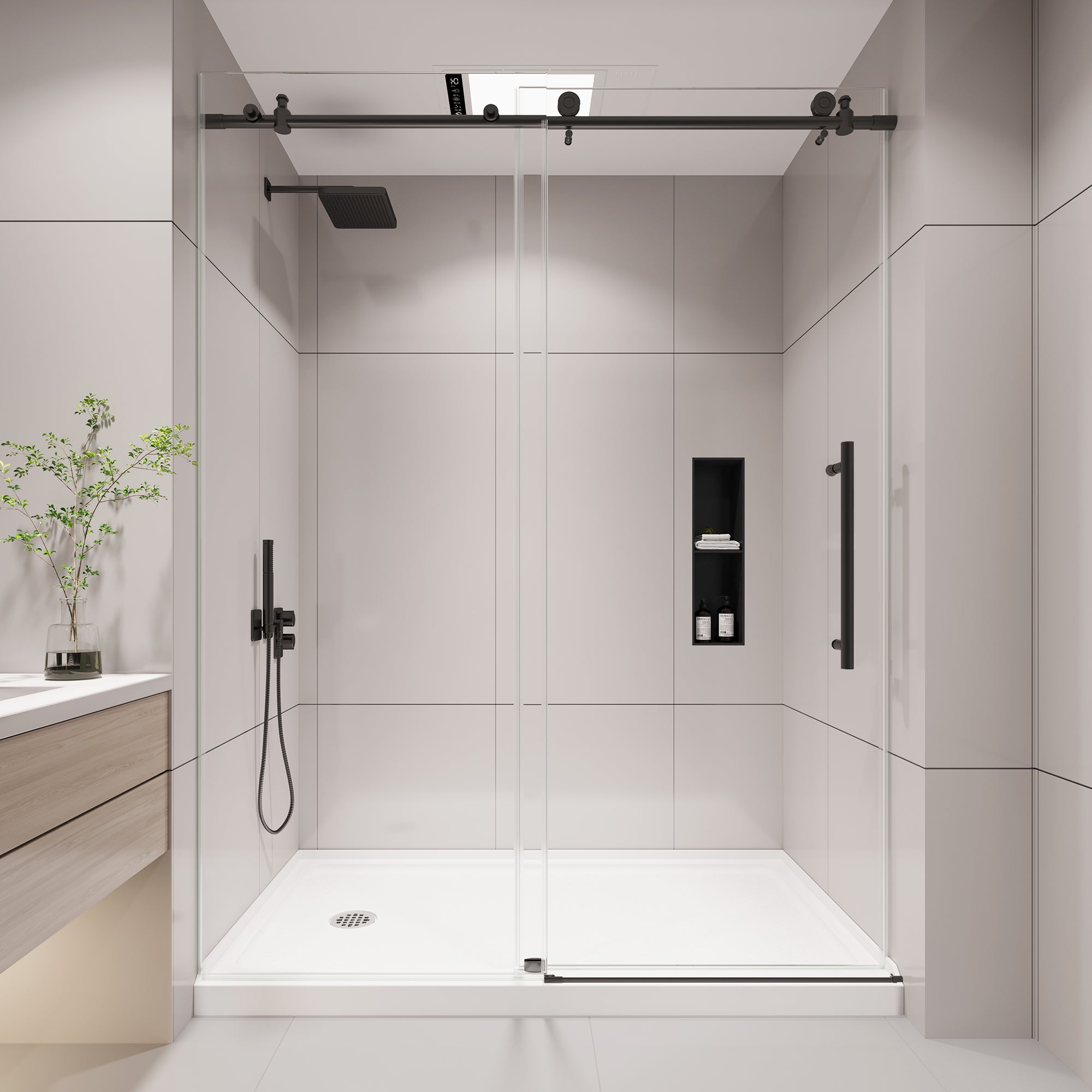
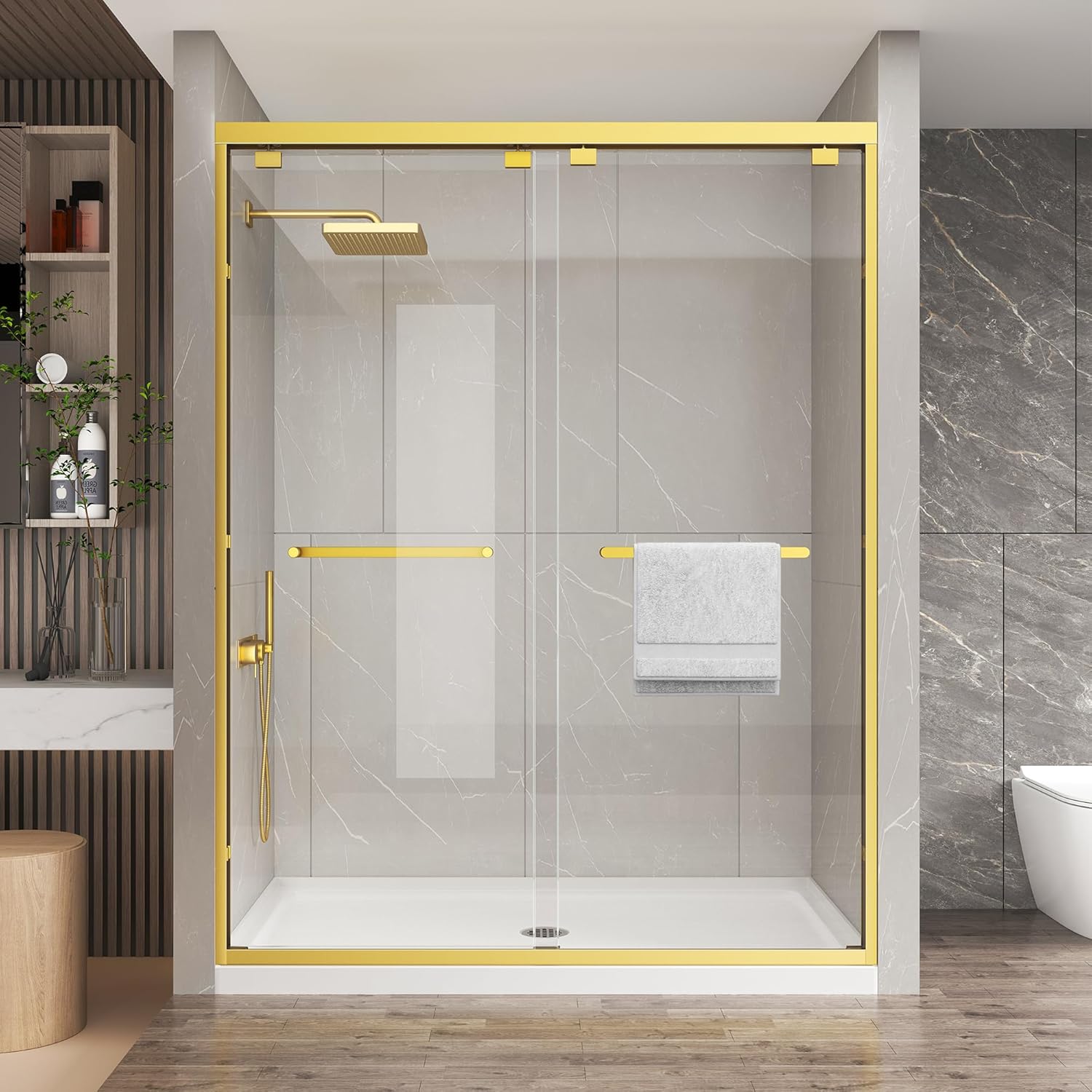
Matching a wall-mounted sink with exposed plumbing is more than picking a faucet and a color—it's about scale, rough-in alignment, and making mechanical parts look intentional. With 20+ years remodeling bathrooms across older American homes and new builds, I guide homeowners to results that look custom while staying code-compliant and serviceable. In 2026 the trend is honest hardware: visible chrome or brushed brass as design elements, paired with minimalist sinks and thoughtful lighting. But the project still lives or dies on the rough-in and how you address out-of-plumb walls, pipe routing, and finish continuity.
Quick answer
Short answer: Match finishes, scale, and mounting geometry. Choose a pipe finish that complements your faucet and mirror, size the trap and risers to the sink’s footprint, and allow installation tolerances for out-of-plumb walls and rough-in variance. The practical sequence is: verify drain and supply rough-ins, pick finish and pipe style, install standoff brackets and escutcheons, then fine-tune height and slope. That sequence keeps the aesthetic tight and the plumbing serviceable.
Understanding exposed plumbing
Exposed plumbing turns functional parts into design features. That means you need to think like a plumber and a designer at the same time. Key mechanical considerations include:
- Rough-in locations: drains and supplies must line up with the sink's outlet and mounting points.
- Trap arm slope: maintain 1/4" per foot minimum slope for horizontal waste lines under most codes (verify local IPC/UPC interpretation).
- Service access: stop valves and trap should be reachable for maintenance without removing the sink.
Local code and design best practices both matter—reference the National Kitchen & Bath Association for layout guidance and the International Code Council for plumbing code basics.
NKBA | ICC (International Code Council)
Materials and finishes
Choosing materials determines the room’s tone. Common options for exposed plumbing:
| Finish / Material | Look | Pros / Cons |
|---|---|---|
| Polished Chrome | Bright, reflective, modern | Durable, easy to match; shows water spots |
| Brushed Nickel / Satin Brass | Warm, subdued | For softer palettes; brass patinas over time |
| Matte Black | Bold, graphic | High contrast; can show fingerprints |
| Polished Brass / Gold | Luxury, vintage revival | Requires consistent pairing; match other hardware |
Also consider pipe types: chrome-plated brass for aesthetics and longevity, or stainless steel for a brushed industrial look. Avoid cheap chrome-plated steel in exposed installations; it can pit and flake after a few years.
Practical installation tips from the field
Here’s where the job gets real. I’ve installed wall-hung sinks in 1920s brownstones, split-level ranchers, and new construction condos. The things you won’t see in showroom photos—out-of-plumb stud walls, uneven plaster, and hidden framing—are what determine how the exposed plumbing will sit. Below are details I use on every job.
Measure before you buy
- Confirm center-to-center distance of supply inlets and drain height off the finished floor. Typical drain rough-in for wall-hung lavs is between 16"–20" AFF, but verify the sink spec.
- Check the wall thickness and blocking; exposed trap assemblies need sturdy support.
- Mock up with cardboard templates—don’t rely on paper specs alone.
Real job note: on a 1930s remodel I found an out-of-plumb condition of nearly 3/4" over a 6' span behind the sink. I shimmed the mounting bracket, installed a sleeve for the trap arm to correct the angle, and used an adjustable escutcheon to hide the offset. The homeowner got the clean exposed look without multiple drywall repairs.
Mounting and alignment
- Use heavy-duty wall brackets anchored to blocking—not just molly bolts—when supporting wall-mounted sinks and exposed piping.
- Allow ±1/4" tolerance for centerline alignment between drain and trap; adjustable traps and offset fittings buy you tuning room.
- When the wall is out of plumb, use shims and adjustable mounting bolts; then cover with a decorative flange sized to hide the correction.
Trap and slope considerations
The trap needs correct alignment and pitch: trap arm should slope at least 1/4" per foot to the waste stack. Keep the trap seal depth per manufacturer and code. If the rough-in is high or low relative to the sink outlet, plan a waste riser or a wall-mounted bottle trap that visually suits the design.
For supply lines, use service stops spaced to match the faucet. For exposed piping, install shut-offs with the stems accessible and oriented consistently. That makes future repairs fast and prevents tile or drywall demolition.
For tempered glass mirrors adjacent to exposed plumbing, follow ANSI Z97.1 guidance on safety glazing and size mirrors with 1/8"–3/16" clearance around visible hardware; typical tempered mirror thickness ranges from 1/4" to 3/8" depending on the size and mounting method.

Design pairings: sink styles and exposed plumbing
Match the sink scale and silhouette to the plumbing lines. Here are go-to pairings that work in the real world:
- Narrow pedestal or small wall trough: use compact bottle traps or thin-diameter pipes in matte black or chrome.
- Large rectangular basin: full-size chrome P-trap with straight riser and wide escutcheons to carry weight visually.
- Floating trough for two users: use symmetrically placed exposed supply risers and center drain with an exposed clean-out for serviceability.
Finish continuity is critical: faucets, exposed trap, towel bars, and light fixtures should belong to the same finish family. Small breaks—like a chrome faucet with brass trap—read as an oversight, not an intentional contrast.
Consider pairing your exposed plumbing with functional accessories: an under-sink mirror edge or a small open shelf. If you need additional storage, choose a complementary cabinet. See Bathroom Cabinets for compact options that work with wall-hung sinks.

Maintenance and accessibility
Exposed plumbing makes maintenance easier, but planning still matters:
- Keep a minimum of 1"–2" clearance between trap assemblies and finished wall surfaces for visual breathing room and to allow a wrench on the trap nut.
- Install accessible shut-offs at the supply risers—no behind-cabinet-only stops if you can avoid it.
- Use escutcheons with set screws or compression fittings that can be removed without damaging the wall finish.
Long-term thinking: choose finishes that age gracefully. Brushed or satin finishes hide fingerprints and water spots better than polished chrome in high-use households.
FAQ
How do I make exposed plumbing look intentional, not like a retrofit?
Design around the lines. Keep pipe runs straight and use matching escutcheons and shut-offs. Align the centerline of the trap and supply risers with the sink axis. Use consistent finishes and repeat that finish on nearby hardware—mirror frame, towel bar, and light fixtures—to create a purposeful look.
Can I adjust a sink rough-in if the drain is off-center?
Often yes. Small offsets (up to about 1–2") are handled with adjustable traps or short offset adapters. Larger offsets require a waste riser or chase that reroutes the drain. Always allow for trap slope and check local code for maximum offset limits; consult a licensed plumber for significant rerouting.
What are typical rough-in heights for wall-mounted sinks?
Typical ranges you’ll encounter: drain centerline commonly between 16"–20" above the finished floor; supply stops often sit 6–12" above the drain centerline and spaced per faucet spec. Measure the specific sink and set your rough-ins to the manufacturer’s template when possible.
Final notes
Matching a wall-mounted sink with exposed plumbing is a mix of practical plumbing and intentional design. Start with accurate measurements, respect code-required slopes and service clearances, and choose materials that age well. If you’re working around an out-of-plumb wall or a non-standard rough-in, plan for adjustable fittings and decorative escutcheons to keep the look crisp.
For compact bathrooms where storage is needed alongside a wall-hung sink, consider pairing the installation with a slim, wall-mounted storage cabinet to keep the aesthetic light while adding function. Check product options like Bathroom Cabinets for space-saving choices.
Strong finishing details—matched finishes, consistent geometry, and correct offsets—separate a professional result from a DIY-looking job. If you want a site evaluation or help interpreting a sink template against an existing rough-in, call a licensed bathroom remodeling contractor who will verify blocking, alignment, and local code requirements.

Laisser un commentaire
Tous les commentaires sont modérés avant d'être publiés.
Ce site est protégé par hCaptcha, et la Politique de confidentialité et les Conditions de service de hCaptcha s’appliquent.