
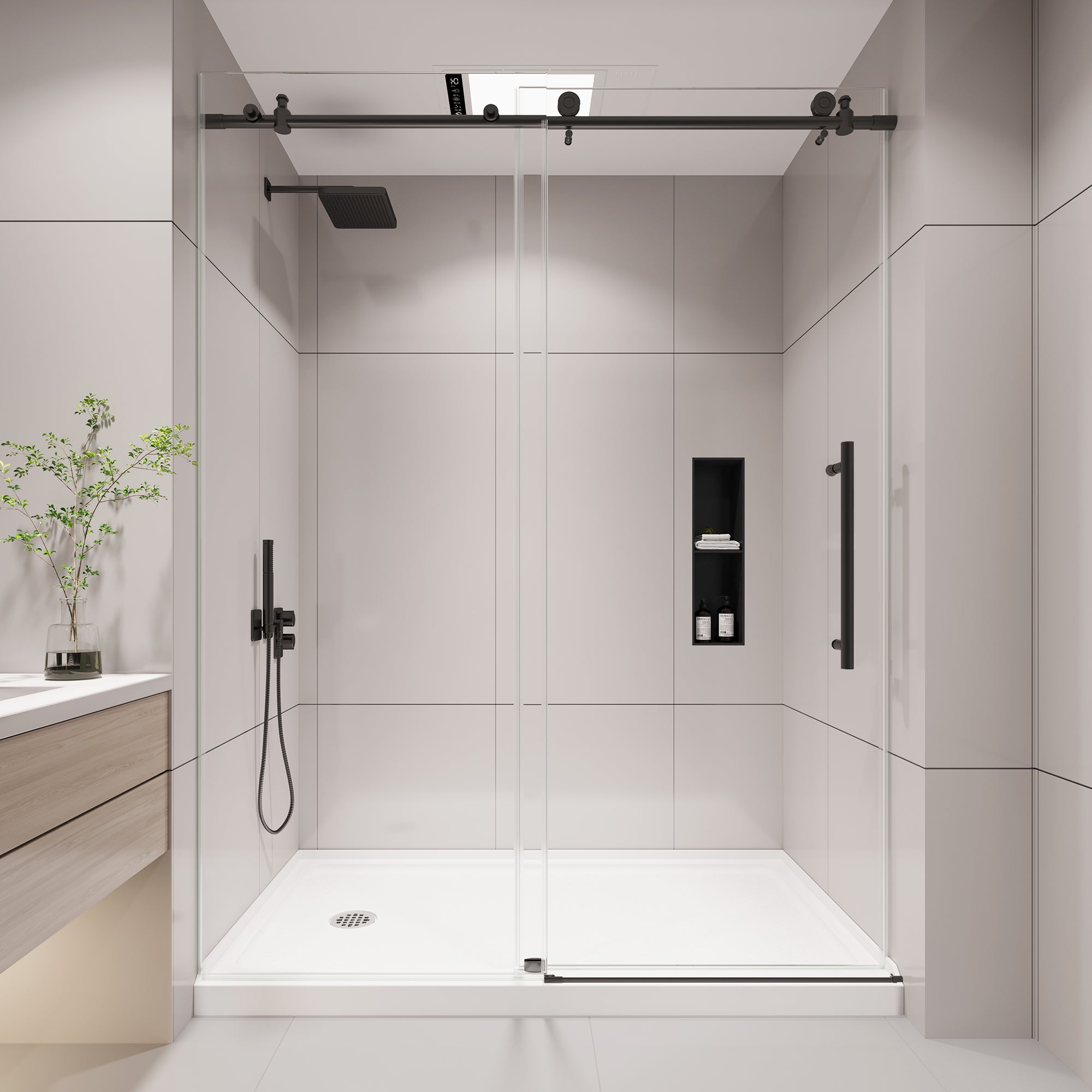
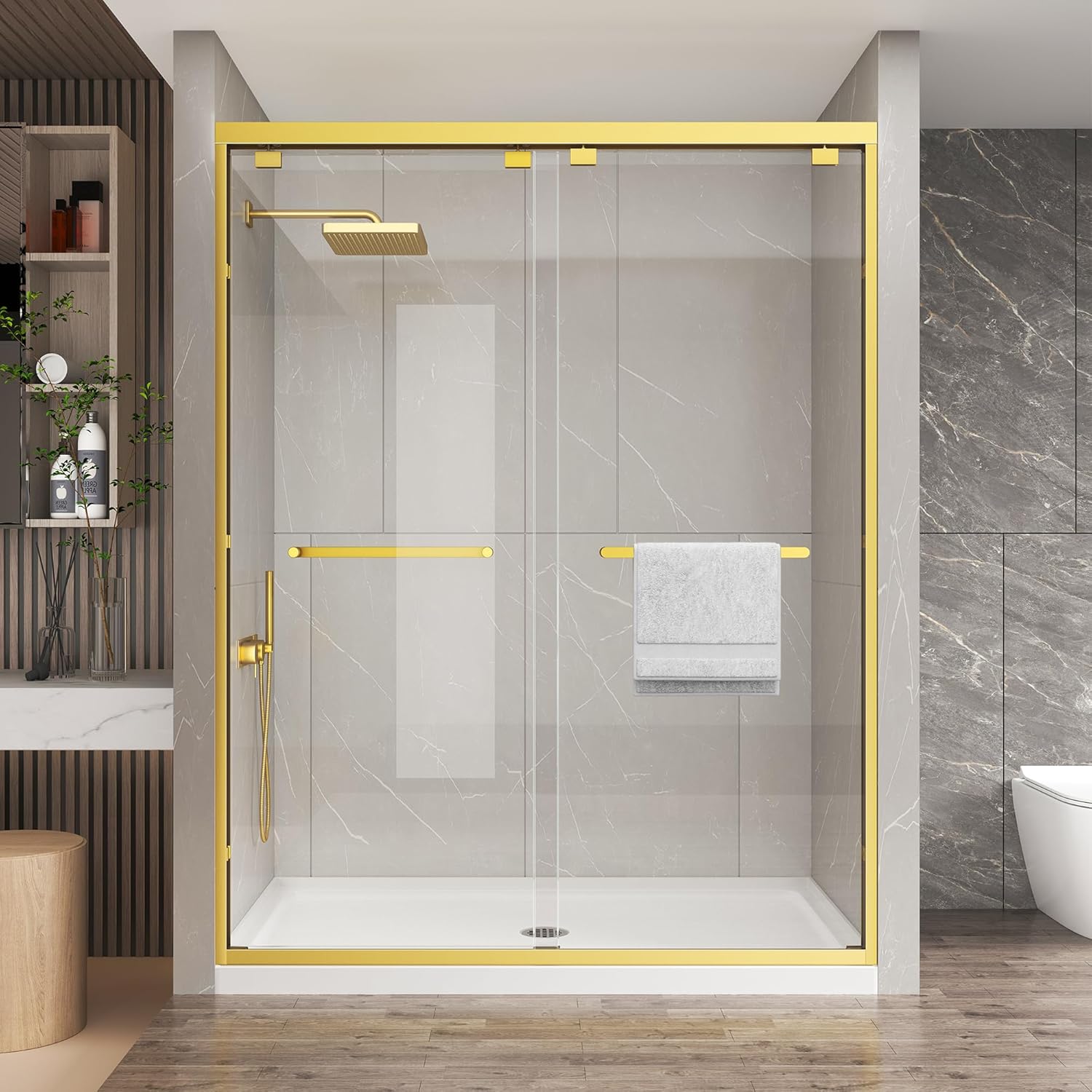
Choosing a left-drain or right-drain shower base sounds like a small detail until you’re staring at a finished tile floor that won’t pitch properly, or you’re wrestling with a retrofit where the existing drain is hundreds of feet away from the ideal spot. For 2026 remodels, homeowners want clean lines, efficient drainage, and minimal rework — but the wrong drain side can add hours, cost, or compromise performance. I’ve been on job sites for 20+ years: I’m sharing practical, construction-tested advice so you make the right call before demolition starts.
Why Drain Side Matters
On paper, a drain left or right is just a location. On the jobsite it impacts:
- Rough-in plumbing — how far the drain stub is from walls and access points.
- Curb layout and door swing — drains affect curb height, slope, and whether a frameless glass door can open without water pooling.
- Tile layout — grout lines and slope transitions change when the drain is at one side versus the other.
Manufacturers offer left-drain and right-drain shower bases to match site plumbing and minimize cutting or re-routing of the waste line. Picking the wrong side can force you into extra cast-iron or PVC runs and longer downtime.

Quick Answer (Featured Snippet)
Short answer: Choose a left-drain base when the waste stub and plumbing stack are on the left side wall; choose right-drain when they are on the right. If you’re retrofitting and can’t move the plumbing, match the base to the existing stub to avoid re-routing. If new construction allows flexibility, place the drain toward the plumbing chase while keeping door swing and slope in mind.
How to Choose Left vs Right Drain
Follow these practical steps on site:
- Locate the waste stub: Before demo, confirm the waste stub location and measure the centerline from both walls. Typical shower drains are 2" to 3" above finish subfloor in a standard plumbing rough-in.
- Check door swing and curb placement: If a sliding door or bifold is used, a center or corner drain might suit better; for swing doors, a drain on the hinge side can help reduce water tracking.
- Verify slope needs: Shower bases require a consistent slope (1/4" per foot is the common rule). A side drain changes how you plan fall across the pan.
- Consider access / cleanout: Make sure the chosen side allows access to cleanouts and ties into the trap without long horizontal runs that could trap debris.
When in doubt, dry-fit the base and mock the glass door. That simple test catches most layout conflicts before tile or grout gets installed.
Installation Considerations & Tolerances
Here are the on-the-job variables I check every time:
- Out-of-plumb walls: Old homes often have walls that lean. If your curb must be adjusted to a non-plumb wall, pick the drain side that keeps the finished threshold level and maintains proper slope to the drain.
- Rough-in dimensions: Verify the horizontal distance from the back wall to the center of the stub. Most shower bases tolerate ±1/4" to ±1/2", but always check the manufacturer’s spec sheet.
- Curb slope and height: A higher curb for water containment might push the door to swing differently; a left-drain curb might need different pack-out than a right-drain curb.
- Tempered glass thickness and panel placement: For frameless installations, drain location impacts panel location and jambs. Typical tempered glass is 3/8" or 1/2" thick — you’ll want the drain and glass panel joint coordinated so water heads toward the drain and not under the panel pivot.
- Installation tolerances: Account for tile thickness (stone tile can add 3/8" to 1/2"), mortar bed thickness, and shower base lip. That stack-up can move the effective floor plane and change required slope to the drain.

Retrofit: Real-World Jobsite Examples
Here are two typical situations I see on remodels:
- Old bungalow with offset stack: Waste stack was in a masonry chase along the right wall. The client wanted a door on the left side. We chose a right-drain base and flipped the entry to a sliding door to avoid relocating the stack. That saved two days of plumbing work and prevented cutting into a load-bearing chase.
- 1970s condo with single-stack system: The existing drain was centered, but the owner wanted a larger curb-less entry to chase the modern look. We used a right-drain base with a custom tiled ramp, re-routed a short section of copper, and maintained a 1/4" per foot slope to the drain. The key was leaving a 1/4" tolerance at the glass edge to allow for out-of-plumb walls.
On-site tip: always measure after demo and before ordering finishes. I’ve ordered a left-drain base for a shower only to find the rough-in had already been moved by previous trades. That happens more than owners expect. Mark the drain center on the subfloor and double-check with the plumber.
Comparison Table: Left vs Right Drain
| Factor | Left Drain | Right Drain |
|---|---|---|
| Best for existing left-side plumbing | Yes | No |
| Door swing compatibility | May favor left-hand door swings | May favor right-hand door swings |
| Tile layout simplicity | Depends on tile layout and threshold | Depends on tile layout and threshold |
| Ease of retrofit | Less cutting if plumbing left | Less cutting if plumbing right |
FAQs
Can I switch drain sides during a remodel?
Short: Yes, but it usually requires rerouting the waste line and may need a plumbing cleanout reposition. Expect additional labor and possible concrete or subfloor repair.
How much tolerance do shower bases allow for drain offset?
Most factory shower pans accommodate about 1/4" to 1/2" of offset from the centerline, but always check the specific product’s rough-in tolerance. If you're working with custom tile or a mortar bed, plan for more flexibility by marking exact field dimensions and allowing the plumber to rough-in to those marks.
Does drain side affect shower door types?
Yes. Frameless glass doors need clearances for hinges and sweeps. A drain placed too close to a hinge or pivot can lead to water collecting at the door edge. Coordinate with your glass supplier on tempered glass thickness and hinge placement. For shower doors and glass hardware reference the NKBA guidelines and product specs from your glass manufacturer for safe clearances — they help avoid common mistakes on hinge placement and glass bite. See the NKBA resources for layout best practices: NKBA.
For plumbing specifics and code-level guidance on drain elevations and fixture connections, consult the International Plumbing Code or your local authority having jurisdiction: ICC.
Final Thoughts
Pick the drain side to match the plumbing chase and the door/threshold plan. Measure after demo. Dry-fit the base before tile. Account for tile thickness, curb slope, and out-of-plumb walls. Those simple steps avoid the common pitfalls I see in remodeling projects.
If you’re shopping shower pans and need options that match a left or right drain rough-in, check the available styles and sizes at Shower Bases. Matching the base to the rough-in saves time and keeps your project on budget.

Laisser un commentaire
Tous les commentaires sont modérés avant d'être publiés.
Ce site est protégé par hCaptcha, et la Politique de confidentialité et les Conditions de service de hCaptcha s’appliquent.