
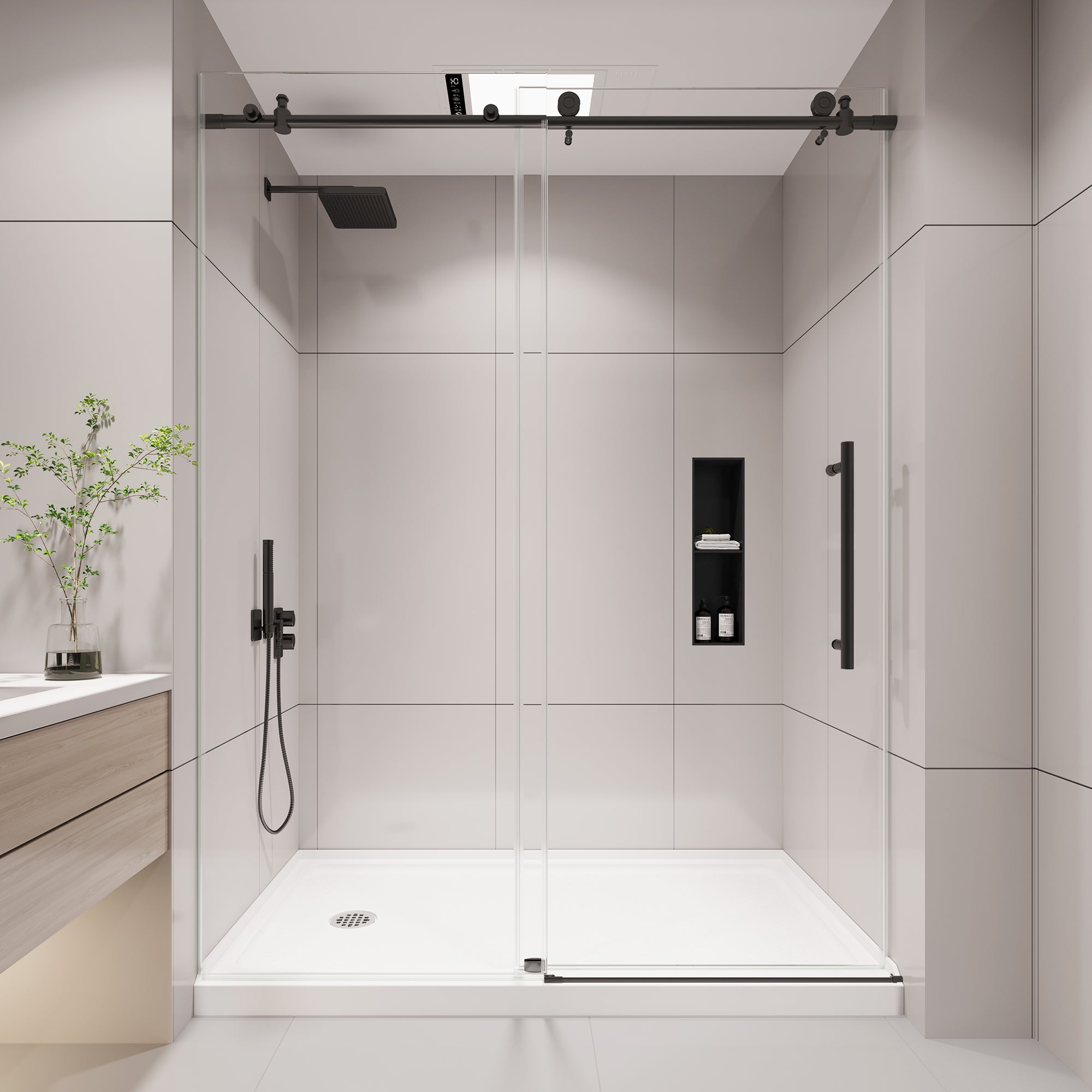
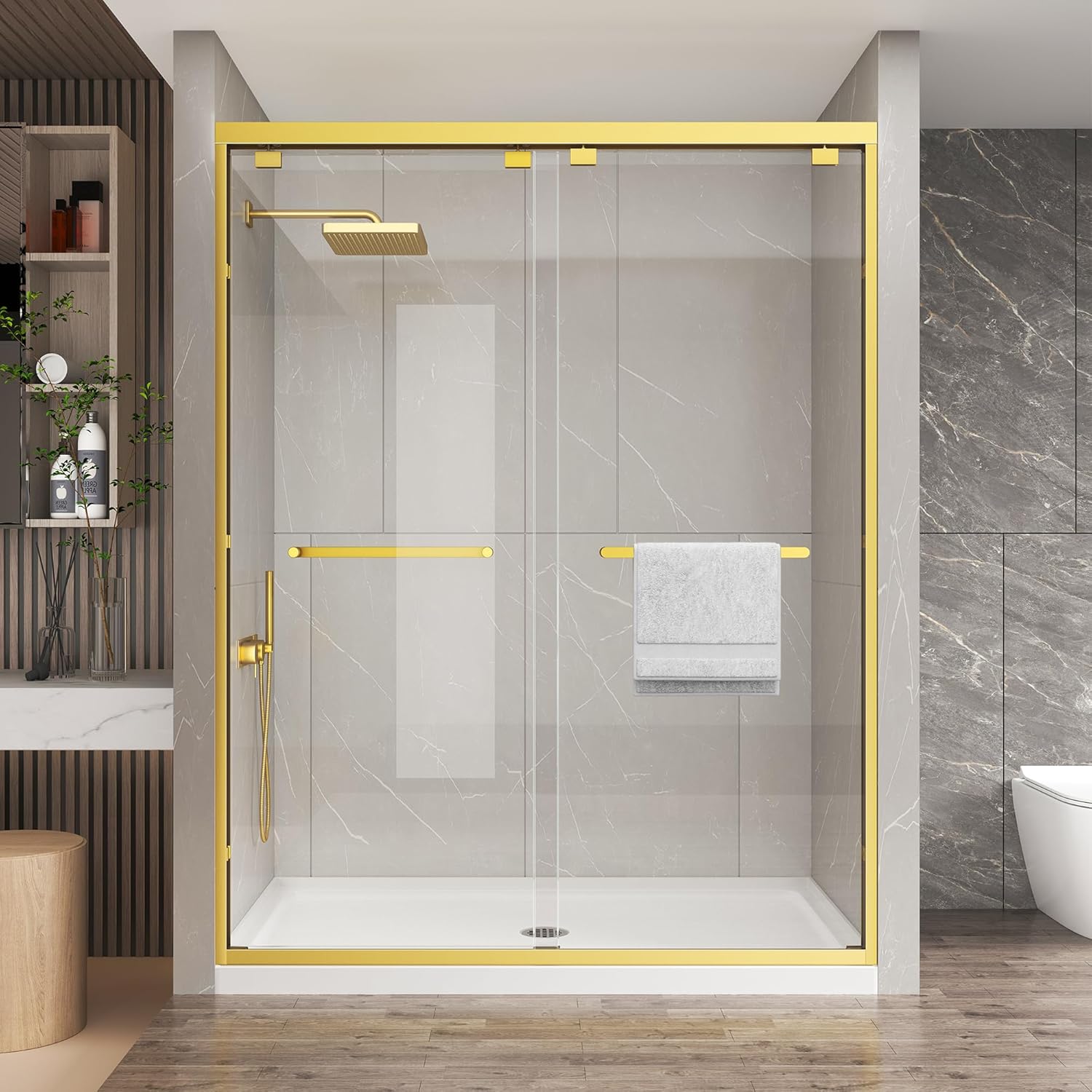
Choosing shower door hardware that’s easy to maintain saves homeowners time and avoids expensive service calls. As a contractor with over 20 years on job sites, I’ve seen which hardware holds up in real bathrooms — not just showroom conditions. This article cuts through marketing speak and gives you a straightforward answer plus the field-tested details you need: what hardware types are lowest-maintenance, why, and what to watch for during installation and everyday use.
Quick Answer: Best Low-Maintenance Shower Door Hardware
Direct answer for featured snippet: For most American homes the simplest shower door hardware to maintain is a high-quality static frameless or semi-frameless glass door with stainless steel or solid brass hinges and a minimal threshold sweep. These systems have fewer moving parts, easier-to-clean lines, and resist corrosion better than complex sliding-track systems.
Why that matters: less hardware = fewer adjustments and fewer trap points for soap scum and hard-water buildup.

How Hardware Affects Long-Term Maintenance
Hardware dictates what you’ll clean, what will wear out, and how often you’ll need service. Here are the mechanics:
- Moving parts — rollers, ball bearings, and multi-point hinges increase wear points.
- Wet vs dry contact — metal parts constantly in wet environments need better corrosion resistance.
- Seals and sweeps — thin vinyl sweeps lose shape; bulky thresholds trap gunk.
- Finish — flaky finishes accelerate corrosion and trap bacteria in crevices.
On remodels I often see sliding doors with clogged top tracks, corroded rollers, and warped bottom tracks — all the result of a system with many small parts assembled in the field. Frameless pivot doors, by contrast, have a couple of heavy-duty hinges and a single bottom sweep to maintain.
Best Hardware Types for Low Maintenance
Below I compare common systems and why one is usually simpler to maintain than the others.
| Hardware Type | Maintenance Pros | Maintenance Cons |
|---|---|---|
| Frameless Pivot/Hinge | Few moving parts; easier access for cleaning; modern hardware in stainless or brass resists corrosion | Hinges must be installed to tolerances; heavy glass requires correct tempered thickness (3/8"–1/2") |
| Semi-Frameless | Offers some edge protection and still low hardware count | Extra channels add small crevices; proper sealing required |
| Framed Sliding | Lower initial cost; keeps glass edges protected | Tracks and rollers need frequent cleaning and replacement; trapping of debris |
| Bypass Sliding (Top-Hung) | Top track keeps bottom clear; modern stainless rails reduce corrosion | Top track collects soap scum; rollers wear |
Shortlist for minimal maintenance:
- Frameless pivot/hinge doors with solid-rod stainless hinges.
- Semi-frameless pivot doors when edge protection is needed.
- Top-hung bypass systems with sealed stainless rollers only if you need sliding space savings.
Note: glass must meet safety standards (tempered glass to ANSI Z97.1). For heavy frameless doors I commonly specify 3/8" (10 mm) or 1/2" (12 mm) tempered glass depending on door height and hardware capacity. That thickness affects how the hinges clamp and the allowable installation tolerances.
Materials & Finishes to Choose
Material selection is where long-term performance is decided. Avoid plated, low-grade metals in coastal or high-humidity areas.
- Stainless steel (304 or 316) — best for corrosion resistance. Use 316 in coastal homes.
- Solid brass — durable and serviceable; finishes like PVD are durable.
- Aluminum — lighter, ok for framed doors, but can oxidize if cheap finish.
Finishes I recommend: brushed stainless, satin nickel, or PVD-coated brass. Skip cheap chrome plating unless you plan for replacement in a few years. Strong finishes minimize pitting and make cleaning quicker — a sponge and mild cleaner usually does the job.
Authority note: for industry guidance and design best practices see the National Kitchen & Bath Association resources at NKBA, and for code guidance consult the International Code Council at ICC.
Installation Tips That Reduce Future Repairs
Good maintenance starts with proper installation. Below are field-tested tips I use on every bathroom job:
- Check for out-of-plumb walls before ordering glass. I routinely allow a 1/4"–3/8" clearance per side for variations; older homes often have greater deviations.
- Verify rough-in dimensions and curb slope. A curb slope that tilts inward will puddle water and lead to faster seal failure.
- Specify tempered glass thickness relative to door height: 60–72" doors often use 3/8" glass; taller doors need 1/2".
- Set hinge fasteners into blocking or framed substrate. Anchoring only to tile or a thin backer causes stress and fastener back-out.
- Respect installation tolerances printed by manufacturers. Many servicing calls come from installers ignoring the ±1/8" tolerances on glass placement.
Real jobsite note: I once remodeled a 1920s bath where the tile wall bowed 5/8" over 6 feet. We shimmed and installed asymmetric hinges and ordered a custom-cut door with compensating glass edge polish. The homeowner avoided constant leaks because we addressed out-of-plumb walls before the glass went in.

A Simple Maintenance Routine (Step-by-Step)
Follow this short routine monthly and you’ll prevent most common failures. It’s written for busy homeowners.
- Rinse glass and hardware with warm water after showers to remove soap residue.
- Weekly: wipe hinges, rails, and sweeps with a microfiber cloth and mild pH-neutral cleaner.
- Monthly: inspect seals, door sweep, and fasteners. Tighten any loose screws (but don’t over-torque).
- Every 6–12 months: lubricate hinges with a dry silicone spray; avoid oil-based lubricants that attract grime.
- Every 2–3 years: replace vinyl sweeps and thin seals as preventive maintenance.
Do not use abrasive pads on coated finishes. For hard-water spots, use vinegar diluted 1:1 with water and rinse thoroughly. If you have natural stone, avoid acid cleaners — get a stone-safe cleaner recommended by the stone manufacturer.
FAQ
Which shower door system is easiest for seniors or limited-mobility homeowners?
Best choice: a single pivot frameless door with a low-profile threshold and grab-handle. It minimizes steps, has fewer pinch points, and is simpler to maintain. Choose lever-style handles and ensure hinge swing clears grab bars. For sliding doors, verify rollers are high-quality stainless and top-hung to avoid bottom-track cleaning hassles.
Can I convert a sliding door to a pivot door to reduce maintenance?
Sometimes. Conversion depends on opening width, glass thickness, and structural blocking for hinges. Converting often requires re-tempering or replacing glass to meet hinge clamp requirements and ANSI Z97.1 safety. I typically recommend ordering a custom frameless replacement and checking rough-in and curb slope first.
How do I know if my glass is tempered and meets safety standards?
Tempered glass usually has an etched manufacturer stamp in a corner indicating compliance with ANSI Z97.1 or equivalent. If the stamp is missing or unclear, ask the installer or fabricator for a tempered glass certification. Do not install untreated glass in a shower — tempered glass is the code requirement and standard practice.
Conclusion & Where to Look Next
For most homeowners the lowest-maintenance path is a well-installed frameless or semi-frameless door with stainless or brass hardware, tempered glass sized to the opening, and a simple monthly cleaning routine. The key on remodels is to plan for site realities: out-of-plumb walls, curb slope, and the need for blocking at hinge points.
If you’re shopping for doors, compare hinge details, glass thickness options, and finish warranties. For a place to start browsing quality door options, check the collection at KPUY Shower Doors. That will give you a sense of hinge types and finish choices that stand up to real-world use.
Strong choices up front and basic preventive maintenance will keep your shower door functioning well for years. If you have specific measurements or a tricky out-of-plumb condition, get a contractor to field-measure before ordering glass — it avoids costly re-cuts and service calls.
Recommended quick checklist before ordering:
- Measure for out-of-plumb and record clearance per side.
- Decide on pivot vs. sliding based on traffic and threshold needs.
- Specify tempered glass thickness and check manufacturer hinge tolerances.

Final note: If you want help evaluating a specific opening or selecting hardware that matches your local climate and usage patterns, consult a licensed contractor who can measure for tolerances and confirm code compliance.

Laisser un commentaire
Tous les commentaires sont modérés avant d'être publiés.
Ce site est protégé par hCaptcha, et la Politique de confidentialité et les Conditions de service de hCaptcha s’appliquent.