
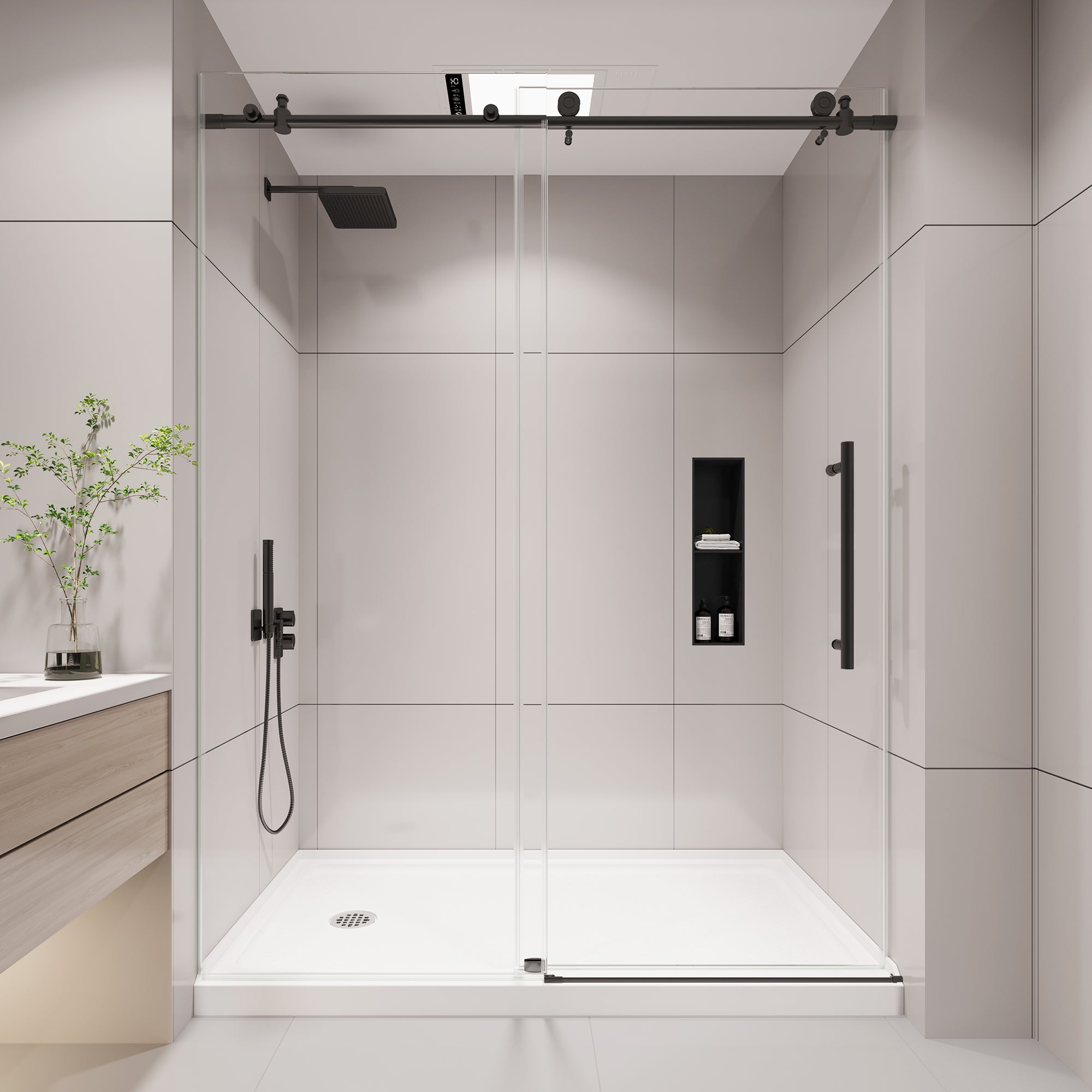
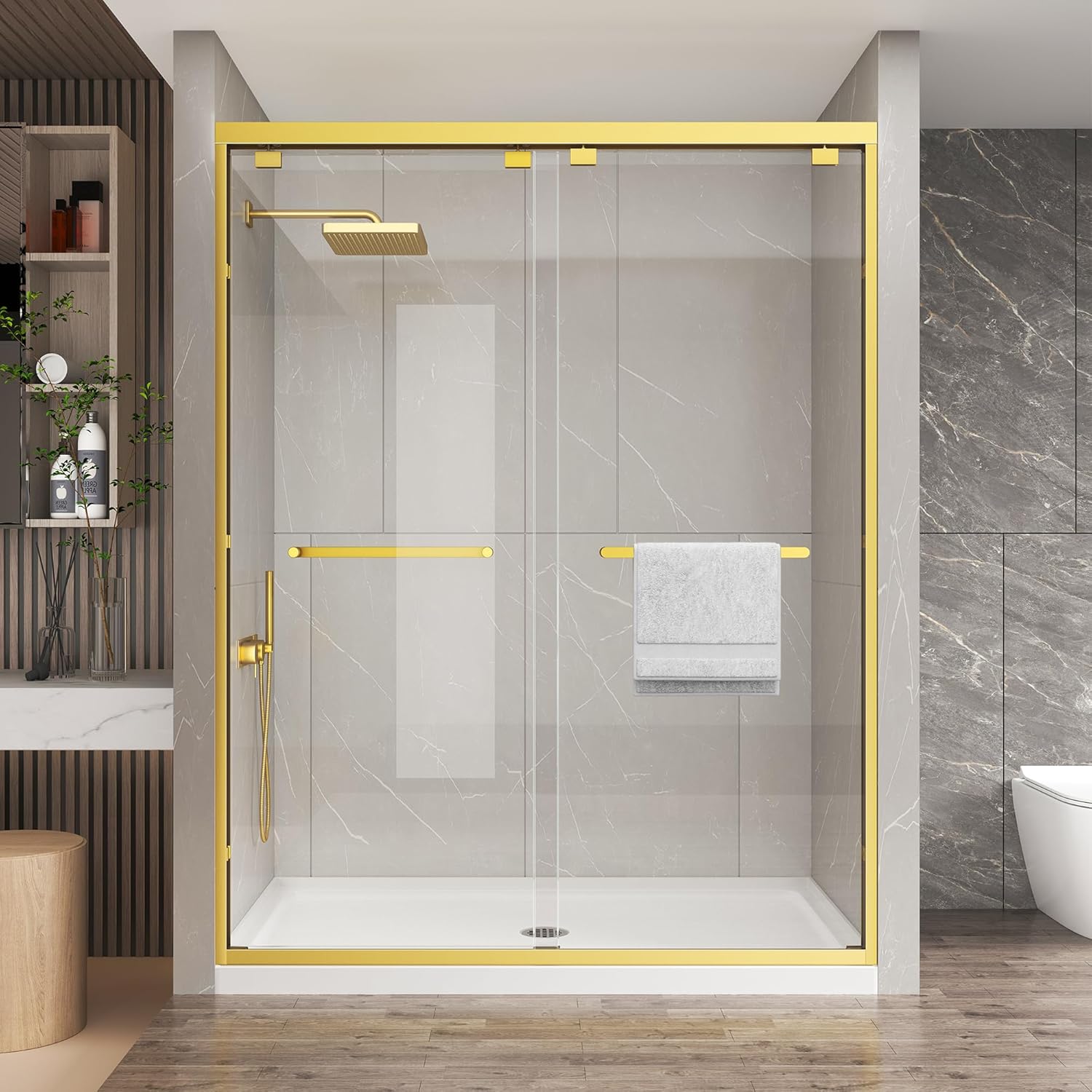
Rentals demand practicality: fast installs, low maintenance, and something tough enough to survive tenants who don’t treat a bathroom like a showroom. In 2026 that means balancing durability and modern looks — think low-profile curbless entries for higher-end units and one-piece, replacement-friendly pans for single-family rentals. Below I’ll walk you through what actually works in the field, the trade-offs, and a quick, direct answer you can act on today.
Quick Answer — Best Choice for Rental Properties
Go with a one-piece acrylic or fiberglass-reinforced acrylic shower base for most rental situations. They’re low-cost, quick to install, easy to replace, and resist stains and mildew. For higher-tier rentals or accessible units, a prefabricated curbless linear-drain base or engineered composite base is worth the extra cost when properly waterproofed.
Key Considerations for Rentals
Before picking a base, check these on-site realities. These points reflect what I see on the job every week.
- Turnover speed: How quickly do you need a unit back on the market?
- Durability: Will tenants be rough — pets, moving vans, heavy cleaning chemicals?
- Repairability: Can the base be swapped without demoing tile and screeding mortar?
- Waterproofing risk: Rentals often suffer from poor maintenance; choose a system with redundant waterproofing.
- Accessibility: Are you required or planning ADA-compliant (curbless) entries?
Best Shower Bases for Rentals — Options and When to Use Them
1. One-piece Acrylic / Fiberglass-Reinforced Acrylic (Top Pick)
Why I use it: Fast install, lightweight, affordable, comes in standard sizes, and can be stacked in a van. If a tenant cracks it, replace it in an afternoon.
- Typical drain rough-in: 2" to 3" nominal waste; confirm before ordering.
- Installation tolerance: expect to shim and set within 1/8" to 1/4" for level.
- Maintenance: non-porous surface resists mold; avoid abrasive cleaners.
These bases are available with textures and integrated slopes that meet the common plumbing pitch of 1/4" per foot toward the drain. They pair well with standard shower doors and make life easy for landlords.

2. Engineered Composite/Stone Resin Bases
Why choose it: Higher durability, stone-like finish, better sound deadening, serves upscale rentals where you want fewer callbacks. They’re heavier and cost more but last longer.
These are excellent when paired with a tile surround or glass door, and they resist dents and chemical damage better than standard acrylic.
3. Prefabricated Tile-Ready Pans (Mortar Bed Alternatives)
When to use: If you want the tile look without a full mud bed. These bases have drain flanges and waterproof liners built in — less skill required than a traditional mortar pan.
They reduce leak risk versus a DIY mortar pan and are faster to replace than a field‑mudded system, which matters in rentals.
4. Curbless / Linear Drain Systems
Use with caution: These are trendy and great for accessibility, but installation detail is critical. Expect longer labor, stricter level tolerances (often 1/8" or less over several feet), and a higher material cost. Improper slope or waterproofing leads to neighbor complaints and water damage claims.
For landlords considering curbless, plan for a professional waterproofing membrane, precise floor pitch to drain, and a linear drain sized and centered to the plan.

Installation Tips & Real-World Notes
I’ve remodeled hundreds of rental bathrooms. Here are real jobsite facts you won't get from a specs sheet.
- Out-of-plumb walls: Expect them. Old units often have walls out-of-plumb by 1/2" or more. That affects door alignment and can force small custom shims or a transition strip.
- Glass sizing: For sliding or frameless doors, allow at least 1/4" per side for adjustments; tempered glass is typically 3/8" (10mm) for rentals with frameless panels and up to 1/2" (12mm) for full-height panels.
- Drain rough-in: Verify whether the drain location is center or offset. Many prefab bases expect a center drain; retrofit jobs often require an adapter or relocatable drain flange.
- Curb slope: Maintain the floor slope of about 1/4" per foot to the drain. Curbs should be minimum 4" high for containment unless curbless design is specifically planned.
- Installation tolerances: Most prefab bases require +/- 1/8" for final set. If the floor is out by more, you’ll need a leveling compound or new subfloor.
One job I remember: a 1960s duplex had walls out of plumb by 5/8". The new acrylic pan fit, but the glass track couldn’t sit flush. We had to rip out the backerboard, shim studs, and install a split jamb to get doors to operate — extra half-day that the landlord hadn’t budgeted. That’s why I always measure in three spots and order materials with a buffer.
Comparison Table — Shower Base Types at a Glance
| Type | Typical Cost Range | Durability | Install Time | Best For |
|---|---|---|---|---|
| One-piece Acrylic | $150–$600 | Good | 1–3 hours | Quick turnovers, budget rentals |
| Fiberglass-reinforced Acrylic | $200–$700 | Very Good | 2–4 hours | Durable rental units |
| Engineered Composite | $400–$1,200 | Excellent | 2–6 hours | Upscale rentals, long-term holdings |
| Tile-ready Prefab Base | $250–$900 | Good | 3–6 hours | Tile look with lower leak risk |
| Curbless / Linear Drain | $800–$3,000+ | Good–Excellent (if done right) | 1–3 days | Accessible or high-design rentals |
Installer & Owner Checklist (Quick Actions)
- Measure rough-in — drain location, subfloor height, wall plumb in three spots.
- Check waterproofing — membrane under tile or integrated flange in prefab pans.
- Confirm door type — sliding, pivot, or frameless affects pan edge and glass thickness.
- Plan for replacement — choose a product you can source quickly if tenant damages it.
- Document tolerances — note allowable variance on the job ticket and communicate with supplier.
Frequently Asked Questions
What shower base is lowest maintenance for a rental?
Short answer: One-piece acrylic or fiberglass-reinforced acrylic bases. They resist staining, don’t require grout, and are easy to replace if damaged.
Can you retrofit a curbless shower in an existing rental unit?
Yes — but it often requires lowering the floor or building a ramp, relocating the drain, and applying professional waterproofing. Budget extra for labor and allow tight tolerances on slope and level. For guidance on accessible design and best practices, see the National Kitchen & Bath Association resources NKBA.
How important is the drain rough-in measurement?
Critical. Many prefab pans expect a specific drain location. If the rough-in is off, you may need a specialty base or adjust the plumbing. Verify before ordering to avoid lead time and field modification.
Closing Thoughts & Where to Look
For most rental properties, one-piece acrylic or fiberglass-reinforced bases hit the sweet spot: affordable, fast to install, and tenant-proof. If you’re doing a higher-end renovation or want ADA compliance, consider a curbless linear-drain system or an engineered composite pan but factor in higher labor and strict installation tolerances.
If you’re ready to shop, check starter options and contractor-grade models at this collection of Shower Bases. For code and broader plumbing guidelines, the International Code Council provides useful reference material on plumbing and installation practices ICC.

If you need help picking the right base for a specific unit — send measurements (drain location, subfloor type, wall plumb readings) and I’ll tell you what I’d specify for a fast, reliable install.

Laisser un commentaire
Tous les commentaires sont modérés avant d'être publiés.
Ce site est protégé par hCaptcha, et la Politique de confidentialité et les Conditions de service de hCaptcha s’appliquent.