
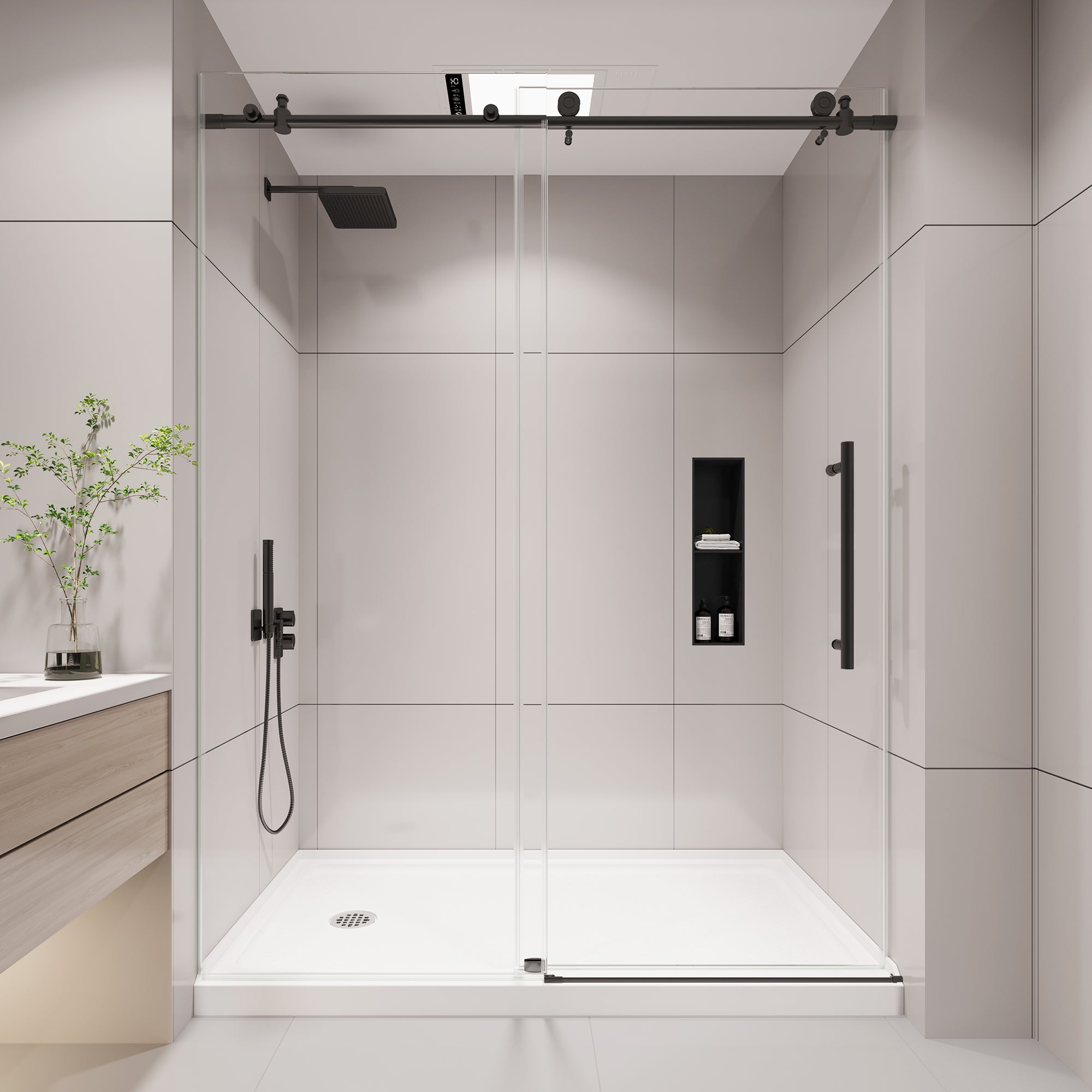
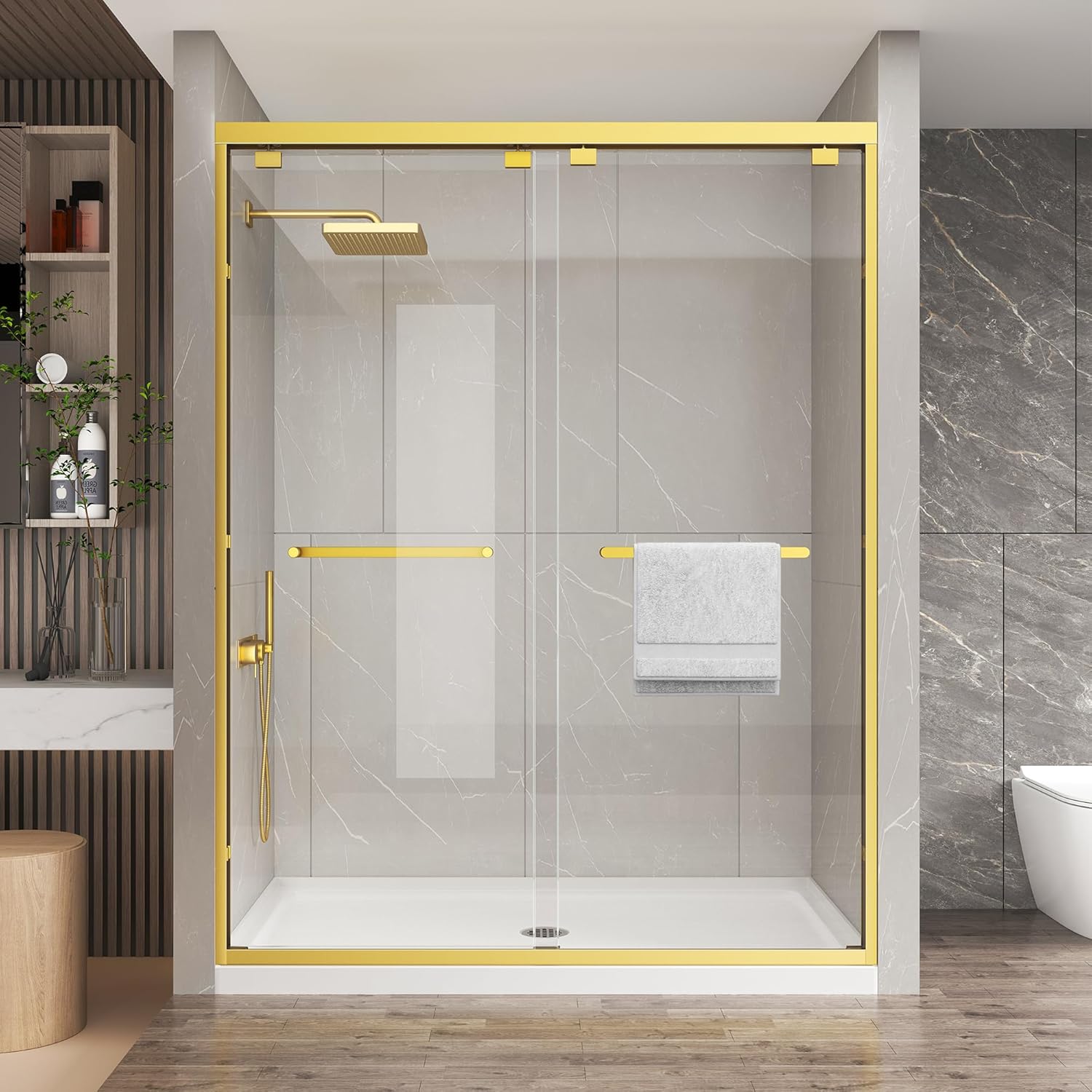
If your shower feels springy or you hear a hollow sound when you step in, that’s not just an annoyance — it’s a red flag. With 2026 trends pushing for low-threshold pans, larger curbless entries, and thinner composite bases, understanding when a shower base is allowed to flex and when it must be repaired or rebuilt is critical to avoid leaks, tile failure, or a glass door failure. I’ll give you the straight, experienced contractor answers so you can evaluate a problem, talk to your remodeler in plain terms, and decide whether repair or replacement is the right move.
Quick answer (short, clear)
Yes
Why shower bases flex
Flexing is a structural symptom, not the cause. Common root causes I see on the job are:
- Unsupported sections under prefab acrylic or fiberglass pans — often missing continuous mortar support where the pan rests on the subfloor.
- Rot or undersized joists beneath the subfloor. Old houses often have joists cut or notched for plumbing and later weakened.
- Improper bedding material for tile-ready pans — a thin set or spot mortar bed won’t eliminate movement.
- Large span pans with no mid-span support — the bigger the unsupported span, the higher the deflection under a single foot.
- Installation tolerances and out-of-plumb walls that force installers to shim or gap a pan improperly.
Material comparison and risk table
| Base Type | Typical Thickness | Typical Support | Flex Risk | Field Recommendation |
|---|---|---|---|---|
| Acrylic/Fiberglass Prefab | 3/16" – 1/2" | Full mortar bed or continuous adhesive recommended | Medium–High if unsupported | Pack with dry-pack mortar or use manufacturer-approved foam support. |
| Composite/PVC Molded | 1/4" – 3/4" | Manufacturer-specified ribs + bedding | Low–Medium | Follow manufacturer's backing instructions; do not overcurve drain area. |
| Tile-on-Mud Bed (Pitched) | 2" – 3" mud + tile | Solid (framework + subfloor + mud) | Low if installed to L/360 and waterproofed | Use galvanized weep system and proper slope (1/4" per ft). |
| Tile-Ready Prefab Base | Varies | Full bedding + screw-down to blocking | Medium | Shim to a level plane and mortar-bed the flange area. |
Jobsite factors that make flex worse
On real remodels I watch for these specifics:
- Out-of-plumb walls: If the studs lean, the shower pan can’t sit flat against the wall flange and gets pressure points, especially at shower door jambs.
- Rough-in dimensions: A drain offset or floor waste out of the expected center forces installers to cant the pan or cut it, creating unsupported voids.
- Curb slope and framing: A short or underbuilt curb transfers loads into the pan edge. Curbs should be framed, sheathed, and supported to avoid edge deflection.
- Tempered glass door tolerances: A base that flexes can change the gap at the bottom of a 3/8" or 1/2" tempered glass door and stress the glass; remember ANSI Z97.1 and door manufacturer tolerance recommendations.
When I'm measuring a problem I use a straightedge and feeler gauges at the drain flange, curb, and mid-span. Even a 1/16" gap at the flange can let bedding material shift over time.
For product options, if you’re replacing a weak pan I recommend looking at modern engineered units that specify backing instructions. See Shower Bases for examples — but verify the manufacturer’s installation guide for bedding and fastener requirements.

How to diagnose and repair — a contractor's checklist
When a homeowner calls me about a flexing pan I run these checks in order. Use this as a troubleshooting guide:
- Visual inspection: Look for cracked fiberglass, shifted drain flange, or tile cracks that indicate movement.
- Straightedge test: Place a straightedge across the pan in multiple directions and measure gaps with a feeler gauge.
- Load test: Stand in different areas to isolate the soft spot; mark the center of deflection.
- Inspect below: If you have access through a panel or from basement/crawlspace, check subfloor rigidity, joist condition, and any previous repairs.
- Decide repair vs. replace: Small localized voids under prefab pans can sometimes be corrected with injected non-expanding urethane or mortar pack; generalized movement usually means rebuild.
Repair options
- Non-expanding injection grout under rigid pans where access is limited — fast and common on remodels but only if manufacturer allows it.
- Full mortar pack — remove the pan and install a proper 3:1 sand-cement dry pack, setting the pan into a continuous supporting bed.
- Re-frame and sister joists — when subfloor or joists are compromised, proper structural repair is needed before reinstalling a pan.
- Switch to a tile mud bed or composite base if the layout or future-proofing for glass doors requires a more rigid substrate.
Be careful with quick fixes. I’ve inherited jobs where an expanding foam “support” crushed the pan ribs or caused the drain flange to lift because it expanded unevenly. Always follow the base manufacturer's backing instructions and local code. For code guidance on plumbing rough-ins and drain connections see the NKBA and the International Code Council site for code references ICC.

Real-world jobsite example — older house renovation
I’ll give you a direct on-the-job scenario I ran into last year. The house was 1920s construction with a remodeled bathroom added in the 1970s. Observations:
- Subfloor had 5/8" plank over 2x8 joists, some joists had been notched for a sewer pipe and showed rot near a prior leak.
- The installer had set a fiberglass pan on three mortar spots, leaving a 3/8" mid-span gap.
- Glass door jambs had been shimmed out by 1/8" to make the door fit — the homeowner complained the pan felt soft under the left foot.
Work performed:
- Sistered two joists and replaced rotted framing.
- Removed the pan, installed 3/4" exterior-grade plywood underlayment, and installed a full dry-pack mortar bed with 1/4" per foot slope to the drain.
- Reset the fiberglass pan into a continuous mortar bed, torqued the drain flange to manufacturer torque, and tested for deflection with a straightedge. Final deflection was under 1/16".
This took more time and a higher upfront cost, but solved the root cause. The homeowner never had another leak, and the glass door remained stable because the base no longer flexed.
FAQ — People also ask
Can I patch a flexing shower base without removing it?
If the base is a rigid composite or has a manufacturer-approved injection procedure, you can sometimes inject a non-expanding grout or polyurethane support under specific ribs. Don’t use expanding foam unless the manufacturer approves it. Small voids can be corrected; wide-area deflection almost always needs removal and proper bedding or structural repair.
How much movement is acceptable under a shower pan?
Acceptable movement is minimal. For tile installations follow the L/360 deflection limit (no more than 1/360th of the span). For prefab bases, follow the manufacturer's spec — generally less than 1/8" of deflection at any point under typical loads. If you feel springiness underfoot, that exceeds acceptable movement.
Will a flexing pan damage my glass door?
Yes — a moving base can shift the jamb clearances and put stress on the bottom edge of tempered glass (typically 3/8" or 1/2" thickness per standard practice). That can cause alignment issues, excessive wear on seals, or in extreme cases concentrated stress leading to glass failure. Always ensure the base is stable before setting glass hardware.
Final thoughts & where to look next
Don’t accept a shower that feels springy. Identify whether the issue is bedding, framing, or a product mismatch. A proper diagnosis using a straightedge, feeler gauges, and below-floor inspection will tell you whether a repair will hold or a rebuild is required. If the pan is compromised or you want a more robust, low-threshold solution, consider modern engineered shower bases that come with explicit backing instructions — check the product specs before you buy and confirm installer I&O requirements. For replacement options and to compare engineered pans, look at the manufacturer's collections such as Shower Bases.
Want help? When in doubt, get a licensed contractor to open a section and evaluate the substrate. Fixing the root cause the first time saves money and prevents tile and glass failures down the road.

Laisser un commentaire
Tous les commentaires sont modérés avant d'être publiés.
Ce site est protégé par hCaptcha, et la Politique de confidentialité et les Conditions de service de hCaptcha s’appliquent.