
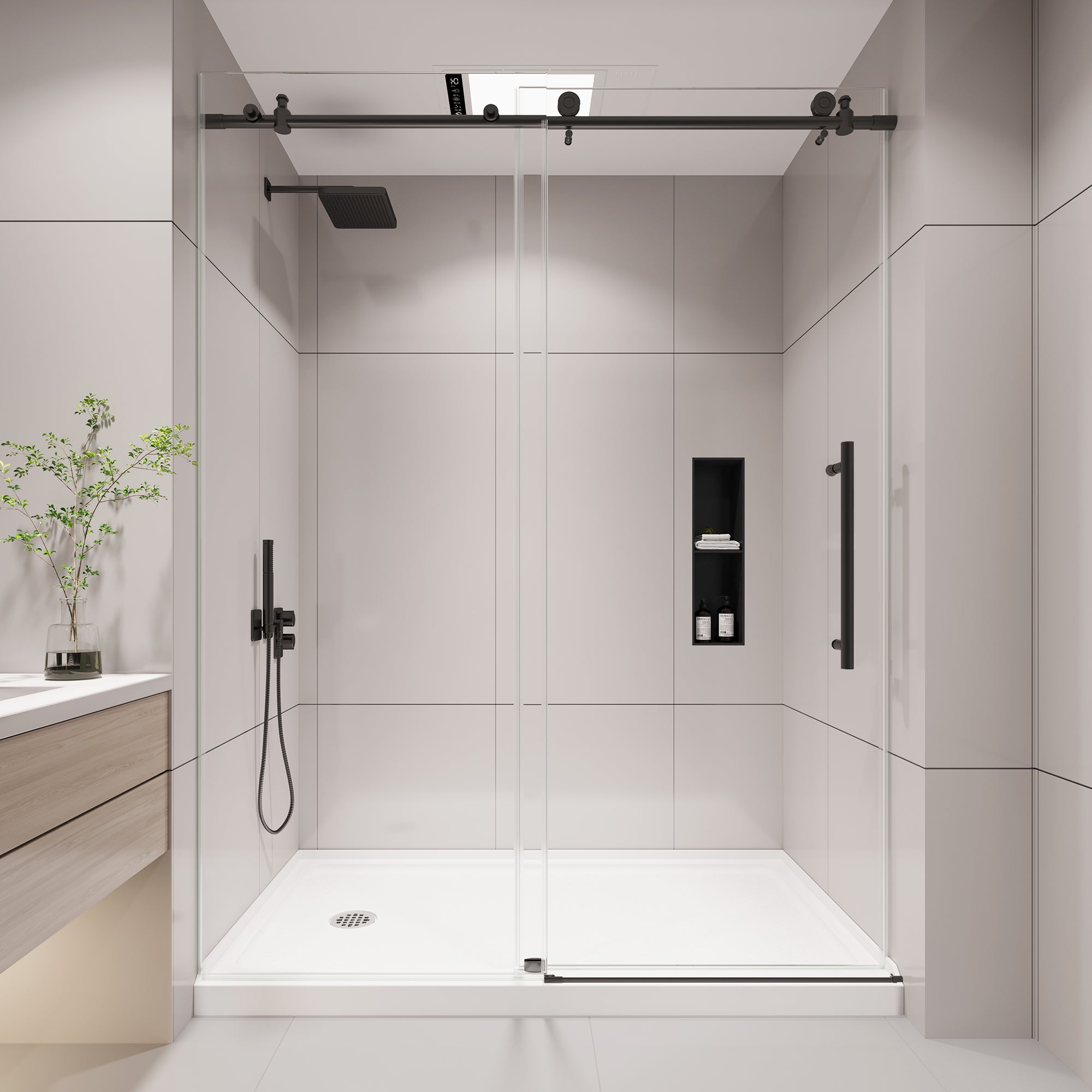
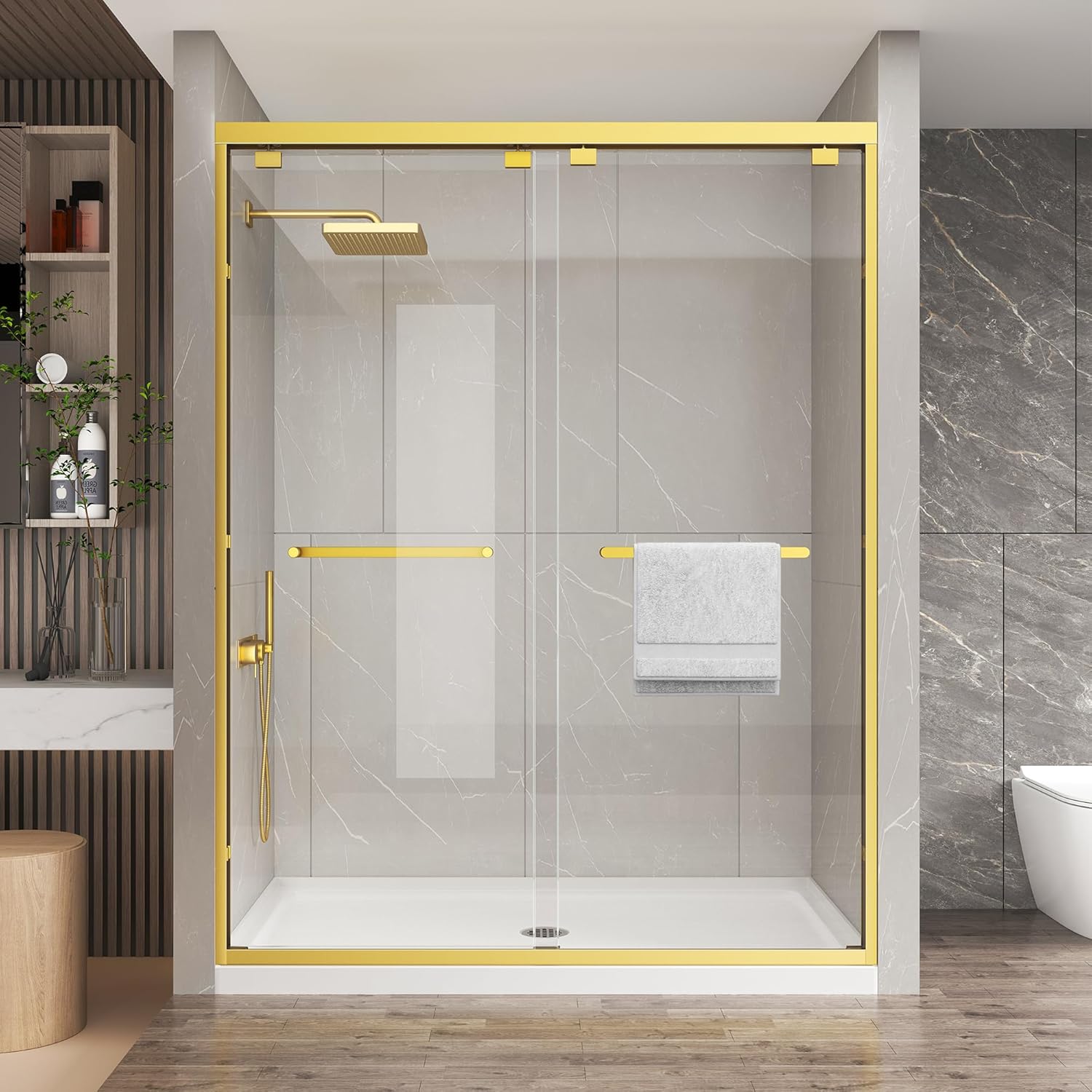
Hausbesitzer beschäftigen sich intensiv mit Fliesenmustern, Fugenfarben und Regenduschköpfen, aber die Glasabtrennung definiert physisch die strukturelle Integrität Ihres Badezimmers. Wenn ich 2026 auf einer Baustelle unterwegs bin, ist die häufigste Frage, die mir bei einer Badrenovierung gestellt wird, die nach der Glasdicke. Die Wahl zwischen 8 mm (5/16 Zoll) und 10 mm (3/8 Zoll) gehärtetem Glas ist nicht nur eine vorübergehende Designvorliebe. Sie bestimmt die Anforderungen an Ihre Beschläge, die notwendige strukturelle Wandverstärkung und Ihr Gesamtbudget.
Wenn Sie die falsche Duschkabine spezifizieren, garantieren Sie durchhängende Scharniere, Wasserlecks und potenzielle Sicherheitsrisiken auf lange Sicht. Moderne Innendesigntrends drängen auf höhere, breitere und völlig rahmenlose Glaspaneele. Sie können sich nicht mehr auf dünnes, fadenscheiniges Glas verlassen, das von massiven Aluminiumrahmen gestützt wird. Sie müssen die Physik Ihrer Duschkabine verstehen, bevor Sie Materialien bestellen und Fliesen schneiden.
Sicherheit geht vor: ANSI-Standards und gehärtetes Glas
Bevor wir über die Ästhetik der Dicke sprechen, müssen wir die Bauvorschriften für Wohnhäuser ansprechen. Standard-Floatglas hat in einer Badezimmerumgebung absolut nichts zu suchen. Alle Duschkabinen müssen gehärtetes Sicherheitsglas verwenden, das die Standards des Safety Glazing Certification Council (SGCC) und die ANSI Z97.1 Aufprallnormen erfüllt. Der Herstellungsprozess des Härtens erhitzt das Rohglas auf über 600 Grad Celsius, bevor es schnell abgekühlt wird. Dieser intensive thermische Zyklus erzeugt eine massive Oberflächenkompression.
Wenn gehärtetes Glas einen katastrophalen Aufprall erleidet, zerspringt es in Tausende kleiner, stumpfer Kieselsteine statt in tödliche, gezackte Scherben. Sowohl 8 mm als auch 10 mm Glas durchlaufen diesen identischen Härteprozess. Die Dicke ändert nichts an der grundlegenden Klassifizierung des Glases als Sicherheitsglas; sie ändert die Steifigkeit des Paneels, das Gesamtgewicht und wie es sich mechanisch unter täglicher Beanspruchung verhält.

Da Duschpaneele immer höher werden – oft bis zu 80 bis 84 Zoll bei hochwertigen Bauten im Jahr 2026 – nimmt die Gesamtfläche zu. Eine größere Oberfläche erfordert eine deutlich höhere strukturelle Steifigkeit, um ein Durchbiegen des Glases zu verhindern, wenn sich jemand daran lehnt oder die Tür heftig aufstößt. Diese strukturelle Dynamik ist der Punkt, an dem die Debatte zwischen 8 mm und 10 mm wirklich zählt.
8mm Duschglas: Praktikabilität und technische Leistung
Mit einer Dicke von etwa 5/16 Zoll dient 8 mm Glas als das zuverlässige Arbeitstier der US-Renovierungsbranche. Es bietet ein höchst effizientes Gleichgewicht zwischen Haltbarkeit, Kosten und physischem Gewicht. Bauunternehmer verwenden 8 mm Glas ausgiebig für Standard-Bypass-Schiebetüren, teilgerahmte Kabinen und stark frequentierte Familienbäder.
Vorteile von 8mm Glas
- Geringeres Gewicht: Mit etwa 4 Pfund pro Quadratfuß belastet 8 mm Glas Wandpfosten, durchgehende Scharniere und Gleitrollenlager deutlich weniger.
- Mechanische Effizienz: Da es leichter ist, funktioniert 8 mm Glas perfekt mit eleganten Gleitmechanismen und ermöglicht ein flüsterleises, reibungsloses Gleiten über Jahre des täglichen Gebrauchs.
- Installationsgeschwindigkeit: Allein arbeitende Monteure können 8-mm-Paneele oft ohne einen zweiten Glaser vor Ort handhaben, manövrieren und setzen, was Ihre Gesamtarbeitskosten senkt.
- Kostengünstig: 8-mm-Paneele sind in der Herstellung und im Transport günstiger, wodurch Budget für Premium-Fliesen oder verbesserte Sanitärarmaturen frei wird.
Nachteile von 8mm Glas
- Flexibilität und Wackeln: Wenn eine 8-mm-Tür ohne Kopfstück in eine komplett rahmenlose Pendeltürkonfiguration gezwungen wird, weist sie beim Betätigen des Griffs ein leichtes, wahrnehmbares Wackeln auf. Es fehlt ihr die monolithische Steifigkeit von dickerem Glas.
- Höhenbeschränkungen: Bauunternehmer vermeiden im Allgemeinen die Verwendung von 8-mm-Glas für freistehende Paneele, die eine Höhe von 72 Zoll überschreiten, ohne einen stabilisierenden Metallkopfriegel zu integrieren, um den Biegungseffekt zu stoppen.
10mm Duschglas: Der Goldstandard für rahmenlosen Luxus
Mit einer Dicke von 3/8 Zoll stellt 10mm Glas den strengen Maßstab für moderne, komplett rahmenlose Duschkabinen dar. Wenn Sie ein luxuriöses Hotelbadezimmer betreten, den Griff ergreifen und eine schwere, geräuschlose Glastür öffnen, handhaben Sie 10mm Glas. Wenn Sie tiefer in die Materie eintauchen möchten, wie diese spezifische Masse das taktile Gefühl Ihres Badezimmers verändert, empfehle ich Ihnen dringend, unseren speziellen Leitfaden zu 8mm vs. 10mm Duschglasdicke: Leistung im Vergleich zu Premium-Luxus zu lesen.
Vorteile von 10mm Glas
- Überragende Steifigkeit: 10 mm Glas fühlt sich von Natur aus solide an. Wenn die Tür an robusten, massiven Messing-Wandscharnieren montiert ist, schwingt sie mit Autorität und stoppt abrupt ohne jegliche Restvibration.
- Echte Rahmenlosigkeit: Die massive inhärente strukturelle Festigkeit ermöglicht es Installateuren, Kabinen nur mit Wandscharnieren und einem Griff zu bauen. Keine Aluminium-Kopfstücke, klobigen U-Profile oder Seitenrahmen sind notwendig, um die Struktur stabil zu halten.
- Premium-Kantenprofil: Die dickere, wunderschön polierte sichtbare Kante fängt das natürliche Licht ein und signalisiert jedem, der den Raum betritt, sofort hochwertige, maßgefertigte Handwerkskunst.
- Unterstützung für hohe Paneele: 10 mm Glas bewältigt problemlos raumhohe oder 84 Zoll hohe kundenspezifische Installationen und widersteht vehement dem Biegungseffekt, der bei dünneren Materialien üblich ist.
Nachteile von 10mm Glas
- Hohe Last: Bei 5 Pfund pro Quadratfuß wiegt eine Standardtür von 28 x 72 Zoll etwa 70 Pfund. Massive Festpaneele können leicht 120 Pfund überschreiten.
- Strenge Wandanforderungen: Sie können eine 10-mm-Tür absolut nicht an Standard-Trockenbauwänden oder dünnen Zementplatten montieren. Die Rahmung erfordert eine starke Holzblockierung genau dort, wo die Scharniere montiert werden.
- Höhere Kosten: Das Rohmaterial aus gehärtetem Glas kostet mehr, die strapazierfähigen Messingbeschläge kosten mehr, und die Installation erfordert ein qualifiziertes Zweierteam.
Direkter Vergleich: 8mm vs. 10mm
Nutzen Sie diese technische Aufschlüsselung, um zu beurteilen, welche Glasdicke speziell zu den strukturellen Abmessungen Ihres Badezimmers und Ihren Budgetbeschränkungen passt.
| Technische Spezifikation | 8 mm Glas (5/16") | 10 mm Glas (3/8") |
|---|---|---|
| Gewicht pro Quadratfuß | ~4,0 lbs | ~5,0 lbs |
| Beste Anwendung | Halbrahmenlos, Bypass-Schiebetüren, Budget-Umbauten | Echt rahmenlos, schwere Pendeltüren, luxuriöse Sonderanfertigungen |
| Strukturelle Steifigkeit | Mäßig (erfordert Kopfstücke für Spannweiten über 72") | Hoch (unterstützt monolithische, freistehende Spannweiten) |
| Wandblockierung erforderlich | Sehr empfohlen | Absolut zwingend für Scharnierstütze |
| Hardware-Kompatibilität | Standard-U-Profile, leichtere Schienen, Standardklemmen | Hochbelastbare massive Messingscharniere, verstärkte Schwerlastklemmen |
| Vibration beim Schließen | Spürbare Biegung bei rahmenlosen Aufbauten | Nahezu keine Vibration; fester Aufprall |
Tipps vom Auftragnehmer: Zu berücksichtigende Feldvariablen
Die Auswahl der Glasdicke auf dem Papier ist nur ein Teil der Gleichung. Die tatsächlichen Baustellenbedingungen bestimmen den Erfolg oder Misserfolg Ihrer Installation. Auftragnehmer bewerten mehrere kritische Kennzahlen, bevor sie kundenspezifisches Glas bestellen.
Wände außer Lot
Wände sind selten perfekt gerade, besonders in älteren Häusern. Lotgerecht bedeutet, dass eine Wand vom Boden bis zur Decke perfekt vertikal ist. Wenn Ihre gefliesten Wände um mehr als 1/4 Zoll aus dem Lot laufen, passen Standard-Fertigglasplatten nicht bündig, was zu schweren Wasserlecks führt. Ein seriöser Glashersteller misst die Öffnung erst nach dem Verlegen der Fliesen mit dem Laser aus und schneidet das Glas nicht im Quadrat zu, um der spezifischen Neigung der Wand zu entsprechen. 10 mm rahmenloses Glas ist völlig unversöhnlich, wenn es in eine Öffnung außerhalb des Lots gezwungen wird. 8 mm Systeme verwenden oft verstellbare U-Profile, die eine schiefe Wand verbergen können.

Bordsteinneigung und Abdichtung
Gemäß den standardmäßigen International Plumbing Code (IPC) Richtlinien muss ein Duschbordstein mit einer Neigung von 1/4 Zoll pro Fuß nach innen zum Abfluss geneigt sein. Wenn der Bordstein flach ist oder nach außen zum Badezimmer geneigt ist, sammelt sich Wasser unter der Glastürdichtung und tritt auf den Boden aus. Schwere 10-mm-Türen erfordern einen soliden, perfekt geneigten Bordstein, um das Gewicht aufzunehmen und sicherzustellen, dass die untere Vinyl-Dichtung fest an den Fliesen abschließt.
Scharnierstützen und Rahmung
Wenn Sie eine schwere 10-mm-Rahmenlostür wählen, wird die Wand, die die Türscharniere hält, jedes Mal, wenn Sie sie öffnen, einer immensen dynamischen Torsionsbelastung ausgesetzt. Standard-2x4-Ständer mit einem Achsabstand von 16 Zoll sind völlig unzureichend, wenn sie nicht genau dort landen, wo die Scharniere angebracht werden sollen. Während der Rohbauphase muss Ihr Zimmermann eine strukturelle Blockierung (horizontale 2x6 oder miteinander verbundene vertikale Ständer) genau an den Scharnierhöhen installieren.
- Rohbauphase: Trockenbau entfernen und massive Holzblockierung an den geplanten Scharnierpositionen anbringen.
- Abdichtung: Entsprechende Folienmembranen oder Flüssigabdichtung über der Blockierung anbringen.
- Fliesenphase: Sicherstellen, dass keine Rohre durch die Scharnierbefestigungsbereiche geführt werden, um katastrophale Bohrunfälle später zu vermeiden.
- Glasmaß: Glas erst messen, nachdem Fliesen und Fugen zu 100 % fertiggestellt und ausgehärtet sind.
Häufig gestellte Fragen
Ist 8mm Glas für eine komplett rahmenlose Dusche sicher?
Ja, 8 mm gehärtetes Glas ist physisch sicher und entspricht den Bauvorschriften für rahmenlose Anwendungen. Doch "sicher" bedeutet nicht "optimal". Eine rahmenlose 8-mm-Drehtür wird beim Ziehen am Griff spürbar nachgeben und vibrieren. Um diese mechanische Belastung zu mindern, empfehlen Bauunternehmer routinemäßig die Verwendung eines kleinen Metall-U-Profils an den feststehenden Paneelen oder einer oberen Kopfleiste, wodurch die Konstruktion technisch zu einer "teilgerahmten" Duschkabine wird.
Erfordert 10mm Glas eine spezielle strukturelle Verstärkung?
Absolut. Eine Standardtür aus 10 mm rahmenlosem Glas übt extremen Zugdruck auf die Wandanker aus. Sie müssen während der Rahmenbauphase eine massive Holzblockierung hinter der Fliesenunterlage anbringen. Sich ausschließlich auf Kunststoff-Wandanker zu verlassen, die in hohle Trockenbauwände oder dünne Fliesen gedrückt werden, führt letztendlich zu einer durchhängenden Tür, rissigen Fugen oder zersplittertem Glas.
Was ist der wahre Kostenunterschied zwischen 8mm und 10mm Duschsystemen?
Das Rohglas für 10mm ist typischerweise 20 % bis 30 % teurer als 8mm. Die wahre Kostendifferenz liegt jedoch in den erforderlichen Beschlägen und der Arbeitsleistung. Die robusten Massivmessingscharniere, die zur sicheren Befestigung von 10mm Glas erforderlich sind, sind teurer, und das extreme Gewicht erfordert in der Regel ein Zwei-Mann-Installationsteam. Rechnen Sie mit 400 bis 800 Dollar mehr für eine komplett installierte 10mm rahmenlose Duschkabine im Vergleich zu einer gleichwertigen 8mm Variante.
Abschließende Gedanken für Ihre Renovierung
Ihre Duschkabine ist täglich brutaler Belastung durch Wasser, Hitze und physische Bewegung ausgesetzt. Das Sparen an Glasdicke oder Beschlägen führt unweigerlich zu durchhängenden Türen und kostspieligen Wasserschäden. Wenn Ihr Budget und die Wandrahmen es zulassen, bietet 10 mm Glas das starre, hochwertige architektonische Gefühl, das moderne Badezimmerdesigns erfordern. Wenn Sie ein älteres Badezimmer ohne interne Wandverstärkung nachrüsten oder ein hocheffizientes Schiebesystem bauen, bleibt ein 8 mm teilgerahmtes System eine äußerst zuverlässige und mechanisch einwandfreie Wahl.
Recherchieren Sie, überprüfen Sie die Wandstruktur mit Ihrem Auftragnehmer und priorisieren Sie die ANSI-Sicherheitsstandards. Überprüfen Sie die Spezifikationen hochwertiger Armaturen wie KPUY Duschkabinen, um die exakte mechanische Übereinstimmung mit Ihren Rohbaumaßen und ästhetischen Zielen zu finden.

Hinterlasse einen Kommentar
Alle Kommentare werden vor der Veröffentlichung geprüft.
Diese Website ist durch hCaptcha geschützt und es gelten die allgemeinen Geschäftsbedingungen und Datenschutzbestimmungen von hCaptcha.