
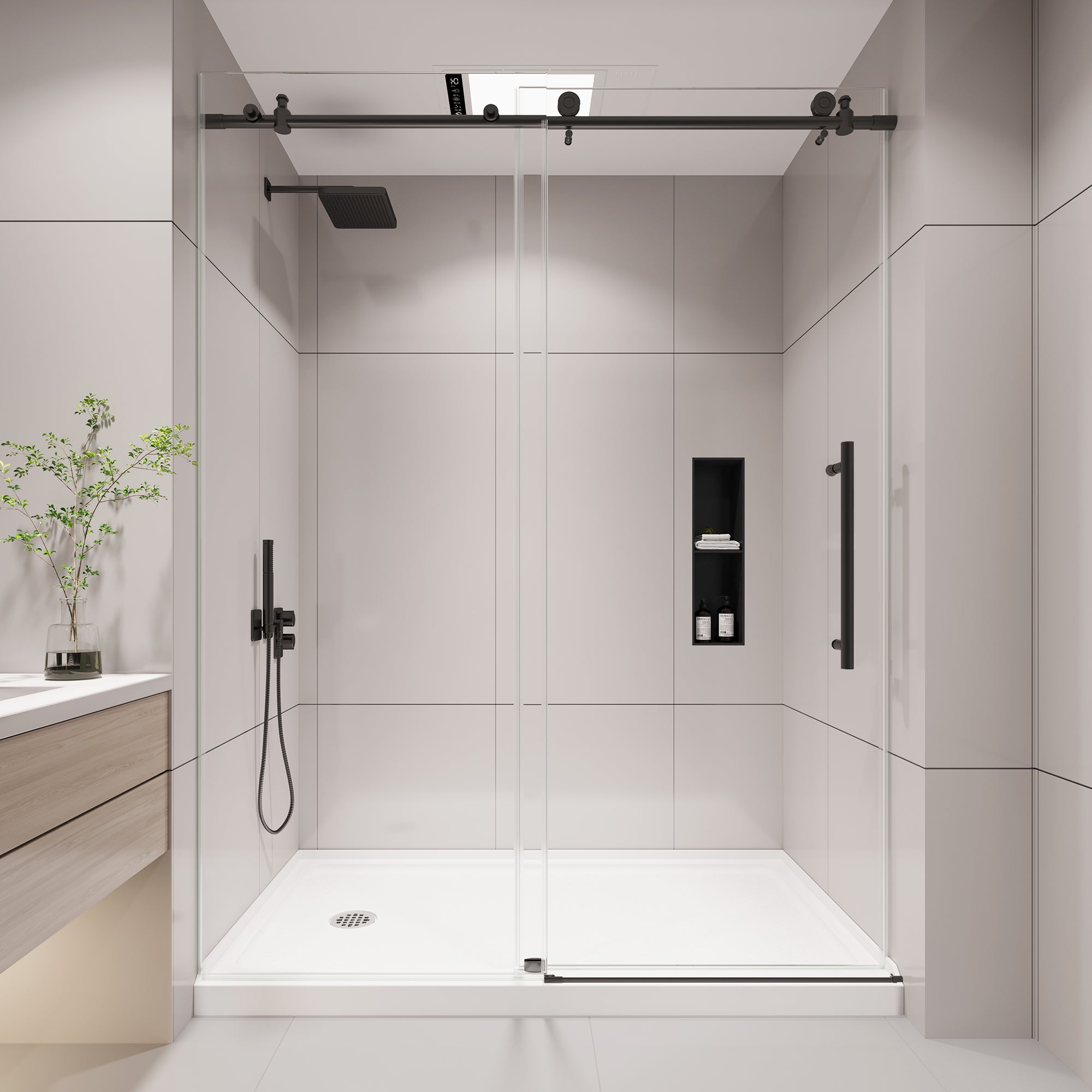
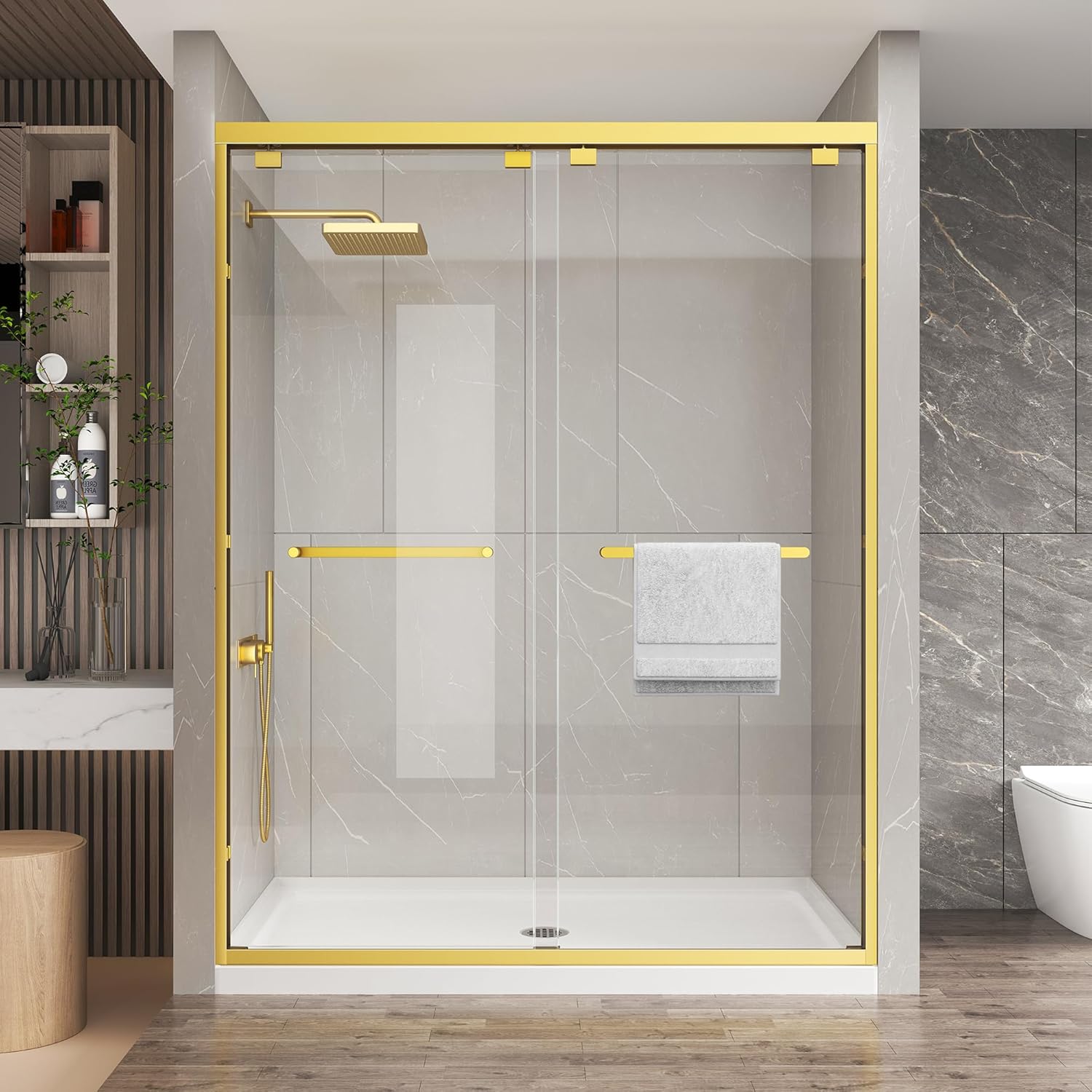
A pivot shower door can look simple on a spec sheet, but the wall support behind it is what keeps the hinges from loosening, sagging, or pulling tile over time. In a real remodel, the answer is usually: it needs a solid framed wall, proper stud backing, and enough finished wall structure to hold the hinge hardware without relying on tile alone. The exact support depends on door weight, hinge style, and the finished opening.
The Short Answer
A pivot shower door needs a rigid wall that can hold the hinge load without flexing. In most remodels, that means properly located studs or solid backing in the hinge wall, plus a finished opening that is plumb, square enough for the frame or hinges, and sized for the door swing. Tile alone is not enough. If the wall is weak or out of plumb, the door can bind, leak, or shift over time.
What Wall Support Actually Means
For a pivot shower door, wall support is not just about “having a wall there.” The hinge side needs a structure that can carry repeated opening and closing loads. Every time the door swings, the fasteners transfer force into the wall. If that wall is backed only by drywall or thin wall board, the hardware can loosen. Once that happens, the door starts to move out of alignment and the seal becomes harder to maintain.
In practical terms, you want the hinge wall to have:
- Stud backing where the hinges or strike hardware will mount.
- Enough solid substrate behind the finished wall surface to hold fasteners securely.
- Flat, plumb finished walls so the glass or frame sits correctly.
- Space for hinge clearance so the door can swing without hitting tile edges, trim, or nearby fixtures.
Older homes often have walls that lean just enough to affect glass fit. A wall can look straight until you set a level on it. That matters more with pivot doors than many homeowners expect, because the door swing depends on predictable geometry. If the hinge wall is not stable, the door may not close cleanly or the magnetic seal may not line up as intended.
For general shower enclosure planning, the Pivot Shower Doors collection is a useful starting point because it reflects the swing-clearance and wall-support demands of this door type.
Measurements That Matter Before You Order
Start with the finished opening, not the old product label. The opening that matters is the space after tile, wall board, or panel material is installed. If you measure before the wall finish is complete, your numbers can be off by enough to affect hinge placement and door operation.
Take the width at top, middle, and bottom. On remodel jobs, those numbers often differ. A shower opening may be 1/4 inch wider at one point and 1/4 inch narrower at another. That can change how the door aligns and whether a filler or adjustment is needed. Also check plumb on both side walls and level across the threshold.
| Measurement | Why It Matters | Common Remodel Issue |
|---|---|---|
| Top width | Confirms the opening at hinge and strike height | Walls taper slightly inward or outward |
| Middle width | Shows the most representative opening size | Tile bulges or framing irregularities |
| Bottom width | Checks the base line and curb area | Threshold slope or uneven curb surface |
| Plumb on hinge wall | Helps the door swing and seal correctly | Older studs and tiled walls are rarely perfectly vertical |
| Clear swing space | Prevents the door from hitting toilets, vanities, or towel bars | Door clears the opening but still collides with nearby fixtures |
Don’t forget thickness changes. Tile, backer board, and wall finish all affect the final wall face. A shower opening that looked right during rough framing may end up tighter after tile installation. That is one reason installers prefer to verify finished dimensions before final hardware placement.
For layout planning, it also helps to check the shower base or threshold condition early. If the shower base is not level or the curb slopes more than expected, the door may need adjustment at the bottom sweep or seal line. For related base planning, KPUY’s Shower Bases collection is relevant when the door and shower floor are being coordinated together.

Typical Wall Support Conditions
Not every wall needs the same amount of reinforcement, but a pivot shower door generally performs best when the hinge side is built like a real load-bearing attachment point, even if the wall itself is not structural. The condition of the substrate matters as much as the tile you see on the surface.
Here is a practical way to think about support conditions:
| Wall Condition | What It Usually Means | Risk Level |
|---|---|---|
| Studs available at hinge location | Best case for fastening hinge hardware securely | Lower |
| Solid blocking added during remodel | Good option when studs do not line up exactly | Lower to moderate |
| Only wall board and tile | Insufficient for hinge load in most cases | Higher |
| Out-of-plumb wall with solid backing | Hardware can still work, but adjustment is limited | Moderate |
| Uneven or soft substrate behind tile | Fasteners may loosen over time | Higher |
A remodel often reveals surprises after demolition: rotted framing around an old tub surround, missing blocking, patched studs, or a curb that is not square to the side walls. Any of those can affect the hinge wall. If the wall is being rebuilt, adding blocking at the hinge height is one of the smartest steps you can take before tile goes back on.
Glass thickness matters too. Heavier pivot doors put more demand on the hinge wall than lighter doors. The thicker and wider the glass panel, the more important it is that the wall attachment is firm and the hinge fasteners are correctly anchored. That is not something to guess on after tile is finished.
For code and safety context around bathroom and shower planning, it is reasonable to reference the NKBA for layout and clearance guidance and the CPSC for safety considerations involving glass and home use. Those resources are helpful when you are thinking about the room as a whole, not just the door itself.
Installation Planning and Common Mistakes
Pivot shower doors are less forgiving than some homeowners expect. The hinge side needs a reliable attachment point, and the swing side needs enough open area to move freely. A door can fit the opening on paper and still fail in the room if the wall support or surrounding layout is off.
Here are the most common mistakes:
- Anchoring into tile alone instead of solid backing.
- Ignoring out-of-plumb walls and assuming the glass will “pull it straight.”
- Forgetting swing clearance near a vanity, toilet, towel bar, or glass panel.
- Measuring before tile is complete and missing the final opening size.
- Overlooking threshold slope and causing a gap at the bottom seal.
- Using the wrong sealant approach and leaving paths for water to escape.
Door swing clearance is often the biggest layout issue in smaller bathrooms. A pivot door needs room to open inward or outward, depending on the design. If the bathroom is tight, the door may technically fit but still be awkward in daily use. In those cases, a different opening strategy may be better, but if you stay with a pivot door, plan the swing path before the final install.
Silicone sealing helps with water containment, but it does not replace proper fit. If the wall is off or the base is uneven, sealant is only a finishing step. It should not be asked to solve a structural problem. Use the door hardware and wall support to do the main work, then seal the perimeter correctly after alignment is confirmed.
Before the installation day, confirm the wall opening, finished surface thickness, and any adjacent fixtures that could interfere. If the project includes new lighting or an upgraded vanity area, also confirm outlet and fixture placement so the new door does not limit access to surrounding items later. For homeowners coordinating a full bath refresh, KPUY’s Pivot Shower Doors collection can be referenced alongside the room layout, not as a shortcut for measuring.

Pre-Order Checklist
Before you order a pivot shower door, work through the opening from structure to finish. That sequence reduces avoidable returns and rescheduling.
- Measure the shower opening at the top, middle, and bottom after wall finishes are in place.
- Check the hinge wall for solid stud backing or proper blocking where the hardware will mount.
- Verify both walls for plumb and the threshold for level or controlled slope.
- Measure swing clearance so the door will not strike nearby fixtures or trim.
- Confirm glass thickness and hardware projection against the finished wall surface.
- Inspect the curb or shower base for alignment with the drain and water containment needs.
- Plan silicone joints and sealing locations after the door is test-fit.
- Review any local code or manufacturer installation guidance before final purchase and installation.
If your shower base is still being selected, coordinate it before finalizing the door. A shower base with the wrong threshold height, curb width, or drain position can complicate door installation and sealing. That is why base and door planning should happen together instead of in separate steps.
Frequently Asked Questions
Can a pivot shower door be mounted to tile only?
Usually not in a reliable way. Tile is a finish surface, not a structural anchor. The hinge side should fasten into studs or solid blocking behind the wall. If the wall only has tile and backer board with no proper support, the hardware can loosen over time and the door may shift.
How much swing clearance does a pivot shower door need?
It depends on the door size and swing direction, but you should always check the full arc before ordering. Make sure the door will not hit a toilet, vanity, towel bar, or adjacent wall edge. In small bathrooms, the swing path can matter as much as the opening width.
What if my shower wall is not perfectly plumb?
Slight out-of-plumb conditions are common in remodels, especially in older homes. Minor irregularities can sometimes be handled with installation adjustment, but the more the wall leans, the more likely the door is to bind or leave uneven gaps. Measure carefully before ordering and check whether correction is needed during framing or tile work.
Final Takeaway
A pivot shower door needs more than a finished opening that looks close enough. It needs a rigid hinge wall, proper backing, accurate finished measurements, and enough swing room to work in daily use. If the wall support is weak, the door will eventually show it. If the opening is measured after finishes are complete and the structure is reinforced correctly, the install is much easier to live with.
For homeowners planning a remodel around this door style, start with the wall structure, then confirm the finished opening, then match the hardware and glass to the room layout. If you want to keep the planning focused on pivot-style enclosures, the most relevant place to start is KPUY’s Pivot Shower Doors collection.

Leave a comment
All comments are moderated before being published.
This site is protected by hCaptcha and the hCaptcha Privacy Policy and Terms of Service apply.