
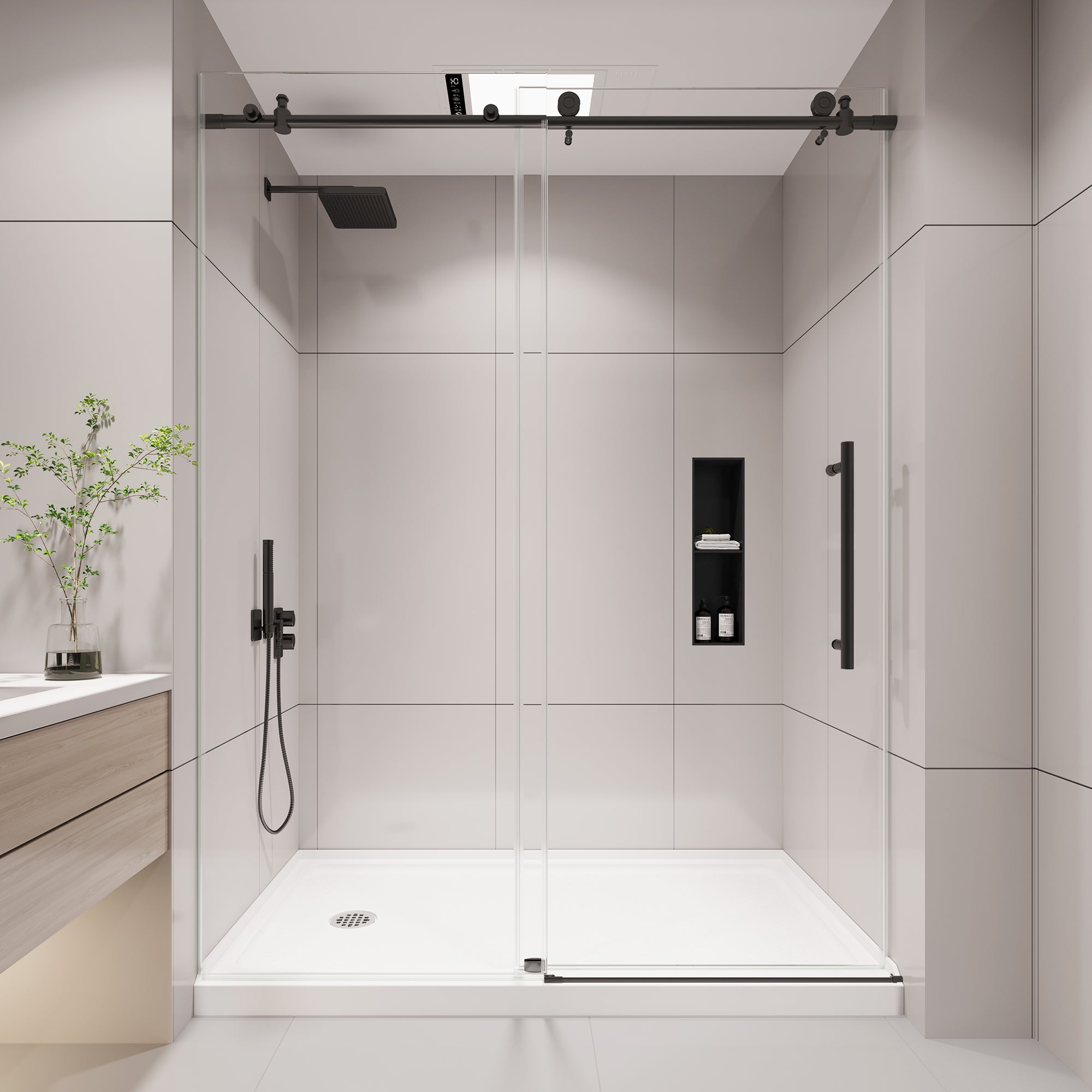
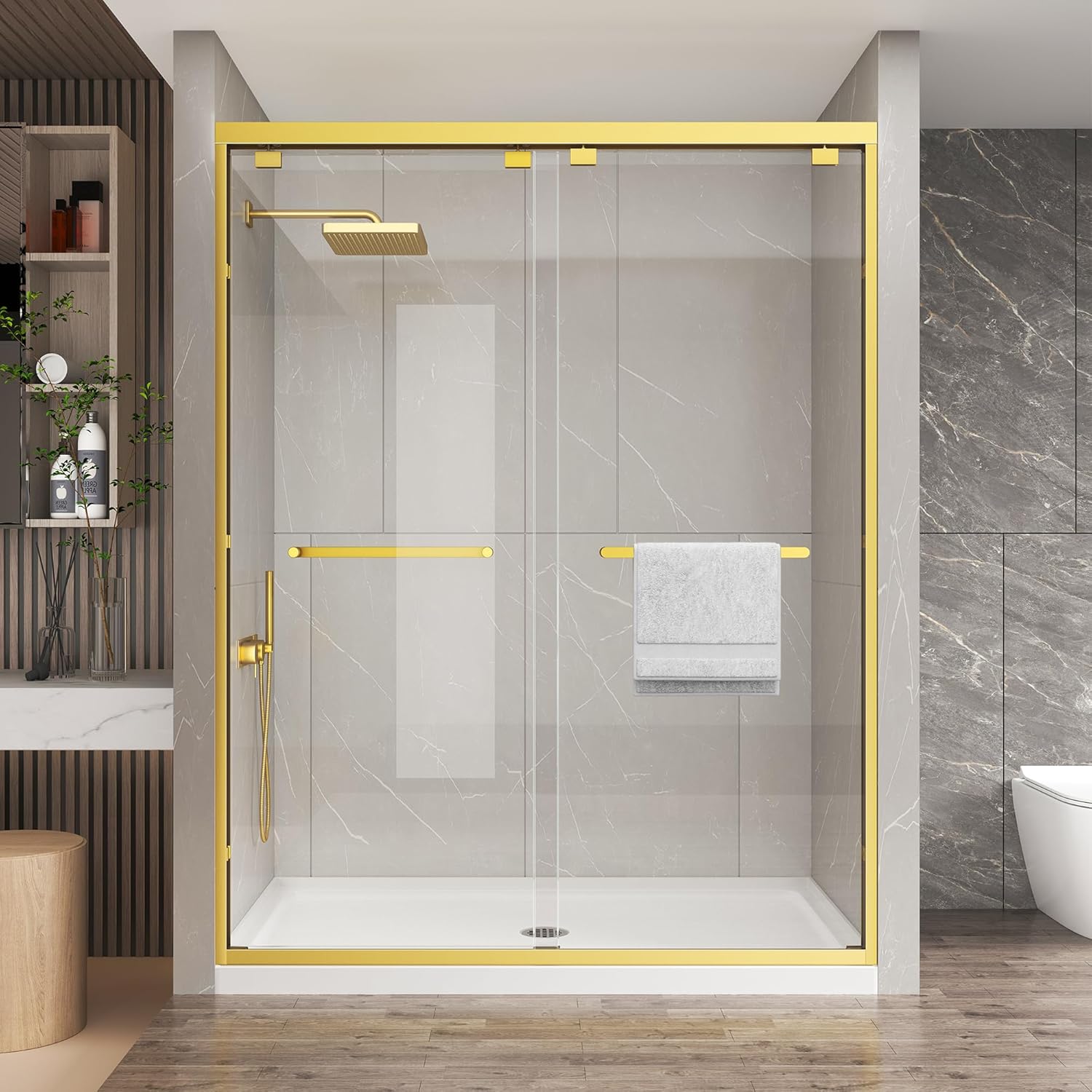
A lot of bathroom remodel plans get stalled by one simple decision: do you want a shower screen, or do you want a full shower glass panel setup? The two are related, but they solve different problems. One is usually a partial splash barrier for an open, walk-in feel. The other is a fixed glass wall that defines the shower opening and controls water more deliberately. The difference matters for layout, cleaning, and water containment.
The Short Answer
A shower screen is usually a partial glass barrier that blocks splash while keeping the shower open on one side. A shower glass panel is a fixed pane of glass used as the main wall or divider in the shower opening. In practical terms, screens are more open and minimalist, while panels are more structural in the layout and often provide better definition of the wet area.
What Each Term Means
In remodeling conversations, these terms get used loosely, but they are not always the same thing. A shower screen often refers to a short or partial fixed panel, especially in walk-in showers and wet-room style layouts. It may cover only the area where shower spray would escape most easily, leaving the rest of the entry open.
A shower glass panel is a fixed sheet of glass, usually taller and more purposeful in the layout. It may function as a side wall, an entry divider, or a splash shield in a larger enclosure. In many projects, the panel is part of a broader glass system rather than a stand-alone splash barrier.
That distinction matters because the installation goals are different. A screen is about limiting overspray while preserving openness. A panel is about shaping the shower footprint, directing traffic, and controlling how the opening works with the rest of the bathroom.
If you are comparing open-entry layouts, KPUY Shower Glass Panels are the more relevant collection to review because they fit fixed-panel planning and partial enclosure layouts.
Key Differences at a Glance
| Feature | Shower Screen | Shower Glass Panel |
|---|---|---|
| Main purpose | Splash control in an open layout | Fixed divider or wall element |
| Typical feel | More open and minimal | More defined and structural |
| Coverage | Partial barrier | Can be partial or full-height fixed glass |
| Best for | Walk-in showers, wet areas, tighter visual spaces | Open-entry showers, layout control, broader enclosure planning |
| Water control | Good for light to moderate spray control | Better when the opening needs a more deliberate barrier |
| Planning focus | Splash pattern, floor slope, entry width | Panel size, support, clearance, finished opening dimensions |
Measurement and Fit
Start with the finished opening, not the old product label. That matters more than homeowners expect, especially in remodels where tile thickness, backer board, and curb buildup change the final dimensions. A shower screen may tolerate a little more visual flexibility, but a fixed shower glass panel still needs accurate measurements for fit, support, and water control.
On real job sites, the opening often measures differently at the top, middle, and bottom. Older homes are especially prone to walls that are not perfectly plumb. A wall can be off by a small amount and still affect the glass enough to create uneven gaps or installation headaches.
Before ordering, check:
- Finished opening width at the top, middle, and bottom.
- Wall plumb from tile face to tile face, not just stud-to-stud.
- Threshold height and curb slope so water moves back into the shower.
- Tile thickness, especially if the waterproofing and wall finish are not yet complete.
- Hardware clearance near adjacent walls, fixtures, or trim.
A fixed panel is less forgiving than a loose visual concept. Even a clean-looking opening can become a problem if the floor is out of level or the curb is too narrow for stable mounting. If the shower base is being replaced too, the drain location and curb position should be confirmed before the glass plan is finalized. A base that fits the footprint still needs the drain to land in the right place.
Jobsite reality: a drain that looks centered to the old shower may not line up with the new shower base once the finished dimensions are measured correctly. That is the kind of issue that changes the whole sequence of work.
For homeowners still planning the base and the glass together, KPUY Shower Glass Panels are a useful reference point for fixed-panel layouts that depend on accurate finished measurements.

Installation Planning
The installation difference is just as important as the visual difference. A shower screen may mount with fewer contact points, but it still depends on solid support and proper sealing. A shower glass panel usually needs more exact planning because the panel acts as a fixed divider. That means wall anchors, stud locations, and support hardware matter a lot.
In a remodel, the rough opening may look generous before tile goes in and too tight after the walls are finished. That is why installation planning should happen after the wall build-up is known. If the tile is already installed, re-check the dimensions before placing any order.
- Measure the finished opening at three points: top, middle, and bottom.
- Check both walls for plumb and the floor for level.
- Confirm the curb width, curb slope, and threshold height.
- Locate studs or solid blocking where the glass or support arm will attach.
- Verify door swing clearance if the panel is part of a larger enclosure.
- Plan silicone sealing joints and water return points before installation starts.
- Review local plumbing and building code context if the shower layout is changing substantially; resources from IAPMO and ICC are useful starting points.
For a shower screen, the installer is usually working with a simpler splash-control line. For a glass panel, the installer has to think about structural support and how the panel interacts with other parts of the shower enclosure. If a fixed panel is paired with a doorway, the opening size has to allow comfortable entry without sending spray into the rest of the bathroom.
Silicone sealing is not a detail to save for the end of the project mentally; it should be part of the layout plan from the beginning. Water containment depends on how the panel meets the wall, the curb, and the finished floor. A beautiful layout still fails if the water path is not controlled.
Water Control and Code Considerations
Many homeowners assume the main difference is appearance, but water control is usually the real deciding factor. A shower screen handles overspray at the entry. A shower glass panel can do that too, but it often does more by shaping the shower zone and reducing how far spray can travel in a walk-in layout.
That said, an open-entry shower is still an open-entry shower. If the spray pattern is strong or the shower head is aimed poorly, even a large panel may not stop every splash. Placement matters. So does the slope of the shower floor. A properly pitched base is doing part of the work long before the glass goes in.
Safety and code awareness also matter. Shower glass should be tempered and installed with appropriate hardware for the application. For homeowners planning around safety and bathroom layout, the CPSC and NKBA are useful references for general bathroom safety and planning principles.
Here are a few practical field points to keep in mind:
- Glass thickness affects the feel of the installation and the hardware clearance.
- Out-of-plumb walls can create visible gaps if not accounted for early.
- Uneven floors can make a fixed panel look crooked even when the wall is correct.
- Threshold height should support water containment without creating an awkward step.
- Drain location should be verified before finalizing any fixed-panel layout.
Remodeling also changes the surrounding room. A panel that fits on paper may still interfere with a nearby vanity edge, towel bar, or toilet paper holder once installed. That is why the shower opening should be planned with the full room layout in mind, not just the wet area.
When to Choose Each Option
The better choice depends on how you use the shower and how much enclosure you want. There is no universal winner. The right answer is the one that fits the room, the water pattern, and the day-to-day use of the bathroom.
Choose a shower screen if:
- You want a more open visual feel.
- The shower is used in a layout that already has good floor slope and drainage.
- You want a simple splash barrier without closing off the space.
- You are working with a walk-in concept where openness matters more than full enclosure.
Choose a shower glass panel if:
- You need a fixed divider that defines the shower entry.
- You want stronger water control at the splash point.
- Your layout includes a wide opening or a partial enclosure.
- You are planning a more deliberate shower zone with precise finished dimensions.
Design trends in 2026 continue to favor cleaner shower lines, better natural light, and tighter coordination between tile, glass, and hardware. That does not mean every bathroom should be open or frameless. In a smaller bath, a well-placed fixed panel can preserve light while still containing water where it belongs.
In a larger remodel, the difference may come down to comfort. Some homeowners prefer the openness of a screen. Others want the more grounded feel of a fixed panel that visually organizes the room. Both can work well if the measurements and shower floor are correct.
For layouts where the glass itself is the main design element, KPUY Shower Glass Panels fit the planning stage better than a general shower enclosure search because they focus on fixed-panel configurations.

Frequently Asked Questions
Is a shower screen the same as a shower glass panel?
Not always. A shower screen usually means a partial splash barrier in a walk-in or open-entry shower. A shower glass panel is a fixed pane that may function as a wall, divider, or larger enclosure element. The terms overlap in casual use, but the installation purpose is different.
Which is better for a small bathroom?
It depends on the layout. A shower screen can make a small bath feel more open, while a glass panel can better control water in a compact shower. If the opening is tight and the floor drain and slope are right, a fixed panel often gives a cleaner result without making the room feel closed in.
What should I measure before ordering?
Measure the finished opening at the top, middle, and bottom. Also check wall plumb, curb width, threshold height, and the distance to nearby fixtures. If tile is not finished yet, include the planned tile thickness so the final size is accurate.
Final Takeaway
The difference between a shower screen and a shower glass panel comes down to function, not just appearance. A screen is mainly a splash barrier in a more open shower. A glass panel is a fixed layout element that helps define the shower space and control water more intentionally. The better choice depends on your opening size, wall condition, floor slope, and how much enclosure you need.
Before you order, measure the finished opening, check for out-of-plumb walls, confirm drain placement, and think through the full room layout. If you are planning a fixed-panel shower, the KPUY Shower Glass Panels collection is the most relevant place to start reviewing layout options for your remodel.

Leave a comment
All comments are moderated before being published.
This site is protected by hCaptcha and the hCaptcha Privacy Policy and Terms of Service apply.