
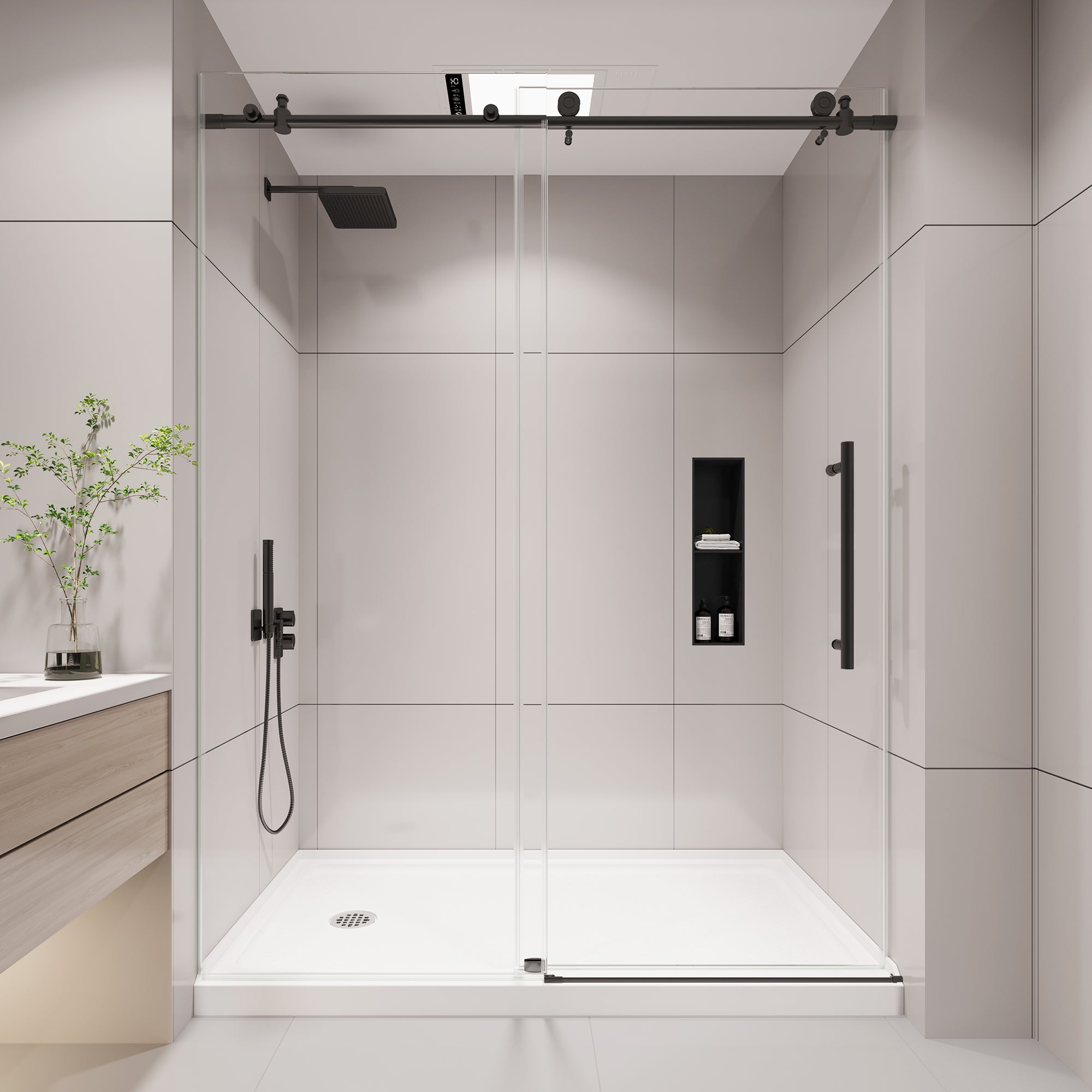
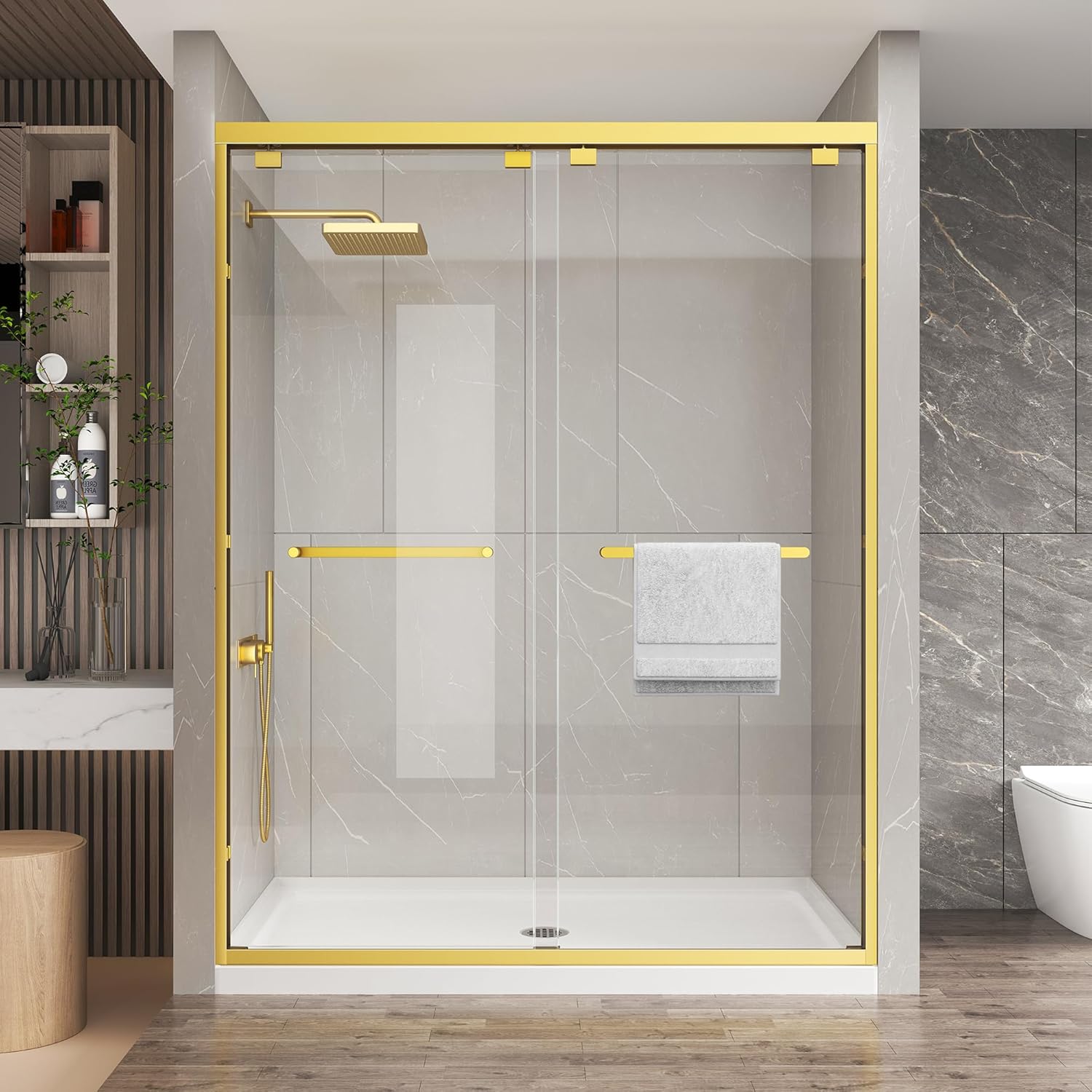
A shower door replacement usually becomes necessary when the old door no longer closes cleanly, the hardware is corroded, the opening has shifted after tile work, or the bathroom layout no longer fits how the space is used. The right replacement depends less on the old door style and more on the finished opening, wall plumb, clearance around the vanity or toilet, and how much water containment the shower needs.
The Short Answer
Replace a shower door when it no longer seals correctly, binds on the floor or wall, shows hardware wear, or no longer matches the finished opening after tile or shower base changes. Choose the style based on clearance and use: sliding doors for tight spaces, pivot doors for wider openings with swing room, and frameless or fixed-panel layouts for a cleaner look and more precise sizing.
When a Shower Door Should Be Replaced
Most homeowners start thinking about replacement because of a leak, but the real trigger is often fit. A shower door can look fine on the outside and still be wrong for the opening. If the door drags, gaps widen at the latch side, the bottom seal is torn, or water escapes at the threshold, the assembly is usually at the end of its practical life.
Replacement also makes sense during a remodel. New tile adds thickness. A new shower base changes curb height and drain location. Even a small shift in finished wall dimensions can turn a workable opening into one that needs a different door style. Older homes often have walls that are not perfectly plumb, so the top, middle, and bottom of the opening can measure differently.
Another common reason is layout change. A pivot door may have worked before, but a new vanity, towel warmer, or toilet location can make swing clearance a problem. In a tighter bath, a sliding layout often solves the clearance issue without giving up access.
Common signs the door is no longer the right fit
- The door scrapes tile or the floor as it opens.
- Water escapes even after the seals are replaced.
- Hardware loosens because anchors are pulling out or the wall is no longer sound.
- The opening was changed during demolition, retile, or shower base replacement.
- The glass is outdated, damaged, or lacks the safety performance expected in a remodel.
What to Measure Before You Order
Start with the finished opening, not the old product label. A shower door is sized to the actual finished space, not the rough opening behind the walls. That means measuring after tile if the wall surface is changing. If the shower already exists, check the opening at three points: top, middle, and bottom. Record all three numbers because an out-of-plumb wall can narrow or widen the gap enough to affect fit.
For replacement planning, the most useful measurements are:
- Finished width at the top, middle, and bottom of the opening.
- Finished height from the top of the threshold or curb to the intended top rail or glass height.
- Wall condition, including plumb, tile thickness, and whether the wall is flat enough for secure anchors.
- Clearance for swing doors, handles, hinges, or sliding panels.
- Threshold and curb detail, including slope for water containment.
A jobsite reality: a shower opening may measure differently at the top, middle, and bottom by more than a quarter inch in an older home. That difference can matter, especially with frameless or fixed-glass layouts that depend on tighter tolerances.
Why the base and walls matter as much as the door
If the shower base is being replaced, confirm the drain location before ordering the door. A base that fits the footprint still needs the drain to land in the right place. Curb slope matters too. The threshold should shed water back into the shower, not toward the bathroom floor. If the curb is too low or uneven, even a well-fit door may not control splash well enough.
For homeowners comparing base options during a full remodel, KPUY Shower Bases can be a useful starting point for thinking through drain placement and threshold planning before the door is selected.
Which Door Style Fits the Space
The best replacement style depends on how the shower is used every day. Don’t choose based only on appearance. A door should match the opening, the traffic pattern, and the amount of swing room available in the bath.
| Door Style | Best For | Main Advantage | Main Limitation |
|---|---|---|---|
| Sliding | Tight bathrooms, alcove showers, limited swing clearance | Saves floor space outside the shower | Track alignment and overlap must be accurate |
| Pivot | Wider openings with open clearance in front of the shower | Simple access and clear entry | Needs room for the door to swing |
| Frameless | Modern remodels with precise finished dimensions | Clean look with less visual bulk | Requires accurate walls, anchors, and measurements |
| Fixed panel | Walk-in layouts and splash-controlled open entries | Minimal hardware and easy access | Depends on floor slope and spray direction |
Sliding doors usually work best where toilet, vanity, or cabinetry leave very little swing room. They are also practical in alcove showers because the panels move within the footprint. The tradeoff is that the track and rollers must be aligned correctly, and the opening needs enough width to make entry easy.
Pivot doors are a better choice when the bath has room for the door to swing outward or inward without hitting anything. They offer straightforward access, but they demand real clearance. A vanity drawer may clear the room on paper and still hit the door casing or handle once the door opens.
Frameless systems are often chosen in remodels that focus on clean lines and reduced visual clutter. They can work very well, but they depend on a more accurate finished opening and solid wall support. Glass thickness, hinge load, and hardware clearance matter more in frameless setups than many homeowners expect.
For homeowners who are comparing glass-door layouts and want to understand movement types, KPUY Shower Doors is the most relevant collection to review once the opening and swing needs are clear.
Installation Factors That Change the Choice
A shower door replacement is not just a glass decision. It is a finished-opening, tile, and hardware decision too. A contractor will look at the wall surface, the curb, and the anchor locations before locking in a style. Homeowners should do the same.
- Wall anchors and studs: Hinges and support bars need secure attachment points. Hollow spots behind tile can require different planning.
- Tile thickness: New tile or backer can reduce the finished opening width enough to affect the door size.
- Uneven floors: If the floor pitches outside the shower, a bottom rail or threshold detail may need adjustment.
- Silicone sealing: Joints at the wall, threshold, and fixed panel areas need clean sealing for water containment.
- Hardware clearance: Handles, hinges, and towel bars must clear adjacent fixtures and walls.
In many remodels, the biggest surprise comes after demolition. The old door may have hidden a bowed wall, a threshold that was not level, or tile buildup that changed the actual opening. That is why finished measurements matter more than rough estimates from the old door frame.
Plumbing and code details also affect the broader project, especially if the shower base, drain, or wet-area layout changes. For general planning and code context, the IAPMO and ICC resources are useful references. They are not a substitute for local requirements, but they help frame the kind of details that matter during a bathroom remodel.
Visualizing the Remodel

If the project is part of a full bath refresh, the door choice should stay in step with adjacent fixtures. A shower door that opens into a vanity area can work on paper and still feel cramped in daily use. Lighting, mirror placement, and cabinet clearance all influence the final experience.

Pre-Order Planning Steps
Before you order a replacement door, walk through the room like an installer would. That means checking what the door will hit, what the wall can support, and whether the shower entry still works with daily use.
- Measure the finished opening at the top, middle, and bottom.
- Check the curb or threshold height and note any slope back into the shower.
- Confirm the drain location if the shower base is being replaced.
- Verify that nearby fixtures leave room for the door to swing or slide.
- Inspect wall surfaces for plumb, flatness, and solid anchor points.
- Decide how much water containment you need based on showerhead position and spray pattern.
- Review glass thickness, hardware finish, and handle clearance together.
- Confirm whether tile, waterproofing, or subfloor work will change the final dimensions.
If the remodel includes other upgrades, such as storage or lighting, plan them at the same time. Cabinet placement and outlet locations can affect shower access more than homeowners expect. In some baths, a simple drawer pull or vanity door can become a clearance issue once the new shower door is installed.
Bathroom planning resources from the NKBA can help frame layout, clearance, and comfort considerations during the design phase. That matters most in bathrooms where the shower door is part of a larger layout change rather than a simple swap.
Frequently Asked Questions
How do I know if I need a sliding or pivot shower door?
Use sliding if the bathroom is tight or if a swinging door would interfere with a vanity, toilet, or entry path. Use pivot if there is enough clearance for the door to open fully without hitting anything. Measure the space outside the shower before deciding. The best choice is the one that fits the room’s real traffic pattern.
Should I measure before or after new tile is installed?
Measure after tile if the wall surface will change. Tile thickness can reduce the opening and change the finished dimensions enough to affect the fit. If you measure too early, the door may arrive undersized or oversized once the walls are finished. Always base the order on the finished opening, not the rough wall framing.
Can I replace just the door without changing the shower base?
Yes, if the base is still sound, drains correctly, and has a threshold that works with the new door. The opening still needs to be checked carefully because the old door may have been fitted to a different seal profile or hardware layout. If the base has movement, cracking, or poor slope, that should be addressed first.
Before You Choose
The right shower door replacement starts with the finished opening and ends with clearance, water control, and installability. If you are working with a tight bath, a sliding layout is often the practical answer. If the room has more space and you want easier access, a pivot or frameless option may fit better. If the project also includes a new shower base, handle those measurements together so the door and base align as a system.
For homeowners planning the shower side of the remodel, reviewing KPUY Shower Doors after the measurements are confirmed can help narrow the style without overcomplicating the decision. Start with the opening, confirm the clearance, and let the bathroom layout decide the door style.

Leave a comment
All comments are moderated before being published.
This site is protected by hCaptcha and the hCaptcha Privacy Policy and Terms of Service apply.