
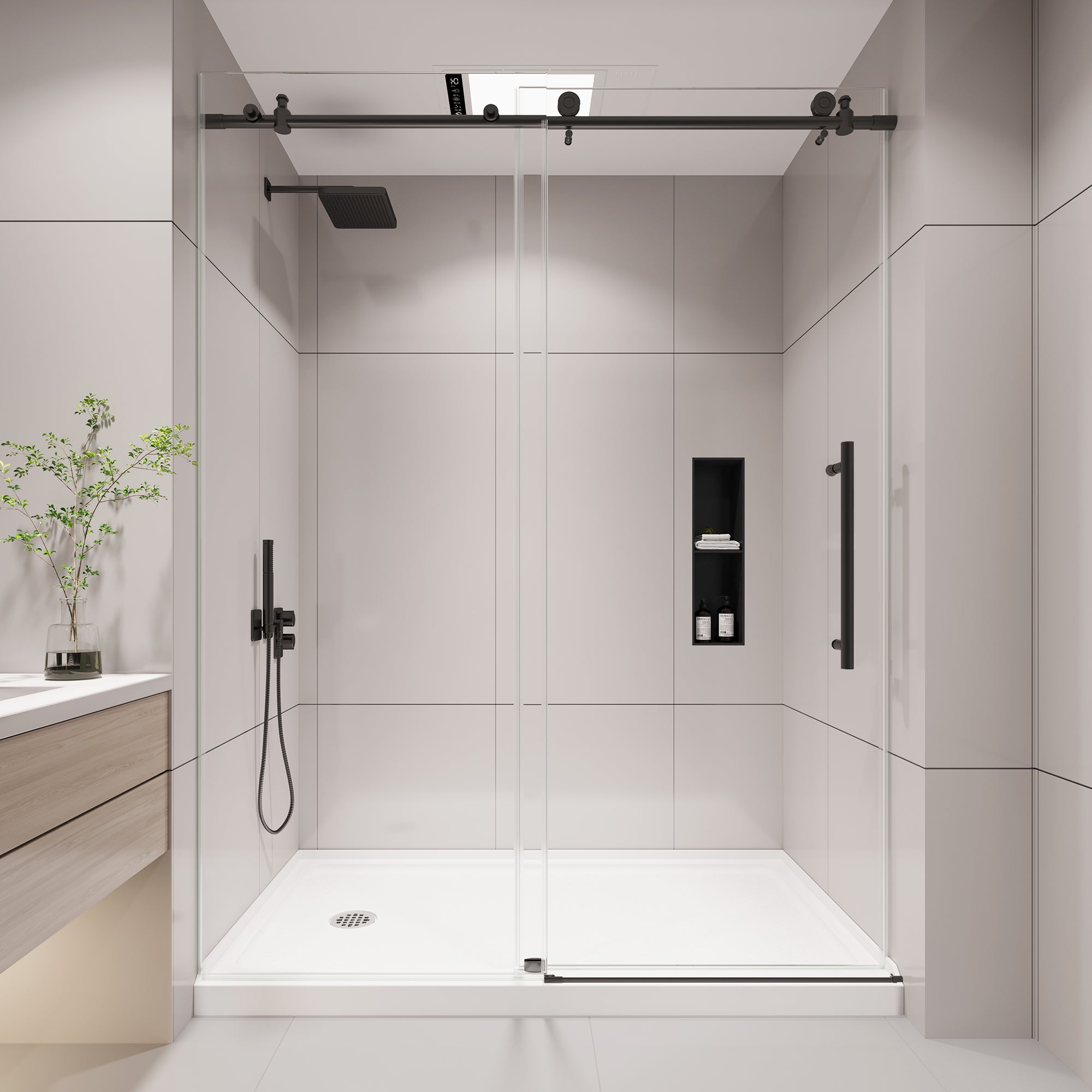
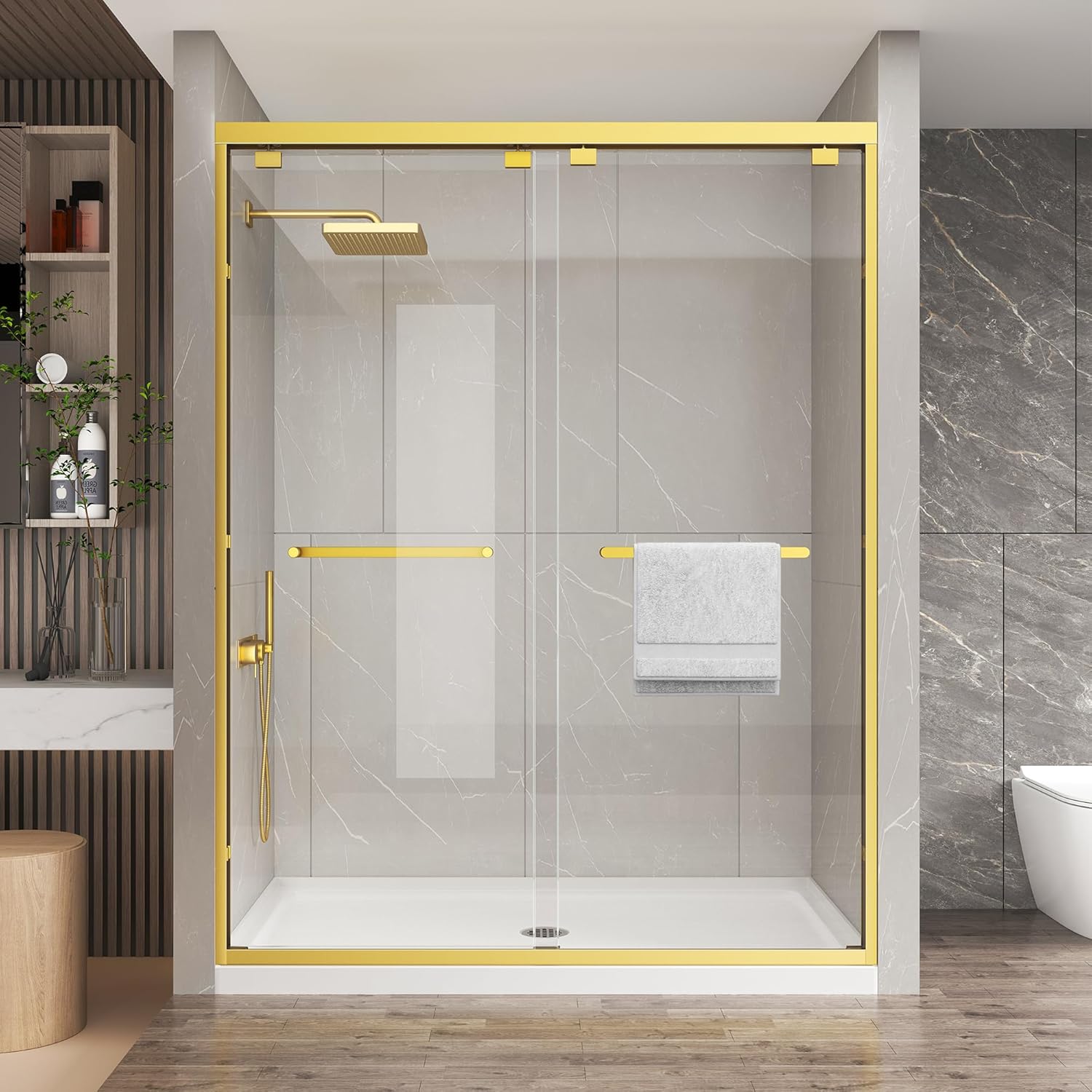
Every homeowner thinks a shower base is just a tray until water starts pooling at the threshold or grout cracks after a winter. For 20+ years I’ve been installing and inspecting square shower bases in remodels and new builds across the U.S. — and practical daily-use issues usually come down to a handful of measurable details: drain location, slope, threshold height, surface texture, and how the base ties into out-of-plumb walls and the finished glass. This article breaks down the features that matter most in everyday use, backed by field-tested tolerances and code-aware recommendations you can use when planning or inspecting a bathroom project in 2026.
Key Shower Base Details That Matter
Start with the basics: square shower bases are only as good as how they manage water day after day. Below are the specific features I look at on every install. These are not aesthetic niceties — they determine whether the shower will keep the floor dry, be safe to use, and last without expensive callbacks.
- Drain location and type — center, off-center, and linear drains each behave differently with square pans. Drain center distance affects tile layout and trap access.
- Slope — proper slope prevents ponding. Standard is 1/4" per foot toward the drain for mortar beds; prefabricated pans need uniform internal slope within tolerance.
- Threshold height and curb slope — controls water containment and accessibility; important for curb-less designs and ADA-adjacent transitions.
- Surface texture and slip resistance — daily safety; look for certifiable slip ratings if you have elderly household members.
- Flange and waterproofing detail — a flange-to-wall connection that ties into the waterproofing plane prevents hidden leaks.
- Edge finish and tile bullnose allowance — affects how tile and glass meet the base and whether grout lines are protected.
- Material durability — solid acrylic, fiberglass-reinforced, cast stone, and composite pans wear differently under household chemicals and heavy traffic.
Here’s a compact table I use on job sites to compare bases at a glance.
| Feature | Why it matters | Field Tolerance / Typical Spec |
|---|---|---|
| Drain location | Impacts plumbing rough-in, tile layout, and trap access | ±1/2" placement tolerance; 2" drain standard |
| Slope | Prevents pooling; affects feel underfoot | 1/4" per foot (mortared) or factory slope within ±1/16" |
| Threshold height | Water containment vs accessibility balance | 2"–3" typical curb; 1/2"–3/4" for low-threshold pans |
| Surface texture | Slip resistance and wear | Chemically textured; meets ADA slip guidance when required |
Tempered glass thickness for doors that sit on or near the base is a related consideration: for standard hinged or sliding doors expect 3/8" (10 mm) or 1/2" (12 mm) depending on door height and track. Also remember ANSI Z97.1 covers safety glazing standards — glass must be tempered and labeled.
Quick Answer: What Matters Most (Snippet)
Short answer: For daily use, the most critical details are proper slope to the drain, correct drain location for the rough-in, a secure waterproof flange connection to the wall, an accessible threshold height, and a slip-resistant surface. If those five are right, the base will perform reliably.
Installation Tolerances & Field Issues — Real-World Tips
On the job site you’ll find conditions that make the ideal install tricky. I’ve remodeled dozens of 1950s–1990s homes where walls are out-of-plumb, old framing isn’t square, or the subfloor has sag. Here are practical tolerance and correction notes I give to homeowners and installers:
- Out-of-plumb walls: Expect up to 3/4" variance over a 48" height in older homes. That will change how your glass meets the base and where you need shims or tapered jambs.
- Rough-in dimensions: Confirm drain center to finished wall; if the rough-in is off by more than 1/2", either the drain assembly or the base may have to be modified.
- Subfloor flatness: For solid performance, subfloor deflection should be minimized — I look for no more than L/240 under live load in wet areas; otherwise reinforce the framing.
- Curb slope: A properly formed curb should slope slightly toward the pan (about 1/8"–1/4") so water runs back in, not out.
- Glass clearance: Leave a planned gap for sealant and thermal expansion — usually 1/8"–3/16" between glass and finished tile or curb.
I once replaced a failing acrylic base in a 1930s bungalow. The previous installer had cut corners: the drain offset missed the trap by 1-1/4" and the wall studs were 1" out of plumb. Fixing it meant opening the subfloor, reinstalling a centered 2" trap, and using a slightly thicker mud bed to restore correct slope — a two-day fix that prevented constant puddling.
Key code references and standards I check before every job include the IPC/UPC for plumbing rough-in requirements and the NKBA guidelines for shower ergonomics and safety. For more on industry recommendations see the National Kitchen & Bath Association guidance and International Code Council resources.
NKBA standards and planning guides and International Code Council resources are useful references for installers and informed homeowners.
Homeowner Pre-Install Checklist — What to Confirm
Before purchase or install, verify these items. I hand this list to clients so they know what I’ll be checking on install day.
- Drain center — Confirm distance from finished wall and floor thickness. Ask for as-built dimension from plumber.
- Threshold requirement — Decide on standard curb or low-threshold. Confirm measurement from floor and hallway transitions.
- Waterproofing plan — Expect either a factory flange tied into membrane or a mud bed with pan liner; get the method in writing.
- Glass door plan — Door swing, thickness, and sill detail affect base selection. Consult tempered glass specs (ANSI Z97.1).
- Slip rating and finish — Ask for slip resistance data if safety is a concern.
- Service access — Can the drain be removed or is the trap accessible from below? This affects long-term maintenance.
Practical tip: if you're pairing a preformed base with a frameless glass door, measure the finished tile thickness and allow an extra 1/8"–1/4" at the glass door location so the glass doesn't bind or cause gaps that leak.
Product and Code Resources
When selecting a preformed pan, match the base to the drain type and installation method. Preformed pans reduce installation time but require accurate rough-ins and careful sealing at the walls. If you want to review commonly used preformed options, see KPUY Shower Bases for examples of how dimensions, drain patterns, and curb heights vary.
Remember: no matter the base you choose, the best outcome combines a correct rough-in (plumbing), a level flat subfloor, and a tight waterproofing tie-in. Those three together are what save homeowners headaches later.
Frequently Asked Questions (People Also Ask)
How much slope should a square shower base have?
Industry standard for a mortar bed is 1/4" per foot toward the drain to prevent standing water. Factory pans should achieve an internal slope equivalent to that, typically within ±1/16". Verify by running a water test before finishing the walls.
Can I use a preformed base with out-of-plumb walls?
Yes, but expect to shim and pack the mounting flange and use tapered jambs or extra backer board to square the shower opening for glass. If the variance exceeds 1/2" over the opening height, plan for custom glass trimming or a thicker transition detail.
What drain size is standard for shower bases?
Most residential shower drains are 2" NPS. If the site uses an older 1-1/2" or nonstandard trap, correct it during rough-in — a 2" drain gives more tolerance for debris and maintenance.
Wrap Up
For daily use, focus on the functional details: drain placement, slope, threshold height, waterproofing flange, and a slip-resistant surface. Those five will determine whether your shower stays dry, safe, and durable. If you're planning a remodel, confirm rough-in measurements, subfloor flatness, and glass specs before buying a base. If you want to compare preformed options or check sizing for your project, review the KPUY Shower Bases collection to match drain locations and curb heights to your jobsite conditions.
If you'd like, I can walk you through a quick on-site checklist tailored to your house: rough-in dimensions, wall plumb, and threshold preferences — message details and we'll go over what to check before ordering materials.

Leave a comment
All comments are moderated before being published.
This site is protected by hCaptcha and the hCaptcha Privacy Policy and Terms of Service apply.