
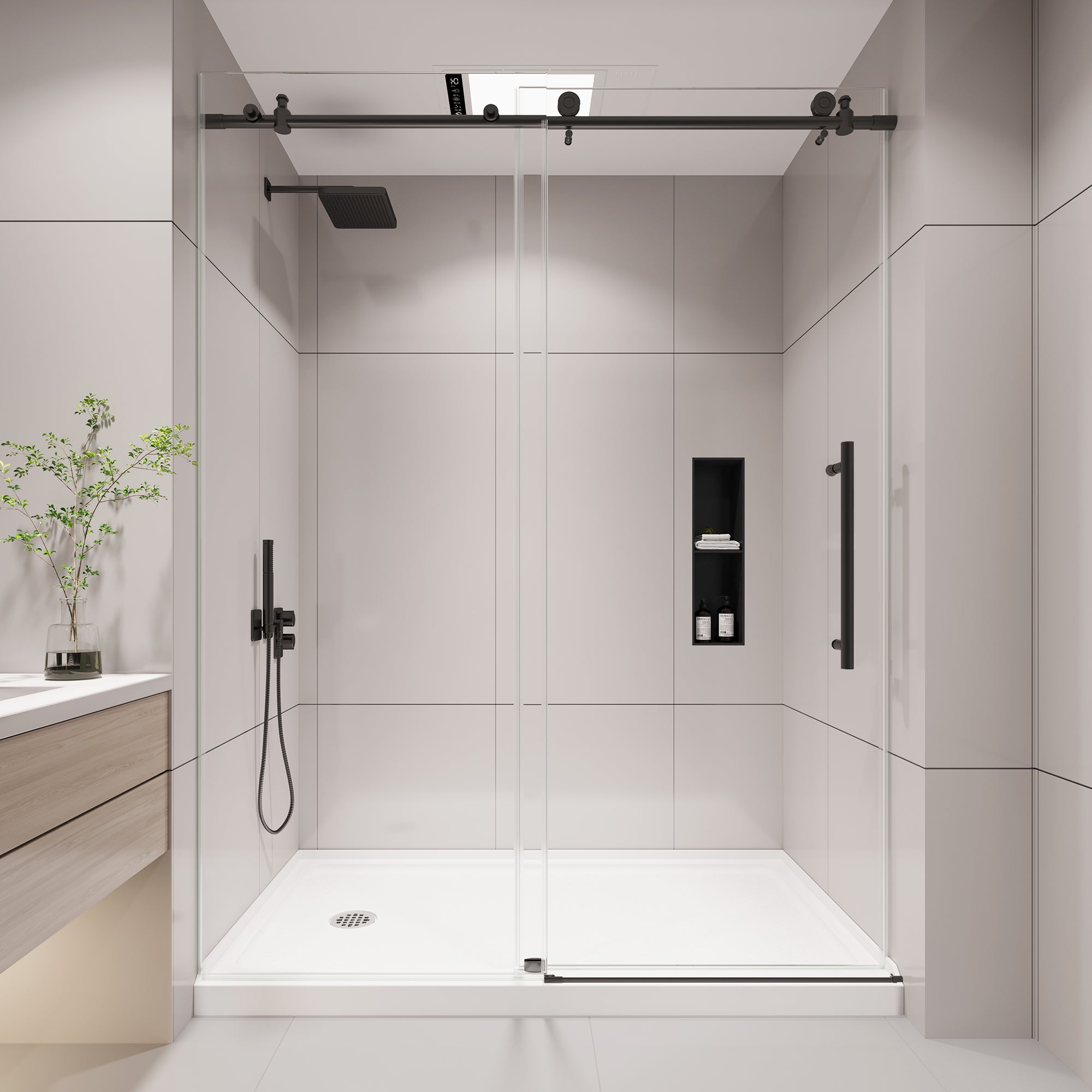
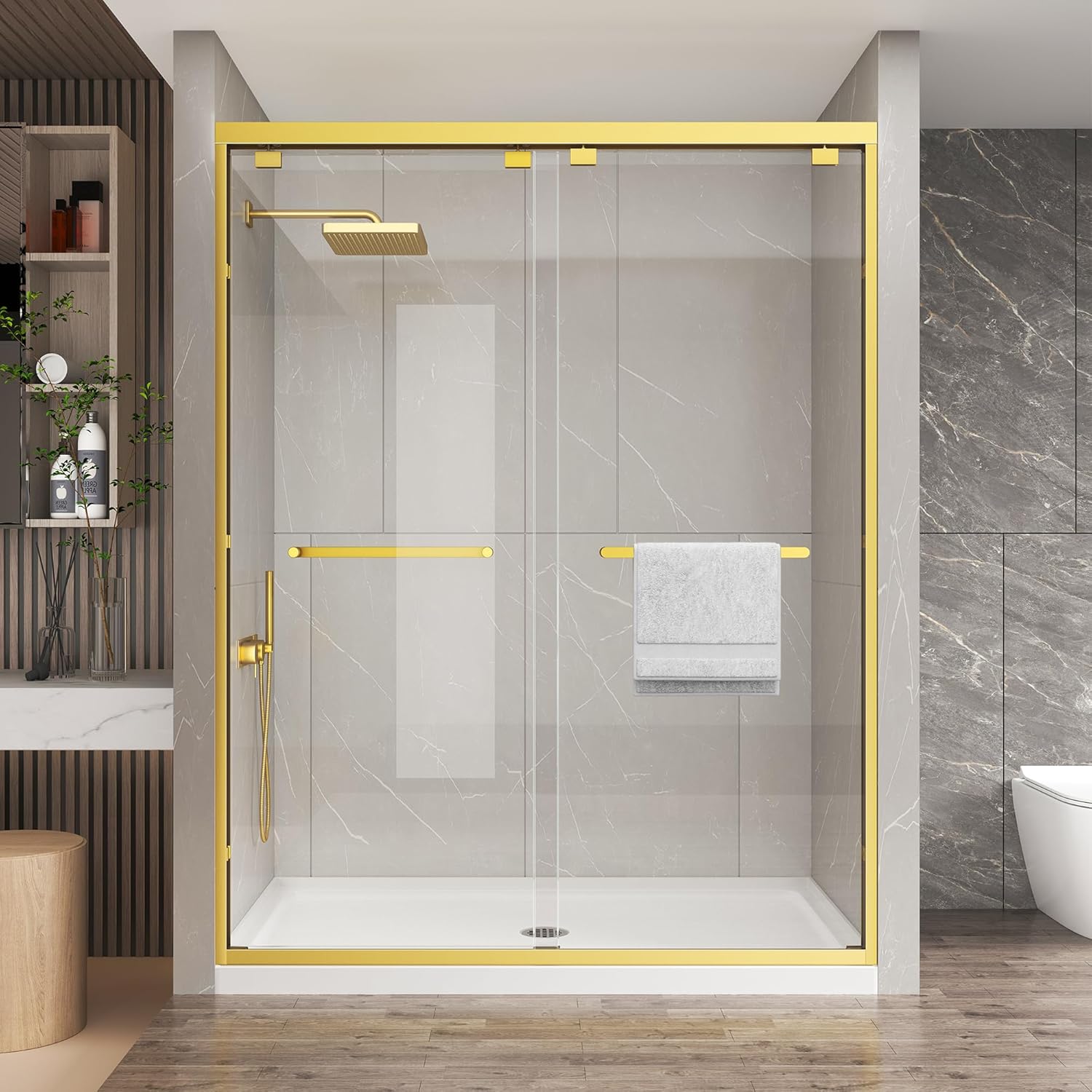
Wet room screens are becoming a top choice for modern American bathrooms because they deliver an open, accessible shower without the visual bulk of a full enclosure. As a contractor with 20+ years installing showers, I see homeowners choosing wet room screens for universal design, easy cleaning, and the minimalist aesthetic that’s strong in 2026 trends. The real questions I get on job sites: how do you stop water, what glass thickness do I need, and how do you deal with out-of-plumb walls and drain slope? This article gives direct, field-tested answers so you can plan a wet room that performs.
Short answer
A wet room screen is a partial or full-height glass panel that separates a shower or wet zone from the rest of a bathroom without creating a full glass door or framed enclosure. It controls spray while keeping the shower visually open; typical installations use tempered safety glass and are integrated with a properly sloped floor or linear drain system.
What is a wet room screen?
Think of a wet room screen as a functional divider. Instead of a swinging door or framed shower stall, you get one or more fixed glass panels that stop direct spray, protect fixtures and keep the rest of the floor mostly dry. On remodels I install everything from a single 36" fixed panel to multi-panel layouts with a half wall plus glass. They can be mounted to the finished floor, a low curb, or to a metal channel anchored to the wall.
Why homeowners pick screens:
- Open sightlines and better light — useful in smaller bathrooms.
- Accessible, curbless configurations for aging-in-place.
- Easier cleaning: fewer tracks, fewer moving parts.
Wet room screens are compatible with modern wet-room floors, linear drains and tile transitions, and they often pair with Bathroom Screens collections when you're shopping for a ready-made solution.
Types, glass specs, and standards
There are three common wet room screen types:
- Fixed single-panel screens mounted to the floor and wall.
- Partial screens with a half-height wall or knee wall plus glass.
- Multi-panel configurations that use clamps and posts to create corners.
Material and safety notes every homeowner should know:
- Tempered glass is mandatory for shower applications — that’s non-negotiable. Typical thickness ranges: 8mm (5/16") to 10mm (3/8") for free-standing wet room screens. Thicker glass (12mm / 1/2") may be used for very tall panels or long unsupported spans.
- Safety glazing standards like ANSI Z97.1 apply to shower glass—look for compliant glass and certified hardware. The CPSC and other safety resources explain these requirements in more depth (CPSC).
- Hardware choices: channel base, floor-mounted patch fittings, or glass-to-wall clamps. Each has distinct anchor and substrate requirements.
| Glass Thickness | Common Use | Recommended Max Width |
|---|---|---|
| 6mm (1/4") | Short panels, low-height splashes | 24" single panel |
| 8mm (5/16") | Standard wet room screens | 36" single panel |
| 10mm (3/8") | Taller or wider panels, frameless installs | 48"+ with clamps/posts |
Site prep: slope, rough-in and out-of-plumb walls
Good wet room performance starts under the tile. The floor must be sloped to a drain at 1/4" per foot (that’s the standard recommendation for tile floors toward a linear or center drain). For curbless entries, the floor transitions outside the shower need a small bevel or ramp — I commonly build a 1/2" by 24" ramp where tile meets bathroom floor to keep water back.
Rough-in and coordination notes for installers:
- Identify the drain location early — it drives the slope and tile layout.
- Decide whether the screen will mount to tile, a curb, or a metal channel before setting the tile. Anchors and sill channels need solid backing at framing or a block-out in the floor.
- Plumbing rough-ins for valve bodies should be 2-3" behind where the glass plane will sit to avoid clashes with glass clamps or channels.
Out-of-plumb walls are the rule, not the exception, especially in houses built before 2000. On one 1920s remodel I measured 3/8" of bow over a 6-foot wall — too much to rely on glass-to-wall gaskets alone. In those cases I used adjustable wall channels and shimmed the channel to provide a consistent gap for the silicone bead and to keep the glass truly vertical. Always leave room for up to 1/4" adjustment at the field bend points.
Installation tolerances and real jobsite notes
Field tolerances matter. Here are practical numbers I use on every job:
- Wall plumb tolerance: plan for up to 3/8" variance over 6–7 feet. Use adjustable wall channels or glass shims to absorb this variance.
- Glass clearance: provide a minimum 1/8" gap to adjacent walls or stationary panels for sealant and thermal expansion; increase to 3/16" for long runs over 48".
- Floor-to-bottom-of-glass: keep it 1/8" to 1/4" above tile to allow sealant; if you use a channel, follow manufacturer specs for grout and drainage.
- Mounting tolerances: anchor bolts and patch fittings typically require +/-1/16" alignment; pre-drill and use templates to hit those tolerances.
Real-site tip: order the glass after tile and floor transitions are set when possible. On remodels with existing tile, measure the installed finish dimensions and allow for 1/8"–3/16" clearance from tile edges. If you order glass too early, you’ll regret it—walls settle, tiles vary, and glass is one of the most expensive change orders.
Water containment strategies
A wet room screen doesn’t make the shower waterproof by itself. It works with floor slope, drain capacity, and splash management:
- Direct water: position the screen so high-velocity spray hits tile, not the bathroom floor.
- Use a curb or recessed channel where appropriate: a low 1.5" curb under the glass makes a big difference in splash control if a curbless floor isn’t possible.
- Choose hardware with drip rails or bottom seals when the screen sits next to a vanity or doorway.
For high-flow rainheads or body sprays I usually recommend either a full-width screen or a hybrid configuration (short wall + glass) to protect the rest of the room. For subtle shower heads, a single 36" glass panel often does the job.
Cost, timeline and decision checklist
Here’s a quick cost and schedule table reflecting typical U.S. single-bath remodels (prices approximate and vary by city):
| Item | Typical Cost Range | Typical Time |
|---|---|---|
| Single fixed tempered glass screen (8mm) with basic clamps | $400–$900 | 1 day install (after tile) |
| Custom frameless wet room system (10mm) with channels and post | $900–$2,500 | 1–2 days install (glass fab lead time 7–14 days) |
| Curbless floor prep with linear drain (labor + materials) | $1,200–$4,000 | 2–5 days |
Decision checklist before you order glass:
- Confirm final tile and floor slope are installed.
- Verify wall plumb and note any shimming needs.
- Decide where the structural blocking will be for anchors.
- Choose hardware finish and threshold detail (channel, clamp, patch).
Note: glass fabrication lead times are often 7–14 business days. Plan the order to arrive after tile is set but with enough time to inspect the glass and hardware before final anchoring.
FAQ
How wide and tall should a wet room screen be?
The size depends on the shower layout and water fixtures. A common dimension is a 36" wide by 72" tall panel for a single shower head. For wider showers or heavy-flow heads, use wider or multiple panels. Always measure from finished tile to finished tile and allow for installation gaps of at least 1/8".
Do wet room screens need tempered glass and what thickness?
Yes. Tempered glass is required in shower areas for safety—look for compliance with safety glazing standards. Standard wet room screens typically use 8mm (5/16") or 10mm (3/8") tempered glass. Taller panels and long unsupported spans should use thicker glass or additional supports.
Can I install a wet room screen on an older, out-of-plumb wall?
Yes, but expect extra work. Plan for adjustable channels and shims. On older houses you should allow for up to 3/8" bow over 6–7 feet and schedule time for site measurement and custom fabrication. I always recommend ordering one measured set after tile is installed.
For best design guidance and product options, industry resources like the National Kitchen & Bath Association are useful to review (NKBA).
Final notes
Wet room screens give you a clean, accessible shower solution when installed with the right attention to floor slope, glass selection, and mounting tolerance. As a contractor, I always emphasize measuring after tile, using tempered glass that meets safety standards, and planning for out-of-plumb corrections. If you’re comparing screens, look at hardware quality, tempered glass thickness, and whether the system accommodates the drain and curb strategy you’ll use.
If you want to browse typical wet room screen styles and hardware options, check product collections for specification ideas like the Bathroom Screens selection. When you’re ready to move from planning to install, get a contractor to verify drain location, floor slope, and glass mounting points on-site—those checks prevent the common change orders I see on remodels.

Leave a comment
All comments are moderated before being published.
This site is protected by hCaptcha and the hCaptcha Privacy Policy and Terms of Service apply.