
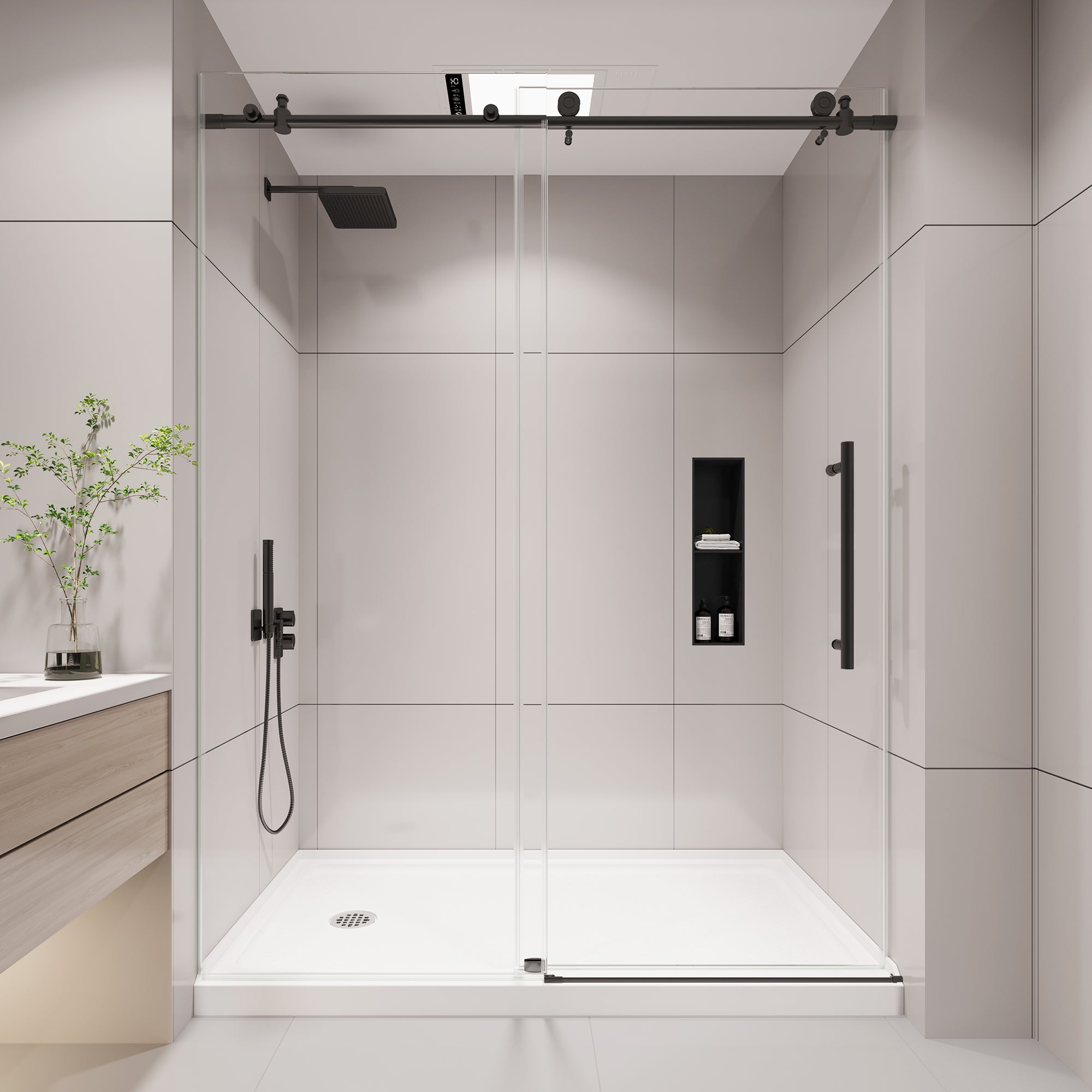
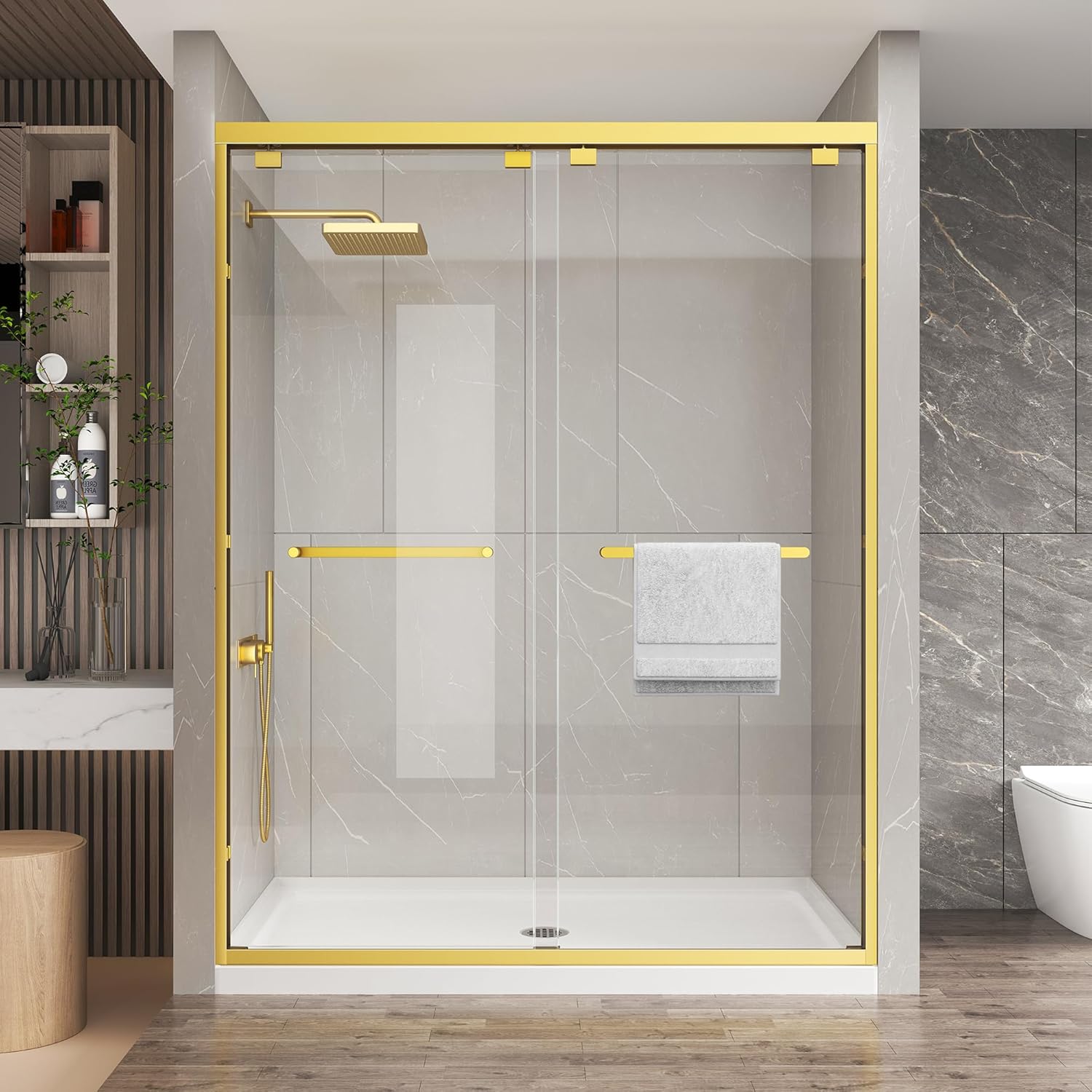
If you’re planning a sliding shower door install or replacement, you already know the headline items: glass type, track style, and whether the opening will swing or slide. What most homeowners and even DIY guides skip are the dozen small details that make the door function every day without leaks, noise, or premature wear. After 20+ years renovating bathrooms across the U.S., I’ll walk you through the specific items that typically get overlooked—and how to avoid costly callbacks.
Quick Answer
Short answer: The things that most often get missed are wall plumb, threshold slope, correct glass thickness and tolerances, proper sill sealing, and track alignment tied to floor/wall movement. Fix those and your sliding door will run quiet, drain cleanly, and seal properly for years.
Common Overlooked Details
Below are the items I see skipped on jobsites—each is small on paper but big in performance and longevity:
- Out-of-plumb walls that force custom glass gaps and affect rollers.
- Rough-in and finished opening measurements not double-checked before ordering glass.
- Curb slope and low threshold that allow water to bypass seals.
- Improper glass thickness selection for door height and hardware.
- Track anchoring to substrate instead of only to tile grout.
- Lack of allowance for floor deflection under load and over time.
Glass Thickness & Tolerances
Tempered glass for sliding doors commonly comes in 3/8" (10 mm) and 1/4" (6 mm). For taller doors or heavy frameless systems, I insist on 3/8". Thicker glass improves stiffness and reduces bounce in the rollers. But thicker glass changes the clearance at jambs and must be accounted for when ordering. Leave a minimum of 1/8" to 3/16" clearance per side for tolerance when walls are not perfectly plumb.
Table: Typical glass choices and when to use them:
| Glass Thickness | Typical Use | Installation Tolerance |
|---|---|---|
| 1/4" (6 mm) | Shorter doors, framed systems | 1/8" gap allowed |
| 3/8" (10 mm) | Taller doors, frameless or semi-frameless | 3/16" gap recommended |
| 1/2" (12 mm) | Extra large panels, commercial | Consult manufacturer |
Safety Standards
Always specify safety glazing that meets recognized standards. Tempered glass used in shower doors should comply with ANSI Z97.1 or equivalent local code. For building code references and best practice guidance, consult the National Kitchen & Bath Association and the International Code Council:
These resources will help ensure your project meets local code and safety expectations.
Site Conditions & Tolerances
On older houses especially, walls are rarely plumb and floors can vary. I always measure both the rough opening and finished opening multiple times. Don’t assume the tile installer left a perfect surface.
Real jobsite experience: I once removed an old bypass door in a 1950s house and found the tile walls had up to 5/8" bow over a 60" span. The glass had been ordered without enough edge clearance and the new door wouldn’t seat—the owner faced a rush order for custom glass and two-day delay. Since then I always measure at three heights and include a minimum holdback for out-of-plumb conditions in the contract.
Measurement Best Practices
- Measure the finished opening at top, middle and bottom; record three numbers.
- Measure diagonal distances to check for racked openings.
- Confirm finished floor and threshold heights after tile and grout are complete.
- Leave a plan for field cut sills or jambs if deviations exceed manufacturer tolerance.
Drainage, Curb Slope & Thresholds
People think sliding doors only need good seals. I care about the curb angle. A curb that is flat or back-sloped sends water out the door line. You want the curb to pitch slightly toward the drain—typically 1/8" per inch of curb width—or use an integral pre-sloped shower base.
Common mistakes:
- Threshold mortar bed too thin: track pulls loose over time.
- No horizontal stop on the interior track: water pools at the door door bottom and leaks.
- Using a low-profile threshold without an appropriate bottom sweep or drip rail.
For replacement installs where the tile and curb remain, assess the curb slope and add a secondary water stop—such as a recessed channel or magnetic sweep—if you can’t correct the slope.
Installation Checklist (Pro Steps)
Use this checklist on site. I print it and tick items as we go:
- Verify finished opening measurements at top, middle, bottom.
- Confirm glass type, thickness and edge treatment match hardware spec.
- Check the wall plumb and measure for shim needs.
- Install continuous backer (cement board or blocking) where mounting anchors will go.
- Set track and check for level; shim under track to maintain slope to drain if required.
- Install glass with protective pads; verify roller engagement and equal gaps.
- Apply silicone to interior perimeter only where manufacturer recommends; avoid over-siliconizing sliding track.
- Test roll and close several times; observe for binding, squeak, or excessive horizontal play.
Note: Track fasteners must penetrate backer or blocking, not just tile grout. If there’s no blocking, add marine-grade stainless screws into studs or use concrete anchors as appropriate.
Materials, Hardware & Maintenance
Choosing the right hardware extends life. Look for heavy-duty rollers, stainless steel or brass components, and replaceable rollers so future service is simple. Avoid cheap aluminum rollers that wear grooves into the track.
Maintenance tips:
- Lubricate rollers annually with a silicone-based lubricant designed for glass hardware.
- Keep the bottom track clear of hair and soap scum—an easy monthly wipe prevents jamming.
- Inspect seals and sweeps twice a year and replace when you see cracking or excessive compression.
Seals, Sweeps & Magnetics
Frameless sliding systems rely on bottom sweeps and vertical seals more than full frames. A magnetic vertical strip helps keep doors closed and reduce splash, but the bottom sweep is what keeps water from weeping under the panels. Replace sweeps proactively—every 3–5 years depending on exposure.
FAQ
How do I know what glass thickness my sliding door needs?
For doors under 72" tall and framed systems, 1/4" (6 mm) can be OK. For taller panels, frameless systems, or wide panels over 30", prefer 3/8" (10 mm). Always confirm with your hardware manufacturer. If you need a one-line answer for a quick decision: use 3/8" for most modern frameless sliding shower doors.
What gap should I leave between glass and wall?
Manufacturers vary, but plan on at least 1/8" to 3/16" for walls that are reasonably plumb. If the wall is out-of-plumb more than 1/4", plan to shim the jamb and use field-cut jamb liners or adjust glass width accordingly.
Can I install a sliding shower door over a curbless shower?
It's risky. Sliding doors need a threshold or water stop to be reliable. For curbless or zero-entry showers, consider a wet room panel system or a different door strategy. See heavy-duty sliding and panel systems at KPUY Shower Doors for options designed for lower thresholds.
Wrap-up
The difference between a headache-free sliding door and a chronic trouble call is attention to these small details early: measure thoroughly, allow tolerances, select the right glass thickness, secure the track to structure, and design the curb to shed water. If you’re planning a remodel, communicate these items with your contractor and insist on blocking behind all fasteners and a pre-install measurement verification after tile but before glass fabrication.
For replacement doors and hardware that meet the standards discussed here, check options from reputable suppliers and match components to jobsite conditions. If you want manufacturer-backed hardware choices that work with most modern installs, take a look at KPUY Shower Doors.

Leave a comment
All comments are moderated before being published.
This site is protected by hCaptcha and the hCaptcha Privacy Policy and Terms of Service apply.