
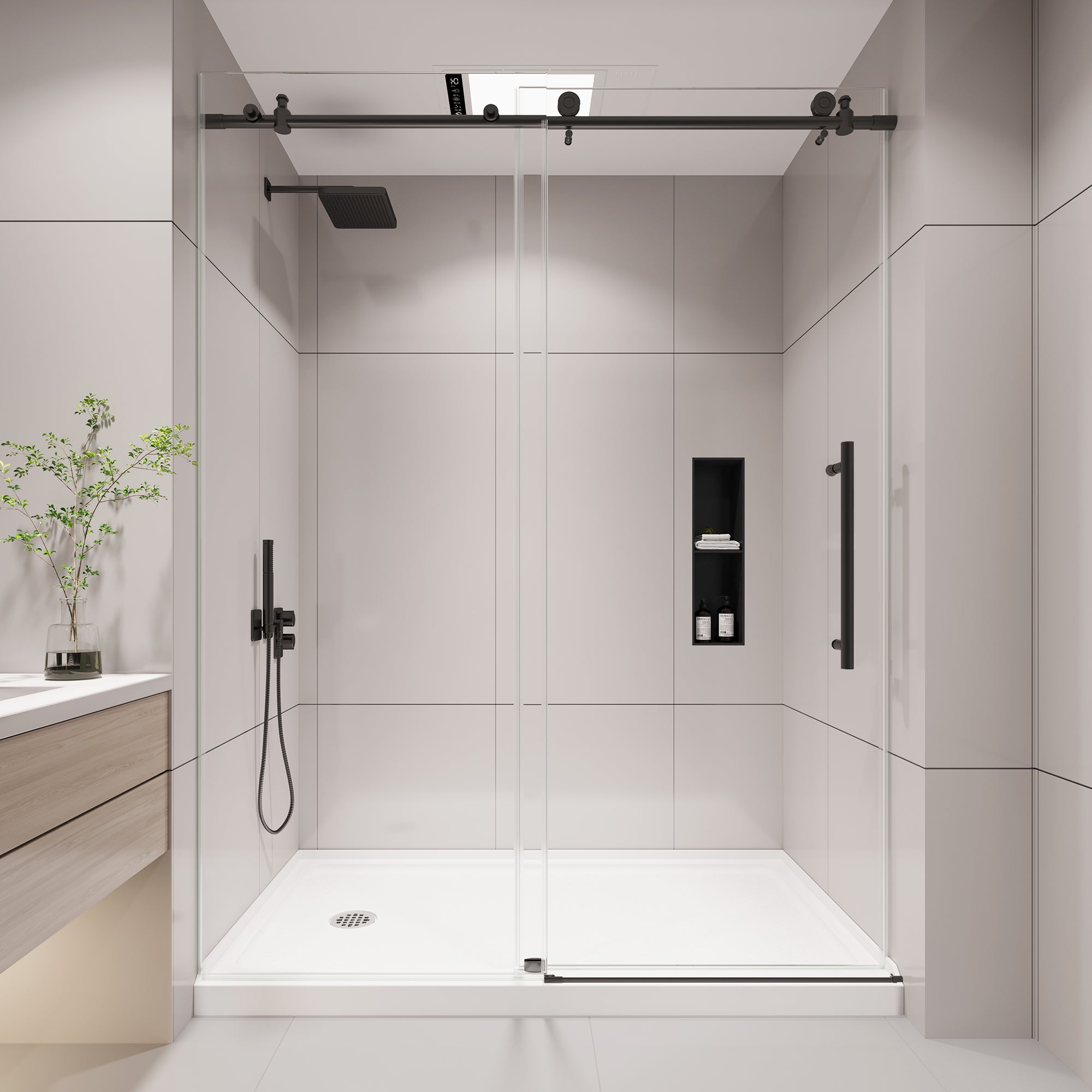
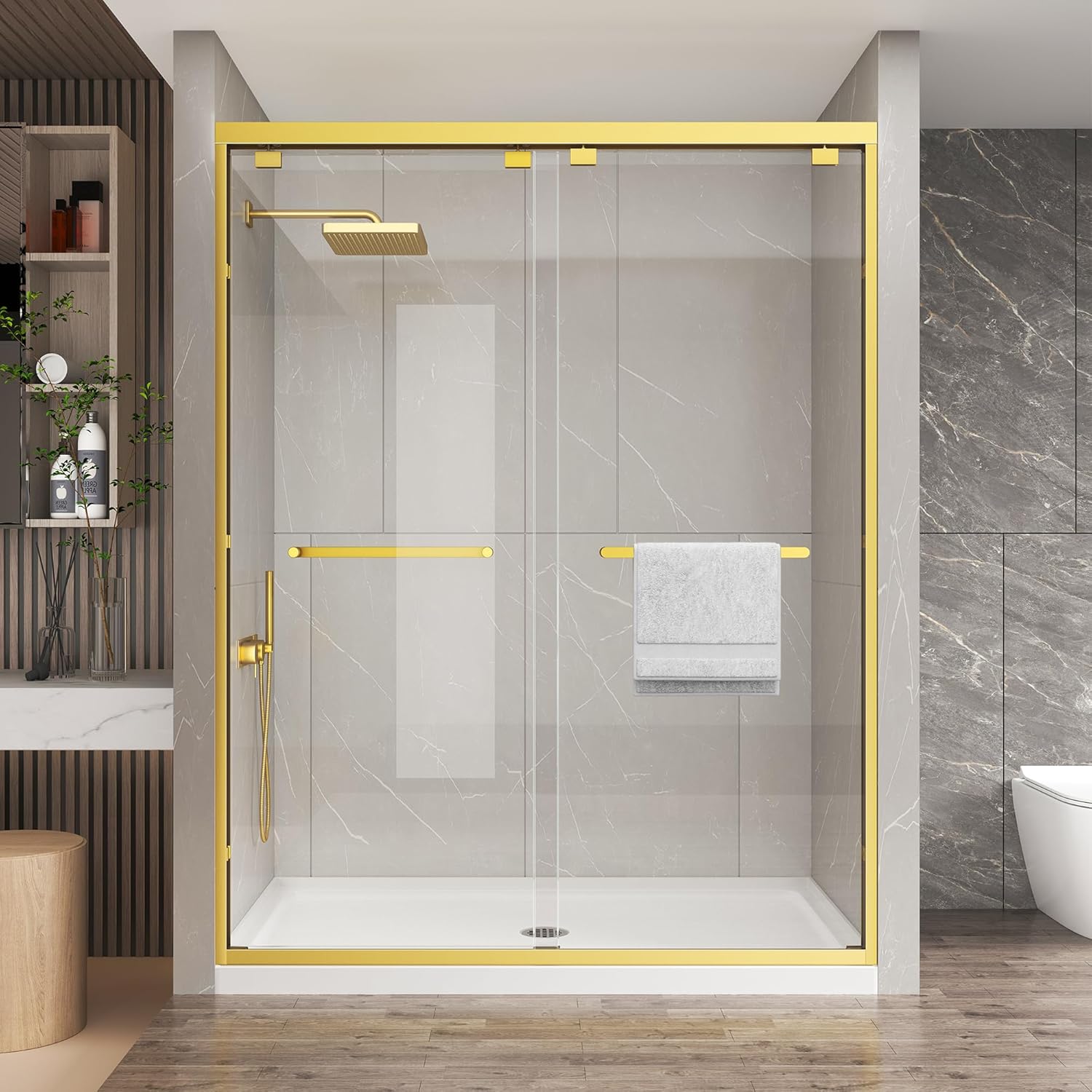
Installing a bath screen looks simple on YouTube, but in real-world remodels it’s where small errors turn into big headaches: leaking, glass stress cracks, door binding, or ugly gaps that trap mold. As a contractor with over 20 years of field experience, I’ll walk you through the most common mistakes I see on-site, why they happen, and exactly how to avoid them so your bath screen performs reliably and looks professional.
Quick Answer (Featured Snippet)
The most common mistake is failing to account for out-of-plumb walls and incorrect curb slope before ordering and installing the glass. Measure the actual opening in three places, verify the curb has a proper slope to the drain, and specify tempered glass thickness and installation tolerances to the fabricator. That simple routine prevents the majority of leaks, binding doors, and glass stress failures.
Common Mistakes to Watch For
- Assuming walls are plumb. People build or tile walls without checking for variation—0.5" over 6 feet is common in older homes.
- Ordering glass to theoretical dimensions. Not accounting for tile, grout, or trim means the glass won't fit.
- Ignoring curb slope. A flat curb or one sloped the wrong direction sends water out, not into the drain.
- Using wrong glass thickness. Thin glass on heavy frameless screens will flex and leak; too thick and you stress the hardware.
- Poor sealing and wrong sealant choice. Not all silicones hold up to constant water and cleaning chemicals.
- Over-tightening hardware. That causes stress points and can crack tempered glass.
Below is a quick reference table I use for common bath screen configurations and recommended tolerances.
| Screen Type | Typical Tempered Glass Thickness | Recommended Installation Tolerance | Typical Issue If Tolerance Not Met |
|---|---|---|---|
| Frameless pivot door | 3/8" (10 mm) | ±1/8" at jambs | Door binding or wind blow |
| Frameless fixed panel | 1/2" (12 mm) | ±1/16" glass edge clearance | Glass stress and cracking |
| Framed sliding doors | 1/4" (6 mm) | Track alignment ±1/8" | Track wear and leaks |
Prep and Measurement: Getting the Opening Right
Most headaches start before the fabricator even cuts the glass. I always measure the opening at three heights (bottom, mid, top) and across the curb. If the measurements differ by more than 1/4", the wall is out-of-plumb. You have three options: re-plumb the wall with shims or furring, order custom glass with a taper, or use a framed system that can absorb the variance.
- Measure three vertical lines: bottom, center, top.
- Measure curb width and slope: check fall toward drain with a level—aim for a noticeable pitch.
- Record tile allowances: full tile thickness at jambs and under the glass.
- Verify rough-in dimensions: plumbing fixtures, shower head location, and door swing clearance.
Always add a glass fabrication note for an installation gap: I typically ask fabricators to leave 1/8" minimum clearance between glass edge and finished jamb, and 1/4" at the bottom for thresholds unless a gasket fills the gap.
Glass, Tempering, and Hardware Specs
Tempered glass is not optional—it's required for any shower or tub screen. In the U.S., tempered safety glass manufactured to ANSI Z97.1 standards (or equivalent) is the norm. Thickness depends on span and whether the panel is structural. Typical choices:
- 1/4" (6 mm): framed or sliding systems.
- 3/8" (10 mm): common for single-panel frameless doors.
- 1/2" (12 mm): heavy frameless fixed panels and larger spans.
Hardware ratings matter. Look for stainless steel or brass components rated for tempered glass use, with manufacturer-stated loads and torque limits. Never exceed the torque specs—use a torque wrench where recommended and always use protective rubber pads under clamps.
Water Management, Curb Slope, and Sealant
Water management is where sales photos meet reality. A properly functioning screen is a water control detail. On site, I check two things first: curb slope and door sweep/drip path.
For curbs, the slope should direct water back into the pan; I shoot for at least 1/8" drop across the 2" to 3" curb width toward the drain. Flat curbs or curbs sloped toward the bathroom floor are a major source of complaints.
Sealants: use a neutral-cure silicone formulated for bathrooms—acetoxy silicones can damage aluminum and some finishes. Match the color to grout if visible. Apply bead sizes per manufacturer; too large a bead looks sloppy and traps dirt, too small and it fails.
Common sealing points:
- Between glass and finished jamb or tile: use low-profile rubber channel or clear silicone depending on hardware.
- Bottom of fixed panels: use a swept threshold or drip rail; never rely on a single bead of silicone there.
- Pivot hinges: leave enough clearance and use gaskets where the manufacturer specifies.
Installation Steps to Avoid Errors
Follow a methodical routine. Below is a field-tested checklist I give my crew and homeowners who ask for a breakdown.
- Confirm dimensions on-site before the glass is fabricated. Measure finished tile, grout, and threshold.
- Pre-fit hardware to the glass on a bench—sink holes and clamp positions are critical.
- Dry-fit the glass with temporary shims. Check for binding, and test door swing with a weighted towel to simulate use.
- Set final torque on hinges and clamps per manufacturer specs. Use a torque wrench for repeatability.
- Install seals and sweeps last and cut to fit—test with water.
- Allow sealant cure time before using the shower—typically 24-48 hours depending on product and humidity.
Pro tip: If you see any hairline crack start at a sealed edge during tight installs, stop. That’s glass stress. Remove, relieve the stress with a slightly larger gap, or use a thicker panel. It's cheaper to fix that on the truck than to replace broken tempered glass in the bathroom.
Real On-Site Experience: Old Houses and Surprise Conditions
When we remodel older homes, out-of-plumb and out-of-square conditions are the rule, not the exception. I had a 1920s bungalow where the tiled jambs varied by 5/8" over a 6' opening. The first contractor ordered stock-sized glass and it wouldn't fit. We reverted to a framed sliding system that absorbed the variance, and re-worked the curb slope to align with the old drain location instead of moving plumbing.
Other real-case issues:
- Tile thickness mismatches between adjacent walls needing shims or hidden shims under channel tracks.
- Existing grab bars interfering with hinge locations—always map out hardware conflicts before fabricating glass.
- Thin mud beds that flex—if the floor flexes, the glass will eventually crack. Reinforce the substrate before mounting.
That hands-on experience shapes my recommendations: measure, measure again, document everything on a job sheet, and include photos and sketches for the glass shop.
FAQ
How tight should the gap be between glass and tile?
For frameless installations, aim for a minimum 1/8" clearance on vertical edges and keep bottom gaps to 1/4" unless using a drip rail or sweep. Allow bigger gaps at the top if the wall is out-of-plumb. These clearances prevent stress and provide room for silicone and gaskets.
Can I install a bath screen myself, or should I hire a pro?
If you have straight walls, experience with torque tools, and the ability to handle tempered glass safely with two or more people, you can DIY a framed or simple pivot system. For frameless panels, large custom pieces, or any situation with out-of-plumb walls, hire an experienced installer. The cost to replace a cracked tempered panel or repair water damage is far higher than hiring the right pro up front.
What causes shower glass to crack after installation?
Most cracking results from glass stress due to tight clamps, out-of-square installation, thermal shock, or substrate movement. Never over-tighten hardware, and ensure you use the right glass thickness and edge clearance. If the glass cracks in a pattern consistent with a clamp or hole, it's an installation stress failure.
Wrap-up and Where to Look Next
Installations that last are the result of careful measurement, proper materials, and respect for real-world tolerances. Before you order glass, confirm wall plumb, curb slope, tile thickness, and hardware locations. If you need a product range that handles both framed and frameless styles, check the professionally curated selections for bath screens and wet-room panels to match real jobsite conditions: Bathroom Screens.
For design and safety references, I often point homeowners to the NKBA for layout guidance and to the Consumer Product Safety Commission for safety glazing recommendations:
Want a job checklist I use on-site? Measure three heights, confirm curb slope, document tile thickness, and get manufacturer installation tolerances in writing. That routine saves time, money, and a lot of rework.

Leave a comment
All comments are moderated before being published.
This site is protected by hCaptcha and the hCaptcha Privacy Policy and Terms of Service apply.