
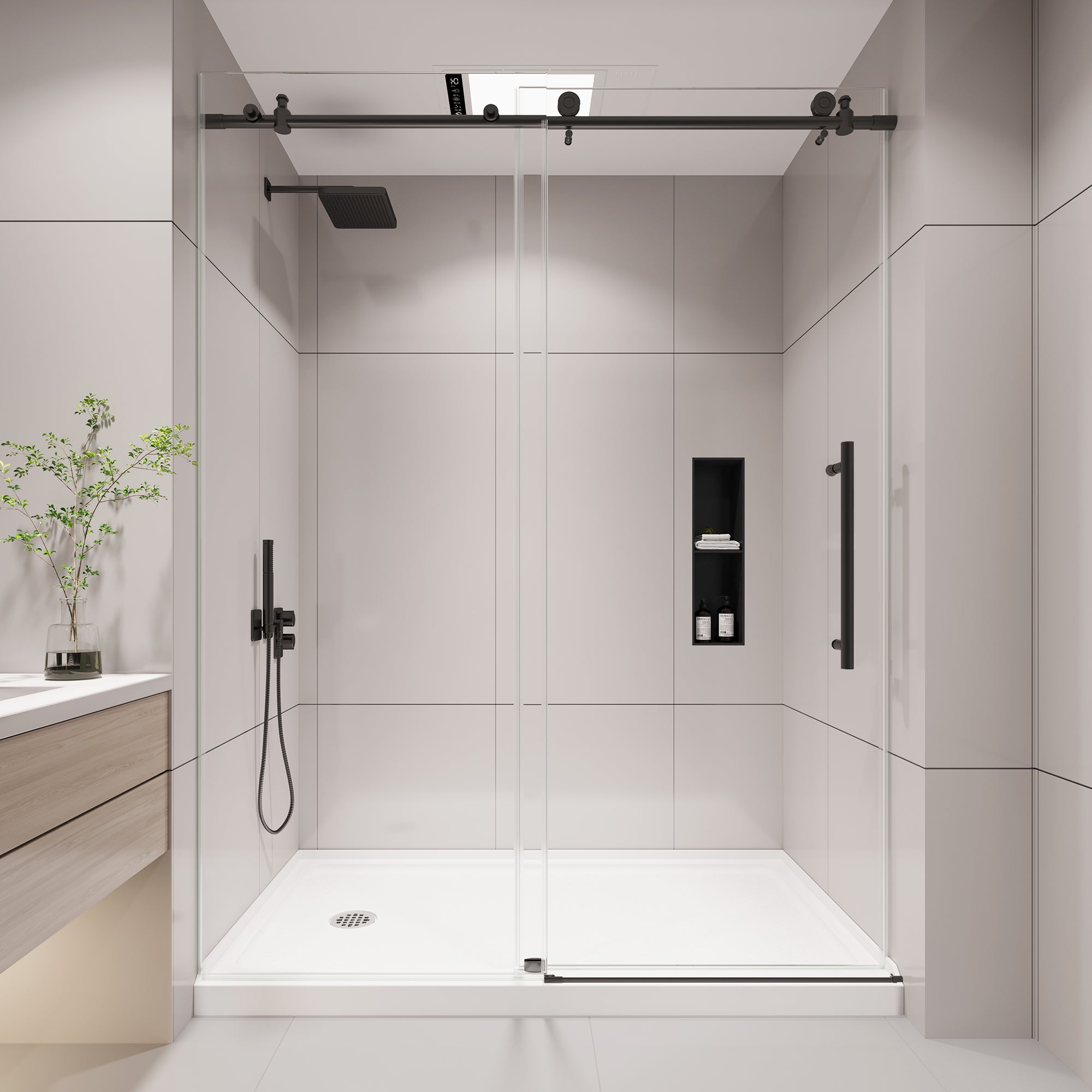
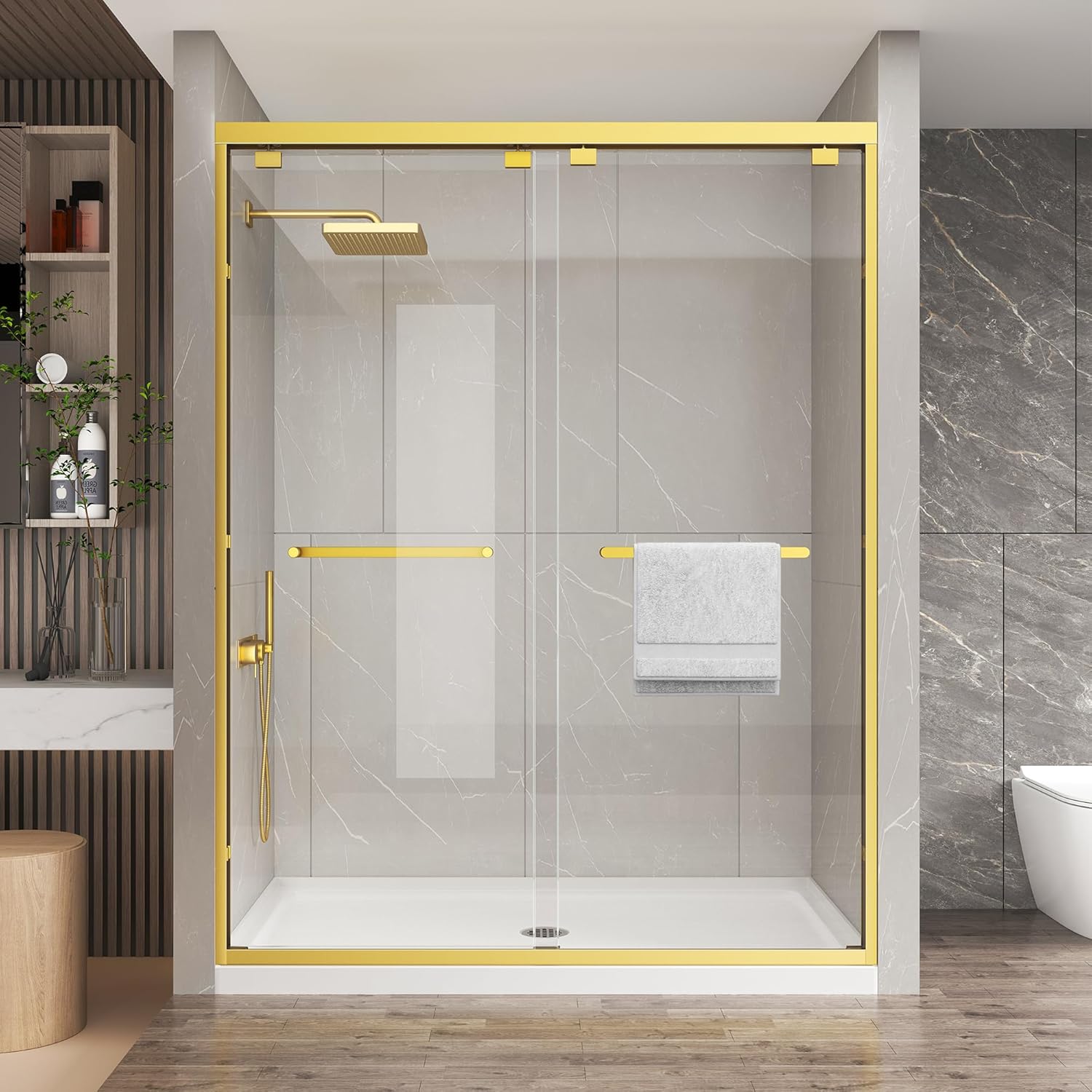
Choosing the right shower door isn't just about looks—it's about water control, long-term maintenance, and how the unit will behave when the house isn't perfect. As a bathroom remodeler with 20+ years on the tools, I see the same buyer mistakes: picking a door that doesn't fit an out-of-plumb opening, assuming thin glass is the same as tempered safety glass, or not accounting for curb slope and threshold drainage. The 2026 trend toward cleaner, minimalist baths pushes frameless and ultra-clear glass, but those choices come with tighter installation tolerances and higher costs. This guide gives a clear, contractor-level method to compare shower doors before you buy so your purchase performs for years, not just for a photo.
Quick Answer
If you need a concise decision rule: prioritize glass safety (tempered and appropriate thickness), measure actual rough opening and wall plumb, select the door type that tolerates those conditions, and confirm installation adjustments and warranty. In short: fit first, glass second, finish third.
Key Factors to Compare
When comparing shower doors, examine these elements for each product and each installer quote:
- Glass safety and thickness — tempered glass, usually 3/8" (10 mm) or 1/2" (12 mm) for frameless; 1/4" (6 mm) common for framed doors.
- Installation tolerance — how much out-of-plumb wall can the frame or hardware accommodate?
- Seal & water control — sweep seals, magnetic strips, and threshold detail that prevent leaks.
- Threshold and curb compatibility — curb slope, drain location, and whether a low-threshold or curbless solution is intended.
- Hardware finish and corrosion resistance — SS304 stainless vs plated zinc, warranty on finish.
- Serviceability — are parts replaceable? Can a hinge be adjusted on-site?
Shower Door Types
Here's a practical comparison of the most common types you'll find. Use the table below to match site conditions with product type.
| Door Type | Typical Glass Thickness | Installation Tolerance | Best For |
|---|---|---|---|
| Frameless Hinged | 1/2" (12 mm) or 3/8" (10 mm) | Low tolerance — walls must be close to plumb or shimmed | High-end look, glass-heavy bathrooms |
| Semi-Frameless (tub & shower) | 3/8" (10 mm) | Moderate — some adjustment in jambs and hinges | Balance of looks and budget |
| Framed Sliding | 1/4"–3/8" (6–10 mm) | High — frame compensates for out-of-plumb walls | Small bathrooms, retrofit installs |
| Bypass/Neo-Angle | 1/4"–3/8" (6–10 mm) | Moderate — depends on channel design | Corner showers or small footprint |
Technical Details & Standards
A few standards and jobsite realities matter when you compare specs:
- Glass safety: Look for tempered glass meeting ANSI Z97.1 (safety glazing) and check whether the manufacturer provides certification. Tempered glass will break into small diced pieces rather than long shards.
- Hardware ratings: Stainless steel 304 is preferred in coastal or high-humidity areas; zinc-plated hardware will corrode faster and show pitting.
- Plumbing codes & drain slope: Confirm the shower base and threshold comply with local IPC/UPC plumbing practices for effective drainage.
- Installation tolerances: Ask how much out-of-plumb the product accommodates — typical commercial hardware can accept up to 1/4" over 4', but high-end frameless units might require less.
For industry guidance you can reference the National Kitchen & Bath Association for layout best practices and standards: NKBA. For general safety and standards information see ANSI.
Real Jobsite Realities — What I See Weekly
Here are some direct, on-the-tools observations that matter when you compare doors:
- Out-of-plumb walls are the norm, not the exception. Expect to shim jambs and adjust hinges. If the manufacturer states ±1/8" tolerance and your walls are 3/8" off, plan on surface shimming or a framed option.
- Rough-in dimensions for tile returns and curb height frequently differ from the plan. Confirm finished dimensions before ordering glass — lead time + field cut glass = wasted money.
- Curb slope and threshold height determine whether a bottom sweep will seal correctly. Many frameless doors rely on a tiny gap that assumes a level threshold; that gap becomes a leak on a sloppy curb.
- Tempered glass thickness matters for perceived sturdiness. A 1/2" panel in a heavy frameless door reduces deflection and hinge stress; it also raises price and weight handling requirements for anchors.
I had a remodel last year where the tile trades left the curb 5/16" higher on one side. The homeowner wanted a frameless door. We either had to rebuild the curb or switch to a semi-framed door that could accommodate the height difference. Builders rarely want to demo tile to suit a door; that's why you measure on the finished floor and tile, not the plan.
Step-by-Step Comparison Checklist
Follow this ordered process when comparing specific models or quotes:
- Measure finished openings. Measure width, height, and check wall plumb at 3 heights. Record worst-case out-of-plumb.
- Cross-check glass data. Confirm glass is tempered, list thickness, and whether it’s heat soak tested if required in your jurisdiction.
- Ask about field adjustability. Get details on hinge adjustments, channel tolerances, and whether shim gaps are covered under warranty.
- Verify water-control details. Look for sweeps, magnetic strips, drip rails, and threshold slopes on the spec sheet.
- Confirm finish & fastener materials. If you live near salt air, require 304 SS hardware and marine-grade finishes.
- Compare warranties and spare-part availability. Robust warranties and easy replacement parts save money after year two.
Purchase & Install Notes
When you buy, remember:
- Buy based on finished measurements and allow a small reserve for field-fit — most frameless doors require exact glass sizes within 1/8" to 1/4".
- If ordering custom glass, lock down tile and curb work first. Custom glass lead times are often 2–6 weeks.
- Factor in removal costs for the existing enclosure and possible curb rework if the threshold is wrong.
A practical tip: if you want the sleek 2026 minimalist look without the installation headaches on older homes, consider a semi-frameless unit or a framed sliding system that visually reads clean but gives you installation wiggle room. For a selection of quality options you can review products like KPUY Shower Doors to compare styles and specs before you commit.
FAQ — People Also Ask
How thick should tempered glass be for a frameless shower door?
For a frameless hinged door, aim for 3/8" (10 mm) to 1/2" (12 mm). Thicker glass reduces flex at the hinge and minimizes long-term seal and hinge wear. Lighter, thinner panels (1/4"–3/8") are more common on framed or sliding systems.
Can a shower door be adjusted for an out-of-plumb wall?
Yes — but only to a point. Most hardware allows up to 1/4" adjustment per vertical foot, depending on the product. If walls are significantly out-of-plumb, choose a framed or semi-frameless solution or plan to re-plumb/ream the wall. Always measure finished surfaces before ordering glass.
Do frameless doors leak more than framed?
Frameless doors can leak if the threshold and sweeps aren't matched to the curb slope. Framed doors typically have better built-in water control because the frame channels the water. Proper installation and threshold design are the deciding factors — not just the door style.
Wrap-up & Where to Look
Comparing shower doors is a mix of product specs and jobsite reality. Prioritize tempered glass certification, reasonable installation tolerances, and realistic expectations about how out-of-plumb walls and curb slope affect performance. Before you click "buy", measure your finished opening, ask about adjustments, and check hardware materials and warranty coverage. If you want to see a curated selection as a starting point, check the KPUY Shower Doors collection for different styles and technical specs.
Final contractor tip: always schedule a measurement verification visit after tile is set and before glass is ordered. That one inspection saves a lot of headaches and extra cost.

Leave a comment
All comments are moderated before being published.
This site is protected by hCaptcha and the hCaptcha Privacy Policy and Terms of Service apply.