
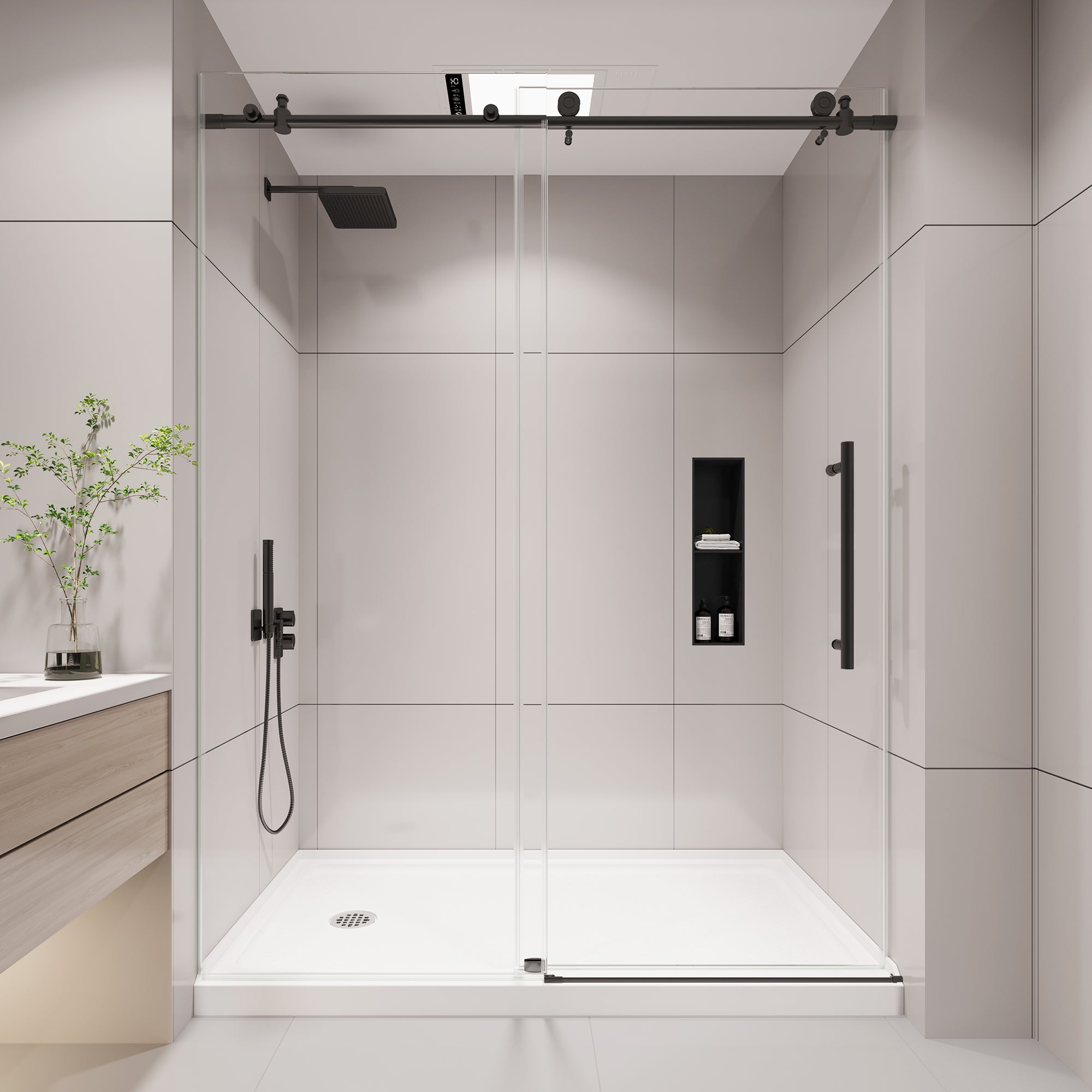
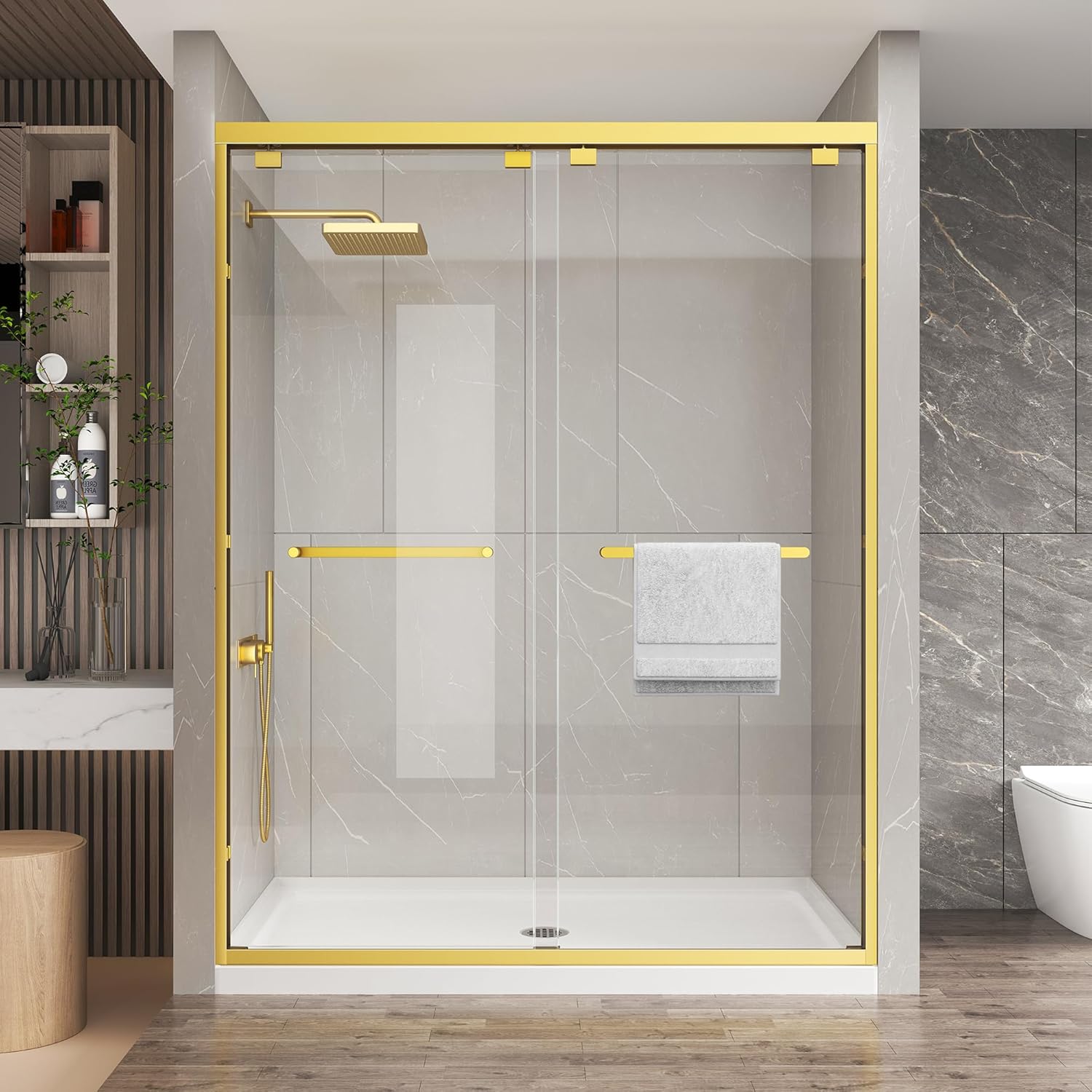
Small bathrooms without a working window or mechanical exhaust present a real challenge: trapped moisture accelerates mildew, rots framing, fogs mirrors and shortens the life of finishes. As a contractor who's remodeled hundreds of compact baths over 20+ years, I focus less on style statements and more on what keeps your shower dry and the space sanitary. This guide cuts through marketing and gives practical, site-tested advice about which shower door types and installation details work best when ventilation is limited.
Quick Answer
Short, practical answer: In bathrooms with limited ventilation, the best shower door is a semi-frameless or frameless pivot/bi-fold door paired with proper threshold slope and a low-profile drain setup. Those doors minimize water leakage onto the bathroom floor and allow the shower to dry faster when paired with strategies like door venting at the top or leaving the door ajar after use. If you need the most moisture control possible in a tight space, consider a full-height fixed panel with an outward-opening door or a wet-room style glass panel to reduce trapped pockets of warm moist air.
Why this works: limiting gaps where warm, humid air can accumulate and allowing the shower volume to exchange air with the rest of the room (even slowly) reduces condensation and mildew growth.
Why Ventilation Matters (and what you need to look for)
Ventilation isn't just about odor control. With limited air exchange the shower enclosure acts like a humidifier that never stops. Key failure modes I see on jobs in older houses are: paint delamination over tub decks, soft subfloor at the shower entry, warped millwork, and persistent mildew in grout joints. A door that traps moist air against the glass and tile will accelerate those issues.
Practical targets: Aim for design choices that promote drainage and drying: minimal horizontal ledges, a curb slope that channels water to the drain, and door seals that stop water without fully sealing the chamber for long periods.
Shower Door Types and Performance
Below is a straightforward comparison based on how each style behaves in low-ventilation bathrooms.
| Door Type | Moisture Control | Installation Tolerance Needs | Pros | Cons |
|---|---|---|---|---|
| Frameless Hinged / Pivot | Good — allows air exchange if gap at top/bottom | High — requires out-of-plumb corrections and precise hinge placement | Clean look; easy to clean glass | Higher glass thickness; more expensive |
| Semi-Frameless Sliding | Fair — tracks can trap water and mildew | Medium — track alignment critical | Space-saving in small baths | Tracks collect gunk; harder to dry |
| Bypass/Stacking Doors | Poor — internal overlap holds moisture | Medium | Compact; common in older homes | Hard to keep clean and dry |
| Fixed Panel + Swing Door (Wet Room) | Best — reduces enclosed volume, promotes cross-flow | Low to medium | Minimal hardware, easier to dry | May need rethinking of floor slope |
Bottom line from dozens of installs: framed sliding doors are space friendly but often the worst choice where ventilation is poor because tracks trap water. Frameless swing doors or a fixed panel configuration with an outward-opening door dries faster and is easier to keep mold-free.
Product note: if you decide to replace your door, check out KPUY Shower Doors for styles that fit compact layouts and offer tempered glass options suitable for wet environments.

Materials, Glass, and Safety Standards
Glass thickness, finish, and safety are more than cosmetic choices. For compact showers I commonly specify:
- 3/8" tempered glass for frameless applications — it has less deflection and fewer support issues than 1/4".
- 1/4" to 5/16" glass for semi-frameless or framed doors where the frame supports the pane.
- Safety compliance to ANSI and applicable local codes — tempered glass meeting ANSI Z97.1 in the U.S.
Also plan for hardware clearance: typical hinge and latch tolerances need 1/16" to 1/8" adjustment during install, and you should leave a top-to-ceiling clearance if you want passive air exchange. If code or millwork prevents that, add alternate airflow paths.
For authoritative guidance on kitchen and bath design including ventilation best practices see the National Kitchen & Bath Association site: NKBA. For building code and safety resources, reference the International Code Council: ICC.
Real-World Site Realities: What I See on Remodels
Here's the kind of jobsite stuff the spec sheets won't tell you. When remodeling older homes you must expect:
- Out-of-plumb walls by up to 3/4" over 8 feet — that affects door alignment and hinge placement.
- Subfloor soft spots at the tub/shower threshold from years of splash-through.
- Existing shower pans or curbs with improper slope or multiple patched layers.
Practical example from a recent remodel: a 1970s bungalow with a 60" alcove and no exhaust fan. The original sliding door track had collected mineral deposits and mildew; the owner had sanded and painted the inside of the alcove repeatedly. We demoed down to the studs, corrected a 1/2" out-of-plumb condition with shimming, replaced the pan and installed a 3/8" frameless pivot door with a 1/4" top gap for passive venting. Within weeks moisture indicators improved and mildew complaints stopped.
Field tip: When measuring for glass, always leave a 1/8" to 3/16" per side for out-of-plumb adjustment if you're in an older house. Ordering glass to exact finish-wall-to-wall measurements is a recipe for callbacks.

Installation Tolerances and Common Mistakes
Successful installs in poorly ventilated bathrooms depend on strict attention to detail. Here are the common mistakes I see:
- Installing sliding doors with no slope to the track—track ends up holding water.
- Using full-height seals that make the shower chamber airtight — that traps warm air and increases condensation.
- Not correcting out-of-plumb walls before mounting heavy hinges — leads to premature wear and glass binding.
- Ignoring curb slope and drain position — even 1/8" slope difference can change how quickly the enclosure sheds water.
Tolerance checklist for installers:
| Glass thickness | 3/8" for frameless; 1/4"–5/16" for framed/semi-frameless |
| Hinge adjustment | Allow 1/16"–1/8" per side |
| Curb slope | 1/8" drop across 2" of width toward drain recommended |
| Door clearance | Top gap 1/8"–1/4" for passive venting; bottom sweep as needed to prevent splash |
Maintenance and Moisture Control Strategies
Even the best door won't solve a severe ventilation shortage alone. Combine the right door choice with maintenance routines and passive measures:
- Wipe squeegee after each use — a 30-second wipe drastically reduces residue.
- Leave the door cracked open after showering (even 1") to promote exchange — this is effective when a bathroom lacks mechanical ventilation.
- Use mildew-resistant grout and caulk; plan for yearly inspections of seals and door sweeps.
- Consider adding a wall-mounted dehumidifier if no exhaust fan is feasible.
Simple habit that helps: Install a magnetic or hook near the door so occupants can hang the towel and prop the door open — small behavioral nudges matter.
Decision Checklist: Choose the Right Door for Your Situation
- Measure the opening and check for out-of-plumb conditions — shim or plane where needed.
- Decide whether you can accept a door that opens into the bathroom (space permitting) — outward swing improves drying.
- Prefer frameless or semi-frameless for easier cleaning; avoid sliding doors if mildew in the track is a concern.
- Specify tempered glass per ANSI and confirm thickness for the chosen style.
- Plan hardware locations with 1/8" adjustment tolerance in mind.
- Pair the door with improved drying strategies — squeegee, top gap, or dehumidifier.
FAQ
What shower door is best if my bathroom has no fan and no window?
Answer: A frameless or semi-frameless outward-swing door with a fixed panel (or a single swinging door) is best because it minimizes enclosed humid volume and allows air exchange. Pair that with a top gap of 1/8"–1/4" or leave the door cracked after use.
Are sliding doors a bad idea in poorly ventilated bathrooms?
Sliding doors save space but their bottom tracks trap water and soap scum, creating slow-drying pockets where mildew thrives. If you must use sliding doors, choose tracks that drain easily and schedule regular cleaning.
How thick should tempered glass be for a frameless shower in a small bathroom?
I typically specify 3/8" tempered glass for frameless doors in residential installs — it gives the right balance between stiffness and cost. For taller panels or heavy hardware, I push to 1/2". Always confirm local code and manufacturer guidance.
Wrap-up
On tight bathrooms without ventilation, pick shower door solutions that reduce trapped humid air and make drying simple — frameless pivot doors, fixed panels with outward swing doors, and well-sloped curbs are practical choices. Pay attention to out-of-plumb conditions, leave measurable tolerances for hinge and glass adjustment, and plan routine maintenance. If you're shopping for a replacement, review tempered glass thickness and hardware specs, and see options from KPUY Shower Doors that fit compact layouts.
For more technical guidance on kitchen and bath best practices, consult the National Kitchen & Bath Association: NKBA, and check local code requirements through the International Code Council: ICC.

Leave a comment
All comments are moderated before being published.
This site is protected by hCaptcha and the hCaptcha Privacy Policy and Terms of Service apply.