
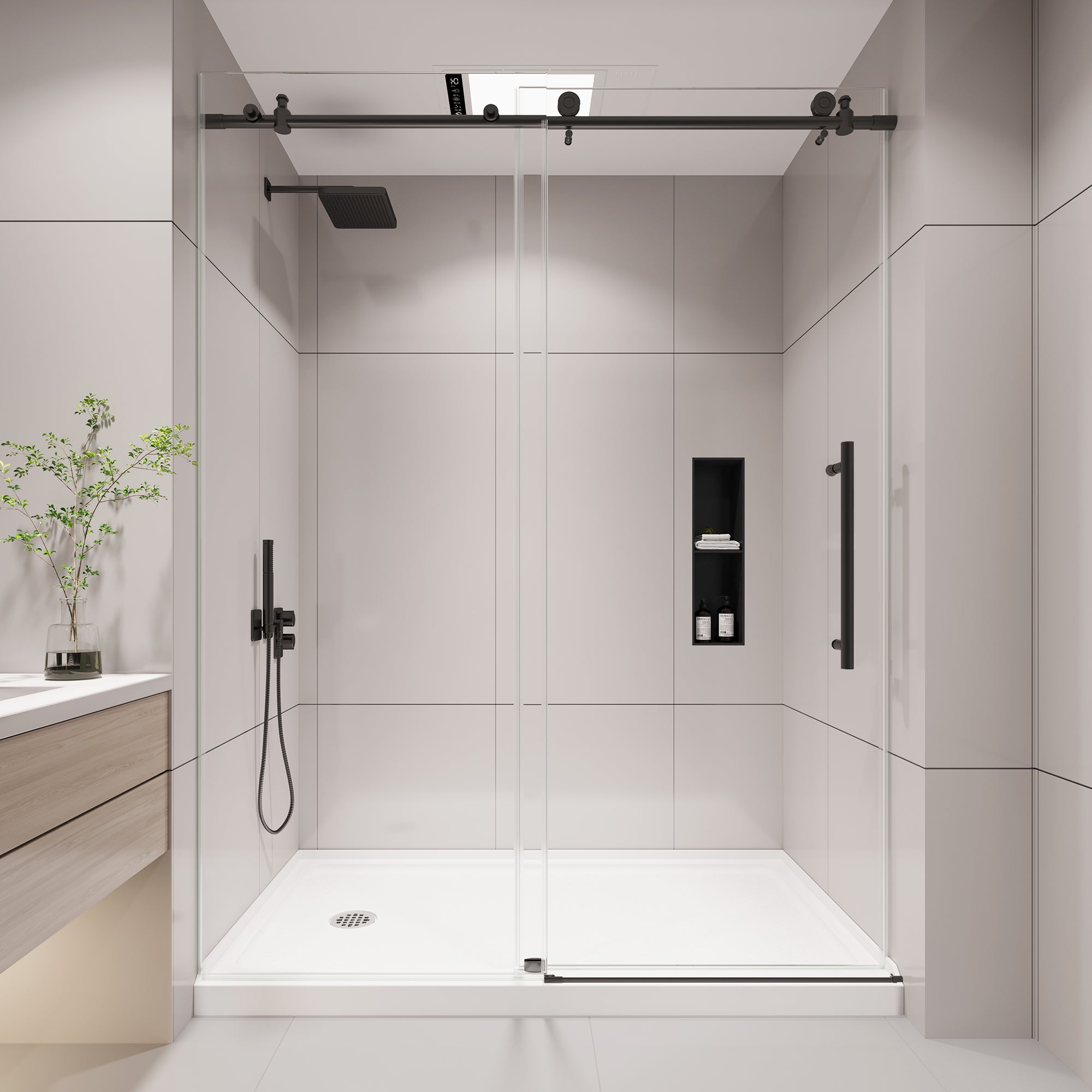
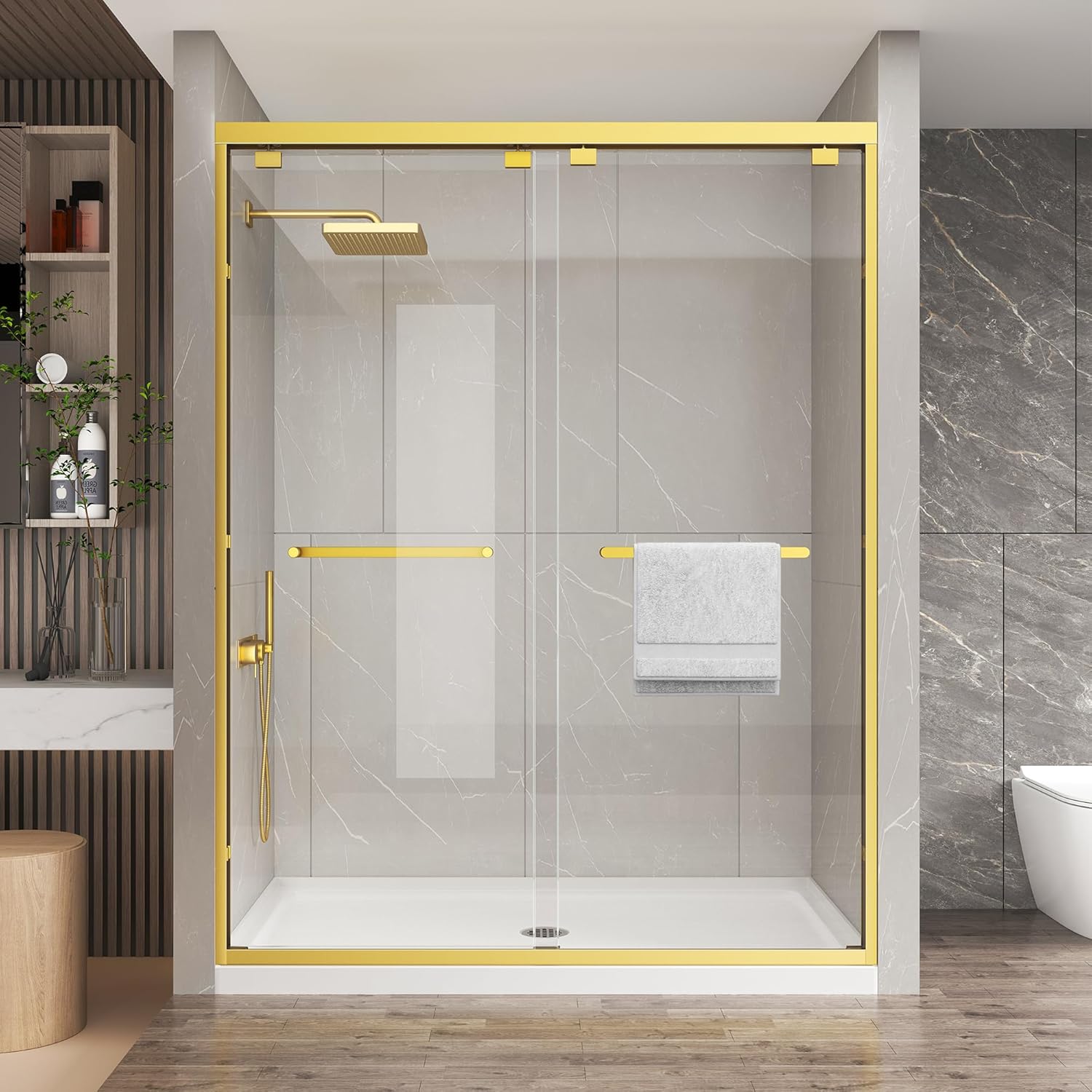
Older showers don't just look dated — they can leak, fail code inspection, and cause hidden damage. As a contractor with 20+ years installing and replacing shower doors, I see the same warning signs on remodel sites: warped jambs, out-of-plumb walls, rusted tracks, and tempered glass that doesn't meet current thickness or safety expectations. This guide gives you direct, field-tested criteria to decide whether to repair or replace your shower door, what to measure, and what standards to expect in 2026 so you make a cost-effective, safe decision.
Quick answer: Is your shower door outdated enough to replace?
Short, direct answer: Replace it if you have persistent leaks, glass edge damage, hardware corrosion, doors that don’t close properly, or if the unit fails modern safety/thickness expectations. If the assembly sits on a warped curb, the walls are out-of-plumb by more than 1/4" over 36", or you’re planning a tile or layout update, replacement is usually the smarter long-term choice.
For owners who want the short checklist for a contractor or inspector: leak + corrosion + out-of-square framing + glass chips = replace.

Visible signs you should replace the shower door
Look past the style. These are practical, observable signs that replacement is warranted:
- Frequent water pooling or leaks outside the shower despite new seals — means the door alignment or curb slope is wrong.
- Corroded or pitted hardware (bottom tracks, rollers, hinges) — often non-repairable and causes binding or improper sealing.
- Chips, cracks, or spidering in tempered glass — any edge damage on temper glass is a risk and should trigger replacement.
- Doors don’t stay on track or close fully — alignment issues that indicate frame or wall movement.
- Rusted studs or wall anchors behind the frame — can lead to failing connections and safety risks.
- Old style that blocks access or violates ADA clearance if you’re updating for accessibility.
Measurements and tolerances to check before deciding
Before you order a new door, measure carefully. Small measurement errors are the most common reason for costly callbacks.
- Width and height between finished surfaces — measure at top, middle, and bottom. If measurements vary by more than 3/8", walls are out-of-plumb and you’ll need adjustable hardware or a custom unit.
- Out-of-plumb walls — measure the plumb deviation at three heights. If a wall is out of plumb more than 1/4" over 36", standard prehung doors may not fit.
- Curb slope — check that the curb slopes toward the drain. A flat or reversed curb will send water out with every shower.
- Rough-in clearances — confirm you have the necessary clearance for hinge swing and towel bars. Typical hinge clearance needs at least 2-3" beyond door swing.
- Glass thickness — measure existing glass; residential framed and semi-frameless panels are commonly 3/16" or 1/4", while full-frameless doors are typically 3/8" to 1/2". If your glass is under 3/16" or shows damage, replace it with proper tempered glass.
| Issue | Measurement to check | Action |
|---|---|---|
| Wall out of plumb | Deviation > 1/4" over 36" | Use adjustable jambs or order custom-sized frame |
| Glass thickness | < 3/16" or damaged | Replace with tempered 3/16"–1/2" per design |
| Curb slope | Flat or slopes away from drain | Re-pitch or replace curb; address waterproofing |
| Hardware wear | Visible rust, loose anchors | Replace hardware or entire unit if anchors fail |
Safety standards and material notes you must know
As a contractor I always check the glass and fastening system against current standards. Be aware of these three practical points:
- Tempered glass standard: Tempered safety glass used in doors must meet ANSI Z97.1 for human impact requirements. If your glass predates recent standards, replacement is safer.
- Hardware anchoring: Fasteners should go into solid blocking or studs. Anchors in tile or thin backer board are a failure point.
- Drain and curb relationships: A shower door that doesn’t account for curb pitch and threshold height will cause leaks no matter how perfect the seal is.
For reference material on kitchen and bath best practices, check the National Kitchen & Bath Association guidelines: NKBA. For code-level requirements and guidance on construction tolerances consult the International Code Council resource pages: ICC Codes.

When to replace versus when to repair
Not every problem needs a full replacement. Here's a practical decision path I use on site:
- Minor seal failure or caulk gaps — repair. Replace gaskets, re-caulk, or replace door sweep if glass and frame are square.
- Hardware failure but solid frame — repair if anchors and frame are corrosion-free; replace parts like rollers, hinges, or handles.
- Large leaks from poor alignment or curb issues — usually replace. If the curb is failing or the walls are out of square, a new door with a custom frame or a remodel of the curb is required to stop leaks long-term.
- Safety concerns (glass damage, rusted structural supports) — replace immediately.
Tip: If you're updating tile, changing the shower layout, or moving plumbing, replacing the door at the same time saves time and avoids rework. I often recommend coordinating the door order after tile and curb are in place — measured field-fit rather than ordering by rough dimensions.
Real jobsite notes: what I see in older homes
On older homes, the most common issues are not style but construction tolerance problems. Here are three real examples from the field:
- House built in the 1970s: original framed glass door on a mortar curb with a curb that had settled and cracked the tile. The track was filled with mineral scale and the rollers wore grooves. Fix: Replace entire assembly, rebuild the curb, and shift to a frameless 3/8" tempered unit with proper blocking.
- Remodel in a 1940s bungalow: walls were out of plumb by 1/2" over 36". Off-the-shelf doors sat crooked and leaked. Fix: Installed an adjustable jamb system and chose a semi-frameless door with compressible gaskets to accommodate the irregularity.
- Late 1990s condo: glass had small edge chips from years of slamming and a bottom sweep missing. The homeowner kept re-caulking and the leaks returned. Fix: Replaced with new tempered panels and upgraded to stainless-steel hardware with anodized finishes to resist coastal corrosion.
These are not theoretical — I carry a small level, shim stock, and glass thickness gauge on every site because the difference between a repair and a full replacement often comes down to a few sixteenths of an inch. Measurement tolerances make or break the installation.
FAQ
How can I tell if the glass is tempered?
Tempered glass often has a tiny stamp in one corner showing the manufacturer and standard. If no stamp is visible or the edge is chipped, treat it as suspect. A simple test: tap it lightly with a non-metal tool; tempered glass breaks into small pebble-like pieces. If you’re not sure, have a pro inspect it — safety-first.
Can I replace just the bottom track or sweep?
Yes, if the frame is square and anchors are solid. Replacing the sweep or bottom track is a cost-effective fix for small leaks and drafts. If the track is rusted through or the curb has movement, a partial fix will only last a season or two.
How thick should replacement shower glass be?
For framed or semi-frameless systems 3/16" (5 mm) to 1/4" (6 mm) is common. Fully frameless doors usually use 3/8" (10 mm) to 1/2" (12 mm). Match the glass thickness to the hardware specified by the manufacturer and the size of the panels. When in doubt, go thicker for safety and rigidity.
Final words
Deciding to replace a shower door is a mix of visible signs and measurement checks. If you find persistent leaks, glass damage, severe corrosion, or installation tolerances outside typical limits, replace the door and address the curb and blocking at the same time. For homeowners updating looks in 2026, frameless or semi-frameless tempered glass doors with stainless hardware give the best balance of durability and contemporary style.
When you're ready to shop, consider quality manufacturers that offer tempered glass and proper hardware options — I often recommend modern frameless and semi-frameless lines like KPUY Shower Doors for durable options and good sizing flexibility.

If you’re uncertain after your inspection, take photos of the jambs, measure at three points, note any chips on the glass edge, and call a licensed installer who will verify blocking and code compliance. Replace when safety, leak prevention, or future remodel plans justify it — not just because a door looks old.

Leave a comment
All comments are moderated before being published.
This site is protected by hCaptcha and the hCaptcha Privacy Policy and Terms of Service apply.