
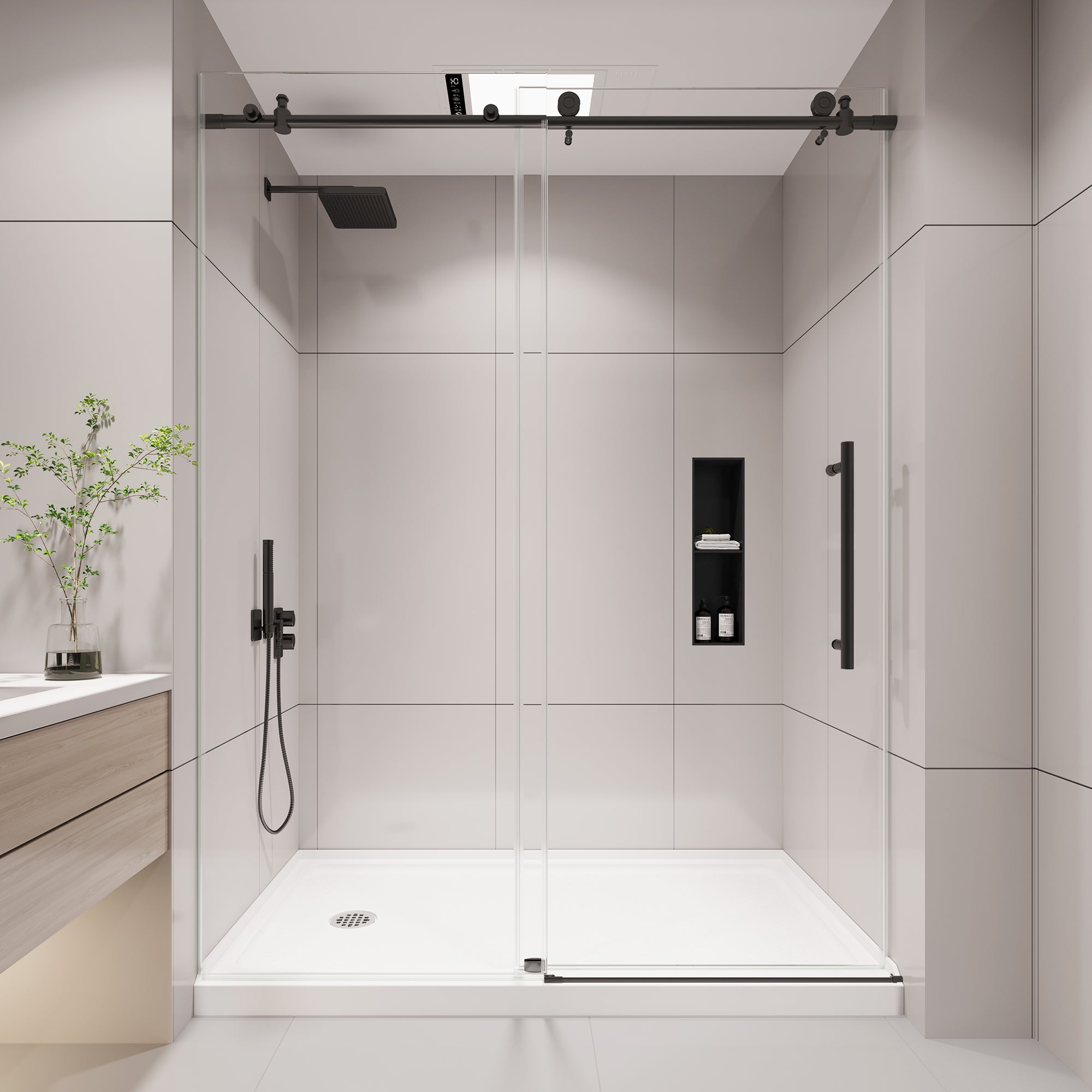
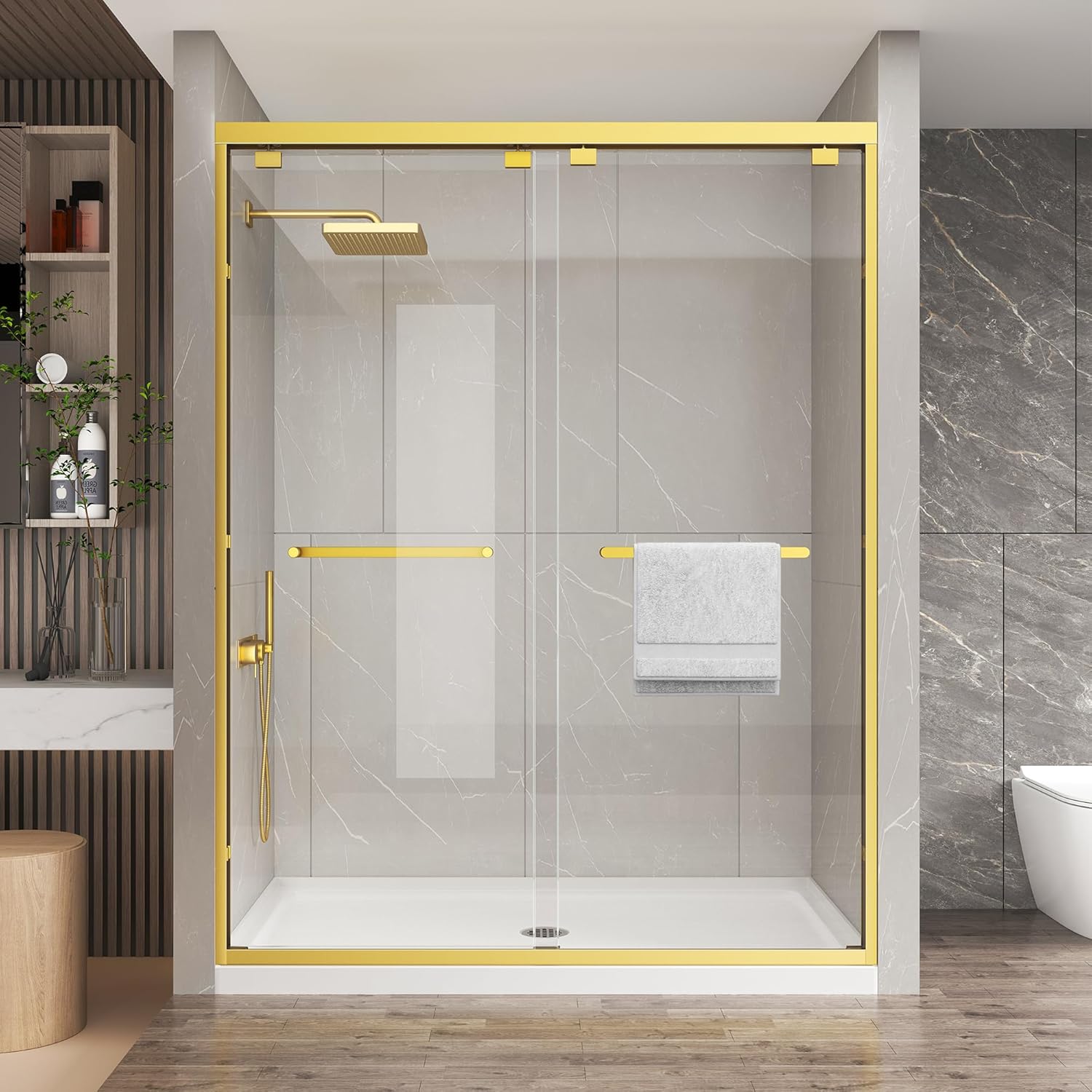
When homeowners ask me what's the most overlooked part of a rectangular shower install, I give a straightforward answer: not the visible tile finish, but the base details that live below eye level. In 20+ years of remodeling bathrooms across Midwestern tract homes and older East Coast rowhouses, the small things — drain location relative to the curb, how far walls are out of plumb, slope at the threshold, and where the shower base ties into the waterproofing — are the parts that bite you later. With 2026 trends favoring larger-format tile, linear drains, and frameless glass, those hidden details matter more than ever.
Quick Answer (Featured Snippet)
Most overlooked details: drain location and flange alignment, curb slope and height, out-of-plumb walls affecting glass fit, substrate flatness under the base, and proper overlap of the waterproofing membrane with the curb and drain assembly. Fix those five things during rough framing and you cut rework and call-backs dramatically.
Common Overlooked Details
Here are the recurring items I see on the majority of calls where homeowners complain about leaks, slow drainage, or glass doors that don't sit right:
- Drain position vs. door swing: Even a 2" offset in drain location can force a different tile pattern or a custom pan slope.
- Out-of-plumb walls: Older homes rarely have perfect walls. A base that assumes perfect walls will introduce gaps or require excessive shimming.
- Curb slope & height: The curb should shed water back into the shower; many curb tops are built flat, encouraging pooling.
- Tempered glass clearance: Frameless doors require specific clearances and tempered glass thickness — often missed in early planning.
- Waterproofing termination: Where the membrane ends at the curb and drain is a common fail point.
Materials, Slope & Drains
Material choice affects how forgiving the installation can be. Acrylic bases are lighter and forgiving, while mortar beds give you ultimate control over slope but require more time and trade coordination. Linear drains allow large-format tile to slope in one direction, but they need precise fall and framing support.
Drain location and type
Always confirm rough-in centerlines before ordering the base. For rectangular pans, the drain can be centered, offset, or a linear drain at the curb. A few practical rules I use on site:
- Measure the rough-in from two fixed points (stud face and finished wall line) to verify position.
- Allow at least 1/2" clearance for field adjustments when using a prefab base.
- Linear drains require a consistent slope toward the channel — typically a 1/4" per foot fall is standard.
Slope tolerances
Curb slope should direct water back to the drain; I aim for a 1/16" to 1/8" drop across the curb away from the shower. The shower floor slope is usually 1/4" per foot toward the drain for proper flow. If you have large-format tile, keep slope consistent or you'll see ponding.
Code and best-practice references like the ICC and NKBA publish guidelines on shower drainage and clearances — check them during planning: International Code Council and National Kitchen & Bath Association.

Waterproofing & Substrate
Waterproofing is not a feature you can add later. It needs to marry the substrate, drain, curb, and wall finishes. Common mistakes:
- Membrane ending behind tile instead of overlapping into the drain assembly.
- Failing to secure the substrate so the tile and base move independently.
- Not accounting for tile grout shrinkage at the curb edge.
Best practice: For tiled shower bases, use a bonded waterproof membrane or a pan liner properly clamped into a tested drain flange. For prefab bases, ensure the factory drain flange is compatible with the field plumbing and the membrane if you still plan to use one.
Framing, Rough-in & Tolerances
Work starts well before the tile vanishes behind the wall. I hammer out these checks during rough framing and plumbing:
- Confirm subfloor flatness to 1/8" over 4 ft under the base area.
- Set studs so the finished wall will be within 1/4" plumb; if walls are out-of-plumb more than that, plan for jambs or shims.
- Record the finished floor elevation so the curb height ends up where the glass and shower door manufacturer expects.
Prefab shower bases often list acceptable installation tolerances in their instructions. Follow those tolerances; where the structure is outside them, plan for corrections — either by sistering studs, using shims, or switching to a mortar bed system.
Rough-in dimensions that matter
Key dimensions to double- and triple-check before ordering materials:
- Drain centerline to finished wall
- Finished floor to top of curb
- Door swing clearance and threshold height
- Glass panel mounting surface offset from tile face
Glass & Door Compatibility
Glass doors look simple on the job sheet but demand coordination. ANSI Z97.1 governs safety glazing; your glass supplier should specify tempered glass thickness that matches the door height and bracket spacing.
Rules I enforce:
- For frameless doors over 72" tall, use thicker tempered glass (typically 3/8" to 1/2") as specified by the manufacturer.
- Allow 1/8" to 3/16" clearance between glass and tile/threshold for thermal expansion and out-of-plumb walls.
- Coordinate with the door vendor early — change orders for glass are expensive and slow.
Also remember IPC/UPC plumbing rough-in requirements when installing drains and traps under shower bases. If your plumber centers the trap differently from the drain body, you will see installation friction.

Real Jobsite Experience
On a recent remodel of a 1960s house, the incoming base was a prefab rectangular pan. The walls were 3/4" out of plumb over the 60" run. Installer tried to force the glass and ended up with multiple field cuts and a $900 custom glass panel. We stopped, removed the base, installed a mortar bed, corrected the wall line with sistered studs and blocking, and reinstalled a linear drain. It added a day to the schedule but avoided a long lead-time custom glass order and produced a perfect door fit. That kind of field correction is something you only learn from being on the job.
Quick Reference Table
| Detail | Typical Tolerance | Field Tip |
|---|---|---|
| Drain centerline | ±1/2" | Double-check with a tape and a laser; mark both floor and framing. |
| Floor flatness under base | 1/8" over 4' | Sister joist or skim coat mortar before setting base. |
| Curb height | 2" to 4" typical | Match glass vendor spec; account for tile plus grout. |
| Glass clearance | 1/8"–3/16" | Shim or clip location adjustments are cheaper than recutting glass. |
Installation Do's & Don'ts (Short Practical List)
- Do verify all rough-ins before ordering the base or glass.
- Don't assume walls are plumb — measure and plan for adjustments.
- Do nail down the waterproofing termination at the drain flange.
- Don't install tile before confirming final door hardware positions.
- Do use a level and slope gauge to confirm falls across the shower floor.
People Also Ask
What height should a rectangular shower curb be?
The typical curb height is between 2" and 4" above the finished floor. For accessibility, you may use a low-profile curb or a curb-less design, but if you're using a prefabricated shower base, match the curb height to the glass manufacturer's recommended threshold and account for tile and underlayment thickness. Always check drain flange height vs. finished floor.
How much slope does a shower base need?
Generally 1/4" per foot toward the drain is a safe guideline. For linear drains, a single-direction slope to the channel is acceptable; ensure the mortar bed or pre-slope is consistent to avoid puddling. Verify slope with a level and straightedge before tile.
Can I use a prefab base with frameless glass?
Yes, but you must verify the base's finished dimensions and curb height match the glass spec. Prefab bases often have limited options for rail attachment and may require blocking or additional support for heavy doors. If the walls are out of plumb, consider adding jambs or switching to a field-built curb so you can adjust fittings on site.
Wrap-up
Getting the hidden details right on a rectangular shower base saves time and money and prevents leaks, glass fit problems, and warranty headaches. Start with measured rough-ins, verify substrates and slope tolerances, coordinate the drain and glass vendor early, and prioritize proper waterproofing termination. If you want to see a range of prefab pans that list their installation tolerances and drain positions, check the Shower Bases collection for product specs and rough-in diagrams. If you prefer product-neutral guidance, consult resources from the NKBA or the ICC for applicable code considerations.

Leave a comment
All comments are moderated before being published.
This site is protected by hCaptcha and the hCaptcha Privacy Policy and Terms of Service apply.