
You’re standing in the framing of your bathroom, looking at the rough-ins, and trying to decide how to handle the shower area. It’s 2026, and the days of the clunky tub-shower combo with a flimsy curtain are dead. You want open, you want sleek, and you want accessibility. But here is where most homeowners—and even some green designers—get tripped up: the difference between a wet room and a walk-in shower.
I’ve been ripping out fiberglass inserts and pouring mud beds for over 20 years. I can tell you right now, these aren’t synonyms. The distinction determines your waterproofing costs, your drainage setup, and whether you need to tank the entire room or just a 36x60 footprint. If you get this wrong during the planning phase, you’re looking at serious water damage or a code violation down the road.
Let's break down the structural, aesthetic, and functional differences so you can make the right call for your renovation.
Defining the Contenders: Wet Room vs. Walk-In
Before we talk about thin-set and drains, let's clarify the terminology. In the trade, we distinguish these by "containment."
What is a Walk-In Shower?
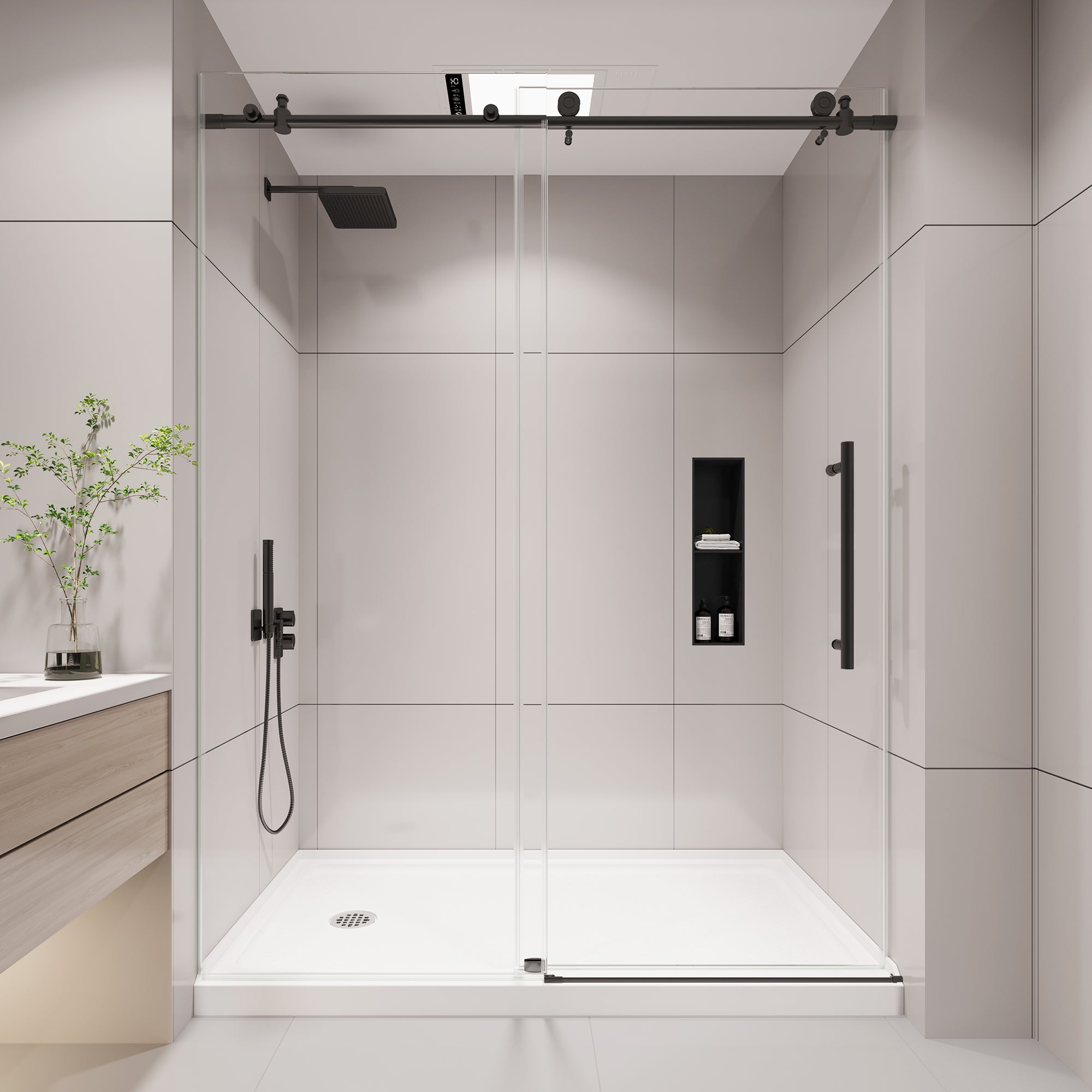
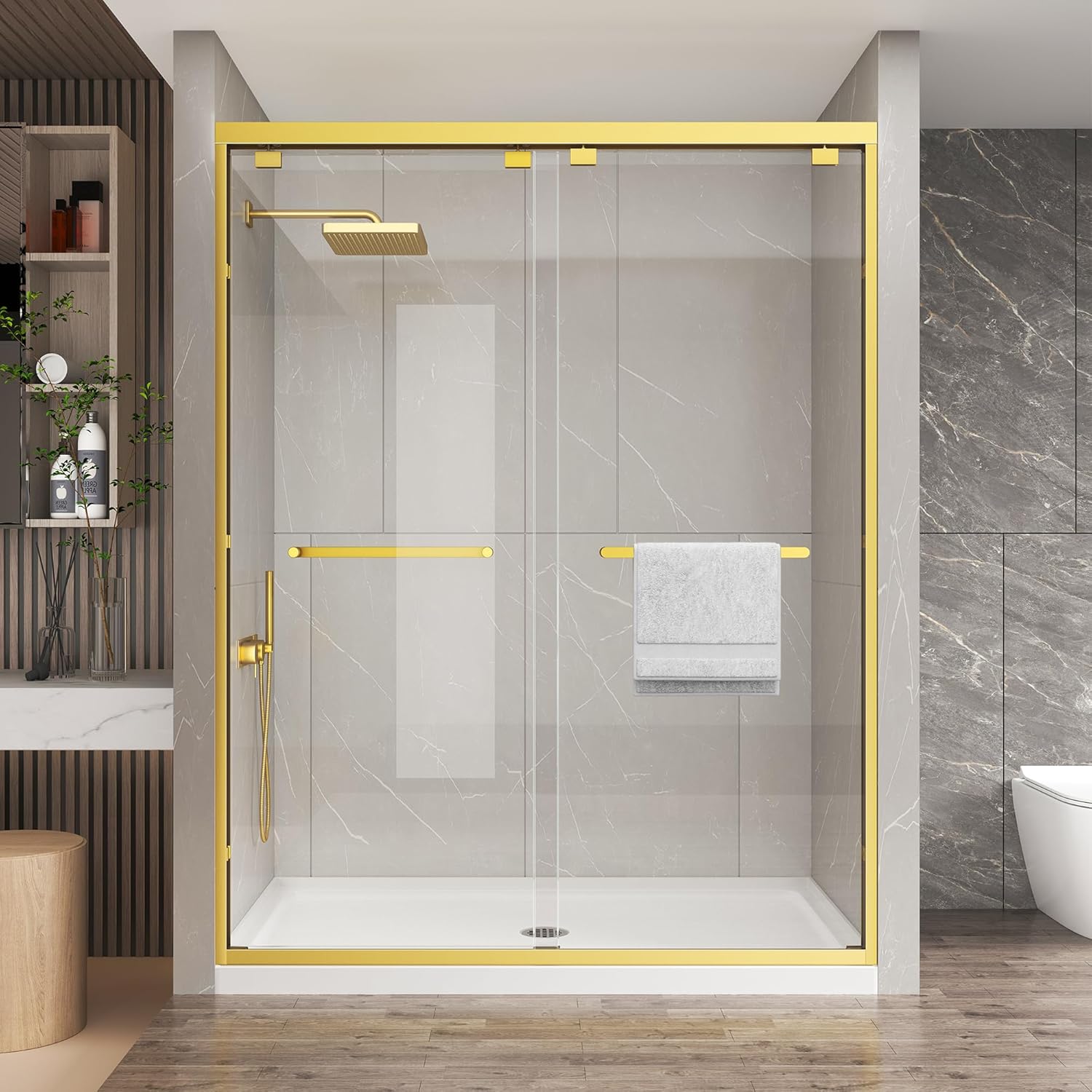
A walk-in shower is essentially a standard shower without a door (or with a minimal glass partition) and usually a very low curb or no curb at all. Crucially, the waterproofing is confined to the shower area. The rest of the bathroom is "dry." You have a dedicated shower pan or a tiled floor that slopes to a drain, but once you step out of that zone, you are on a standard bathroom floor.
What is a Wet Room?
A wet room is a bathroom where the entire space is designed to get wet. There is no shower tray. There is no curb. The floor is flush throughout the entire room, and the slope to the drain is built into the subfloor structure itself. We "tank" (waterproof) the entire room—walls and floor—up to a certain height. In a true wet room, you could spray a hose at the toilet or vanity, and the water would flow to the drain without ruining your subfloor.
The Guts: Waterproofing and Drainage Specs
This is where the price tag changes. As a contractor, I look at these two projects very differently when I'm writing a bid.
The Walk-In Approach
For a walk-in, we are focusing on the "wet area." We might use a pre-sloped foam pan (like Schluter-Kerdi) or pack a traditional mud bed. We install a liner or applied waterproofing membrane just in that 3x5 or 4x6 area. The walls are cemented board and waterproofed, but only inside the shower enclosure.
- Drainage: Standard 2-inch drain or a linear drain against the wall.
- Slope: We pitch the floor 1/4 inch per foot toward the drain inside the shower footprint.
- Glass: Essential to keep water from splashing onto the non-waterproofed "dry" floor.
The Wet Room Engineering
A wet room requires significantly more labor. Because there is no curb to stop the water, we have to create a "bowl" effect for the entire room or slope the entire floor toward a central or linear drain.
We are waterproofing the entire floor of the bathroom. This often means reinforcing the subfloor to handle the weight of the tile and mortar across the whole span. We have to flash the waterproofing up the walls (usually 4-6 inches) around the entire perimeter of the room to meet code and prevent capillary action from wicking water into your drywall.

According to the Tile Council of North America (TCNA), waterproofing details in wet areas are the number one source of failure if not executed perfectly. In a wet room, the stakes are higher because the "wet area" is everywhere.
Glass Containment and Splash Zones
Even in a wet room, nobody wants a soaked roll of toilet paper. While wet rooms are technically "open," we almost always install a glass shield to deflect the main spray.
In a walk-in shower, the glass is meant to seal the area. In a wet room, the glass is a deflector. This is where bathroom screens come into play. Unlike a full enclosure, a screen is usually a fixed panel (sometimes with a hinged flipper panel) that provides just enough coverage to keep the vanity dry without enclosing the bather.
Glass Safety Codes (ANSI Z97.1):
Whether it's a walk-in or a wet room, any glass used must be tempered safety glass. If it breaks, it shatters into dull cubes, not jagged shards.
- Thickness matters: For a frameless fixed screen in a wet room, I never recommend anything less than 3/8" (10mm) glass. If you want that solid, wobble-free feel, go for 1/2".
- Clips vs. Channels: In wet rooms, I prefer U-channels recessed into the tile for a seamless look that’s easier to clean. Clips can trap grime if you aren't diligent.
Cost Breakdown: Material & Labor
Money talks. Here is a realistic look at the cost difference. Keep in mind, labor rates vary wildly by region, but the ratio usually stays the same.
| Feature | Walk-In Shower | Wet Room |
|---|---|---|
| Waterproofing | Shower area only (approx. 12-20 sq. ft.) | Entire room (walls + floor) |
| Tiling Labor | Standard floor tile outside shower, mosaic inside | Floor-to-ceiling often required; precise sloping of whole floor |
| Glass | Door, slider, or partial enclosure | Single fixed bathroom screen |
| Plumbing | Standard drain rough-in | Linear drain needed; often requires moving joists |
| Estimated Cost Index | $$ | $$$$ (Expect 20-30% higher total cost) |
Pros and Cons Analysis
Walk-In Shower
Pros:
- Warmth: Because it’s partially enclosed, it holds steam better than an open wet room.
- Cost: Lower labor costs on waterproofing.
- Resale: Americans are used to this setup. It’s a safe bet for ROI.
Cons:
- Accessibility: Even with a low curb, it’s not zero-entry unless specifically designed that way.
- Maintenance: More glass usually means more squeegeeing.
Wet Room
Pros:
- Accessibility: Zero thresholds. Perfect for aging in place or wheelchair access (ADA compliant).
- Space Perception: Since the floor tile continues uninterrupted, small bathrooms look massive.
- Value: High-end, "spa-like" appeal that is trending heavily in 2026 luxury designs.
Cons:
- Humidity: Moisture gets everywhere. You need a high-CFM exhaust fan, or you will have mold issues.
- Drafts: Without an enclosure to trap heat, open wet rooms can feel drafty during a shower.

Frequently Asked Questions
Does a wet room devalue a house?
In the US market, removing the only bathtub in the house to install a wet room can slightly limit your buyer pool (families with small children often want tubs). However, if you have a second bath with a tub, a master suite wet room significantly increases the "wow" factor and value.
Can you put a wet room in a small bathroom?
Absolutely. In fact, wet rooms are often the best solution for tiny bathrooms (think 5x8). By eliminating the swinging door and the bulky shower tray, you maximize the usable footprint. Just ensure your bathroom screen is positioned to protect the toilet paper and towels.
What is the minimum size for a wet room?
While you can waterproof any size room, for a functional wet room shower area, I recommend a minimum zone of 30x30 inches, though 36x36 is the International Plumbing Code (IPC) standard for comfort. If the room is very small, you must tank the walls all the way to the ceiling.
Final Verdict
If you are looking for a practical upgrade that fits a standard budget and keeps the rest of your bathroom bone-dry, stick with the walk-in shower. It’s efficient and timeless.
However, if you are gutting the space and want that seamless, luxury hotel aesthetic—or if you need true universal accessibility—a wet room is the superior choice. Just be prepared for the waterproofing bill.
Whichever route you take, the glass you choose will define the final look. Check out high-quality bathroom screens to get that minimalist, open-air feel without soaking your vanity.

Leave a comment
All comments are moderated before being published.
This site is protected by hCaptcha and the hCaptcha Privacy Policy and Terms of Service apply.