
It’s 2026. Skilled labor rates for licensed plumbers and tile setters in the US have hit all-time highs. I get it. You look at that quote for a master bath overhaul, see a number that looks like a down payment on a car, and think, "I can swing a hammer. I have YouTube. I can do this."
As a licensed contractor who has spent over two decades fixing "YouTube Certified" renovations, I’m here to tell you the truth: You absolutely can do some of it. But a bathroom isn't just a room; it's a complex wet environment fighting against your home's structural integrity every day. One missed waterproofing detail can lead to thousands in rot repair.
This guide breaks down exactly where to save your budget (Sweat Equity) and where to spend it on a pro, based on current IPC/UPC building codes and ANSI safety standards.
The Planning Phase: The "Rough-In" Reality
Before you rip out a single tile, you need a plan that accounts for "rough-in" dimensions. I constantly see homeowners buy a vanity that puts the plumbing drain right in the middle of a drawer stack, or order glass without understanding out-of-plumb walls.
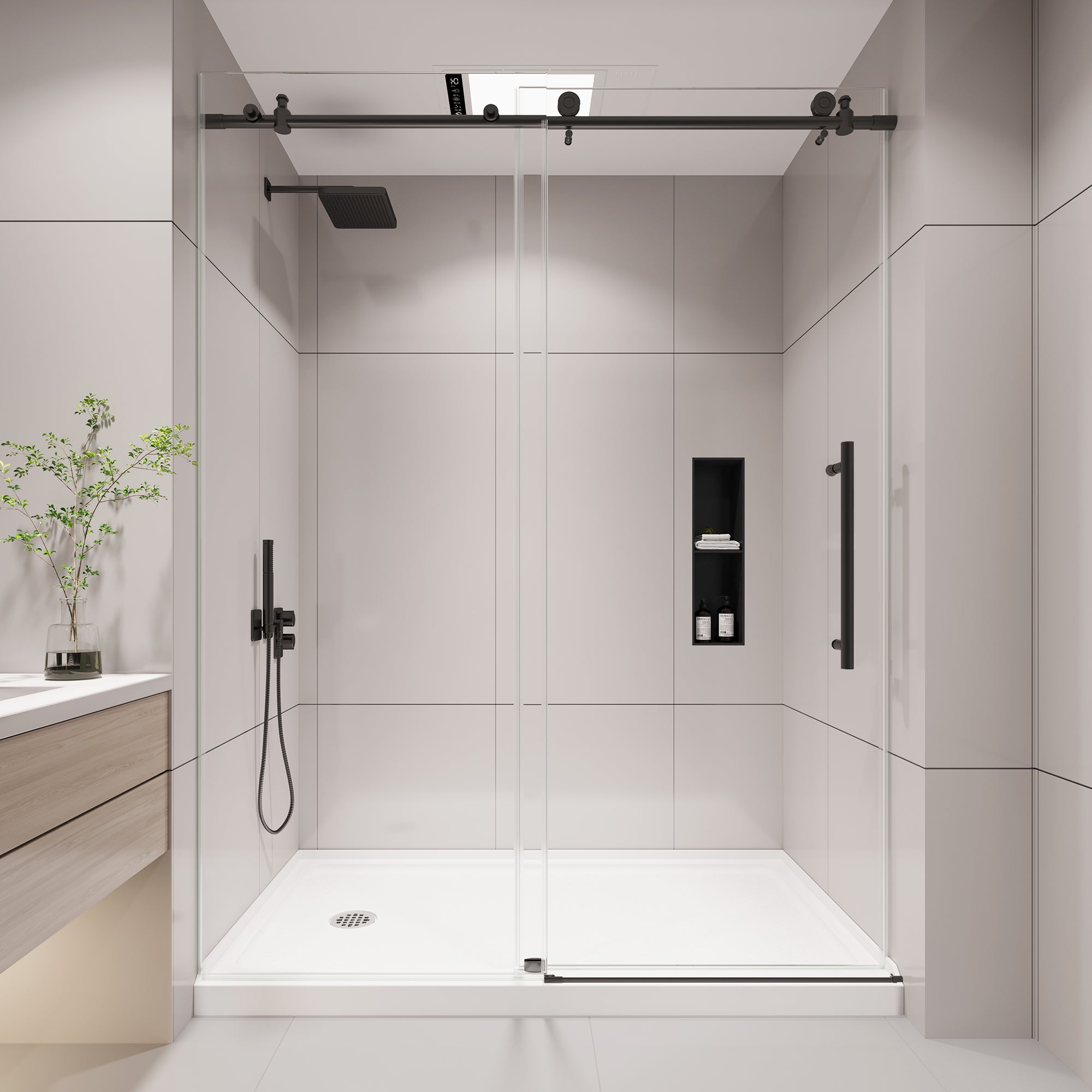
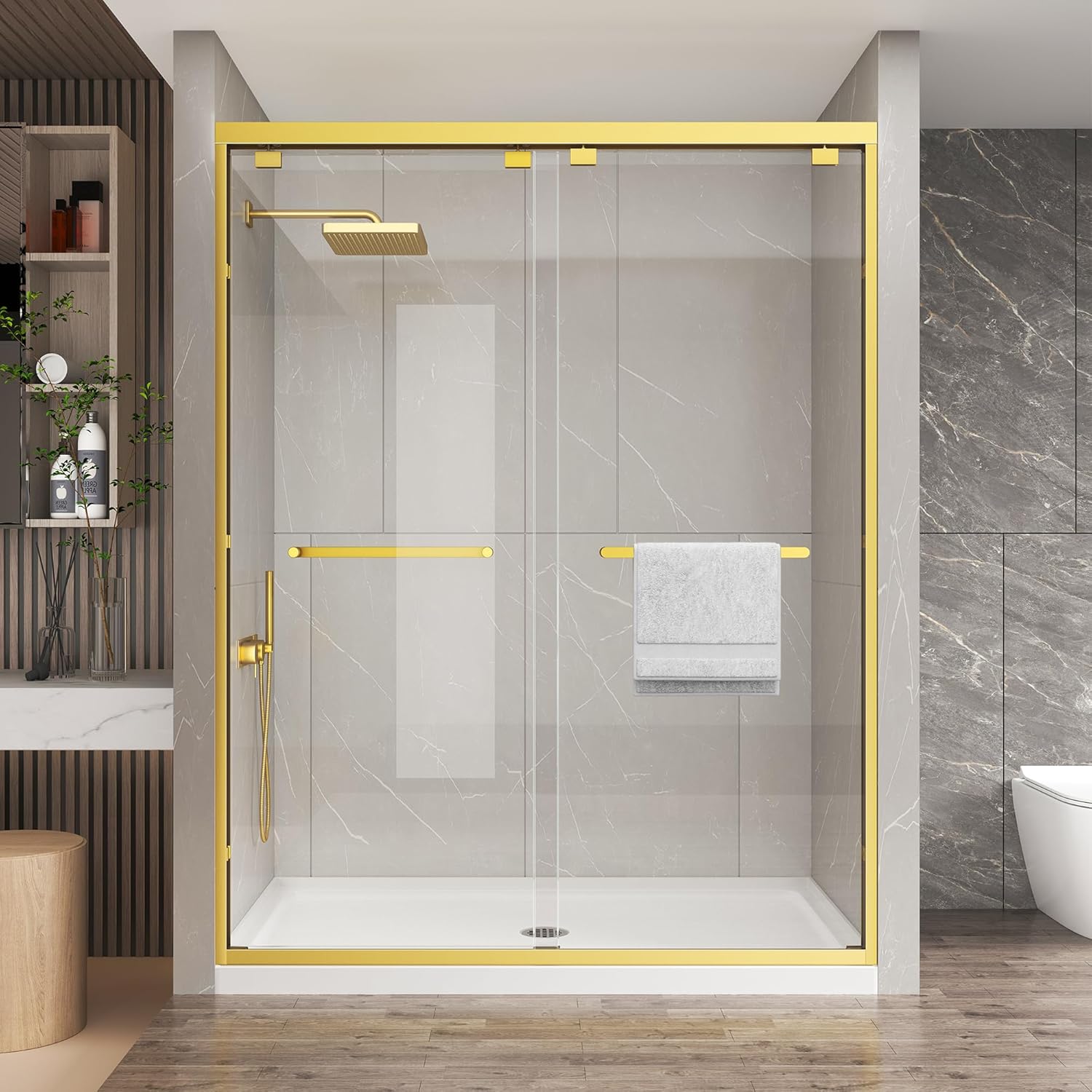
If you are managing this project yourself, you are the General Contractor. That means you are responsible for the specs. For example, if you are upgrading to frameless glass like KPUY Shower Doors, you need to know your finished opening width down to the 1/16th of an inch after tile. If you miss a rough-in measurement now, it costs thousands to move a pipe or restock materials later.
Green Light: Safe DIY Projects (Save 30%)
You can save about 30-40% of your total renovation labor budget by handling the high-labor, low-liability tasks. These are jobs where a mistake is cosmetic, not catastrophic.
1. Selective Demolition
Labor for demo is expensive purely because it is hard work. You can easily handle removing old cabinets, mirrors, and accessories.
The Contractor's Warning: Don't go sledgehammer-happy. Shut off the main water valve. When removing drywall, cut shallowly to avoid slicing PEX lines or Romex wire hidden in the stud bays. Always cap your drains immediately with rags to stop sewer gas.
2. Painting and Finishing
Painters are skilled tradespeople, but their labor is a premium you can skip. Use a moisture-resistant paint (kitchen/bath formula with mildewcides). Handle your own caulking, baseboard installation, and hardware mounting.
3. Swapping a Vanity (Same Footprint)
If you aren't moving the plumbing lines in the wall, swapping a vanity is manageable. You just need to connect the P-trap and supply lines.
Pro Tip: Verify your stop valves (shut-off valves) don't conflict with the new cabinet's shelving. I always recommend replacing old compression valves with quarter-turn ball valves while the vanity is out.
Yellow Light: Proceed with Caution (Tiling & Waterproofing)
This is where 70% of DIY projects fail within 3 years. Tiling looks easy on TV, but waterproofing is the hidden skill.

The Waterproofing Layer
Tile and grout are not waterproof; they are merely water-shedding. The barrier behind the tile keeps your studs from rotting.
- Risk: If you puncture the membrane while screwing in your cement board, you have a leak.
- Slope: If you don't slope the shower pan 1/4 inch per foot toward the drain, you get standing water and soap scum buildup.
If you aren't confident in your ability to create a monolithic water barrier, sub this out.
Red Light: Call a Pro (Glass & Plumbing)
These are the areas where DIY attempts frequently lead to insurance claims denied or physical injury. Just pay the professional.
1. Moving Drainage or Venting
Water supply lines (pressure) are easy; you can crimp PEX all day. Drainage (gravity) is hard. Proper venting is required to prevent siphoning traps dry. According to the International Plumbing Code (IPC), vent stacks must be within a specific distance of the trap weir. If you get this wrong, your toilet will gurgle, and your shower won't drain.
2. Structural Shower Glass Installation
This is my number one "Do Not DIY" recommendation. Modern bathrooms feature heavy, frameless glass. A single 3/8-inch thick tempered glass door allows for a premium look, but it requires precise installation.
The Safety Reality: Tempered glass is strong on the face but fragile on the edge. One tap against a ceramic tile during installation can cause the door to explode into thousands of pieces. Furthermore, high-quality systems like KPUY Shower Doors require walls that are perfectly plumb (vertical). If your tile job is out by even 1/8th of an inch, the gaskets won't seal, and you'll have leaks. Pros use laser levels and structural blocking to ensure safety.
3. Electrical in Wet Zones
2026 code requires GFCI protection for all bathroom receptacles. There are strict "zones" around tubs and showers where switches cannot be placed. If you are adding a heated floor or a bidet outlet, you need a licensed electrician to run a dedicated circuit.
Comparison Table: DIY vs. Pro ROI
Sometimes seeing the numbers helps clarify the decision. Here is a breakdown based on 2026 national averages.
| Task | Pro Cost (Est.) | DIY Cost (Materials) | Risk Level (1-10) | Verdict |
|---|---|---|---|---|
| Demolition | $800 - $1,500 | $50 (Fees) | 3 | DIY IT |
| Shower Pan Install | $1,200 - $2,000 | $400 | 9 | HIRE PRO |
| Wall Tiling | $15 - $25 /sq ft | $5 /sq ft | 6 | Cautious DIY |
| Glass Enclosure | $1,000 - $3,000 | $600 - $1,500 | 10 | HIRE PRO |
Frequently Asked Questions
Can I install a curbless shower myself?
Curbless (zero-entry) showers require recessing the subfloor between floor joists to achieve slope without a curb. This is a structural modification that often involves cutting joists. It is not recommended for DIYers without carpentry experience.
Do I need a permit for a bathroom remodel?
Generally, yes, if you are moving plumbing ("rough-in"), adding electrical, or moving walls. "Remove and replace" projects often do not require permits, but always check your local building department.
What is the hardest part of a DIY bathroom remodel?
The "last 10%." Many homeowners struggle with the finish work—perfectly straight grout lines, clean silicone caulk beads, and adjusting cabinet doors. These details define the final look.
Final Thoughts
Renovating a bathroom is a balancing act. Save your money on the tear-out and painting so you can afford a qualified plumber and a professional glass installer. When the water stays where it’s supposed to, and your renovation lasts for 20 years, you'll know you made the right call.

Leave a comment
All comments are moderated before being published.
This site is protected by hCaptcha and the hCaptcha Privacy Policy and Terms of Service apply.