
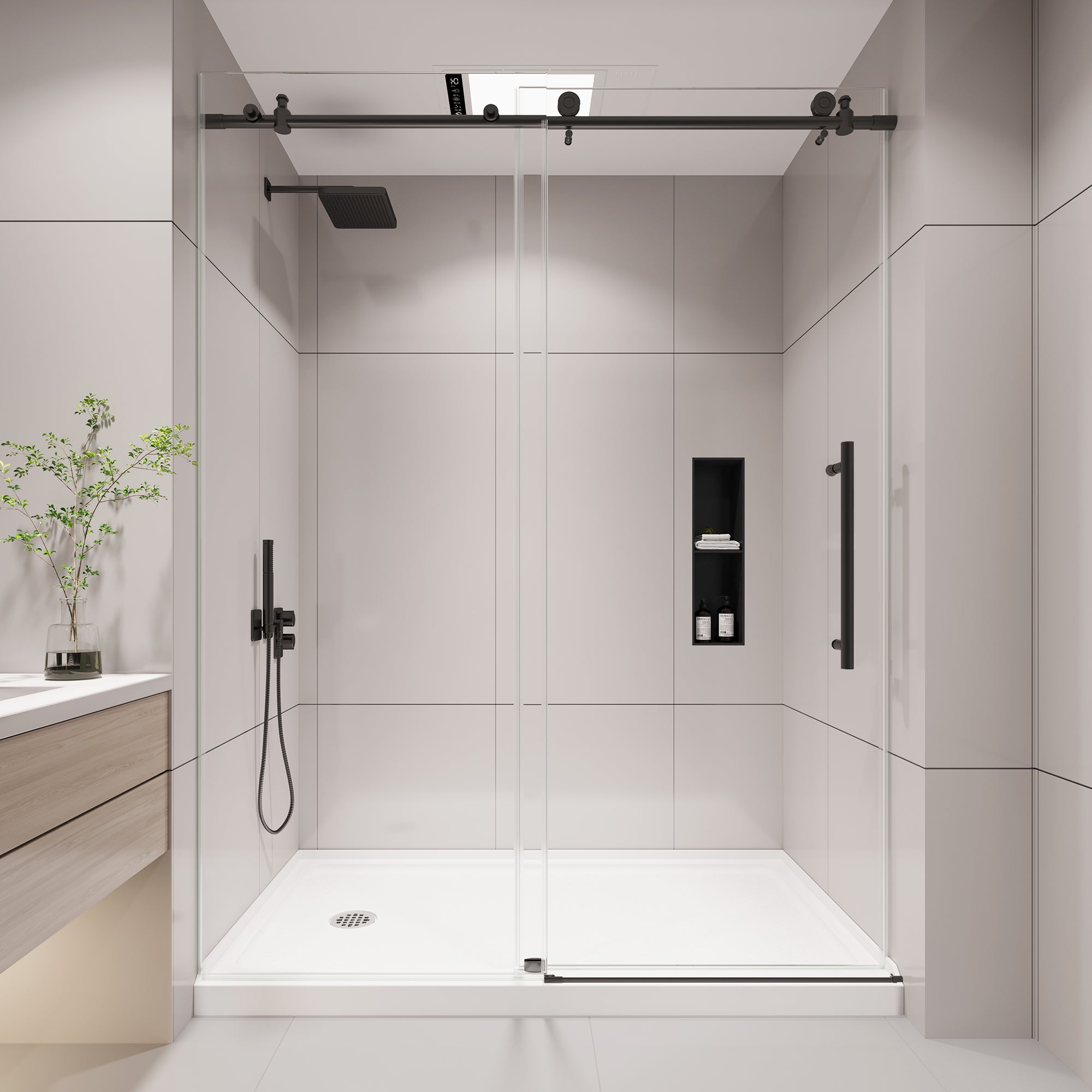
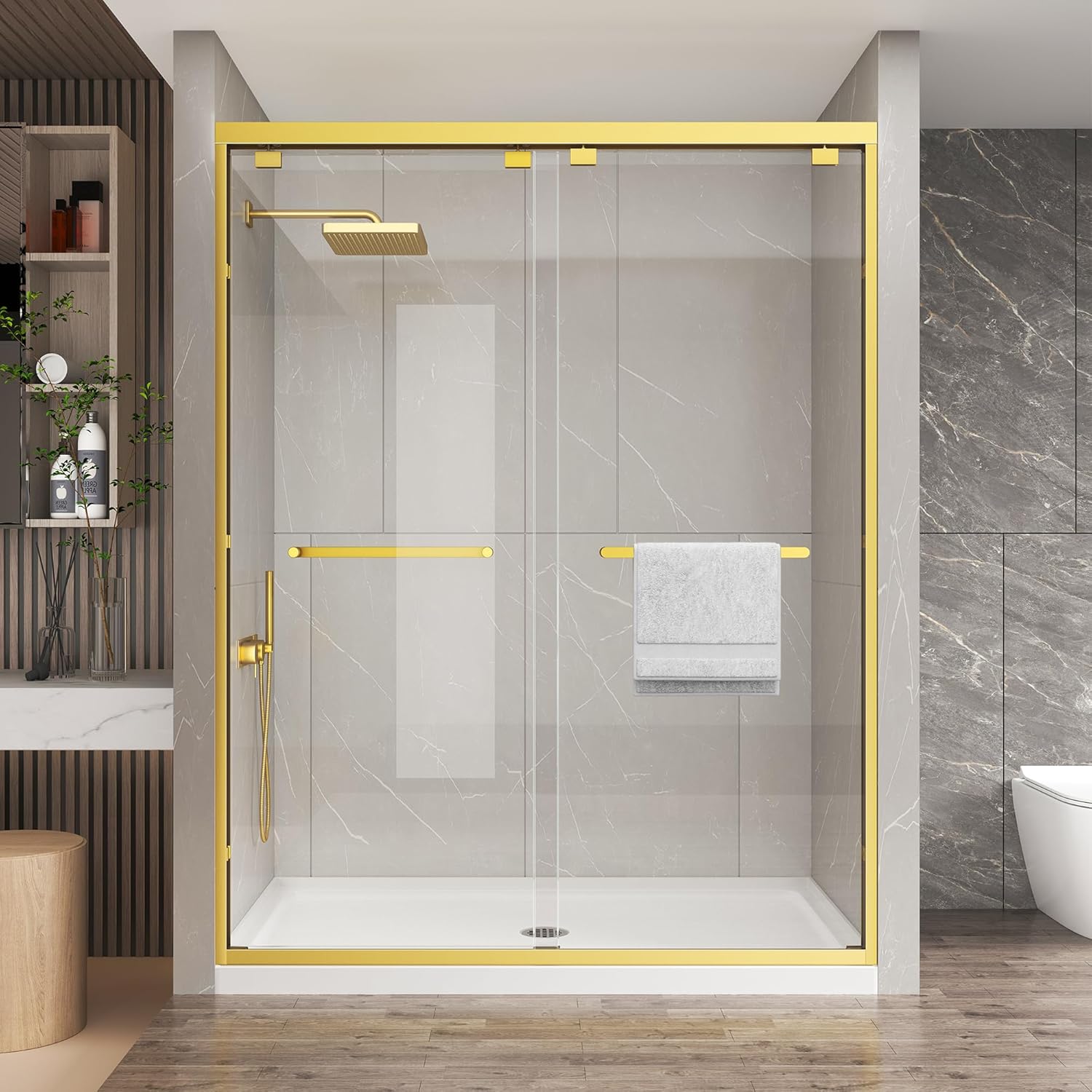
Wet rooms look clean and open, but splash control gets unforgiving fast once the tile is in and the drain is set. A screen that is too short, too narrow, or placed without checking the floor slope can leave water where you do not want it. The right wet room screen depends on the opening, the shower spray pattern, the drain location, and how much glass the room can handle without crowding the layout.
The Short Answer
A wet room screen works best when it is sized to block the shower spray, placed to support the floor slope toward the drain, and matched to the finished opening after tile. Start with the finished dimensions, not the rough framing. In most remodels, the best screen is tall enough to stop splash, wide enough to protect the entry path, and positioned so water naturally returns to the drain.
Splash Control Basics
Wet room planning is less about enclosing the shower and more about controlling where the water goes. A screen only needs to block the part of the spray that escapes the showering zone. That makes glass height, width, and placement more important than simply choosing the largest panel that will fit.
In a tight bathroom, a fixed panel often works better than a full door because it preserves walking clearance. In a larger wet room, a wider screen can protect the entry area and keep the toilet or vanity zone drier. The key is to think about the spray pattern from the shower head, handheld wand, and body jets if they are part of the layout.
Older homes often have walls that are not perfectly plumb, and that matters here. A panel that looks fine on paper may leave a larger gap at one side once it meets a wall that leans. That gap can turn into a splash path if it is not accounted for during measurement and installation.
For broader wet room layouts, KPUY Bathroom Screens are most relevant because the focus is on partial coverage, splash control, and open-plan showering rather than a fully enclosed room.
What actually keeps water in place
- Screen position relative to the spray, not just the drain.
- Floor slope that moves water back to the drain without puddling at the entry.
- Glass height high enough to interrupt the main spray arc.
- Side gaps that are small enough to avoid side splash but not so tight they create installation stress.
- Seal details at the wall, curb, or floor transition where the layout calls for them.
How to Measure the Opening
Measure the finished opening, not the framing cavity. If tile, backer board, or wall panels are still going in, the final dimension will change. That is one of the most common remodel mistakes in wet room planning.
Check width at the top, middle, and bottom of the opening. If the numbers are different, use the smallest practical finished measurement and note where the wall leans. Also check height from the finished floor to the planned top of the screen or support point. In a wet room, the floor surface itself matters because the slope affects how the panel sits visually and how water travels around it.
Tile thickness can change the final opening width more than many homeowners expect. A room that looked generous during demolition may feel tighter once backer board, mortar, and tile are installed. That is especially important if the screen sits near a vanity, toilet, or heated towel area.
- Measure the opening after the wall surfaces are finalized or carefully estimated.
- Record top, middle, and bottom width.
- Check left and right wall plumb with a level.
- Measure finished floor height and slope direction.
- Mark the shower spray centerline and likely splash zones.
- Confirm nearby clearance for doors, drawers, and walking paths.
| Screen choice | Best use case | Main advantage | Main limitation |
|---|---|---|---|
| Fixed panel | Open wet rooms with a defined shower zone | Simple splash control with minimal visual bulk | May not block angled spray without proper placement |
| Wider screen | Rooms with stronger spray or a wider entry area | Better protection for adjacent floor space | Needs more accurate sizing and support planning |
| Shorter partial screen | Light spray and compact layouts | Less obstruction in tight rooms | May allow more overspray in active showers |
Drainage and Floor Slope
Drainage is where wet room projects succeed or fail. A beautiful screen will not fix a floor that sends water the wrong way. The floor needs enough slope to move water toward the drain without creating a feel of standing water underfoot or a sharp transition at the entry.
A drain that looks centered in the old shower may not match the new base or screen layout. That happens often in remodels, especially when the room footprint changes or the old plumbing was not perfectly aligned. Before ordering anything, confirm where the drain lands relative to the screen and where the water naturally runs during use.
The curb or threshold height also matters. Even in a low-entry wet room, you still need a sensible transition that supports water containment. If the threshold is too low for the floor slope and spray volume, water can migrate into the dry zone. If it is too high, the room may feel awkward to step through and may affect accessibility planning.
For layout planning centered on slope, threshold, and drain placement, KPUY Shower Bases are a useful reference point because the base design sets the drainage path and finished shower footprint.
Plumbing and code questions should be checked against local requirements and recognized standards resources such as IAPMO or ICC. Those references help with code context, but field conditions still need to be verified on site.
Drain and slope checks that save rework
- Confirm the drain location before the finish surfaces are locked in.
- Check whether the floor pitch sends water away from the entry line.
- Look for any reverse slope near corners or wall transitions.
- Verify that the screen does not force water to pool behind a lip or at a seam.
- Plan the threshold height with both drainage and step-over comfort in mind.
Choosing Glass Size and Placement
Glass size should be based on splash behavior and room proportions, not just aesthetics. A taller screen blocks more spray, but it also adds visual weight and can expose out-of-plumb walls more clearly. A wider screen covers more floor, but only if the room has enough tolerance for the added footprint and support requirements.
The practical starting point is the shower head location. If the head faces straight out toward the room, you need more coverage than if it sprays down along the long axis of the shower zone. Handheld sprays can also change the calculation because they are often aimed more freely during rinsing.
Glass thickness and hardware clearance matter too. Thicker glass can feel more substantial, but it also demands the right anchors, support points, and edge clearances. If wall anchors do not land on solid backing or planned stud locations, the installation can become messy fast. Do not assume the tile alone will carry the load.
For open-entry wet rooms, a well-placed fixed panel usually solves more problems than an oversized panel installed in the wrong spot. A smaller screen set in the correct position often controls splash better than a larger panel that leaves the spray path exposed.
Rule of thumb: choose the smallest screen that still blocks the spray path and protects the dry zone. In a remodel, more glass is not automatically better if it creates clearance problems or forces poor hardware placement.
Screen and Layout Comparison
The right layout depends on how the bathroom is used every day. The table below compares common planning choices without turning the decision into a one-size-fits-all answer.
| Layout factor | Better for | Watch-outs |
|---|---|---|
| Narrow screen | Small wet zones and light spray | May leave the entry exposed |
| Wider screen | Strong spray and larger wet rooms | Needs more careful measuring and support |
| High panel | Better splash blocking | More visible in a compact room |
| Low panel | Open feel and easier visual access | Less protection from spray drift |
| Offset placement | Rooms where the spray does not point straight outward | Must align with actual shower use, not just the center of the base |
Installation Notes That Matter
Wet room screen installation usually goes smoother when the prep work is done carefully. Start with the wall structure, because the screen hardware needs real support. In many remodels, the wall is finished beautifully but the anchor points were never planned. That is where delays start.
If the walls are tiled, remember that the final surface is thicker than the backer board alone. That changes the hardware projection and the actual glass-to-wall relationship. A few millimeters matter more than homeowners expect, especially in smaller rooms where a drawer, toilet lid, or door casing is nearby.
Silicone sealing should be used as part of water containment, not as a fix for bad sizing. The panel still needs to fit the opening correctly. Seal at the contact points the installation design calls for, and leave the room’s slope and drainage system to do their job.
Jobsite reality: a vanity drawer may clear the room on paper but still hit the door casing once the screen and trim are installed. Always test adjacent clearances before finalizing the layout.
If you are pairing a screen with other bathroom upgrades, KPUY has a relevant Bathroom Screens collection for open wet-room planning. That is useful if you are comparing panel coverage, opening style, and how much splash protection your floor plan needs.
Visual Planning


Frequently Asked Questions
How tall should a wet room screen be?
It should be tall enough to interrupt the main spray from the shower head and handheld wand. In practice, height depends on spray angle, ceiling height, and how open the room is. A taller screen helps with splash control, but only if the room can handle the visual scale and the hardware can be supported properly.
Do I need a curb in a wet room?
Not always, but you do need a floor design that controls water movement. Some wet rooms use a very low threshold or a level transition, while others use a more defined curb. The right choice depends on slope, drain placement, and local code requirements. Check the layout before finalizing the screen size.
Should I measure before or after tile?
Measure after tile if the wall surface is already finished. If the tile is not installed yet, account for the full finished thickness of the wall build-up. That includes backer board, thinset, and tile. A screen ordered off rough framing numbers can end up too tight or too small once finishes are in place.
What to Do Before You Order
Start with the finished opening, confirm the drain location, and decide how much spray the room actually needs to contain. Then check wall plumb, floor slope, and nearby clearances before you choose glass size. That sequence prevents most wet room screen mistakes.
If you are planning an open bathroom layout and need a partial glass solution, the most relevant place to start is the Bathroom Screens collection. Use it as a layout reference, then match the screen to your finished dimensions, drain plan, and daily use pattern.
For homeowners working through a remodel in 2026, the practical trend is clear: simpler layouts with better water control. That means fewer assumptions, more careful measuring, and a screen that fits the room you actually have, not the room you hoped was there.

Leave a comment
All comments are moderated before being published.
This site is protected by hCaptcha and the hCaptcha Privacy Policy and Terms of Service apply.