
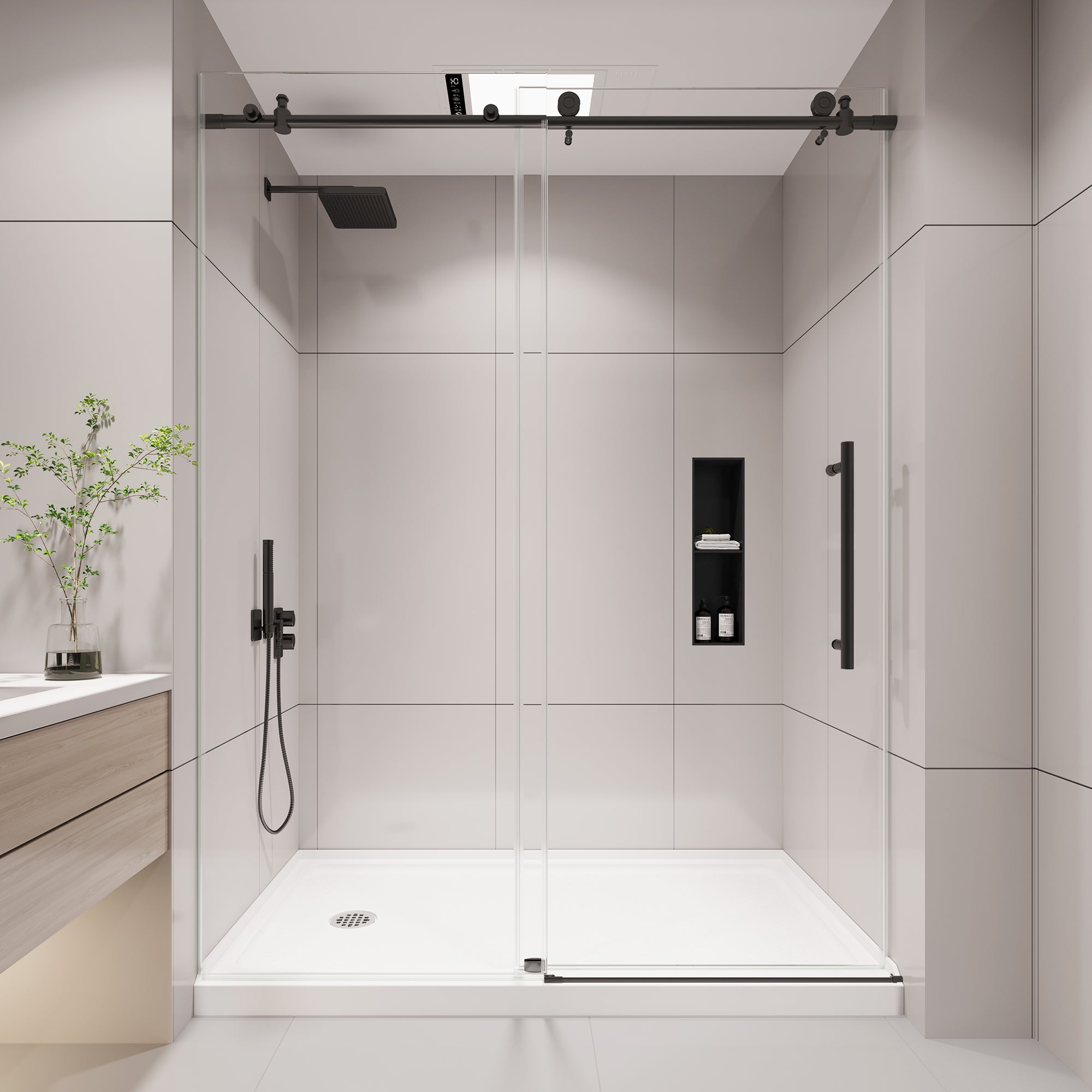
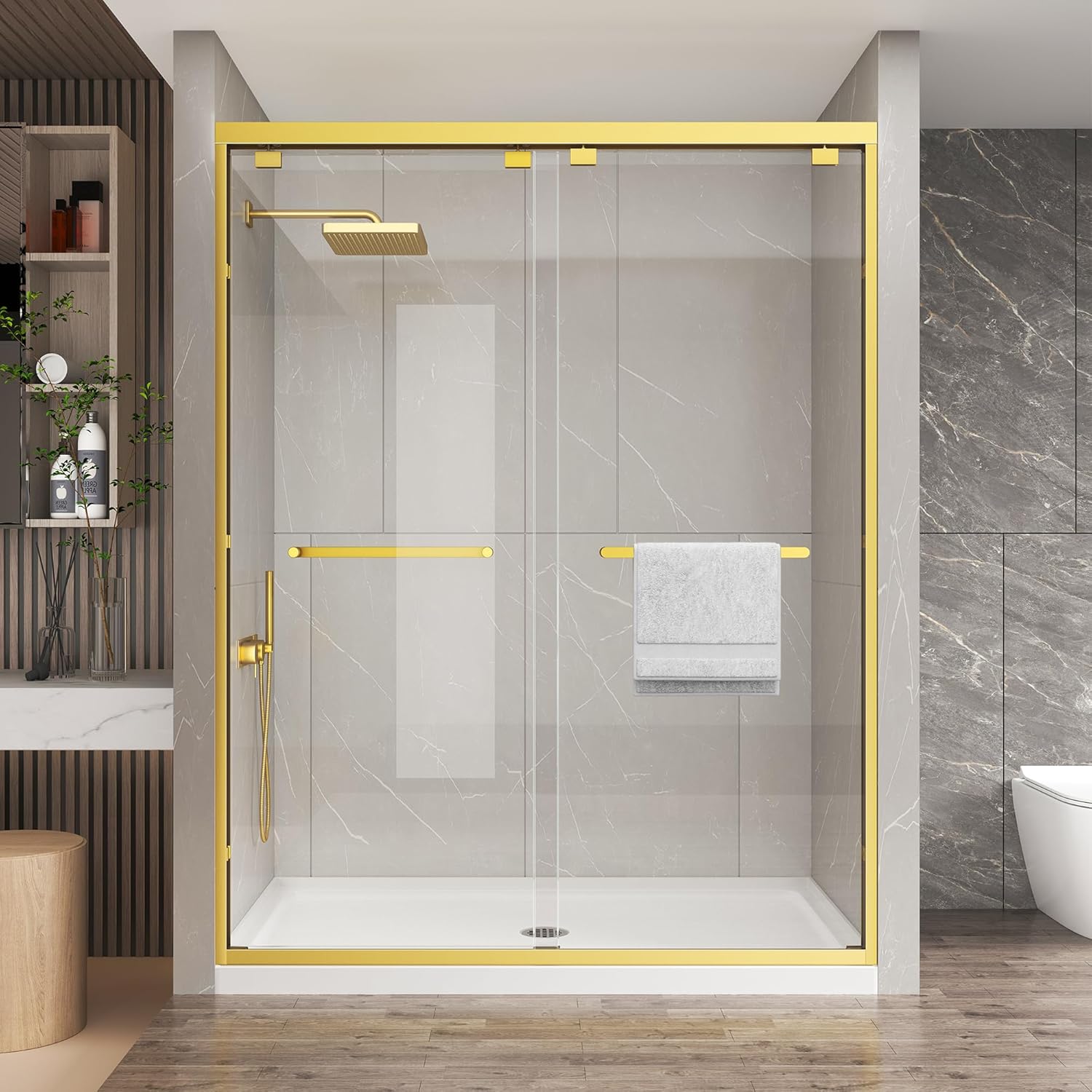
Bathroom remodels in 2026 are getting tighter on footprint and smarter about use, which is why the shower door layout matters as much as the tile or fixture finish. A pivot door can work beautifully in the right opening, but the wrong layout can create clearance problems, splash issues, or a door that simply feels awkward every day. Start with the finished opening, not the old door size.
The Short Answer
The best pivot shower door layout for a 2026 remodel is the one that matches your finished opening, clearance around the shower, and water containment needs. Use a swing layout only if the door can open without hitting a toilet, vanity, or wall. In tighter rooms, a hinged door with a fixed panel or a different door type may work better than forcing a swing that has no room.
How to Choose the Right Pivot Layout
A pivot shower door is a good fit when you want a simple swing motion, clear access, and a clean opening without a full track system. The layout choice is usually driven by the room, not the glass style. In remodel work, the opening often changes after tile, cement board, waterproofing layers, and trim are installed, so the rough opening is only a starting point.
Older homes often have walls that are not perfectly plumb. That matters with pivot doors because the hinge side and latch side must land square enough for the glass to operate correctly. If the opening is slightly out of square, a small adjustment may be manageable. If the walls lean, the floor slopes unevenly, or the curb is not level, the door can bind or leave an uneven gap.
If you are comparing pivot layouts with other shower door styles, keep in mind that KPUY Pivot Shower Doors are most relevant where swing clearance is available and the shower opening is wide enough to support a hinged entry without crowding the room.

Measurements That Decide the Layout
Do not size a pivot door from one measurement at the old frame. Measure the finished opening at the top, middle, and bottom. Record all three numbers because the width can change across the height of the opening. Also check the diagonal measurements if the opening looks out of square. A door that fits at the top may pinch at the bottom if the jambs lean.
Tile thickness changes the final dimension more than many homeowners expect. A wall that seems wide enough before tile can end up too tight after the finished surface is installed. That is why door selection should happen after the wall build-up is known, not before. If you are replacing a tub or changing the shower footprint, rough-in dimensions and finished dimensions can differ by enough to affect glass fit and hinge placement.
Drain location and curb height matter too. A pivot door does not care where the drain sits, but the rest of the shower does. If the base is being rebuilt, the curb slope must still move water back toward the shower, and the threshold height must be high enough to help contain splash without creating an awkward step.
| Pivot Layout Factor | What to Check | Why It Matters |
|---|---|---|
| Opening width | Top, middle, and bottom measurements | Shows whether the opening is square enough for hinge alignment |
| Swing clearance | Toilet, vanity, towel bar, and nearby wall clearance | Prevents the door from hitting fixtures or walls |
| Wall condition | Plumb, tile thickness, and solid backing locations | Supports stable hinge attachment and proper alignment |
| Water control | Curb height, seal placement, and door swing direction | Helps manage splash and reduce water escaping the shower |
| Floor level | Uneven subfloor or sloped finished floor | Affects threshold fit and how the door closes across the opening |
For broader planning on shower openings and glass layouts, the general Pivot Shower Doors collection is useful once the finished opening and swing direction are known.
Pivot Layout Comparison
The right pivot layout depends on how the bathroom is used every day. A guest bath with little traffic can tolerate a different swing pattern than a primary bath used by two people in a rush. Think through the door path before you order glass.
- In-swing pivot: Good for keeping the door away from the main room, but it needs enough shower depth and internal clearance.
- Out-swing pivot: Often easier to enter and clean, but it demands clear floor space outside the shower.
- Center-pivot style: Can feel balanced on wider openings, but it may need tighter planning for both inside and outside clearance.
- Offset-hinge layout: Useful when the opening is not centered on the shower footprint, though wall conditions must be checked closely.
- Pivot with fixed panel: Helpful when you need more splash control without making the door wider or heavier.
The decision is usually less about appearance and more about traffic flow. If a door opens into the room and clips a vanity edge or blocks the path to a linen cabinet, the layout is wrong no matter how well it looks on paper. A door that opens inward may protect the bathroom floor from splash better, but it can also feel tight if the shower is shallow.
In 2026 remodels, homeowners are also paying more attention to hardware finish coordination and visual balance. Matte black and brushed metal finishes both work, but the layout should come first. A clean hinge line is no help if the door cannot clear the toilet paper holder.

Installation Planning Details
Pivot door installation starts with solid backing where the hinges land. Wall anchors are not a substitute for proper blocking when the hardware is carrying real glass weight. If the walls are being opened during the remodel, confirm stud locations and add backing before tile goes up. After the tile is finished, finding solid attachment points becomes much harder.
Glass thickness and hardware clearance also affect the layout. Thicker glass can feel more substantial, but it needs the right hinge set and more careful adjustment. If the glass edge lands too close to a tile return or trim piece, the door may not swing freely. That is why finished wall dimensions matter more than rough framing dimensions.
Silicone sealing should support water containment, not try to fix a bad layout. Seal the fixed contact points and follow the door system’s intended water path, but do not rely on caulk alone to make an undersized or misaligned door work. A proper curb slope, good threshold detail, and correct panel positioning do more to control splash than extra sealant.
For code context and general safety planning, it is smart to review guidance from sources such as the NKBA and the CPSC, especially when the remodel affects glass placement, accessibility, or household traffic patterns.
- Measure the finished opening at the top, middle, and bottom after wall build-up is known.
- Check the floor for slope, the walls for plumb, and the opening for square.
- Confirm swing clearance near toilets, vanities, and door casings.
- Locate studs or blocking for hinge support before final wall finish.
- Verify curb height, threshold detail, and how the door will manage splash.
- Allow for glass thickness, hinge hardware, and final adjustment range.
- Recheck measurements before ordering because tile and trim can change the opening.
Older remodel jobs often expose surprises after demo. A drain that looked centered from above may not line up with the new base. A wall that seemed straight can lean enough to change the reveal at the latch side. These are normal field issues, and they are exactly why pivot door layouts should be planned around the finished room, not the original one.
Common Layout Mistakes to Avoid
Most pivot door problems come from trying to force the layout around a bathroom that was not measured carefully enough. Avoid these common errors:
- Measuring only once instead of checking top, middle, and bottom widths.
- Ignoring tile thickness when estimating the final opening.
- Choosing a swing direction before checking toilet and vanity clearance.
- Assuming a level floor when the subfloor or tile slope is uneven.
- Using sealant to compensate for a poor fit instead of correcting the layout.
- Skipping solid backing where the hinges or strike side need support.
Another common miss is door-to-cabinet interference outside the shower. A vanity drawer may clear the room on paper but still hit the door casing once the pivot door is open. The same problem shows up with towel hooks, light switches, and medicine cabinet edges. Walk the door path with the room dimensions in mind before the final order.
For homeowners comparing pivot layouts with different enclosure options, KPUY Pivot Shower Doors is the collection to review after the measurement plan is set and the opening type is confirmed.
Frequently Asked Questions
How wide should a pivot shower door opening be?
There is no single width that works for every bathroom. The opening needs to match the door system and still leave room for safe swing and comfortable entry. Measure the finished width at several points and make sure the walls are square enough for the hinge layout. If the opening varies too much, a different shower door type may be easier to fit.
Should a pivot door open in or out?
That depends on the bathroom layout. In-swing can help keep water inside the shower area, but it needs internal clearance. Out-swing can feel easier in a wider bathroom, though it needs free space outside the enclosure. Check the nearby toilet, vanity, and traffic path before deciding.
Do I need professional installation for a pivot shower door?
Not always, but pivot doors are less forgiving than they look. If the opening is out of plumb, the glass is heavy, or the walls need blocking, professional installation is often a safer path. At minimum, make sure the final measurements are verified after tile and trim are complete.
Final Takeaway
The best pivot shower door layout for a 2026 bathroom remodel is the one that fits the finished opening, clears nearby fixtures, and supports good water control without forcing the hardware. Measure carefully after wall build-up, check plumb and slope, and think through how the door moves in daily use. If you are narrowing your options, start with the Pivot Shower Doors collection and match the layout to the real room, not the old opening.

Leave a comment
All comments are moderated before being published.
This site is protected by hCaptcha and the hCaptcha Privacy Policy and Terms of Service apply.