
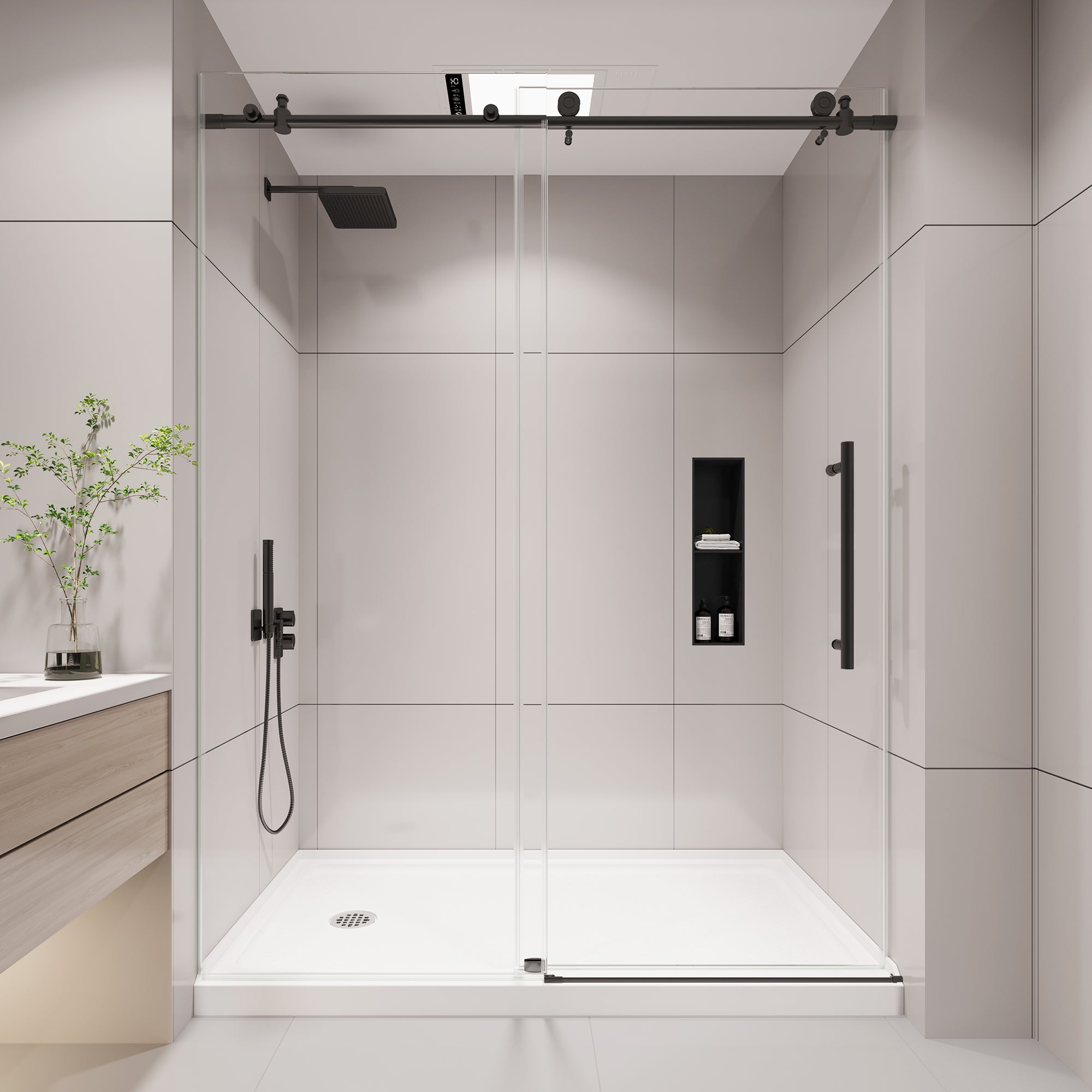
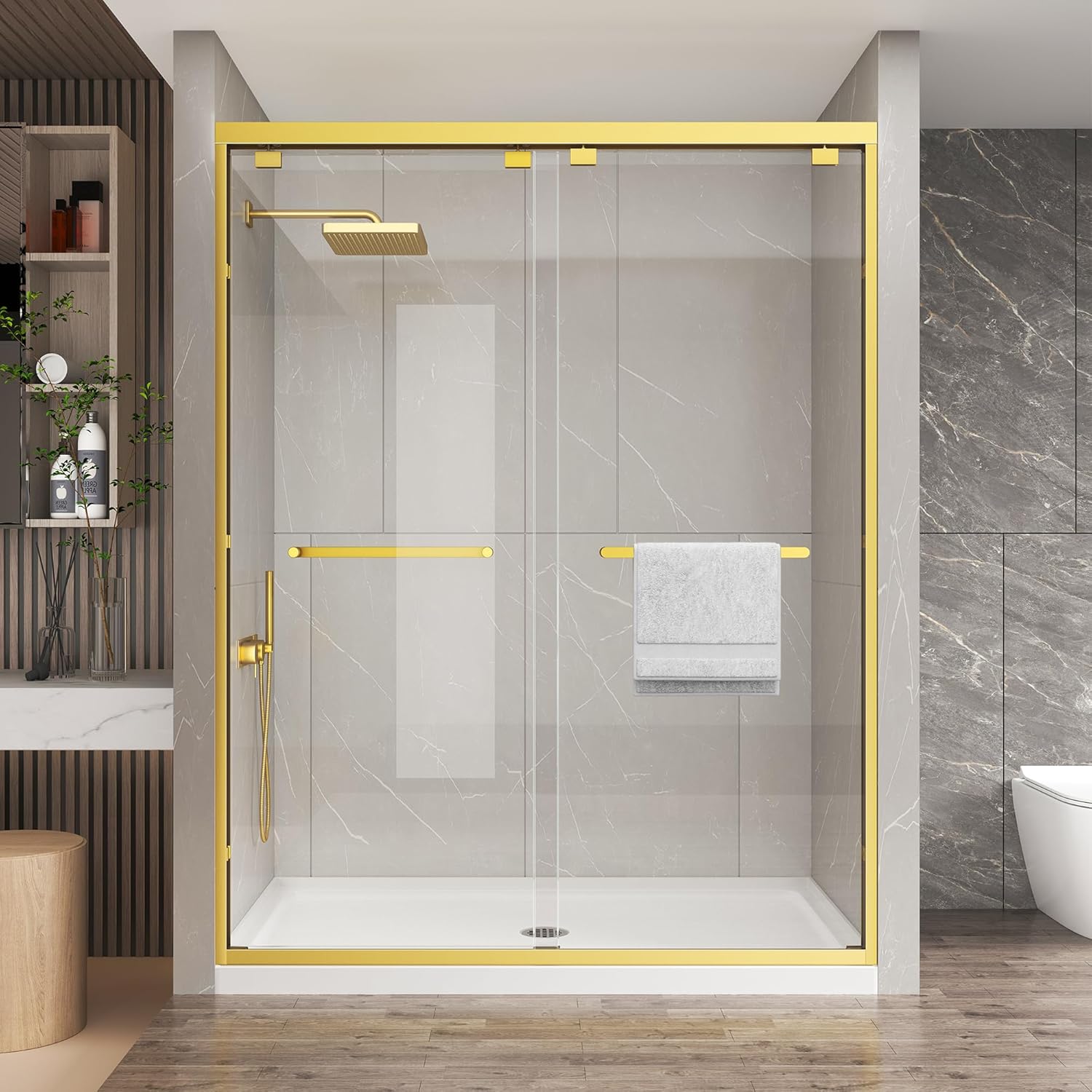
Black shower doors are still a strong 2026 design choice, but they are not the right fit for every bathroom. The finish looks sharp in the right setting, yet it can feel too heavy in a small room, too busy against certain tile patterns, or too trend-driven if the rest of the bath is changing again soon. The key is to judge the door against the room layout, lighting, and the kind of remodel you are actually building.
The Short Answer
Black shower doors are not too trendy if the bathroom has enough contrast, the hardware lines match the room, and the remodel is built around a finish that will age well with the rest of the space. They can look dated faster in very style-driven rooms, but in a simple, well-measured layout, matte black is still a practical choice for 2026. For many homeowners, the question is less about trendiness and more about whether the door suits the room’s size, light, and materials.
Why Black Shower Doors Work
Black framed or black-hardware shower doors hold up because they add visual definition. In a bathroom with white tile, soft stone tones, or light grout, the lines read clearly and help the shower enclosure look intentional. That matters in remodeled baths where the glass is part of the design, not just a barrier.
They also photograph well and fit the current move toward stronger contrast in bath design. That does not automatically make them a fad. Strong contrast has been a steady part of bathroom planning for years, especially in spaces where the homeowner wants the shower to anchor the room instead of disappear into it.
For homeowners looking at Black Shower Doors, the main benefit is not just appearance. Black hardware can help define the opening, outline a niche or tile border, and coordinate with other dark accents like faucets, mirror frames, or cabinet pulls. That works best when the rest of the room is balanced, not overloaded with competing finishes.
According to the NKBA, good bathroom design starts with proportion, function, and material coordination. That is the right lens for this finish: choose it because it suits the room, not because it is the only current look on social media.

When They Start to Feel Too Trendy
Black shower doors can feel overly trendy when the bathroom already has several bold design choices competing for attention. Think heavy patterned tile, dark wall paint, black plumbing fixtures, black lighting, and dark cabinetry all in one room. The door then becomes one more strong statement instead of a clean anchor.
They can also feel dated faster in certain remodels if the rest of the bath is built around short-lived style cues. If your overall plan is a neutral, long-term bathroom, a black frame still works. If the plan is highly decorative and likely to change again in a few years, a lighter visual finish may age more quietly.
Another issue is room size. In a small bath, heavy black lines can make the shower enclosure feel visually larger than the actual footprint. That is not always a problem, but it matters in narrow alcoves or tight tub-to-shower conversions where every visual line counts.
- Small bathrooms: black frames can look bold fast, especially with limited daylight.
- Busy tile patterns: the door may compete with the surface instead of framing it.
- Mixed metal finishes: too many hardware colors can make the room feel unsettled.
- Short-term remodels: if you plan to rework the bath again soon, a quieter finish may hold up better.
- Low maintenance expectations: black hardware still shows soap film, dust, and hard-water residue.
There is also a practical maintenance side. Matte black does not hide cleaning neglect. Water spots, mineral buildup, and lint from towels can show on dark finishes, especially around handles and bottom tracks. That does not make the finish a bad choice, but it does mean the homeowner should expect regular wipe-downs.
For safety and glass planning, the CPSC is a useful reference point for general home safety awareness. Shower doors should be treated as tempered safety glass assemblies with proper installation, secure anchoring, and correct clearance around moving panels.
What to Measure Before Ordering
Start with the finished opening, not the old door. If the walls are being tiled, painted, or reworked, measure after the surfaces are in place or account for the finished thickness. Tile thickness, backer board, mortar, and wall finish can change the final opening enough to affect the fit.
Older homes often have walls that are not perfectly plumb. A shower opening may measure differently at the top, middle, and bottom. That is normal. The important part is knowing the smallest finished dimension and checking whether the door system can handle out-of-plumb conditions.
Use a tape measure at three points and check the floor level where the base or curb meets the door. A curb that slopes the wrong way or a threshold that is out of level can create sealing problems even if the opening width looks correct on paper.
- Measure finished width at the top, middle, and bottom of the opening.
- Measure finished height on both sides if the walls may be uneven.
- Check plumb on both jamb walls.
- Confirm curb width, threshold height, and slope direction.
- Verify wall thickness after tile or panel finishes are installed.
- Check door swing clearance or sliding track clearance against nearby fixtures.
- Confirm hardware mounting locations and any stud or anchor requirements.
A drain that looks centered may not line up with the new shower base. That becomes relevant if the remodel includes a new shower base or a change in curb placement. Start with the base and finished opening together so the enclosure and pan work as one system. If you are still planning the floor, KPUY Shower Bases is the more relevant place to think through threshold height, drain location, and the footprint before you lock in the glass.
| Planning Item | Why It Matters | Common Mistake |
|---|---|---|
| Finished opening width | Determines whether the door fits the actual wall-to-wall space | Measuring before tile or wall finish is complete |
| Plumb walls | Affects glass alignment, seals, and hinge or track performance | Assuming the opening is square because the old door looked square |
| Curb and threshold | Influences water containment and door sweep placement | Ignoring slope or finished height changes after flooring work |
| Hardware clearance | Prevents handles, tracks, and swing doors from hitting nearby fixtures | Forgetting towel bars, toilets, or vanities near the opening |
| Drain and base layout | Shapes the shower footprint and may affect the whole enclosure plan | Choosing glass before the shower base is finalized |
Finish and Hardware Comparison
If you are debating black against a lighter metal finish, focus on how each one reads in the room rather than on trend cycles. Matte black gives sharper contrast and stronger outline. Brushed nickel or other softer finishes usually fade into the background more easily. Neither is automatically better; the right choice depends on the tile, lighting, and cabinet hardware already in the bath.
Black hardware works best when the room needs a clear frame around the shower opening. Subtle finishes work best when the goal is a lighter visual field or when the bathroom already has enough contrast elsewhere.
Think through these practical differences:
- Visibility: black frames outline the shower; lighter metals soften the look.
- Cleaning appearance: black may show soap residue and dust more quickly.
- Design fit: black pairs well with white, oak, concrete looks, and restrained tile layouts.
- Longevity: simpler rooms usually hold up better than highly themed rooms.
- Coordination: mix finishes carefully so the shower does not fight the faucet, mirror, or lighting choices.
If the bathroom uses a frameless layout or minimal hardware, the visual weight of black can change a lot depending on the profile size and glass thickness. A heavier-looking border may not bother a homeowner in a larger primary bath, but it can overpower a compact guest bath. If the remodel calls for a simpler glass-first approach, KPUY Frameless Shower Doors is the more relevant collection to review for planning purposes.
Installation Factors That Matter
The finish only works if the installation is right. That starts with wall support, especially where hinges, fixed panels, or tracks anchor into tile and framing. Stud locations matter. So do wall anchors, substrate conditions, and any remodeling surprises discovered after demolition.
One common jobsite issue is that the opening looks acceptable until the old unit comes out and the walls reveal previous patchwork, moisture damage, or uneven backing. If the framing is not sound, the glass system should not be forced into place just to preserve the original plan.
For a pivot or swing door, door swing clearance becomes critical. A handle can hit the vanity edge, a toilet paper holder, or even the toilet itself if the layout is tight. For a sliding door, track alignment matters more than swing space, but the opening still needs to be level enough for smooth operation and proper sealing.
Water containment is another real-world issue. Black frames do not solve drainage or splash control. Silicone sealing, curb slope, bottom sweep placement, and wall alignment all matter. A neat-looking enclosure can still leak at the corners if the threshold and wall surfaces were not planned carefully.
Lighting also affects the way black reads. In a warm-light bathroom, the finish can feel softer and more intentional. In a cool, bright space, the contrast is more stark. That does not change function, but it does change the visual result.
If you are also upgrading room lighting, keep outlet and switch planning in the design phase. Bathroom electrical placement matters for mirrors, task lighting, and other fixtures. Check local code and coordinate with a qualified professional as needed, especially where plumbing, tile, and electrical work overlap.
For code context on construction and remodeling standards, the ICC is a helpful reference point. Local requirements still control the project, but code awareness should be part of the planning conversation before you order materials.

Pre-Order Checklist
Before you commit to black shower doors, make sure the room supports the finish and the hardware. A good-looking enclosure starts with the right opening, the right movement, and the right level of visual balance.
- Confirm the finished opening width after all wall surfaces are complete.
- Check whether the walls are plumb enough for the selected door style.
- Decide if the room needs sliding, pivot, or fixed-panel access.
- Verify swing clearance if the door opens into the room.
- Review curb height, threshold slope, and water containment details.
- Match the hardware finish to the rest of the bathroom without overdoing contrast.
- Measure nearby fixtures so handles and panels do not interfere.
- Review the shower base and drain location before finalizing the glass order.
Do not order based on the old enclosure size alone. Remodels almost always change the finished opening in small ways. Tile thickness, wall flattening, and base replacement can all shift the final dimensions enough to matter.
Do not ignore the room’s visual balance. Black shower doors look strongest when the rest of the bathroom supports them. If the room already has strong patterns or multiple dark surfaces, the door may feel heavier than intended.
Frequently Asked Questions
Do black shower doors go out of style quickly?
They can age well if the bathroom design is restrained and functional. The finish is more likely to feel dated in a room that relies on very trend-specific colors or busy patterns. If the rest of the remodel is neutral and well proportioned, black hardware usually reads as a durable design choice rather than a short-lived one.
Are black shower doors harder to maintain?
They are not harder to maintain in a structural sense, but they can show soap residue, dust, and hard-water marks more clearly than some lighter finishes. Regular wiping after use helps. The glass itself still needs the same cleaning routine regardless of frame color.
What bathroom layouts suit black shower doors best?
They work well in bathrooms with enough contrast, good lighting, and a clear visual plan. Larger primary baths, simple tile layouts, and rooms with coordinated dark accents usually handle the finish well. In a small bath, it helps to keep the rest of the design quieter so the shower does not feel too heavy.
Final Takeaway
Black shower doors are not too trendy if they fit the room’s layout, lighting, and long-term plan. They become a problem only when they are used as a style shortcut instead of part of a measured remodel. Start with the finished opening, check the wall condition, and make sure the shower base, curb, and hardware all support the enclosure you want.
If black still feels right after the measurement work is done, it can be a practical and lasting choice. If you are still weighing layouts and hardware styles, reviewing the Black Shower Doors collection can help you think through the fit without locking into a trend-driven decision too early.

Leave a comment
All comments are moderated before being published.
This site is protected by hCaptcha and the hCaptcha Privacy Policy and Terms of Service apply.