
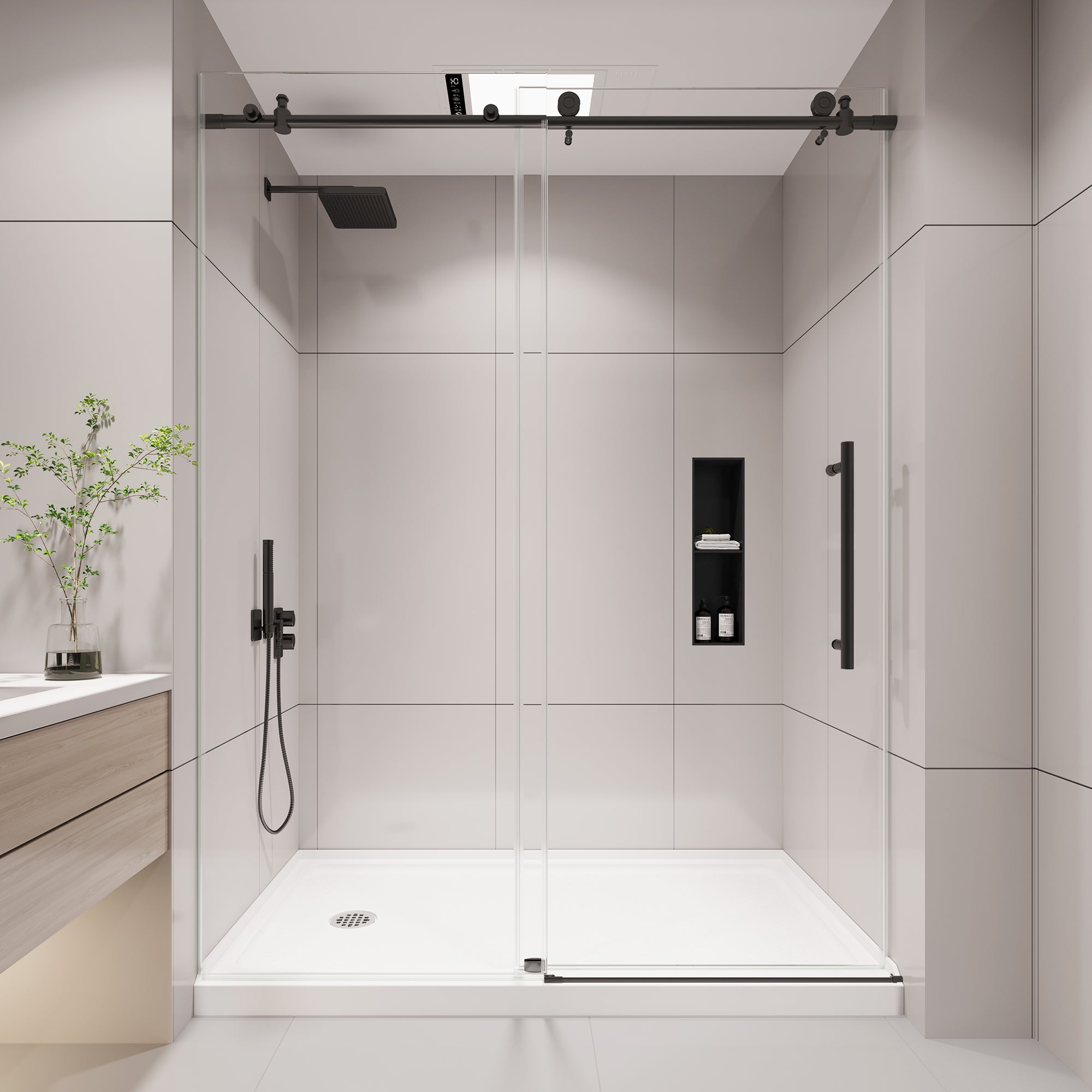
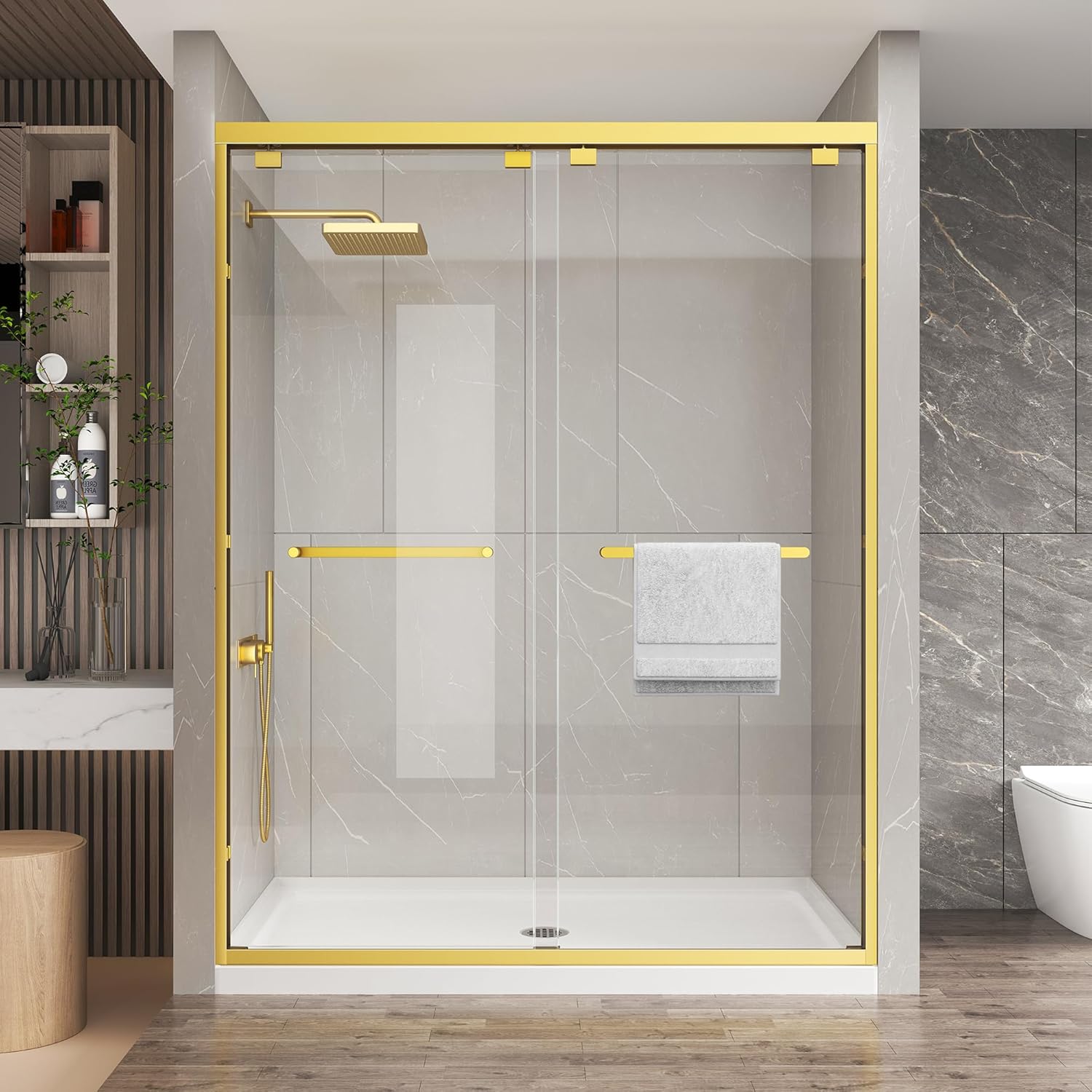
Picking a rectangular shower base sounds simple until you start measuring an older bathroom, find out the rough-in isn't standard, or discover your tile installer and glass guy expect different drain locations. I'm a bathroom remodeler with over 20 years on job sites across the U.S. — here I'll walk you through the real mistakes homeowners make when choosing a rectangular shower base and how to avoid them. This is practical, no-fluff advice that will save time, money, and prevent callbacks.
Quick answer
Short answer: Measure the finished wall-to-wall inside dimensions, confirm the drain rough-in and floor structure, pick a base that accounts for out-of-plumb walls and tile thickness, and verify the curb slope and drain location match your local plumbing rough-in. If you want a reliable starting point, compare pre-sloped acrylic or composite shower bases sized to your finished opening and order the pan after wall finishes are confirmed.
Most common buying mistakes
Homeowners and some designers make the same mistakes over and over. I see these on remodels and new builds:
- Buying to rough framing dimensions instead of finished dimensions — you must measure to the finished wall surface (tile, backerboard, waterproofing).
- Ignoring out-of-plumb walls — a 1/2" variance over a few feet can cause gaps or force adjustments to the shower door and tile.
- Wrong drain location — ordering a base with a center drain when plumbing is set for an offset drain (or vice versa).
- Underestimating curb slope — a flat or incorrectly sloped curb invites water to pool outside the shower.
- Choosing the wrong material or thickness — thin acrylic can flex, composite pans vary widely in strength and weight.
Measurement and rough-in rules
Before you order a shower base, do this checklist in the order listed:
- Confirm finished wall-to-wall measurements (tile to tile).
- Check the floor framing and substrate for level and deflection.
- Locate the drain rough-in horizontally and vertically — note finished floor height.
- Measure for door swing and glass clearance, leaving at least a 1/8" gap to avoid crash-fitting tempered glass.
Here’s a simple tolerance table I use on every bid sheet to set expectations with homeowners and plumbers:
| Item | Acceptable Tolerance | Action if out of tolerance |
|---|---|---|
| Finished wall spacing | ±1/8" | Shim or use foam backer; adjust wall tile layout |
| Drain horizontal location | ±1/4" | Use offset flange or re-run drain tee |
| Floor level across base | ±1/8" over 4' | Sister joist, level substrate, or use mortar bed |
| Curb top slope | 1/8" drop over 2" (min) toward shower | Reform curb with tapered mortar or preformed curb |
Use a laser level and a long straightedge when measuring. Don’t rely on tape alone in older homes — walls can lean several degrees and studs are not always where plans say they are.

Drain position, slope and construction
Drain location is non-negotiable. If the base and plumbing don’t line up, you either pay to relocate the drain or accept a bad fit. Here are the key things I check:
- Confirm drain center or offset — preformed bases list an exact location for the flange. Verify it against your rough-in before ordering.
- Check finished floor height — shower bases often need a few inches of fall to connect to the existing drain; confirm trap depth and joist space.
- Curb slope — the curb should slope slightly into the shower to stop backsplash; I expect at least a 1/8" drop from the outside face to the inside face of the curb.
When the drain will not line up, these are your options:
- Use an offset drain fitting beneath the base (works within limits).
- Install a thin mud bed and tile-ready waterproofing over the drain to re-center the drainage pattern.
- Move the drain location — this requires opening the subfloor and possibly repositioning joists.
For technical guidance, NKBA provides best-practice details for wet area layouts that are worth reviewing with your contractor: NKBA.
Material, durability, and safety
Shower bases come in acrylic, fiberglass-reinforced acrylic, gelcoat, solid surface, cast polymer, and tile-ready pans. Each has trade-offs:
- Acrylic/fiberglass pans — affordable and lightweight; check for adequate reinforcement to avoid flex.
- Cast polymer/solid surface — heavier, more rigid, better long-term performance.
- Tile-ready pans — best for custom slopes and specific drains but require a skilled installer.
Tempered glass thickness matters when you pair a base with a frameless door. Typical panel thickness ranges from 3/8" to 1/2" for frameless doors; ensure you leave a 1/8" to 3/16" clearance between glass and tile or curb for tolerance. If you’re shopping for both, I recommend reviewing the glass spec with your door provider first — they often need exact curb heights and finished tile depths to fabricate correctly. If you want matching glass, check KPUY Shower Doors for compatible sizing and options: Shower Bases.
Installer tips and tolerances
I write practical tolerances into every contract. Here are installation details that avoid callbacks:
- Mortar bed vs. pedestals: Some acrylic pans require a full mortar bed; others call for perimeter support with adjustable feet. Follow manufacturer instructions or risk voiding the warranty.
- Waterproofing overlap: Waterproofing membrane must go up the wall at least 2" above the finished curb height and meet the drain flange. No exceptions.
- Tile thickness allowance: When ordering the base, allow for tile height at the threshold so the door and curb match the finished floor.
Make sure the installer brings the actual base to the site before setting tile or installing glass. I never let a tile crew start finishing until the plumber and I have dry-fit the base and verified drain and door mockups. That simple step removes a lot of last-minute adjustments.

Real jobsite experience
I work on a lot of older houses where the walls are out of plumb and joists vary. Here’s a real example:
On a 1930s bungalow I recently remodeled, the studs leaned in toward the shower by 3/4" over 5'. The homeowner ordered a preformed rectangular base sized to the original plan and expected a smooth install. When we dry-fit, the base sat proud on one end and left a 5/8" gap at the top of the opposite wall. The fix required opening the wall, sistering a stud, and installing a tapered cement backer to get the tile plane right. That extra day of framing cost less than returning the costly tempered glass and re-fabricating a custom base.
Lessons learned from that job:
- Always measure finished surfaces.
- Order glass and base after walls are plumbed and tiled when possible.
- Plan for at least 1/4" cumulative tolerance per side for glass and trim.
FAQ
How do I know which shower base size to buy?
Measure the finished wall-to-wall inside dimensions (tile face to tile face) and subtract the grout joint if you're using thicker tile. Compare those finished dimensions to the manufacturer's labeled footprint. If you need a precise fit, order a base that lists the finished opening dimensions and allow for a 1/8" installation tolerance per side.
Can I use a rectangular shower base if my drain isn't centered?
Yes — many bases come with center or offset drain options. Confirm the drain rough-in horizontally and vertically. If it doesn't match, you can use an offset flange, a custom drain adapter, or install a tile-ready pan and create a slope to the existing drain. Keep in mind that offsets beyond 3"–4" usually require plumbing modification.
What slope should the shower floor and curb have?
The shower floor should slope at roughly 1/4" per foot toward the drain. Curbs should slope slightly inward — typically 1/8" from the outside top to the inside top — to keep water from pooling on the bathroom floor. If you're unsure, ask your installer to show the slope with a straightedge and level before tile goes down.
Next steps
Buying the right rectangular shower base is about aligning measurements, materials, and installers. Make sure you:
- Measure finished surfaces and verify drain rough-in.
- Confirm material and reinforcement to avoid flex.
- Allow installers to dry-fit and set expectations for tolerances in writing.
If you'd like to review compatible bases and sizes that fit common retrofit dimensions, look at the selection of Shower Bases then crosscheck drain locations and curb heights with your plumber. For technical layout guidance, reference industry best practices like those at the NKBA site: NKBA.
Final note: A small investment in accurate measuring and communication up front prevents the majority of problems I see on the job — misfit bases, re-ordered glass, and plumbing changes that add cost and delay. If you're uncertain, bring your contractor in for a site measurement before you finalize your order.

Leave a comment
All comments are moderated before being published.
This site is protected by hCaptcha and the hCaptcha Privacy Policy and Terms of Service apply.