
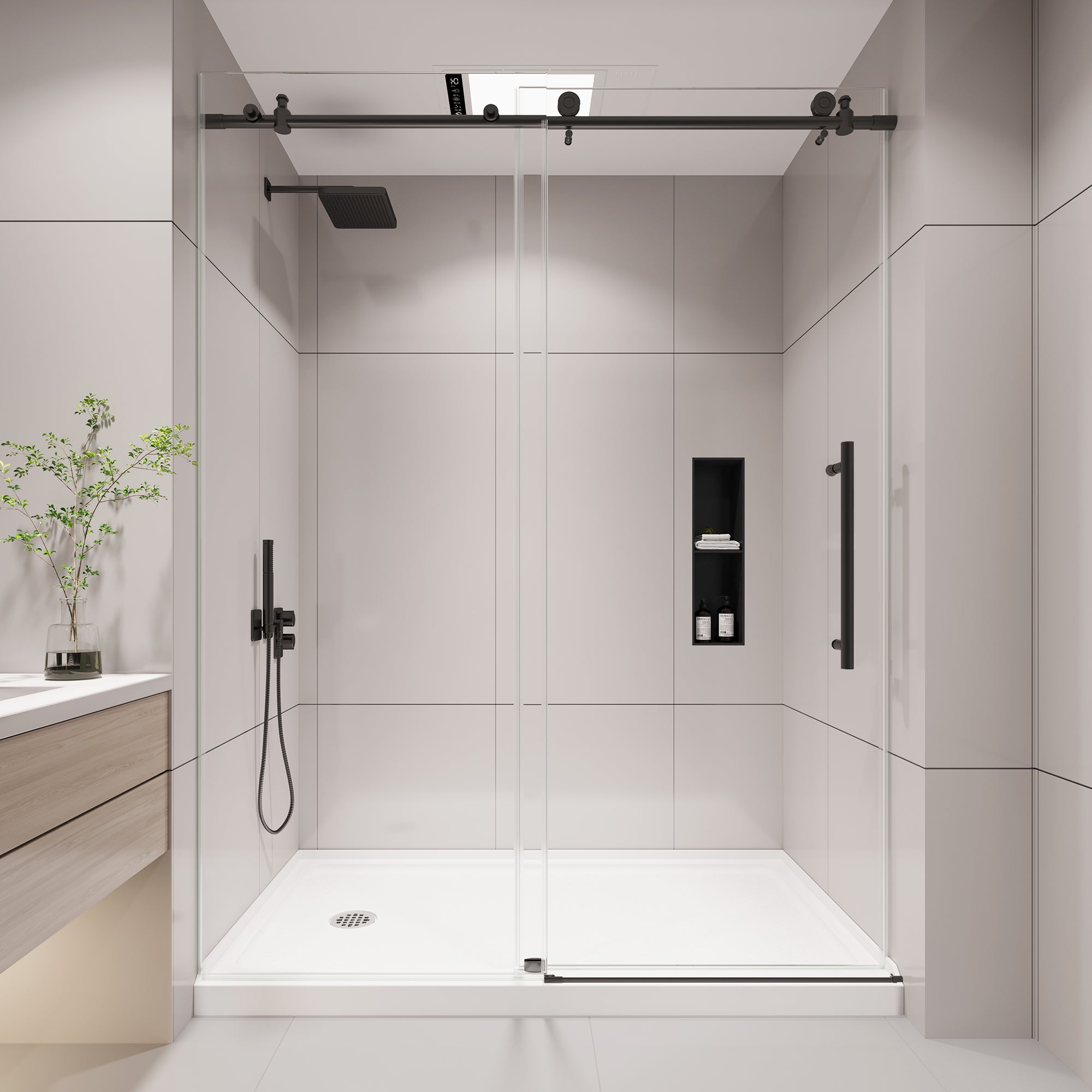
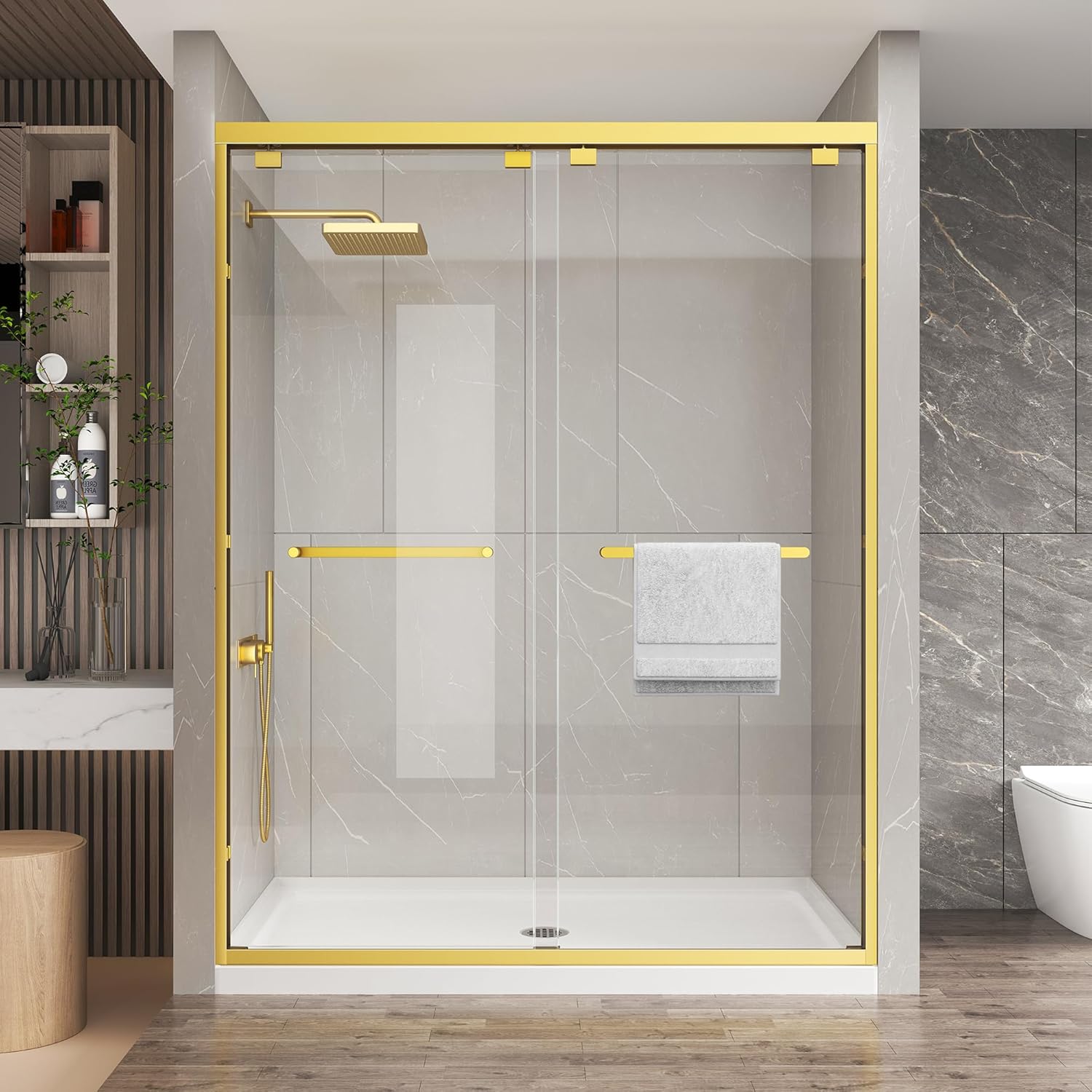
Frameless shower doors look simple from the outside, but the attachment details matter more than most homeowners expect. The glass is not just “hung on the wall.” It is supported by hinges, brackets, wall anchors, and in some cases stabilizing bars or clips that all depend on the finished opening, tile thickness, and wall structure being right.
In a remodel, the real question is not only how the door is attached, but whether the wall can hold it, whether the swing clears nearby fixtures, and whether the opening is square enough for the glass to seal and operate correctly. That is where careful planning pays off.
The Short Answer
Frameless shower doors are usually attached with heavy-duty hinges or pivot hardware anchored into wall studs or solid backing, plus brackets, clips, or support bars depending on the layout. The glass is tempered and cut to fit the finished opening, then secured with hardware and silicone. The exact attachment method depends on door swing, wall structure, glass weight, and whether the shower uses a single door, fixed panel, or both.
How Frameless Shower Doors Attach
Frameless shower doors rely on the wall structure behind the tile, not just the tile itself. Tile is the finished surface, but the real load is carried by framing, backing, or blocking inside the wall. That is why installers check for studs and solid support before they set hinges or brackets. A door that looks light can still put a lot of stress on the attachment points once it is in daily use.
Most frameless doors attach in one of three ways:
- Wall-mounted hinges that hold a swinging door and transfer weight into the wall.
- Clamps or U-channels that capture the edge of fixed glass panels and help stabilize the assembly.
- Support bars or headers that reduce flex on larger openings or where the wall needs extra bracing.
In many remodels, the hardware is drilled through tile and into blocking or stud-backed framing. If the wall cavity was not prepared for a frameless enclosure, a contractor may need to add blocking before the tile is installed. Without that support, the door can loosen over time or place stress on the tile and fasteners.
For homeowners comparing enclosure styles, Frameless Shower Doors are typically chosen for a cleaner look and fewer visible frames, but the installation depends more on accurate measurements and wall support than framed systems do.
When the opening includes a fixed panel and a hinged door, the fixed panel usually gets anchored first. Then the door is hung from hinges attached to that panel or to the wall. This sequence matters because even a small error in panel plumb will affect how the door closes and how the seals meet at the edge.
Why the wall structure matters
A frameless door is only as secure as its attachment points. Studs, blocking, or other approved solid backing give the hinge screws something substantial to bite into. Anchors alone are not enough for a heavy glass door unless the specific hardware and wall build are designed for it.
Older homes often have walls that are not perfectly plumb. That means the top, middle, and bottom of the opening may measure differently, and the glass may need to be cut to account for that variation. A door that is true on paper can still bind or leave a gap if the wall leans a little.
Hinges, Brackets, and Anchors
Each piece of hardware has a specific job. The hinge carries the moving weight. The bracket or clamp holds fixed glass in place. The anchor or fastener transfers load into the wall structure. On a clean-looking frameless install, those parts are doing the hard work behind the scenes.
Hinges are the main attachment for a swing door. They are usually mounted through tile into blocking or studs, and they must be aligned carefully so the door opens smoothly without dragging on the curb or floor. If the hinge placement is off even slightly, the door may swing on its own or fail to close squarely.
Brackets and clamps are used to secure fixed panels and sometimes to tie a door to a stationary piece of glass. They help control movement and keep the installation rigid. In a walk-in layout, these parts are especially important because the open end of the enclosure does not have a full frame to stiffen it.
Anchors are the fasteners that connect hardware to the wall. In shower work, the best attachment is usually into framing or solid backing rather than relying on tile alone. The tile is a finish layer; it should not be treated as structural support. That is one reason installers often locate studs before any holes are drilled.
Silicone is not the primary support, but it is still essential. It seals small gaps, helps limit water escape, and cushions minor surface irregularities. A properly sealed joint can make the difference between a dry threshold and a slow drip at the edge of the opening.
| Attachment Method | Where It Is Used | What It Depends On | Main Planning Concern |
|---|---|---|---|
| Wall hinges | Swinging frameless doors | Studs or solid backing | Door swing clearance and wall strength |
| Clamps or channel | Fixed panels and side glass | Plumb walls and correct glass sizing | Panel alignment and stable support |
| Support bar | Wider openings or taller glass | Ceiling or wall anchor points | Reducing movement and deflection |
| Anchors into backing | Most frameless hardware installs | Proper wall preparation | Fastener grip behind tile |
Glass thickness also affects the hardware choice. Frameless shower doors use thicker glass than many framed systems, so hinges and brackets must be matched to the weight and edge profile of the panel. If the hardware is undersized, the door may sag or the closing edge may drift out of alignment after repeated use.
For broader planning around enclosure layouts and glass configurations, KPUY also organizes options under KPUY Shower Doors, which can help homeowners compare door movement and opening styles before they commit to a layout.
From a code and safety standpoint, shower glass should be tempered where required and installed with attention to safe clearances and proper support. For general bathroom planning and safety context, resources from NKBA and CPSC are useful references.

What to Measure Before Installation
Start with the finished opening, not the old product label. In a remodel, the final size changes after tile, backer board, and wall finish are installed. A rough opening can be very different from the actual glass opening.
Measure the width at the top, middle, and bottom. Measure the height on both sides and, if possible, in the center. That gives you a clear picture of whether the opening is square and whether the walls are leaning. Older homes often reveal a noticeable difference between the top and bottom width, especially after new tile is added.
- Measure the finished width at the top, middle, and bottom of the opening.
- Measure the finished height on the left, right, and center if the opening is uneven.
- Check the wall for plumb with a level or straightedge.
- Confirm hinge-side backing or stud locations before drilling.
- Measure door swing clearance around the toilet, vanity, and nearby wall.
- Verify curb height, slope, and any transition at the threshold.
- Account for tile thickness and grout build-out before ordering glass.
Do not forget the floor. An uneven curb or out-of-level shower base can change how the door closes and how the bottom seal lands. A base that fits the footprint still needs the drain to land in the right place, and the threshold must slope correctly back into the shower to control runoff.
Why tile thickness changes the fit
Tile and setting materials reduce the finished opening. If a homeowner measures the rough framing before tile is installed, the glass may arrive too wide or too tall. That mistake is common in remodels because the opening can shrink after the finish surfaces are added. Measure after the wall build-up is complete whenever possible.
For shower-floor planning that affects door fit and threshold conditions, KPUY’s Shower Bases collection is relevant because base height, curb design, and drain placement all influence the final enclosure layout.
Common Remodel Issues
Frameless shower door attachment looks straightforward until the wall is opened up and the real conditions show up. That is where most surprises live.
- Out-of-plumb walls can make a door bind or leave a visible gap at the latch side.
- Missing blocking can force a redesign of hinge placement or require added wall repair.
- Uneven curbs or floors can affect the bottom sweep and water containment.
- Drain misalignment may matter more if a new base changes the usable shower footprint.
- Insufficient swing clearance can make a hinged door impractical near a toilet or vanity.
- Hardware clearance around tile edges and trim pieces can limit where hinges or brackets can land.
A realistic jobsite example: a door may fit the opening on paper, but a vanity side panel or door casing can still block the swing once the glass is hung. That is why layout checks matter just as much as width measurements.
Water containment is another practical issue. Frameless doors usually rely on close-fitting glass, proper hinge placement, and silicone sealing rather than a full metal frame. That means the install must be accurate at the threshold and along the wall edges. If the opening is too open or the floor slopes the wrong way, splash control becomes harder to manage.
For homeowners considering an open-entry design with less enclosure, a fixed panel may be a better fit than a full swing door. Fixed glass can reduce hardware complexity and work better in tighter spaces, but it still needs stable attachment and careful panel sizing.

A Practical Installation Sequence
Most attachment problems are avoided before the first hole is drilled. Use a disciplined sequence and do not rush the layout.
- Confirm the final shower opening after tile and wall finishes are complete.
- Locate studs or solid backing behind the hinge wall.
- Check the opening for plumb, square, and floor slope.
- Confirm door swing direction and clearance around nearby fixtures.
- Verify glass thickness and hardware compatibility with the chosen layout.
- Dry-fit the fixed panel before setting the door.
- Drill carefully through tile and into the structural backing.
- Set the hardware, hang the door, and test operation before final sealing.
- Apply silicone where needed for water containment after everything is aligned.
In many remodels, this is also the point to think ahead about adjacent items. A new shower enclosure, lighting update, or vanity change can affect the room’s clearances. If the bath is being reworked more broadly, electrical outlet placement for a future smart toilet or better lighting should be coordinated before finishes are closed up.
Local code and product instructions matter here. Hardware, glass, and wall conditions should be checked against the manufacturer’s instructions and applicable code context through resources such as ICC or IAPMO when plumbing or building questions come up.
Frequently Asked Questions
Do frameless shower doors need studs behind the tile?
Usually, yes. The hinge side or major support points should tie into studs or solid blocking behind the tile. Tile alone is not structural. If the wall was not framed for this load, added backing may be needed before the door is installed.
Can a frameless door be installed on an out-of-plumb wall?
Sometimes, but the hardware and glass often need to be adjusted or custom-cut to suit the wall conditions. Small deviations are common in older homes. The more the wall leans, the more important careful measurement and experienced layout become.
What keeps a frameless shower door from leaking?
Good fit, correct hinge placement, proper threshold slope, and well-applied silicone all help control water. Frameless doors can limit splash, but they do not rely on a full frame. If the opening is too open or the curb is out of level, water containment becomes harder.
Final Takeaway
Frameless shower doors are attached with a combination of hinges, brackets, anchors, and careful wall support. The hardware is visible only at the end, but the real work starts with the finished opening, the wall structure behind the tile, and the slope and size of the shower base. Measure the opening at multiple points, confirm swing clearance, and check that the attachment points have solid backing.
If you are planning a remodel and want to compare enclosure styles before ordering, start with the glass layout that fits your room, then match the hardware to the wall conditions. For homeowners narrowing down enclosure options, Frameless Shower Doors is a practical place to review the type of layout that depends most on precise attachment and accurate measurements.

Leave a comment
All comments are moderated before being published.
This site is protected by hCaptcha and the hCaptcha Privacy Policy and Terms of Service apply.