
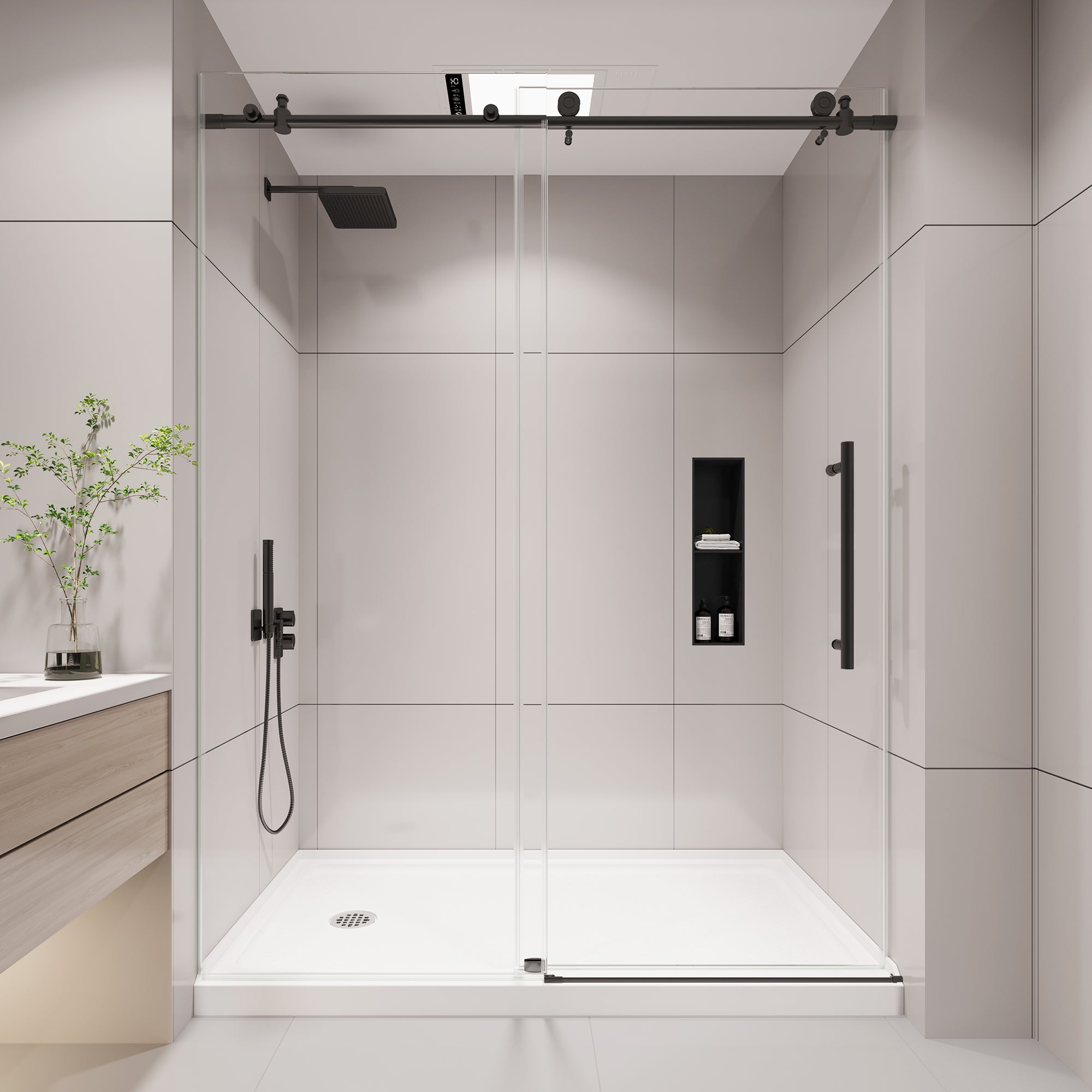
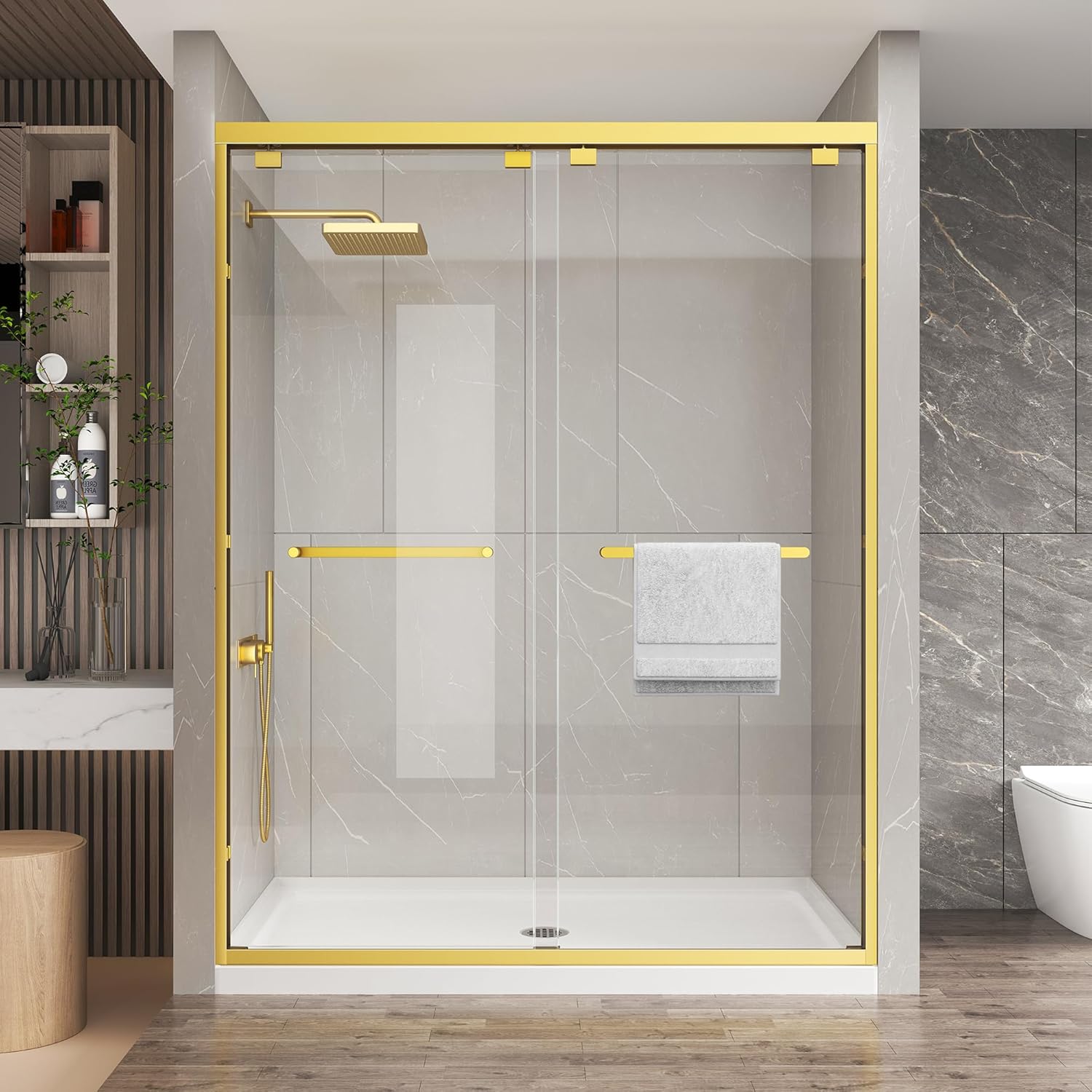
Adding shower doors to a bathtub sounds simple until the tape measure comes out. A tub deck can be slightly out of level, the walls may lean, and the finished tile surface often changes the opening more than expected. In a 2026 remodel, homeowners are also asking for cleaner lines, better splash control, and less upkeep than a shower curtain can offer. The right door setup depends on the tub ledge, wall condition, and swing clearance.
The Short Answer
Yes, you can install shower doors on a bathtub if the tub, wall surfaces, and opening dimensions work together. The most important checks are tub ledge width, finished wall-to-wall measurement, wall plumb, and door clearance. A bathtub door is usually easier to fit than a full shower enclosure, but a poor measurement can lead to leaks, binding doors, or hardware that cannot mount correctly.
How Fit Works on a Bathtub
A bathtub shower door is not installed to the tub alone. It has to work with the finished opening, which means the dimension after tile, backer board, drywall, or wall panels are in place. That is where many remodels go off track. A tub may measure one size before finishes and end up smaller or uneven after the walls are complete.
For most tub-door projects, the key question is whether the tub alcove can handle one of three layouts:
- Sliding doors for tighter bathrooms where a swing-out panel would hit a vanity or toilet.
- Pivot or hinged doors where there is enough clearance in front of the tub.
- Fixed glass panels for a simpler splash guard in smaller opening ranges.
If the opening is too narrow, the walls are too far out of plumb, or the tub deck is uneven, the door may still be possible, but the installation will need more adjustment. Older homes often have walls that are not perfectly straight, and that matters more with glass than it does with a curtain rod.
A good starting point is a product category made for tub installations, such as Bathtub Shower Doors. Even then, the final fit depends on the jobsite dimensions, not just the product style.
What to Measure Before You Order
Start with the finished opening, not the old curtain rod or the rough framing. Measure after tile if the wall surface is changing. If the walls are already finished, measure the actual tile-to-tile width where the door will mount.
Measure three times across the opening: top, middle, and bottom. On a tub alcove, those numbers may differ enough to matter. If the wall leans or the tub deck slopes slightly, the door rail or side profile needs enough adjustment range to handle it.
- Measure the wall-to-wall width at the top of the opening.
- Measure the same width at the middle, usually around the door mounting height.
- Measure again near the tub deck or threshold line.
- Check the height from tub deck to the planned top of the enclosure.
- Confirm the wall surface is ready for anchors and sealant.
- Verify there is no plumbing, niche edge, or trim piece where the hardware must mount.
Also check these practical points:
- Tub deck width and whether the door has a stable mounting surface.
- Wall plumb from left to right and front to back.
- Tile thickness and whether it changes the finished opening.
- Door swing direction, especially near a vanity, toilet, or linen cabinet.
- Clearance for towel bars, shower controls, and grab bars.
A jobsite detail that gets missed often: a drain or tub fixture may look centered, but the actual usable opening may shift once tile and trim are installed. The same thing happens with a vanity drawer that clears the room but still catches the door casing.
| Bathtub Door Type | Best For | Main Fit Concern | Common Limitation |
|---|---|---|---|
| Sliding | Tight bathrooms with limited swing clearance | Track alignment and wall width consistency | More parts to clean and keep aligned |
| Pivot / Hinged | Baths with clear floor space in front | Door swing clearance and wall support | Can hit fixtures if space is tight |
| Fixed Panel | Simple splash control and open feel | Panel width and splash coverage | Less coverage than a full door set |
Door Types That Work on a Tub
The tub layout usually decides the door style before design preference does. If the bathroom is tight, a sliding option is often the cleanest answer. If there is room in front of the tub and the user wants a wider entry, a pivot door can work well. If the goal is simply to stop shower spray from reaching the floor, a fixed panel may be enough.
For homeowners looking at glass options and hardware finish together, a broader shower-door collection can help narrow the style. The Bathtub Shower Doors collection is the most relevant starting point for tub installations because it focuses on the geometry of a bath alcove rather than a standalone shower.
Sliding doors
Sliding doors are practical when floor space is tight. They do not need room to swing outward, which helps in bathrooms where the toilet or vanity sits close to the tub. The tradeoff is that the track and rollers need accurate alignment, and the tub walls must be close enough to square for the system to run smoothly.
Pivot or hinged doors
Pivot doors create a more open entry, but they need more clearance in the bathroom. Check the path of the door before ordering. If the tub sits near a vanity or medicine cabinet, the door can interfere even if the opening itself looks wide enough.
Fixed panels
Fixed panels are useful where the homeowner wants splash control without a full enclosure. They can be easier to live with in a smaller bath, but they rely on the showerhead location and spray angle. If the head points toward the open side, water containment may be limited.

Installation and Sealing Basics
Installing shower doors on a bathtub is partly a glass project and partly a finish-carpentry project. The glass may be the visible part, but the mounting surface is what determines whether the result holds up. Wall anchors need sound material behind tile or wall panels, and the tub deck must support the bottom seal or lower channel if the design uses one.
Good installation starts with structure: find the studs where possible, check for solid backing, and confirm the tile or wall surface is fully cured and stable. If the wall flexes, the fasteners can loosen over time and the seal can fail.
Basic field sequence:
- Confirm the finished opening matches the door’s adjustment range.
- Inspect wall plumb and tub level before drilling.
- Mark anchor points based on studs or approved wall support.
- Dry-fit the frame, track, or brackets before sealing.
- Install the glass or door panels according to the hardware layout.
- Apply silicone where the manufacturer’s design calls for water containment.
- Let sealant cure fully before using the tub shower.
Silicone matters, but it is not a substitute for correct fit. If the gap is too large or the wall is crooked beyond the hardware range, sealant will not solve the problem for long. It only closes normal joints and helps direct water back into the tub.
Another practical point is glass thickness and hardware clearance. Thicker glass can feel more substantial, but it also needs compatible hinges, brackets, and wall support. If the door is framed, the frame may tolerate a little more irregularity. Frameless styles usually demand more accurate walls and openings.
What can complicate installation
- Out-of-plumb walls that change the gap from top to bottom.
- Tile thickness that reduces the opening more than expected.
- Hidden plumbing in the wall where anchors are needed.
- Uneven tub rims that make the bottom seal inconsistent.
- Nearby fixtures that block a swinging panel.
For planning context on bathroom layout and safety, the NKBA is a useful reference for general bathroom design standards and clearance thinking. For glass and hardware safety, the CPSC is a credible source on consumer safety concerns.
Cost Factors Homeowners Should Expect
The cost of adding shower doors to a bathtub depends more on fit complexity than on the word “bathtub” itself. A straightforward replacement in a square, level opening is usually simpler than a remodel where the walls were rebuilt, tiled, and trimmed. Labor and hardware cost can rise quickly when the opening needs correction or custom adjustment.
These are the main cost drivers:
- Door type — sliding systems, pivot systems, and fixed panels use different hardware and installation steps.
- Glass size — wider or taller panels typically cost more to handle and install.
- Wall condition — out-of-plumb walls can add labor for adjustment and shimming.
- Tile or wall finish — new tile can change the final opening and may require extra drilling care.
- Site access — tight bathrooms take longer to work in and may slow installation.
- Correction work — if the tub, walls, or framing are off, the prep can matter more than the door itself.
Homeowners should also budget for small but necessary details such as sealant, specialty anchors, and possible trim adjustments. If the bathroom is part of a larger remodel, planning lighting, outlet placement, or storage changes at the same time can prevent rework later. That is especially relevant if the tub area sits next to a new vanity or cabinet run.
For broader shower opening planning, KPUY’s general Bathtub Shower Doors collection can help homeowners compare door styles based on space and layout, not just appearance.

Frequently Asked Questions
Can any bathtub be converted to a shower door setup?
Not every tub is a good candidate. The tub needs a usable ledge, stable wall surfaces, and enough room for the door style you want. If the walls are badly out of plumb or the opening is too irregular, the project may need extra prep before the door can be installed safely and neatly.
Do shower doors leak more than a curtain on a bathtub?
Not if they are measured and sealed correctly. A well-fit door usually contains spray better than a curtain, especially around the showerhead side. But if the opening is too wide, the door is misaligned, or the silicone joints are incomplete, water can still escape onto the floor.
Should I measure before or after tile?
After tile, if the walls are still being finished. Tile thickness changes the opening, and even a small difference can affect door fit. If the bathroom is already finished, measure the actual surface the door will mount to. Always check top, middle, and bottom widths, not just one number.
What to Do Before You Order
Yes, you can install shower doors on a bathtub, but the decision should start with the opening, not the style. Measure the finished walls, check for plumb, confirm the tub deck and door clearance, and make sure the mounting points are solid. The right setup should fit the bath alcove cleanly and contain water without fighting the room.
If you are comparing tub-friendly layouts, start with the most relevant product category and work from there. For a bath alcove project, KPUY’s Bathtub Shower Doors collection is the most direct place to review styles that fit tub installations. From there, match the door type to the room clearance, wall condition, and the way the shower is actually used.

Leave a comment
All comments are moderated before being published.
This site is protected by hCaptcha and the hCaptcha Privacy Policy and Terms of Service apply.