
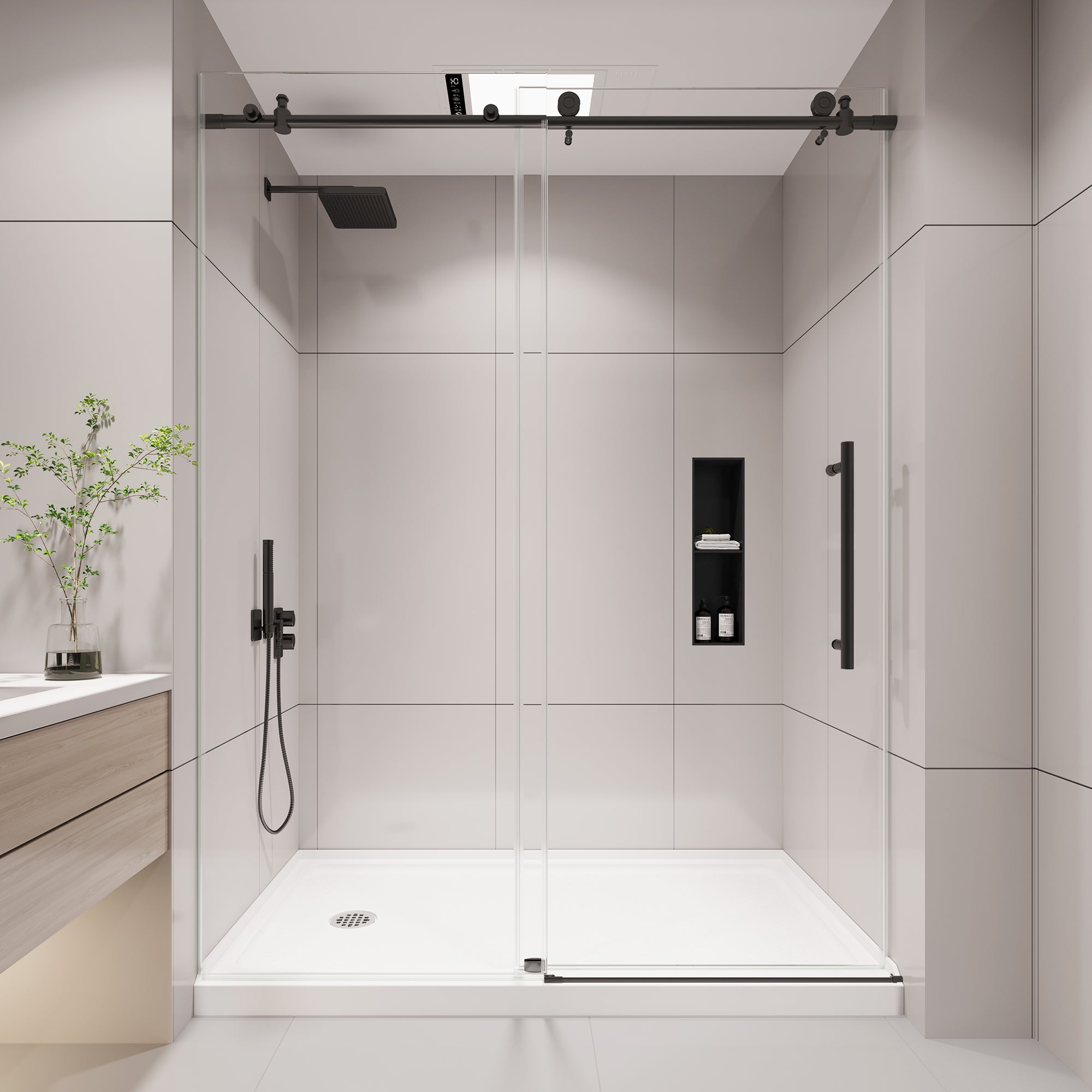
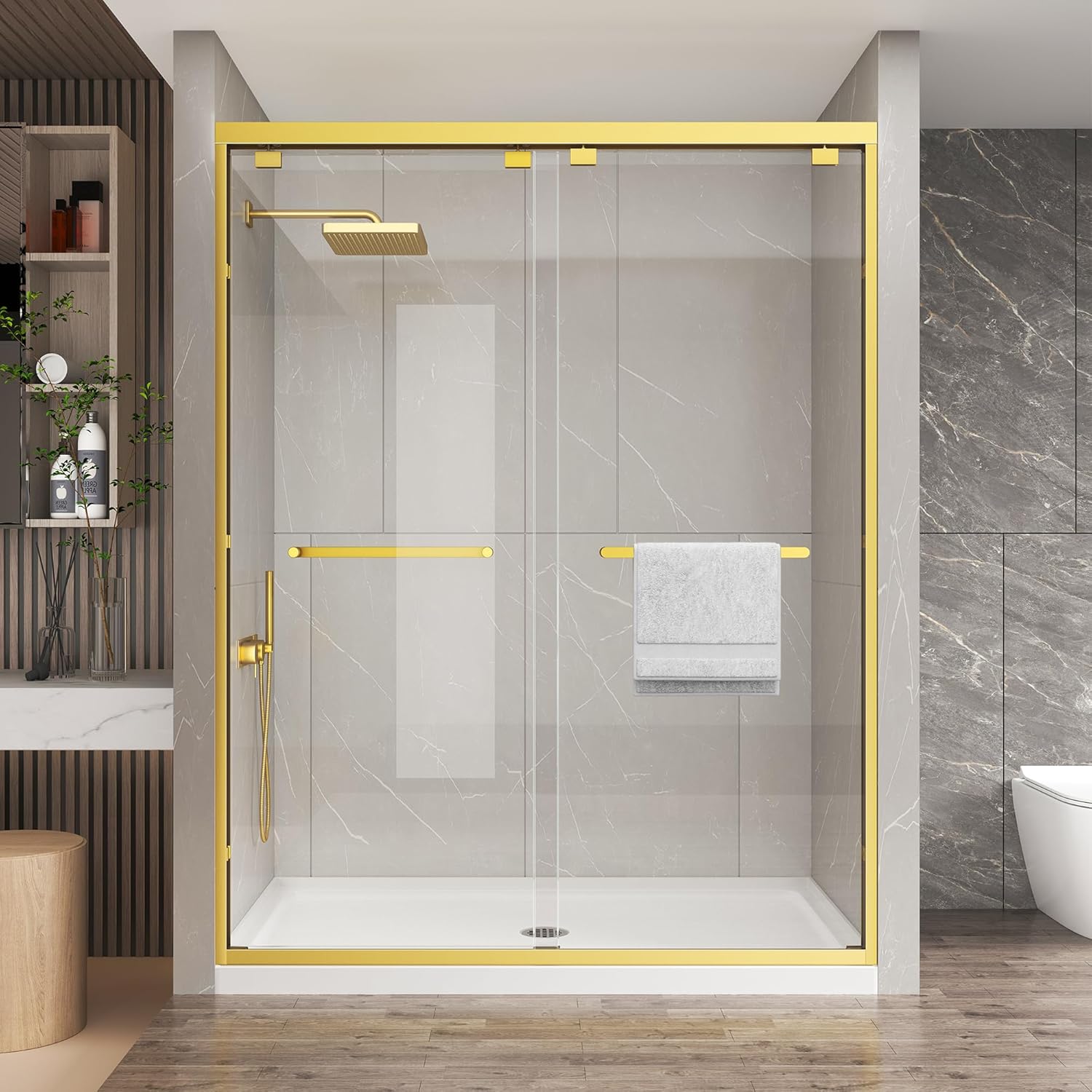
Glass doors on a tub can work well, but only if the tub size, wall condition, and door style fit the room. In a tight bathroom, they often look cleaner than a curtain and do a better job with splash control. The tradeoff is that they require careful measurement, good wall support, and enough clearance for daily use and cleaning. A poorly fitted tub door can leak, bind, or make the tub harder to use.
The Short Answer
Yes, glass doors on tubs can be a good idea if you want better water containment, a cleaner look, and a more permanent solution than a curtain. They make the most sense in tubs with enough deck width, solid wall framing, and accurate measurements. They are less forgiving than curtains, so out-of-plumb walls, uneven tile, and tight clearances need to be checked before ordering.
Why Homeowners Choose Glass Tub Doors
A tub door is usually chosen for one simple reason: it controls splashing better than a curtain. That matters in family bathrooms, guest baths, and small rooms where water outside the tub becomes a daily annoyance. Glass also keeps the room visually open, which helps a tub area feel less boxed in.
From a remodeling standpoint, a glass door can make a tub look more intentional. In 2026 bathroom planning, homeowners are still favoring cleaner lines, easier wipe-down surfaces, and layouts that feel less temporary. A well-fit glass door supports that, especially in a remodeled alcove tub where the tile and trim have already been upgraded.
Another practical advantage is durability. Curtains move, mildew, and need regular replacement. Glass does not solve every maintenance issue, but it removes fabric from the wet zone and gives you a hard surface that can be wiped down. If the door opens and seals correctly, it can also reduce water streaking on the floor around the tub.
Good use cases for glass tub doors include:
- Family bathrooms with frequent shower use over a tub
- Smaller rooms where a curtain makes the space feel closed in
- Remodeled alcove tubs with finished tile walls
- Homes where water escaping the tub is a recurring problem
Where Glass Tub Doors Fall Short
Glass doors are not a casual add-on. They need the tub, wall finish, and opening to line up well. If the tub is old, the surround is out of square, or the wall surfaces are uneven, installation gets more complicated and the result may still need adjustment after the fact.
One common jobsite observation: older homes often have walls that are not perfectly plumb. A tub opening can measure differently at the top and bottom by enough to matter. That may not be visible to the eye, but it can affect how the glass tracks, seals, or swings.
There are also comfort and safety tradeoffs. A fixed panel or door can make tub entry feel tighter than a curtain, especially for children, older adults, or anyone who needs extra room to step in and out. In some bathrooms, a swinging door creates a clearance issue with a toilet, vanity, or nearby wall. A sliding setup can solve that, but it adds tracks and moving parts.
Glass also shows condition. Hard water spots, soap residue, and silicone edges are more visible on glass than on fabric. If you want a low-maintenance look, that is worth considering before you commit.
Common downsides to think through:
- Tight clearance for entry or cleaning
- More exact measurement requirements than a curtain
- Potential interference with toilet, vanity, or wall trim
- More visible water spots and seal lines
- Less forgiveness if the tub or walls are out of square
For many tub remodels, the decision comes down to how much precision the room can support. If the opening is clean and the surround is finished well, the result can be solid. If the opening is irregular, a different layout may be easier to live with.
Tub Door Options Compared
Not every tub setup needs the same style. The right choice depends on how the door moves, how much room is available, and how much splash control you need.
| Option | Best For | Main Advantage | Main Limitation |
|---|---|---|---|
| Fixed glass panel | Small tub-shower spaces with limited swing room | Simple layout and fewer moving parts | Leaves an open entry area that may splash if undersized |
| Sliding tub door | Tighter bathrooms with no swing clearance | Uses space efficiently | Tracks need alignment and cleaning |
| Pivot or hinged tub door | Wider openings with room to swing | Easy access and straightforward use | Needs clear floor and fixture clearance |
| Folding panel | Bathrooms needing a compact entry | Reduces swing interference | More hardware and moving parts |
If you are comparing layouts for a tub remodel, start with the room restrictions first and the style second. A beautiful door that opens into a vanity edge is still a problem. For tub-specific layouts, the Bathtub Shower Doors collection is the most relevant place to review fit and movement types before you order.
Practical rule: if the room is tight, favor a sliding or fixed-panel layout. If the room has open clearance and you want a wider entry, a pivot style may feel better. The floor plan decides this more than the finish does.
What to Measure Before Ordering
Start with the finished opening, not the old product label. Tub openings are often built around the existing surround, and the number on a removed curtain rod or old enclosure does not tell you what the new glass needs.
Measure the tub area carefully after tile, backer, and finish surfaces are in place. Tile thickness changes the final dimension. A wall that looks square before tile may end up slightly different once the finish surfaces are installed.
Measure these items before you order:
- Finished wall-to-wall opening at the top, middle, and bottom
- Height from the tub deck or rim to the intended top of glass
- Tub ledge width and any slope or unevenness
- Plumb condition of both side walls
- Clearance to nearby fixtures, trim, and towel bars
- Location of studs or solid backing for anchors
- Whether the tub rim is level enough for the door system you want
A drain may not affect the door directly, but it does matter if you are doing a larger remodel at the same time. A tub replacement or surrounding shower conversion can change how the base and wall surfaces line up, which then affects door placement. If the tub itself is being changed, verify the new finished dimensions before glass is ordered.
Another field detail: the opening may be wider at the top than the bottom. That is common in older bathrooms. A small difference can still matter with a rigid glass product because the hardware and seals expect a consistent opening.
For homeowners planning a broader remodel, KPUY’s Bathtub Shower Doors collection is useful as a starting point for understanding the types of layouts that fit alcove tubs and their typical clearance needs.
Installation and Remodeling Considerations
Glass on a tub is only as good as the substrate behind it. A secure install depends on framing, wall anchors, and surface flatness. If the walls are finished in tile, make sure the tile is fully cured and the installer is fastening where there is backing, not just into a hollow wall cavity.
Older bathrooms often hide surprises after demolition. A wall can be slightly bowed. A tub flange may not sit where expected. Subfloor conditions can change the level of the tub deck. Each of those details can alter the door fit enough that a planned size needs revision before final installation.
Installation issues that deserve attention:
- Out-of-plumb walls: can make rigid glass sit unevenly or bind
- Tile thickness: can change the finished opening and hardware depth
- Stud location: determines where anchors can safely bite
- Silicone sealing: helps with water containment but should not be relied on to fix a bad fit
- Threshold and tub rim slope: affect how water sheds back into the tub
- Hardware clearance: matters near trim, towel bars, and adjacent fixtures
Code context matters too. Local requirements can differ, especially where safety glass, guard conditions, or wet-area details are involved. For general planning and bathroom safety references, the NKBA and the CPSC are useful starting points.
Basic planning sequence:
- Confirm the tub style and whether the surround is being replaced
- Measure the finished opening at multiple points
- Check wall plumb, tile thickness, and any irregular tub rim conditions
- Verify swing or track clearance near toilets, cabinets, and trim
- Locate studs or approved anchor points
- Confirm the door style suits the room before placing the order
For homeowners comparing layouts beyond the tub area, the surrounding bath often matters just as much. A vanity drawer can clear the room on paper and still hit a door casing in real life. If your remodel also includes storage changes, plan those clearances before the glass goes in.

Good Alternatives to Glass Tub Doors
Glass is not the only practical option. In some bathrooms, an alternative does the job with less complexity.
Use a shower curtain if:
- You want the lowest-cost, most forgiving option
- The tub opening is irregular or the walls are noticeably out of square
- You need easier access for children or assisted bathing
Use a fixed glass panel if:
- You want a cleaner appearance without a full swinging door
- The room is too tight for a pivot door
- You can accept a larger open entry area
Use a sliding setup if:
- The bathroom has limited floor clearance
- You want to keep the entry area from swinging into fixtures
- You are comfortable with track maintenance and alignment checks
Use a tub screen or partial panel if:
- You want splash control with a lighter visual footprint
- The tub is part of a small wet zone
- You want some openness without a full enclosure
For open, minimal looks, a panel approach can be worth considering alongside standard tub doors. If you decide the full enclosure is too much for the room, a fixed-glass option from the broader Bathtub Shower Doors category may help you narrow the layout without adding unnecessary moving parts.

Frequently Asked Questions
Do glass doors on tubs leak more than curtains?
They can if the fit is poor or the seals are incomplete. A properly measured and installed glass door should manage splash well, but it still depends on wall plumb, threshold slope, and sealing detail. Curtains are more forgiving, but they do not usually control spray as well as glass.
Are glass tub doors hard to clean?
They take regular wiping, especially in areas with hard water. The glass itself is manageable, but tracks, hinges, and seal edges need attention. If you want easier upkeep, choose a layout with fewer moving parts and keep the surfaces squeegeed after use.
Can I install a glass door on an old tub?
Sometimes, but old tubs often bring measurement issues, uneven rims, or wall conditions that need correction first. The door can work if the finished opening is accurate and there is solid backing for the hardware. If the opening is irregular, a curtain or fixed panel may be simpler.
Final Takeaway
Glass doors on tubs are a good idea when the room can support accurate measurements, solid anchoring, and enough clearance for daily use. They help with splash control and give a more finished look than a curtain, but they are less forgiving of uneven walls and tight layouts. Start with the finished opening, check the tub rim and wall conditions, and choose the door style that fits the room instead of forcing a style into a bad fit.
If you are still deciding on the layout, review the tub-specific options in KPUY’s Bathtub Shower Doors collection after you confirm your measurements and clearances. That keeps the choice grounded in the actual bathroom, not just the idea of the upgrade.

Leave a comment
All comments are moderated before being published.
This site is protected by hCaptcha and the hCaptcha Privacy Policy and Terms of Service apply.