
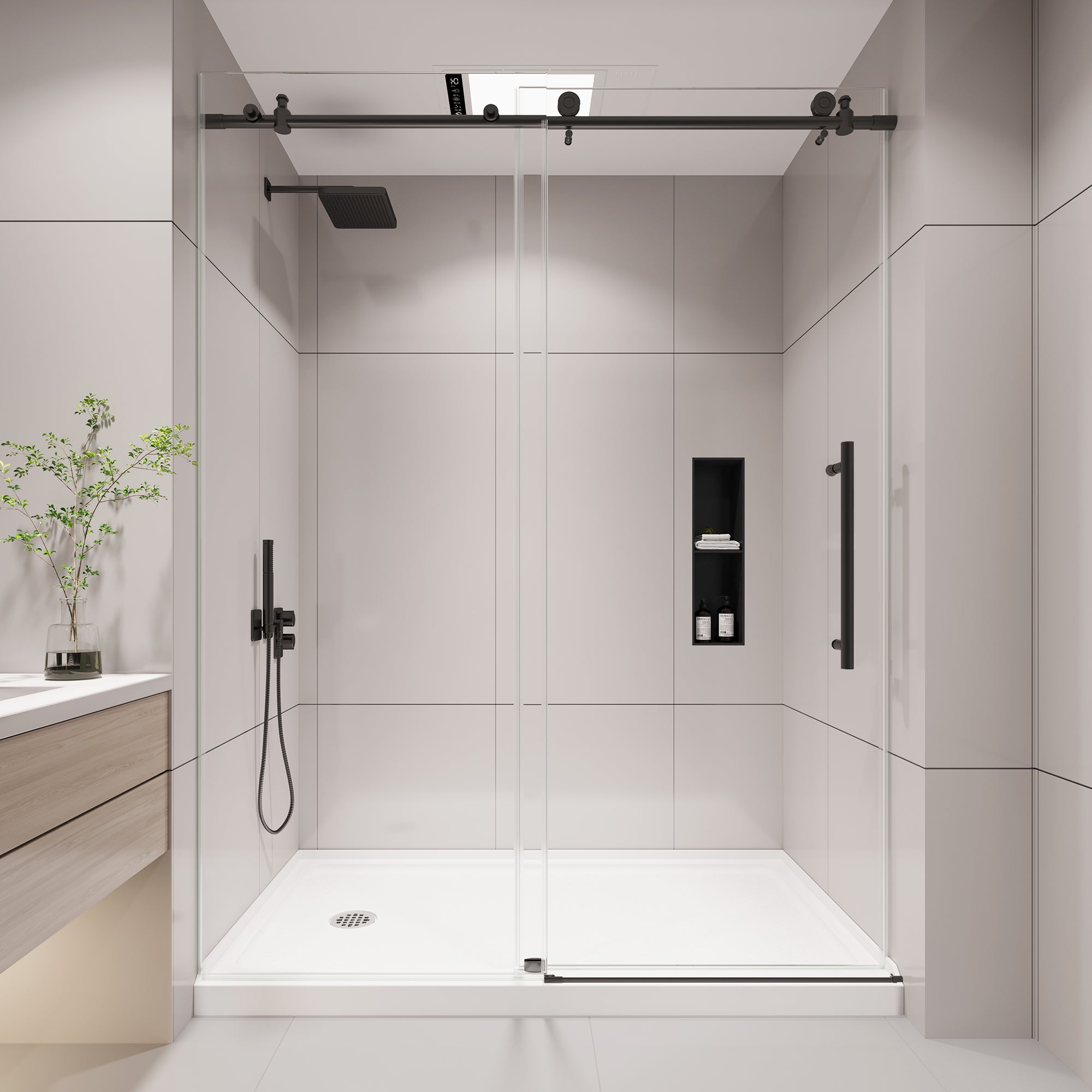
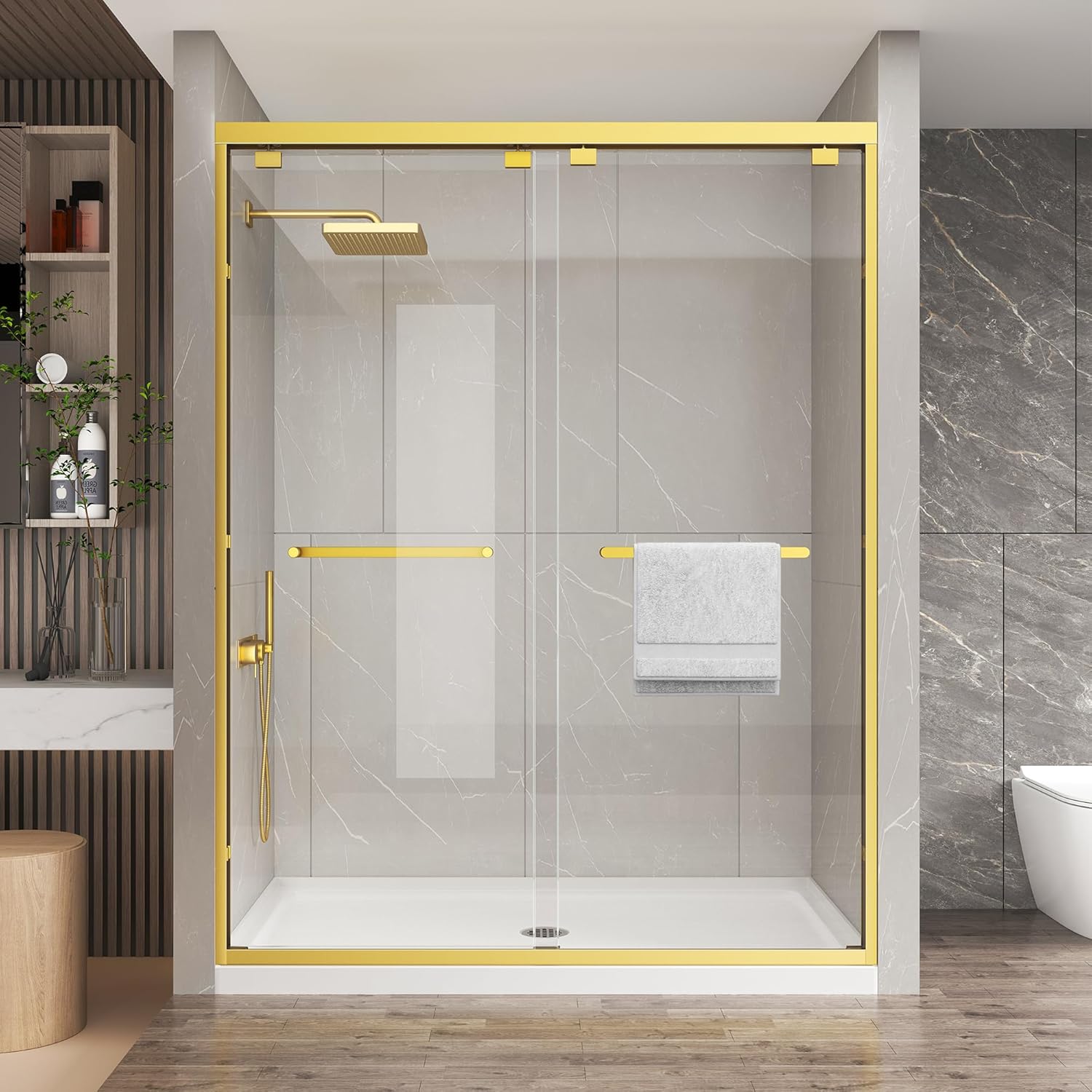
A shower door looks simple until you start checking the opening and realize the walls are not perfectly plumb, the tile changed the width, or the curb is slightly out of square. In a lot of remodels, one person can do the measuring and some of the assembly, but a second set of hands makes the final lift, alignment, and sealing much safer and cleaner.
The Short Answer
Yes, one person can often install a shower door, especially a smaller framed or sliding unit, but it depends on the door size, glass weight, wall condition, and how accurately the opening was prepared. A solo installer can usually handle the measurement, layout, bracket mounting, and some assembly. For hanging glass, leveling panels, and final alignment, a helper is strongly recommended for safety and control.
What One Person Can Handle
For many homeowners, the real question is not whether one person can do the job at all, but which parts are realistic to do alone. A single installer can often handle the prep work if the opening is already square enough and the instructions are clear. That includes checking studs, confirming finished dimensions, marking drill points, and dry-fitting hardware before any glass goes up.
One person can also usually manage simpler products such as a framed bypass door or a lighter fixed panel during planning. The challenge starts when the glass has to be lifted, kept level, and held steady while fasteners are secured. Tempered glass is unforgiving. Once a panel starts to tip, it is difficult to recover safely without another set of hands.
If you are planning around a smaller opening, a Sliding Shower Doors layout can be easier to handle solo during installation than a swing door, because it avoids door-swing clearance and often breaks the work into more manageable steps. That said, every opening still needs proper field measurements and wall preparation.
Measurement Checkpoints That Matter
Before a shower door is ordered, start with the finished opening, not the old unit size. Measure after tile, wallboard, or paneling is complete. Tile thickness can change the final width enough to affect door fit, especially in alcove showers where both walls matter.
Do not rely on one number. Measure the opening at the top, middle, and bottom. Older homes often have walls that are not perfectly plumb, so the width may vary by more than you expect. A shower opening may measure 48 1/8 inches at the top, 48 inches in the middle, and 47 7/8 inches at the bottom. That difference can affect track placement, panel alignment, and seal performance.
Also check the sill or curb. If the curb slopes correctly, water stays where it should. If the curb is flat or crowned the wrong way, even a well-installed door can struggle to contain splash. The threshold height matters too. A low curb may feel better underfoot, but it gives you less margin for error with water control.
| Measurement | Why It Matters | Common Problem |
|---|---|---|
| Top, middle, bottom width | Shows whether the opening is square and consistent | Glass or track does not fit evenly |
| Plumb of side walls | Controls how doors close and panels align | Gap changes from top to bottom |
| Curb slope | Helps direct water back into the shower | Water migrates toward the bathroom floor |
| Finished wall thickness | Affects hardware projection and glass clearance | Bracket screws end up too short or too long |
| Door swing clearance | Confirms the door can open without hitting fixtures | Door clips vanity, toilet, or towel bar |
Installation Realities in a Real Bathroom
A shower door installation is rarely just “attach hardware and hang glass.” In remodel work, the wall may hide surprises after demolition: missing blocking, bowed studs, uneven tile edges, or a drain that looked centered but does not line up with the new base footprint. These are normal field issues, not rare exceptions.
For a single installer, the biggest risk is not the screwdriver work. It is controlling the parts during the lift and set. Glass panels are heavy, awkward, and easy to chip if they are set down against hard tile at the wrong angle. If you are working alone, keep the panel staged close to the opening, protect the floor, and never rush the final lift.
Hardware location also matters. Wall anchors must land where the structure supports them. If there is no stud where the hinge or bracket wants to go, the wall system must be able to support the load some other way, and that should be verified before the glass arrives. Do not assume drywall anchors are enough for a heavy shower enclosure.
For a frameless look, the tolerances get tighter. A clean result depends on accurate finished dimensions, solid backing, and enough hardware clearance for the thickness of the glass. If you are comparing enclosure styles while planning, Frameless Shower Doors are more sensitive to wall irregularities than framed options, which is why measuring carefully matters more than marketing language ever will.
What makes solo installation harder
- Heavy glass panels that need to stay level while fasteners are installed.
- Out-of-plumb walls that change the gap from top to bottom.
- Uneven floors or curbs that throw off alignment.
- Tight door swing clearance near a vanity, toilet, or opposite wall.
- Hidden framing issues behind finished tile or wall panels.
- Silicone sealing that must be neat to control splash without trapping movement.
For some layouts, the installation is less about the door itself and more about the shower base beneath it. A base that is slightly off in level or drain position can make the door look wrong even if the glass is installed correctly. That is why shower door planning should stay connected to the floor system, especially in remodels where the shower base is being replaced at the same time. If your project includes the pan or curb, it may make sense to review Shower Bases before finalizing the door size.

Door Type Comparison
Not every shower door is equally manageable for a one-person install. The choice depends on how much room you have, how heavy the glass is, and how exact the opening must be.
| Door Type | Solo Install Difficulty | Best Use Case | Main Limitation |
|---|---|---|---|
| Sliding door | Moderate | Tight bathrooms with limited swing clearance | Track alignment must be accurate |
| Pivot door | Moderate to high | Openings with room for swing movement | Needs clear floor and fixture clearance |
| Fixed panel | Moderate | Walk-in showers with a simple open entry | Must be stabilized correctly |
| Frameless enclosure | High | Modern remodels with accurate finished dimensions | Less forgiving of wall and curb errors |
| Framed enclosure | Lower | Projects where easier alignment is a priority | Bulkier appearance and more visible frame |
If swing clearance is tight, a sliding layout often makes more sense than a hinged one. If the bathroom is being designed around a cleaner open entry, a fixed panel may be easier to fit around existing conditions, but it still needs a stable wall mount and proper water containment. For open-layout planning, Shower Glass Panels can be a practical path because the system usually relies on fewer moving parts than a full swinging door.
Step-by-Step Planning Before You Start
Installing a shower door by yourself goes better when the planning is disciplined. Do not start drilling until the measurements, wall structure, and layout direction are confirmed.
- Measure the finished opening at the top, middle, and bottom.
- Check for plumb on both side walls and verify the curb is level or properly sloped.
- Confirm stud locations and identify where anchors or blocking will be needed.
- Review door swing or track path so the door will not hit a vanity, toilet, or nearby wall.
- Account for tile thickness, trim, and any surface changes that affect the finished width.
- Dry-fit the hardware before glass installation whenever possible.
- Stage a helper for the lift if the glass panel is large, thick, or awkward to hold.
- Seal carefully with silicone after final alignment, leaving proper cure time before use.
For homeowners also updating the bathroom lighting or storage, this is a smart point to verify nearby clearances. A vanity drawer may clear the room on paper but still hit the door casing once trim is installed. That same issue can affect a pivot shower door if the swing path overlaps a cabinet edge. Bathroom remodeling works best when every moving part is checked against the final finished room, not just the rough sketch.
Jobsite reality: a drain that looks centered in the old shower can still miss the centerline of a new base. That mismatch does not always stop the door install, but it can affect the curb height, floor slope, and how the enclosure sits over the finished pan.

Frequently Asked Questions
Can one person install a shower door without help?
Sometimes, yes. A solo installer can often handle smaller framed or sliding systems, especially during measuring and bracket installation. The hardest part is lifting and holding the glass safely. If the panel is large, heavy, or frameless, a helper is the smarter choice for control and safety.
What is the hardest part of installing a shower door alone?
The hardest part is usually positioning the glass while keeping it level and avoiding edge damage. Walls that are slightly out of plumb can make this even more difficult. The door may also need fine adjustments at the hinges or track, which is easier when someone can steady the panel.
Should I install the shower door before or after tile work?
After tile work is finished. The door should be measured against the completed wall surface, not the rough wall. Tile thickness, trim pieces, and grout lines can change the final opening enough to affect fit. Measure after the surface is complete so the hardware lands in the right place.
Final Takeaway
One person can install a shower door in some situations, but the job gets much easier when the opening is square, the walls are plumb, and the glass size is manageable. If the project involves heavier glass, a frameless setup, or a tight bathroom with limited clearance, plan for help on the lift and final alignment. That is usually where mistakes happen.
Start with the finished opening, confirm the wall structure, and match the door style to the room instead of forcing the room to fit the door. If you are still deciding which enclosure style makes sense for your layout, reviewing the available KPUY Shower Doors collection can help you narrow the options before you order.
For broader bathroom planning questions, design guidance from the NKBA and safety references from the CPSC are useful when you are checking clearances, glass safety, and remodel decisions.

Leave a comment
All comments are moderated before being published.
This site is protected by hCaptcha and the hCaptcha Privacy Policy and Terms of Service apply.