
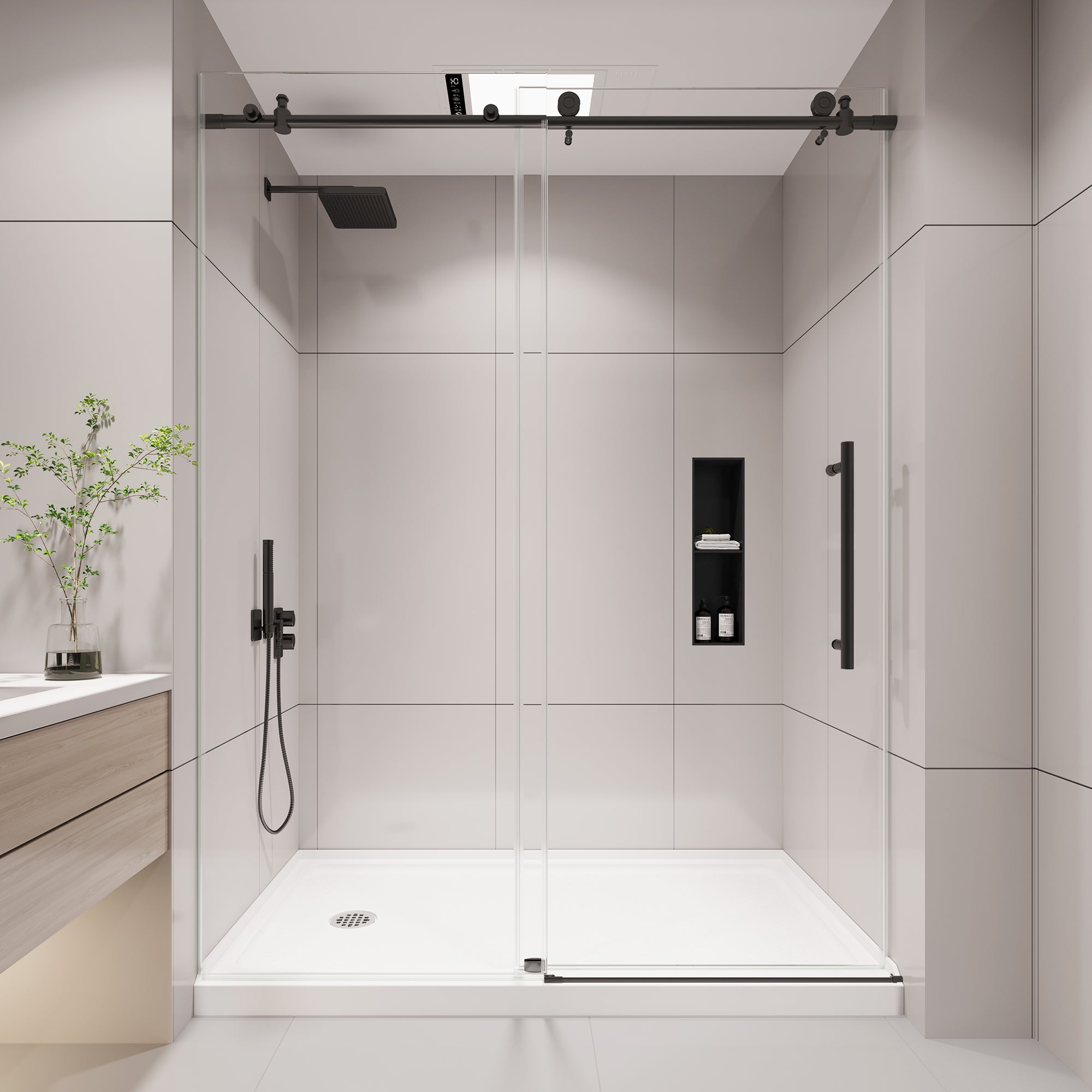
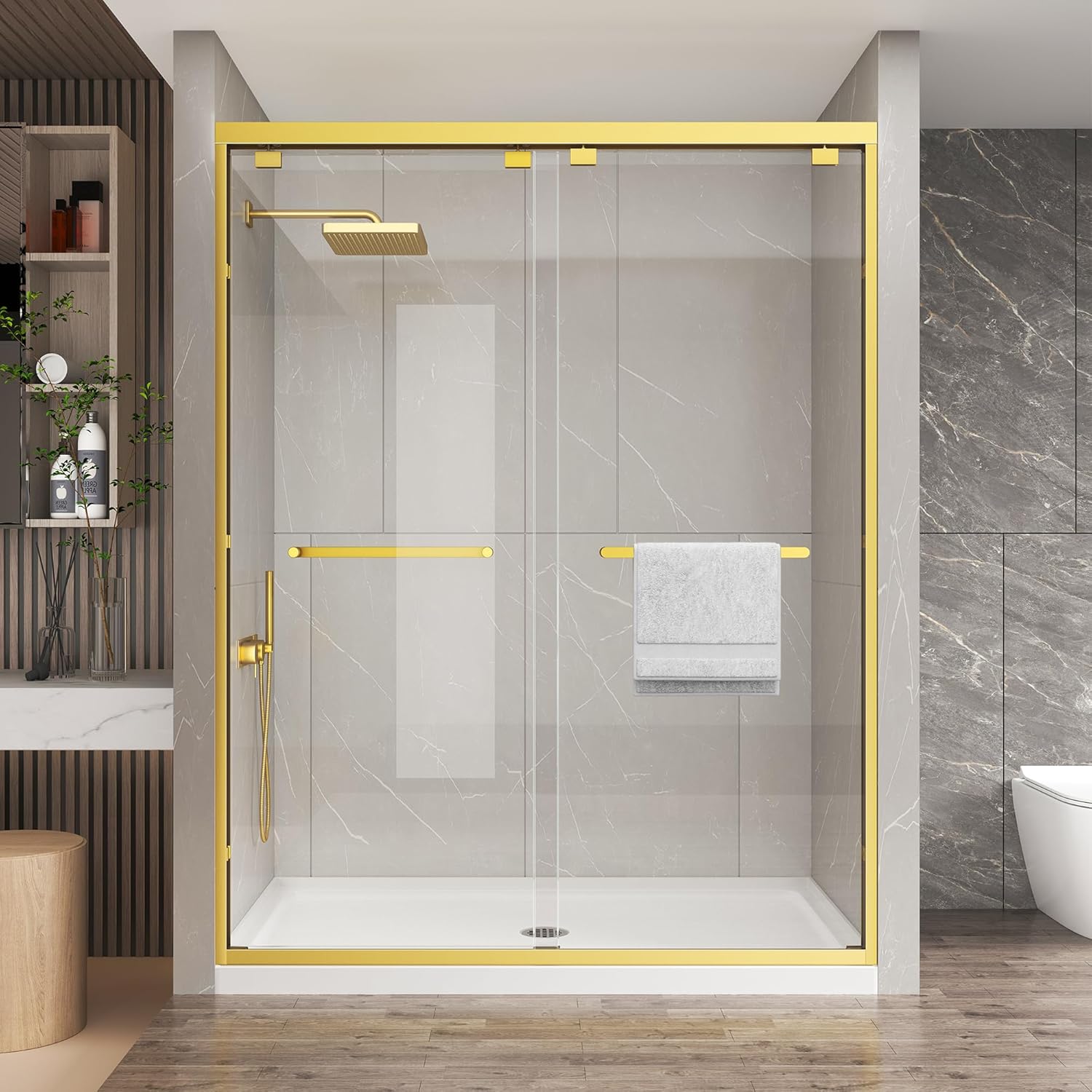
Measuring for a tub shower door sounds simple until the opening is a little out of square, the tile changes the finished width, or the tub apron is not perfectly level. In real remodels, those small issues are what decide whether the door fits cleanly or binds at the wall. Start with the finished opening, not the old curtain rod or the tub brochure dimensions.
The Short Answer
Measure the finished width, finished height, and wall conditions of the tub opening before you buy a shower door. Take width at the top, middle, and bottom; measure height from the tub deck or finished sill to the top point you plan to use; and check for out-of-plumb walls, tile thickness, and door swing clearance. For tub openings, even a small change in finish materials can affect fit.
What to Measure First
For a tub shower door, the important number is the finished opening, not the rough framing size. If the tub is already installed, measure from the finished tub edge or shower ledge to the finished wall surface on both ends. If tile is going in later, measure after the wall finish is complete whenever possible. Tile build-up can change the opening enough to matter on a glass door.
Older homes often have walls that are not perfectly plumb. That means the opening can measure differently at the top, middle, and bottom. A door that looks like it should fit a 60-inch alcove may still need careful adjustment because the walls lean slightly or the tub deck bows a bit. That is normal jobsite behavior, not a rare defect.
If you are planning a full remodel, it helps to look at the shower opening and the tub ledge together. A tub shower door needs enough flat, stable surface for mounting and sealing. For more general shower enclosure planning, the Bathtub Shower Doors collection is a useful place to compare tub-friendly layouts and understand which door style matches the opening you have.
Measure these points before ordering
- Width at the top, middle, and bottom of the opening.
- Height from the tub deck or finished ledge to the planned top point.
- Wall plumb on both sides of the opening.
- Tile thickness or any wall finish that will change the final dimension.
- Faucet, grab bar, and trim clearance near the glass path.
- Door swing or panel overlap if the design moves outward.
How to Measure a Tub Shower Opening
Use a steel tape measure and write every number down. Do not trust a single width reading. A tub opening can be wider at the top than at the bottom, especially after years of settling or after tile installation. Measure to the nearest 1/16 inch if possible, because many door systems depend on adjustment ranges that are tighter than homeowners expect.
- Clear the tub deck and remove anything that blocks the side walls or top edge.
- Measure the width at three points: top, middle, and bottom.
- Check height from the tub deck to the point where the door or fixed panel will terminate.
- Verify both walls with a level or straightedge to see whether they lean in or out.
- Note tile thickness if the wall surface is unfinished or will be tiled later.
- Mark obstructions like valve trim, towel bars, trim casing, or a nearby vanity side panel.
- Confirm the tub edge is level enough for the door system and seals to sit correctly.
For a tub opening, the tub itself is part of the measurement story. The front rim may look flat, but slight dips or pitch changes can affect how a door seal sits. That is why installers check the tub lip, the wall face, and the line of the top track or fixed panel support before making a final call.
| Measurement point | Why it matters | What to watch for |
|---|---|---|
| Top width | Shows whether the opening narrows or flares near the top | Out-of-plumb walls, tile build-up |
| Middle width | Useful reference for most door ranges | Bow in the wall or trim interference |
| Bottom width | Critical for track alignment and water containment | Tub deck irregularities, caulk buildup |
| Height | Confirms glass coverage and splash control | Uneven tile line, ceiling or trim conflicts |
| Wall plumb | Affects hinge, track, and seal performance | Glass may need more adjustment room |
Door Style and Clearance Factors
For a tub shower opening, the right style depends on how the bathroom is laid out. A tub door that swings outward may be a problem if the toilet, vanity, or linen cabinet sits too close. A sliding layout saves swing space, while a fixed panel can work well if the tub area is compact and splash control is still acceptable.
Door thickness, hardware projection, and wall anchors all matter. Frameless glass usually needs more accurate finished dimensions and stronger support at the wall. Framed systems can forgive small dimensional changes, but they still need the opening to be square enough for proper operation. If you are comparing layout types, it is worth reviewing the room conditions before choosing hardware. For a broader look at tub-friendly door options, KPUY Shower Doors can help you narrow the style family that fits the opening.
Use NKBA planning guidance as a general reference for bathroom layout, clearances, and comfort considerations. It is especially useful when a tub area sits close to another fixture and you need to think beyond the glass opening itself.
Tip: In a remodel, the door is often the last piece to be ordered, not the first. Finish the wall surfaces, confirm the tub is set, and check the final clearances before you commit to a size.
Many homeowners also underestimate the effect of a nearby cabinet or outlet. A vanity drawer may clear the room on paper but still hit the door casing once the tub door is open. If the bathroom layout is tight, measure the swing path in inches, not assumptions.
One practical way to think about it is this: a tub shower door is a finished-opening product. The old tub dimensions and rough framing only help you start. The final fit comes from the completed walls, tub rim, and hardware space.

Common Measurement Mistakes
Most bad fit problems come from small, avoidable errors. These are the ones that show up most often on remodel jobs:
- Measuring the old opening instead of the finished opening after tile or wall panels.
- Using one width measurement and ignoring top-to-bottom variation.
- Skipping wall plumb checks and assuming the side walls are straight.
- Forgetting tub rim pitch, which can affect sealing and panel alignment.
- Overlooking trim, tile, or hardware that reduces door clearance.
- Not checking the swing path for a pivot or hinged door.
- Ordering before rough demolition when hidden wall damage or framing repairs may change the opening.
Tile thickness is a big one. A wall that measures 59 3/4 inches before finish might end up closer to 59 1/4 inches after tile backer, thinset, and tile are installed. That can push a door out of its adjustment range if you guessed early. A shower door that looks like it should fit can miss by just enough to matter.
Drain and threshold considerations for tub remodels
Even though the drain is not part of the door opening, it still affects the overall shower project. If the tub area is being reworked, the drain position, subfloor condition, and any curb or threshold changes should be known before the final door order. Plumbing context and code questions should be checked against local requirements or a qualified professional; for general plumbing code references, IAPMO is a stable place to start.
If the remodel includes new wall finishes or a tub replacement, check the rough-in dimensions early. A new surround or changed wall build-out can shift the usable opening enough to alter the door choice.

Quick Fit Check Table
Use this table to match the opening conditions to the kind of tub shower door layout that usually works best. It is not a substitute for product specs, but it helps you screen out obviously poor matches before you order.
| Opening condition | What it suggests | Practical note |
|---|---|---|
| Narrow bathroom with limited floor space | Sliding or fixed-panel tub door | Reduces swing clearance issues |
| Opening is slightly out of plumb | Door with adjustment range | Check wall angle before ordering |
| Nearby vanity or toilet blocks swing path | Sliding layout or inward-safe design | Measure actual open path in inches |
| Tub rim is uneven or slopes noticeably | Needs careful field verification | Seal performance depends on the rim condition |
| Finished walls not yet installed | Wait for final measurements | Tile thickness can change the opening |
Planning Notes Before You Order
A clean door installation depends on more than the glass size. Make sure the wall structure can accept anchors where needed, especially if the door uses hinges or a support bar. Stud location matters because weak anchoring creates movement over time. If you do not have solid blocking where the hardware lands, that should be addressed before the door goes up.
Think through the surrounding bathroom details too. If the remodel includes new lighting, a mirror, or a smart toilet, the electrical outlet and fixture locations should be planned together so the tub area does not become an afterthought. That is especially true in smaller baths where every inch of clearance affects daily use.
Check these items before purchase:
- Final finished width at top, middle, and bottom.
- Finished height from tub deck to top termination point.
- Wall plumb and tub lip level.
- Clearance to faucet trim, shelving, and nearby fixtures.
- Wall support for fasteners or anchors.
- Tile or wall-panel thickness.
- Any planned changes to the tub, curb, or surround.
For homeowners comparing complete shower-opening options, the KPUY Bathtub Shower Doors collection is the most relevant place to keep the discussion focused on tub-specific fit, movement, and water containment.
Frequently Asked Questions
Do I measure a tub shower door from the tub or from the tile?
Measure from the finished surface the door will actually attach to. If tile is already installed, measure from the tile face. If the walls are unfinished, wait until the final wall material is in place. Tub shower doors are sensitive to small changes in finished width, especially on older openings.
What if the opening is wider at the top than at the bottom?
That usually means the walls are not perfectly plumb. Record all three width measurements and use the smallest finished dimension as the safe reference unless the product instructions say otherwise. A slightly irregular opening is common in remodels, but it needs to be accounted for before ordering glass.
Can I install a tub shower door if the tub rim is not level?
Sometimes, but the rim condition matters. A small variation can often be managed with proper sealing and adjustment, while a larger slope can create fit and water containment problems. Check the tub deck carefully before ordering, and have a qualified installer or remodel professional review it if the surface looks uneven.
Before You Choose
The best time to measure for a tub shower door is after the opening is finished and before hardware is ordered. Take three width readings, confirm the height, check for plumb walls, and account for tile thickness and nearby fixture clearance. If the bathroom is being remodeled, do not skip the rough-in details that affect the final opening.
Once you know the finished dimensions, the next step is choosing the right door style for the space. If you want to stay focused on tub-specific options, start with the Bathtub Shower Doors collection and match the layout to the actual opening, not the old curtain setup.
The most reliable results come from measuring the room as it really exists on the jobsite: finished walls, real tub height, real wall angle, and real clearance around the opening. That is how you avoid a door that is close enough on paper but wrong in the bathroom.

Leave a comment
All comments are moderated before being published.
This site is protected by hCaptcha and the hCaptcha Privacy Policy and Terms of Service apply.