
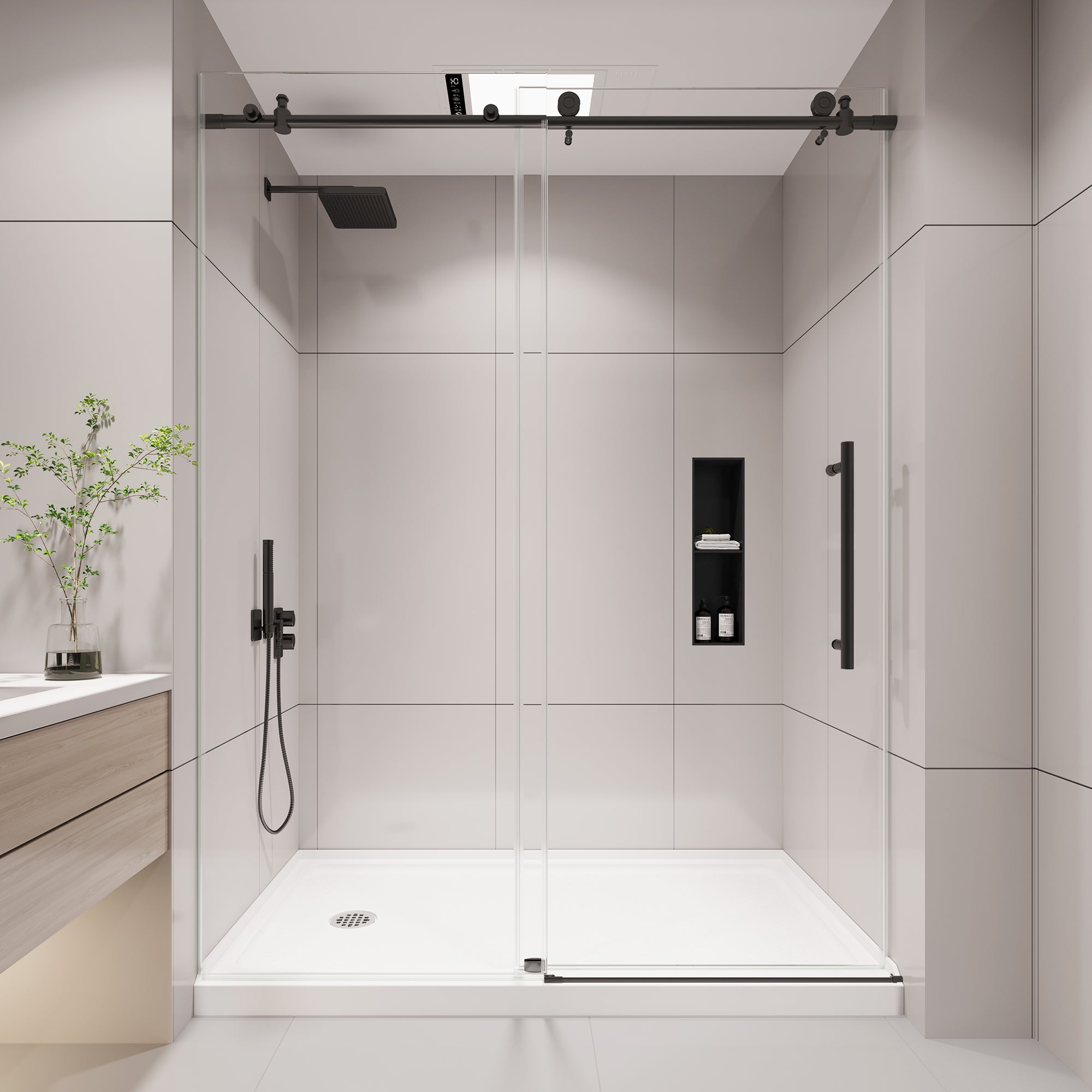
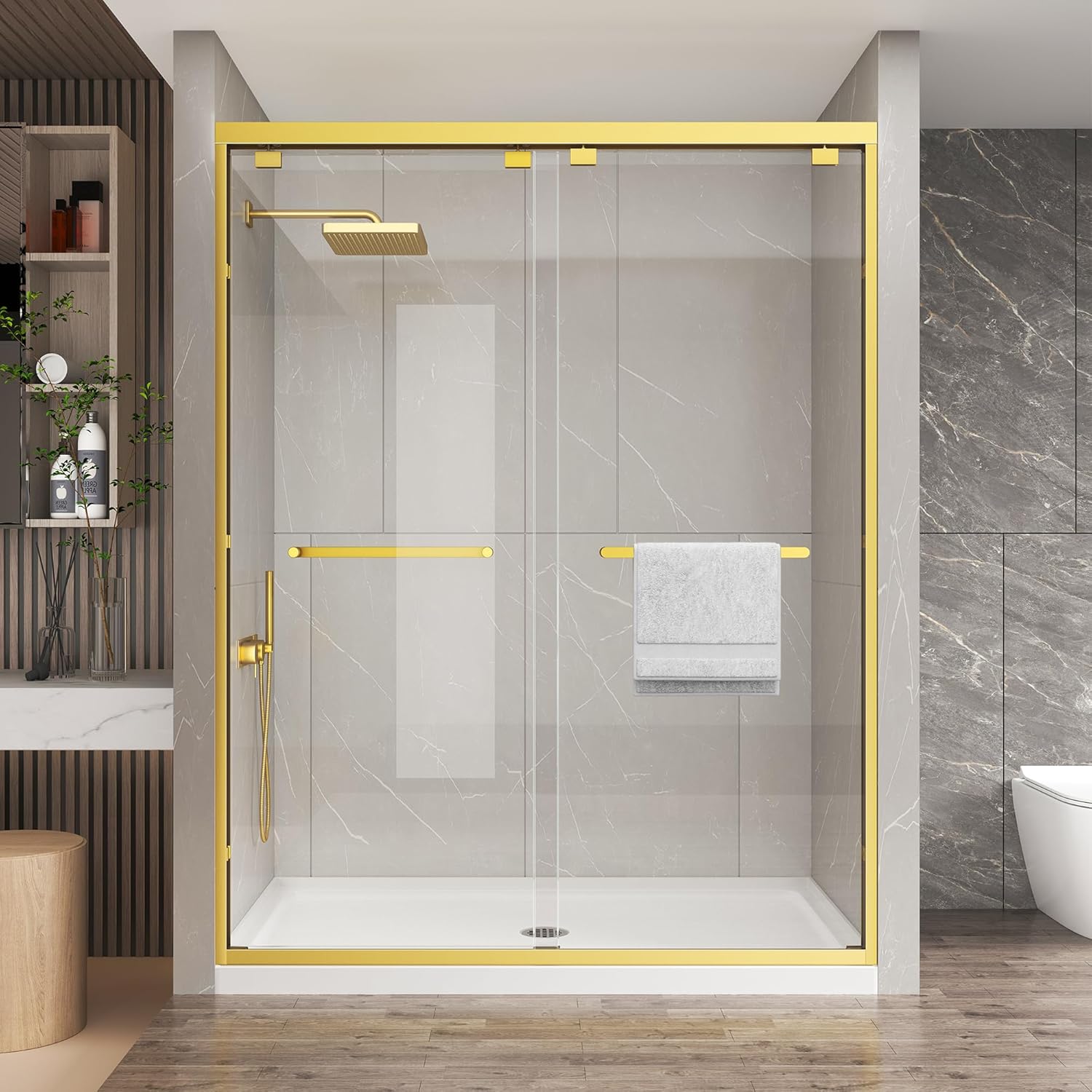
Minimal bathrooms in 2026 are about one clear principle: less visual barrier, more space. Homeowners want a shower door that visually disappears, keeps lines clean, and stands up to real-life wear. As a bathroom remodeler with over 20 years in the field, I see the same issues on repeat: small footprints, out-of-plumb walls, uneven curbs, and homeowners who regret buying a "look" that fails within a few seasons. This guide cuts through the marketing and gives direct, field-tested advice on what shower door works best if you want a minimal look—what to pick, what to measure, and what to expect during installation.
Quick answer: Which shower door gives the most minimal look?
Frameless, clear tempered glass with minimal hardware—typically 3/8" (10mm) or 1/2" (12mm) tempered glass—delivers the cleanest, most minimal aesthetic. For many tight or contemporary bathrooms, a single-pane inline or fixed-panel with a single hinged door (pivot or wall-hung) visually opens the space the most. That said, the best choice depends on your dimensions and site conditions; if walls are out-of-plumb or you need a wet-room solution, a low-profile sliding or semi-frameless system may work better.
Shower door types: Minimal look pros and cons
Below are the common door types you'll run into and what they mean for a minimal look. I list what I actually install on job sites and why.
- Frameless hinged door — Best visual minimalism; relies on thicker tempered glass and precise tolerances.
- Semi-frameless door — Good compromise when walls are slightly out-of-plumb; small metal profiles reduce glass-to-glass standoff.
- Inline fixed panel with a swing door — Very clean when the layout allows; common in alcove showers.
- Sliding bypass doors — Minimal footprint for tight bathrooms but introduce a visible track unless recessed.
- Fixed panels (walk-in or wet-room screen) — Ultra-minimal if you want a single glass plane and no door swing. Needs proper curb and slope planning.
What to choose for different site conditions
Short answers by situation:
- Small bathroom with square alcove — Frameless inline with a single hinged door if you have swing clearance; otherwise a recessed sliding system with minimal tracks.
- Tight clearance and out-of-plumb walls — Semi-frameless with adjustable channel; easier to install and seal without custom glass gaps.
- Open wet-room or curbless shower — Fixed glass panel or walk-in screen; use a full height panel or multiple panels to control splash.
- Luxury bathroom with straight walls — Full frameless 1/2" glass for the cleanest effect and best rigidity.
Glass thickness matters: Frameless usually needs 3/8" to 1/2" tempered glass. Thinner glass will flex and require more hardware or a frame, which defeats the minimal look. All tempered glass must meet safety standards—see the NKBA for best practices and the Consumer Product Safety Commission for glazing safety details.
NKBA and CPSC are good places to confirm safety and design guidance before you order custom glass.
Installation considerations & jobsite realities
As a contractor I plan installations so the result looks minimal but performs like a real shower. Here are critical field realities to budget for:
- Out-of-plumb walls: On older homes I routinely find walls out-of-plumb by 1/2" to 3/4" over 70". That changes how a frameless door sits and can force us to use adjustable channels or small filler strips. Don't assume perfect walls.
- Rough-in and dimensions: Measure twice. Glass fabricators need exact opening widths and floor-to-head clearances. Allow a 1/8" to 3/16" clearance per side for sealant and adjustment on frameless doors; some installers use up to 1/4" in extremely uneven conditions.
- Curb slope and water control: If you want minimal thresholds, the curb must be sloped correctly and the door alignment must match to prevent leaks. For curbless installations, proper floor slope and linear drains per IPC/UPC plumbing codes are critical.
- Hardware tolerance: Hinges and channel systems require plumb mounting surfaces. Expect to shim anchors and use stainless steel fasteners rated for a wet environment.
- Tempered glass thickness: 3/8" (10mm) is common; 1/2" (12mm) gives a stiffer, more premium appearance. Thicker glass increases weight—plan stronger anchors and pre-check wall backing.
On a recent remodel in a 1920s bungalow, the shower wall was 5/8" out of plumb across a 60" span. I ordered a semi-frameless unit with an adjustable channel and added a 1/4" neoprene shim at the hinge plane. The owner wanted frameless, but without the channel the pivot points would have stressed the glass and the door wouldn't seal. That saved us a return visit and glass rework.
Selection quick-reference table
| Door Type | Typical Glass Thickness | Minimal Look Score | Pros | Field Notes / Rough-in |
|---|---|---|---|---|
| Frameless hinged | 3/8"–1/2" | 9/10 | Clean lines, minimal hardware | Needs plumb walls; allow 1/8"–3/16" clearance per side |
| Semi-frameless | 3/8" | 7/10 | More forgiving, lower cost | Good for moderately out-of-plumb walls; use adjustable channel |
| Sliding (minimal track) | 1/4"–3/8" | 6/10 | No swing clearance needed | Track must be recessed or low-profile to appear minimal |
| Fixed panel / walk-in | 1/4"–1/2" | 8/10 | Very clean; great for wet rooms | Drain and floor slope critical; consider splash control |
Steps to prepare for a minimal door installation
Follow this checklist before ordering glass or hardware. Skipping steps costs time and money.
- Measure the opening at three heights (top, middle, bottom) and record the narrowest width. Measure wall-to-wall and floor-to-head heights.
- Check walls for out-of-plumb with a 6' level; note deviations.
- Confirm curb is level left-to-right and sloped front-to-back. If curbless, confirm floor slope to drain meets code.
- Decide on glass thickness and seal strategy with your installer—3/8" vs 1/2", continuous sweep seals, and hinge type.
- Allow the glass fabricator to verify final dimensions on site if possible. Plan for a 1–2 week lead time for custom tempered glass.
Pro tip: Always ask the fabricator or installer about the installation tolerance they assume. I usually quote a 1/8"–3/16" adjustment range into my orders; anything outside that triggers a call to the homeowner to discuss options.
Maintenance, durability, and everyday use
Minimal looks can show water spots and wear more easily. Keep things clean and hardware in good condition with a straightforward routine:
- Daily: Squeegee glass after showers to reduce mineral buildup.
- Weekly: Mild pH-neutral cleaner; avoid abrasive pads that dull hardware finish.
- Annually: Check hinge fasteners, door sweep wear, and silicone joints. Re-seal grout or caulk where needed.
High-quality hinges and stainless steel fasteners make a big difference in durability. On seaside or hard-water areas, choose finishes rated for coastal exposure and consider a protective glass coating.
FAQ — People also ask
What thickness of glass looks the most minimal and is still safe?
For a minimal look that performs, 3/8" tempered glass is the most common; upgrade to 1/2" if you want a more substantial, rigid panel. Both meet safety glazing requirements when tempered and laminated per industry standards.
Can I get a frameless look if my walls are out-of-plumb?
Yes, but expect compromises. Use adjustable channels, shimmed anchors, or a semi-frameless frame to bridge uneven walls. Sometimes a narrow reveal profile is the most reliable way to get the frameless aesthetic without warranty risk.
How do I prevent water from leaking under a minimal door?
Proper curb slope, a well-sized door sweep, and correctly installed silicone seals are essential. For curbless showers, a linear drain and correct floor slope to the drain are non-negotiable—this is where plumbing rough-in precision ties directly to door performance.
Wrap-up & where to shop
If your priority is the absolute minimal look, start with a frameless clear tempered glass solution, 3/8" or 1/2" depending on the span and desired rigidity. If site conditions are less than perfect, a semi-frameless or fixed-panel approach often delivers the look with fewer callbacks. For product options and to see styles that match the recommendations above, check KPUY Shower Doors to compare finishes and configurations.
Final contractor note: Plan a site measurement with your installer before ordering. The smallest measurement mistake or an unseen out-of-plumb wall is the most common reason homeowners end up with a door that looks "off" from the minimal vision they wanted.

Leave a comment
All comments are moderated before being published.
This site is protected by hCaptcha and the hCaptcha Privacy Policy and Terms of Service apply.