
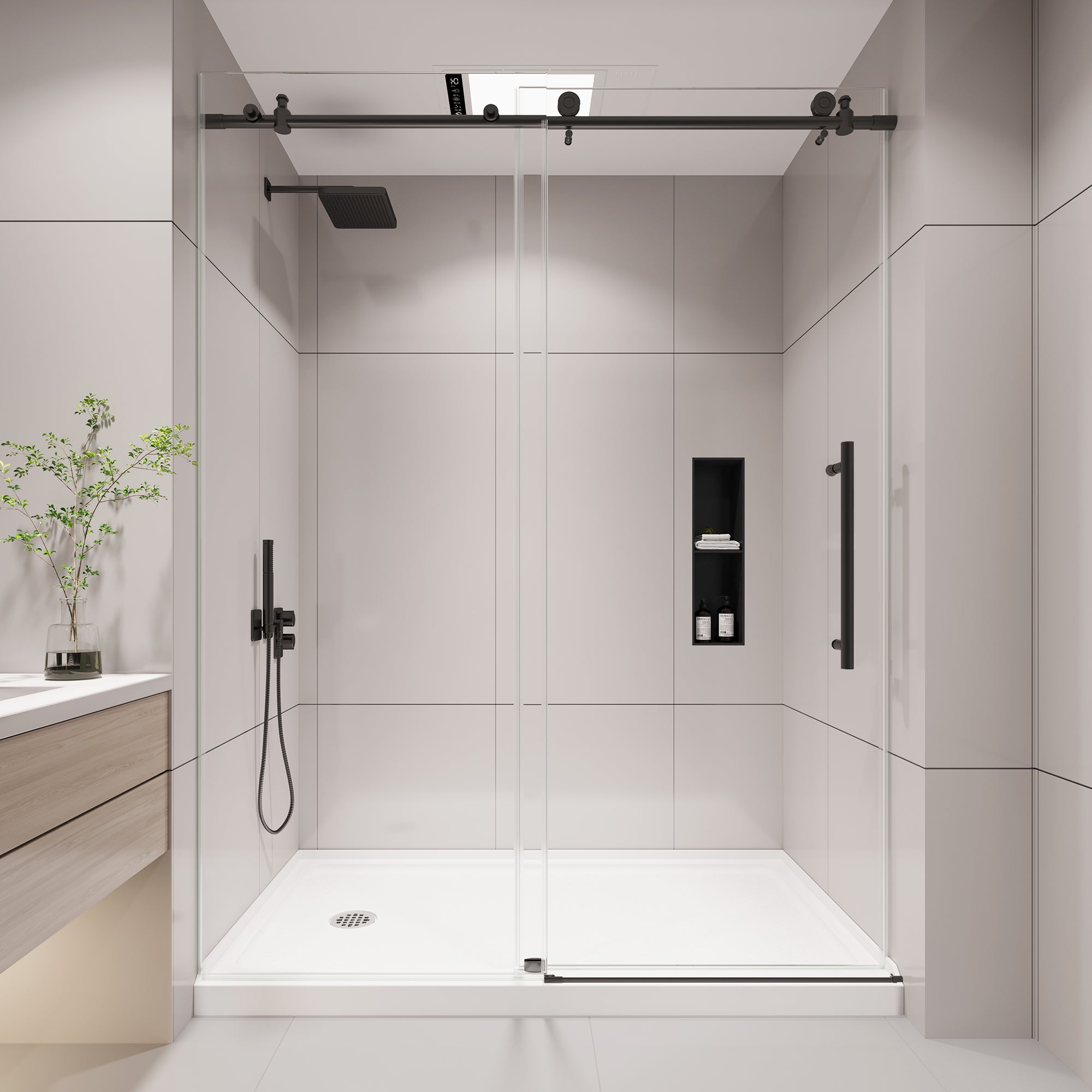
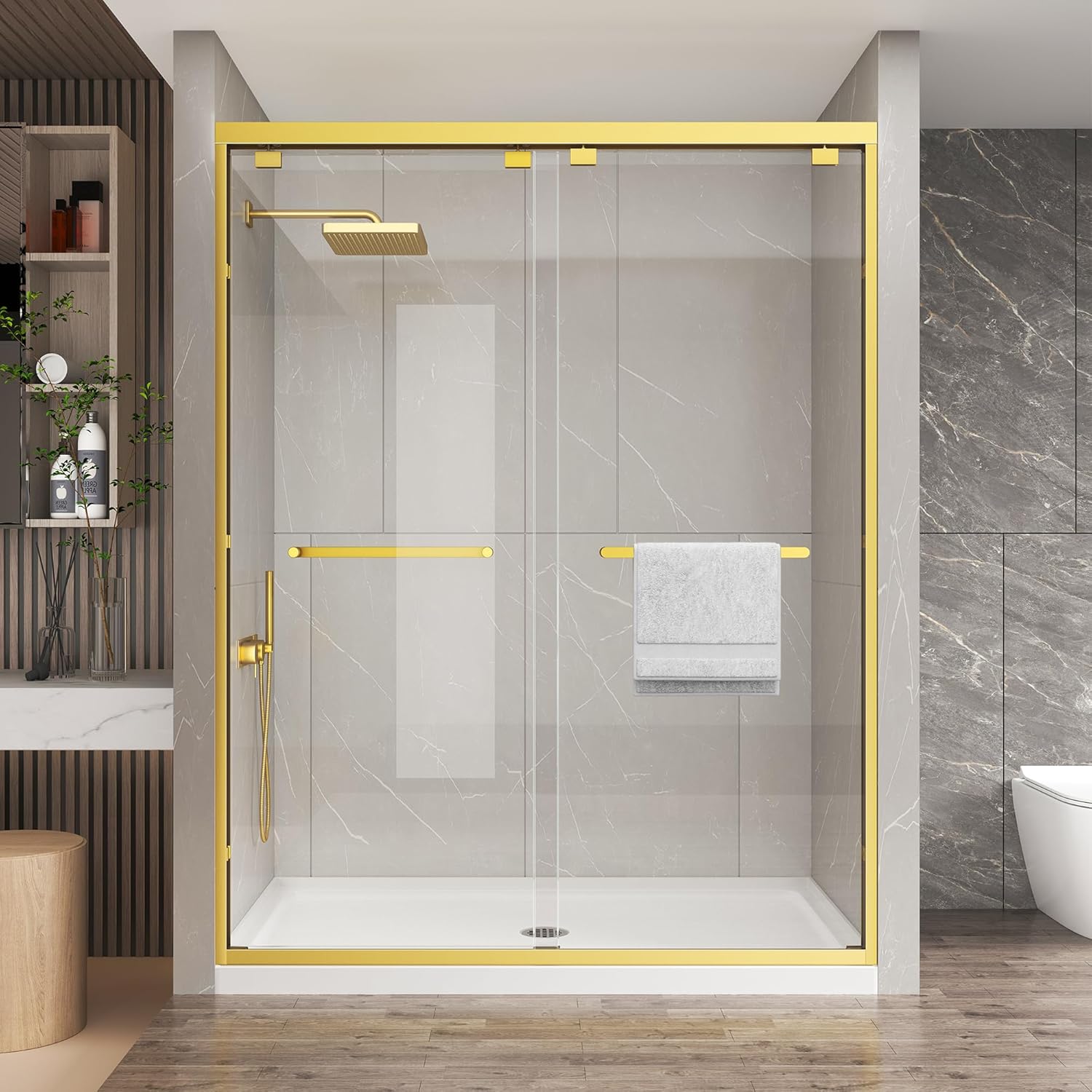
Cleaning sticky or noisy shower door rollers is one of those routine maintenance tasks every homeowner avoids until the door starts to hang up, scrape glass, or fall off track. After 20+ years remodeling bathrooms across the U.S., I can tell you the cause is almost always simple: soap scum, mineral build-up, or a roller that’s worn out and misaligned. With tempered glass thickness, installation tolerances, and out-of-plumb walls often working against you on older installs, a practical, step-by-step approach saves time and prevents damage to the glass and track.
Quick Answer (What Works Right Now)
Short answer: Remove the rollers from the door if possible, soak them in a descaler solution, scrub with a nylon brush, lubricate with a silicone-based dry lubricant, and reinstall. If rollers are cracked, flattened, or the bearings feel gritty, replace them. Typical time: 30–90 minutes per door depending on disassembly access.
Tools & Materials
Before you start, gather the right tools. Working blind behind hardware is the most common cause of broken clips and scratched glass.
| Item | Purpose | Notes |
|---|---|---|
| Phillips & Flat screwdrivers | Remove end caps and small screws | Magnetic screwdriver helps with tiny screws |
| Hex keys (Allen wrench set) | Adjust roller tension and remove pivot bolts | Common on frameless doors |
| Nylon brush & old toothbrush | Scrub rollers and track | Avoid wire brushes on aluminum tracks |
| White vinegar or commercial descaler | Dissolve mineral scale | Test on a small area first |
| Silicone-based dry lubricant | Lubricate rollers and track | Use sparingly; avoids attracting soap scum |
| Replacement rollers or roller kit | Replace worn or damaged rollers | Match bearing style and roller diameter to existing |
Strongly consider having a towel or two and plumber’s putty on hand to protect the glass. If you have a framed or semi-frameless door, track clips and seal strips may need replacing too.
Step-by-Step Cleaning Procedure
Below is a field-tested sequence. I use this on both framed and frameless doors—adjustments vary slightly with door weight and glass thickness (typical 3/8" to 1/2" tempered glass on residential installs).
- Safety first: Protect glass and yourself. Wear gloves and safety glasses. If the door is heavy (glass thicker than 1/2"), have a helper. Note the door’s orientation before removing; mark top edge with masking tape if needed.
- Remove the door (when possible): Lift the door up off the track by angling the bottom toward you and lifting. On some systems you’ll need to loosen top-set screws or remove a jamb clip. Keep track of screws and shims.
- Extract rollers: Undo the roller fasteners—these are often Phillips or hex head bolts. If the carriage is rusted, apply penetrating oil and allow time to work. Keep the roller assembly intact so you can match replacement parts if needed.
- Soak and scrub: Soak rollers in a 50/50 solution of white vinegar and warm water for 15–30 minutes to dissolve mineral deposits. Use a nylon brush to remove stubborn buildup. For metal bearings, avoid soaking too long; dry immediately to prevent corrosion.
- Inspect bearings and wheels: Roll each wheel by hand. If it spins smoothly, you’re good. If you feel grit, tightness, or audible knocks, replace the roller. Do not lubricate a damaged bearing; replacement is cheaper than glass damage.
- Clean the track: Scrape big chunks of gunk with a plastic putty knife, then scrub the track with vinegar solution. Rinse thoroughly and dry. For framed doors, clean both upper and lower tracks; for frameless, check the guide channel and threshold.
- Lubricate sparingly: Apply a thin film of silicone-based dry lubricant to the wheel surfaces and track. Avoid petroleum-based lubricants; they attract soap scum. Wipe excess off with a rag.
- Reassemble and adjust: Reinstall rollers and hang the door. Use the adjustment screws to set height and tilt—most roller bolts allow +/- 3/8" of adjustment. Check for smooth travel and a 1/8" clearance between glass and frame or wall to accommodate out-of-plumb conditions.
- Final test: Slide the door end-to-end 10–20 times, then test close and latch. Tighten fasteners to manufacturer torque; over-tightening can crack tempered glass.
Featured Tools for Tight Spaces
- Offset screwdriver for recessed jamb screws
- Small magnet tray to keep fasteners organized
- Rubber mallet for gentle persuasion when seats stick
Troubleshooting & Repairs
Common problems and how to handle them on-site.
- Door sticks at one end: Check for debris in threshold and verify the door is hung square. On older homes it’s common to find out-of-plumb walls causing binding—shims and roller adjustments often compensate for as-built variances.
- Noise or grinding: Grit in bearings or a cracked nylon wheel. Replace the roller; grinding often signals internal bearing failure.
- Roller bolt spins but wheel doesn’t: Broken bearing or seized axle—replace the whole assembly.
- Metal flakes or corrosion: The roller housing has corroded—replace with stainless or plated parts and consider a new bottom track if pitting is severe.
When replacing rollers, match the mounting plate and axle spacing. If you can’t find an exact match, bring the old roller to a local glass shop or order from a vendor that supplies parts for frameless shower systems. If the glass is tempered (ANSI Z97.1 compliant), avoid drilling or altering the glass—replacement is required if glass is compromised.
Maintenance Schedule and Best Practices
Regular light maintenance avoids emergency calls. Here’s a field-tested cadence:
| Interval | Task | Why it matters |
|---|---|---|
| Monthly | Wipe track and rollers, remove hair and soap film | Prevents buildup that binds rollers |
| Quarterly | Inspect roller bearings and application of silicone lubricant | Extends roller life; preserves smooth travel |
| Annually | Partial disassembly and deep clean; inspect glass edges and seals | Catch wear before it leads to glass damage |
Pro tip: Use a silicone-based spray that lists non-stick and water repellency on the label. A little goes a long way; too much lubricant attracts gunk.
Real Jobsite Notes (My Field Experience)
Working on mid-century and Victorian rehabs taught me to expect the unexpected. I’ve removed shower doors where the bottom track sat on a sloped curb—some installers left a 1/4" curb slope to drain water; others left no slope, allowing water to pool and accelerate corrosion. Glass thickness varies; I’ve seen tempered 3/8" doors retrofitted where the original hardware expected 1/2". These installation tolerances need attention during re-hang; mismatched hardware increases lateral stress on rollers and shortens life.
When dealing with out-of-plumb walls, I often shim the header or adjust upper rollers to shift the load and stop edge rubbing. If the homeowner plans a full replacement, I recommend measuring the rough-in dimensions at three heights because walls are rarely perfectly plumb. If you’re replacing the entire door system, consider upgraded roller bearings and stainless fittings to reduce future maintenance—especially in hard-water areas.
For certified guidance on kitchen and bath design standards, see the National Kitchen & Bath Association: NKBA. For plumbing code references related to drain slope and wet-area construction, the industry resource I trust is IAPMO: IAPMO.
Frequently Asked Questions
How often should I replace shower door rollers?
Replace rollers when they no longer spin freely, make grinding noises, or show visible cracking. For average residential use, expect replacement every 5–10 years depending on water hardness and maintenance habits.
Can I lubricate rollers without removing the door?
You can apply a very light coat of silicone lubricant to the exposed wheel while the door is on the track, but that’s a temporary fix. Removing the rollers for proper cleaning is the only way to remove trapped grit and scale that cause long-term wear.
Will cleaning rollers damage tempered glass?
No, cleaning and maintenance won’t harm tempered glass if you avoid prying or hammering near the glass edge. Tempered glass meets ANSI Z97.1 safety standards; however, do not drill or file glass—damage near edges requires replacement.
Wrap-up & Product Link
Keeping shower door rollers clean and well-lubricated is straightforward if you follow the right sequence: remove, clean, inspect, lubricate, and adjust. Simple attention to installation tolerances—like accounting for out-of-plumb walls and using the correct roller type for your glass thickness—prevents most future problems. If you're shopping for replacement doors or considering an upgrade, check compatible options like KPUY Shower Doors for modern hardware that tolerates tighter installation variances.
Small maintenance today avoids a costly emergency—replace a $20 roller, not a cracked tempered door.

Leave a comment
All comments are moderated before being published.
This site is protected by hCaptcha and the hCaptcha Privacy Policy and Terms of Service apply.