
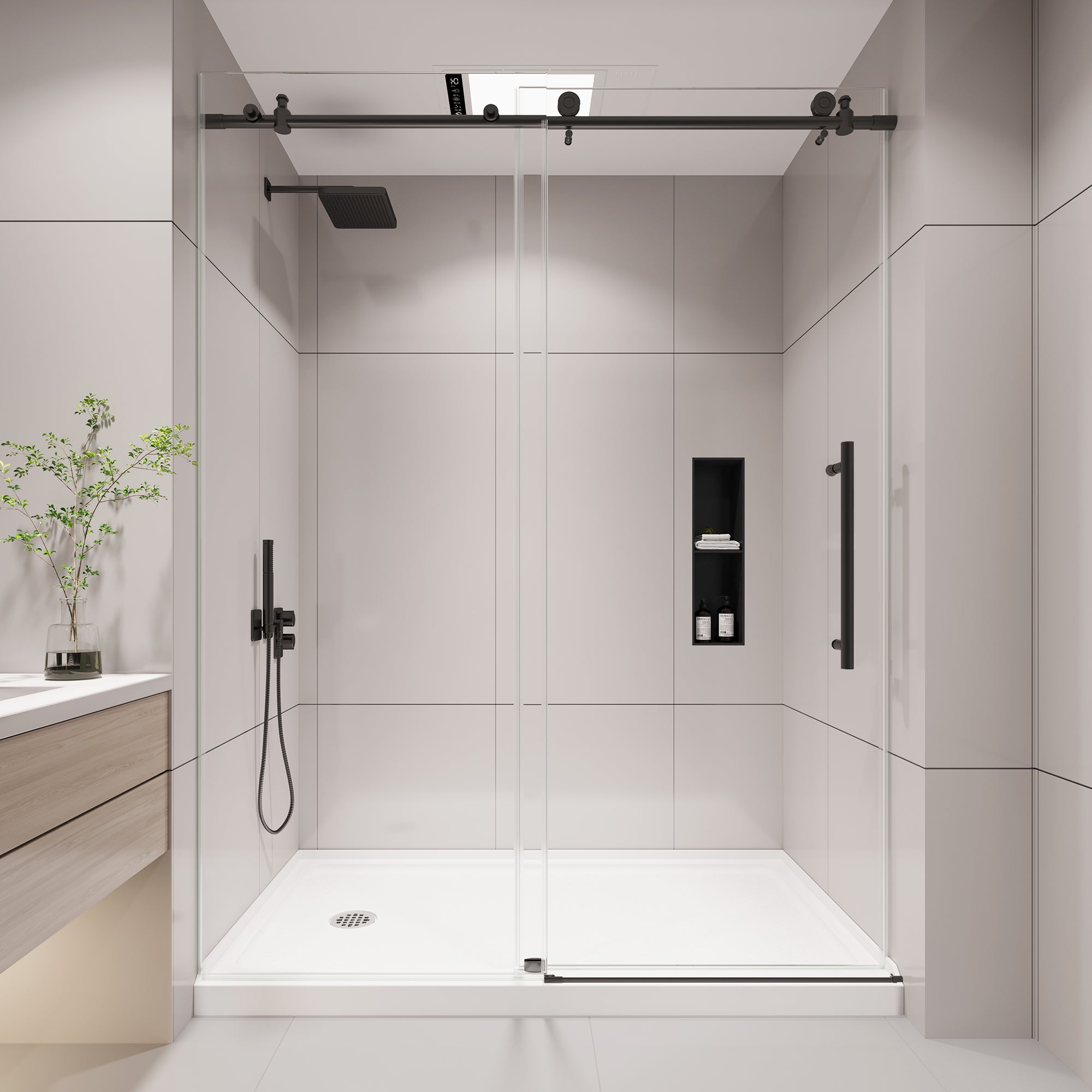
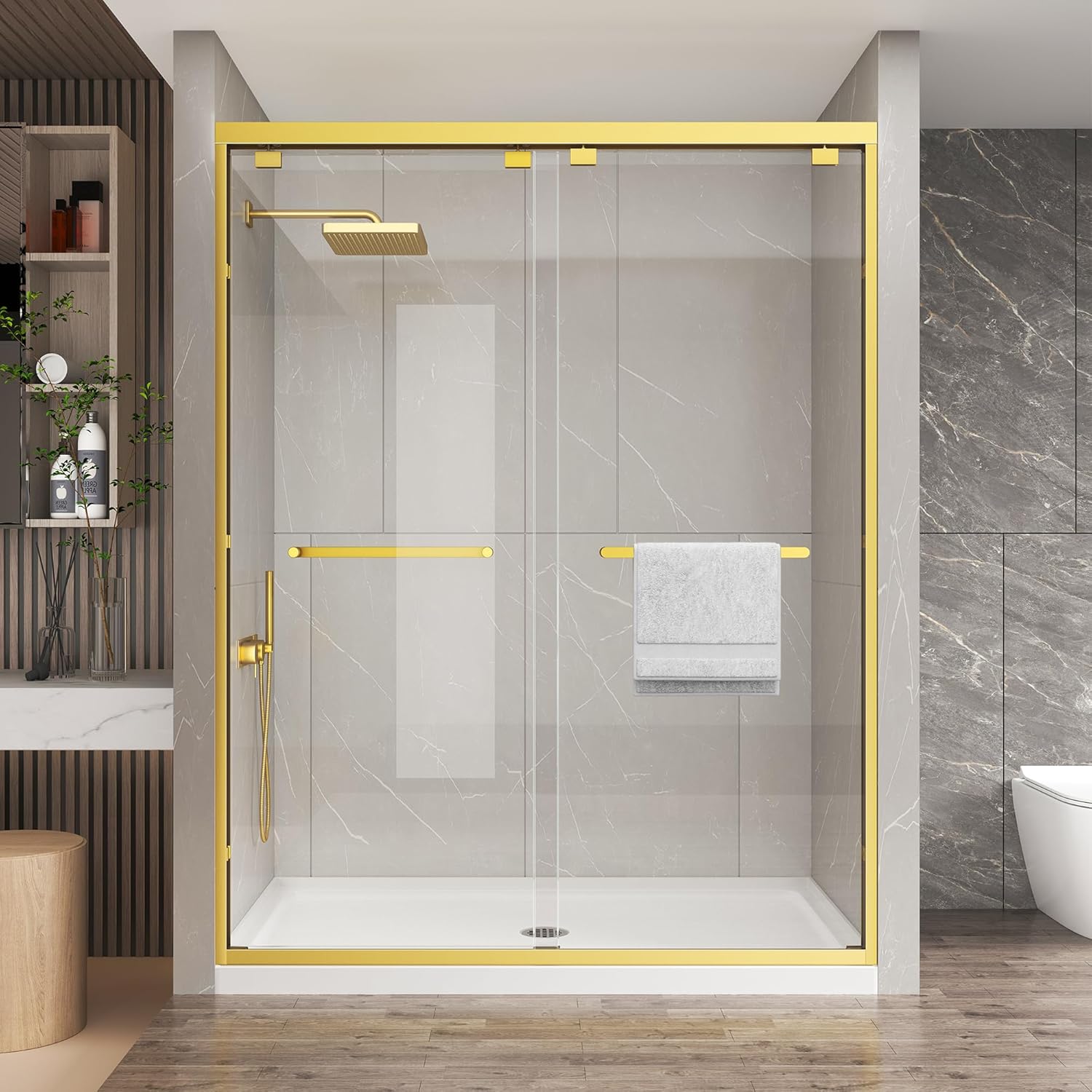
When homeowners ask me “what shower door height works with standard ceilings,” they usually mean one thing: how to get a clean, safe installation without trimming the ceiling or ending up with a weird gap that sprays water on the bathroom floor. With 20+ years on remodeling sites, I’ll give you practical sizing guidance that fits common 8‑ and 9‑foot ceilings, covers installation tolerances, and explains tradeoffs — glass safety, headroom, and finishing around out‑of‑plumb walls.
Short Answer (Quick Snippet)
For standard 8‑foot ceilings a shower door height of 72"–78" (6'–6'6") is the practical range. For 9‑foot ceilings, 78"–84" doors work well. Leave at least 2"–4" clearance from finished ceiling for trim and ventilation, and allow 1/4"–1/2" total tolerance for out‑of‑plumb walls and head clearance.
That’s the quick fix. Below I explain why those numbers matter and how to handle real‑world installation issues like wall plumb, curb slope, and tempered glass clearances.
Typical Measurements & Clearances
Before ordering glass, measure these items on the finished shower — not the rough framing. These are the live dimensions you’ll work with:
- Finished floor to ceiling (after tile and mortar) — this is the only ceiling height that matters for door design.
- Finished curb height — tile plus mortar sets change curb height and affect door swing/clearance.
- Opening width and wall plumb — record top and bottom widths; walls can be out‑of‑plumb by 1/4"–3/4".
- Rough‑in locations for plumbing and shower heads — head placement can affect how high you want the door to avoid steam build‑up.
Use a reliable laser measure and a 4‑foot level. I also verify with a framing square and record three readings for each dimension — left, center, right.
Matching Shower Door Height to Common Ceiling Heights
Below is a practical guide to match door height to ceiling height. I assume a standard tile floor and a tile ceiling transition. These are recommendations based on code, safety, and contractor experience.
| Finished Ceiling Height | Recommended Door Height | Clearance to Ceiling | Notes |
|---|---|---|---|
| 8' (96") | 72"–78" | 18"–6" | 6'–6'6" fits well with standard hardware and header profiles |
| 8'6" (102") | 78"–82" | 24"–20" | Good balance of headroom and splash protection |
| 9' (108") | 78"–84" | 30"–24" | Custom taller doors are common; leave room for soffits or ducts |
Why not go floor‑to‑ceiling? Floor‑to‑ceiling glass can look great, but it raises complexity and cost: custom glass sizes, higher‑load hardware, and dealing with HVAC/soffits. For most remodels, a door 6"–12" below the ceiling is the practical sweet spot.

Real Jobsite Issues — My Field Notes
When remodeling older homes you run into things the plans never show. Here are real observations from job sites:
- Walls often are out‑of‑plumb by 1/4" to 3/4" over 72". That requires either custom glass or shimmed channels that can close up to 3/8".
- Finishing tile and grout can raise the curb by 1/4"–1/2", so measure after tile work is complete.
- Plumbing fixtures like built‑in soap niches or recessed valves can limit where a frameless door can sit; sometimes we offset hinges 1/8"–1/4".
- Soffits, bulkheads, or ductwork often force a glass reduction. If you expect a soffit, plan for at least a 2" gap between glass and soffit to prevent tight clearances that complicate cleaning and hardware mounting.
I once did a 1950s remodel where the bathroom ceiling dropped 3/4" around the perimeter due to old plaster. We ordered the glass 1/2" shorter than standard and used a slim header to conceal the gap. That saved the owner thousands compared with raising the ceiling.

Glass Thickness, Safety Standards & Codes
Safety is non‑negotiable. Use tempered glass that meets ANSI Z97.1 and local codes. Typical thicknesses:
- 1/4" (6mm) — standard for sliding door panels and framed installations.
- 3/8" (10mm) — common sweet spot for semi‑frameless and some frameless doors; good rigidity and reasonable weight.
- 1/2" (12mm) — used for high‑end, full‑height frameless doors; needs heavy‑duty hinges and reinforced thresholds.
Always verify with your glass supplier and hardware manufacturer. The industry association NKBA has good guidance on openings and clearances; see their resources for planning dimensions. NKBA.
For code requirements and glazing standards, consult the local building department and recognized standards bodies. I also reference the International Code Council for local code cross‑checks. ICC.
Installation Tips & Tolerances
Work smart on site. These are practical rules I follow every time:
- Measure three times, order once. Measure at top, middle, bottom — both walls and curb height. Record everything.
- Allow a 1/4"–1/2" top clearance from the glass to the ceiling to accommodate slight ceiling variations, hardware, and ventilation needs.
- Add shims under channels if walls are out‑of‑plumb — plan for up to 3/8" correction per side.
- Check the curb slope. A sloped curb (1/4" drop toward drain) can change the effective glass height; measure vertical from finished curb to ceiling at hinge location.
- Account for door swing and handle projection. Handles often add 1.5"–2" to required clearance; consider door swing path near vanities and toilet.
Header vs. headerless: Frameless headerless doors look modern but require precise tolerances and often thicker glass. A small header can hide uneven ceilings and gives a margin when ceilings or soffits are not true.
Where to Buy/Shop
If you want a range of styles that match the sizing guidance above, check the glass door collections where you can filter by height and glass thickness. For a reliable selection of shower doors and hardware, I often point homeowners to KPUY Shower Doors — they offer standard and custom options and list glass thicknesses and hardware load ratings.
FAQ — People Also Ask
How tall should a shower door be with an 8‑foot ceiling?
Answer: Typically 72"–78". Aim for 6'–6'6" to leave 2"–4" below the ceiling for trim and ventilation. If you have a header or soffit, measure after finish work to choose the optimal height.
Can a shower door be installed up to the ceiling?
Yes, but only if the ceiling is straight and there are no soffits or ducts. Floor‑to‑ceiling glass increases cost, requires precise measurements, and likely thicker glass and reinforced hardware. For most homes, a small gap under the ceiling is easier to install and service.
What about safety glass requirements?
Always use tempered glass that meets ANSI Z97.1 and local code. Thickness should be appropriate to the door style: 1/4" for framed, 3/8" for standard frameless, 1/2" for heavy full‑height doors. Confirm with your supplier and local building department before ordering.
Final Notes
Choosing the right shower door height for standard ceilings is about balancing water control, headroom, and real‑world tolerances. My rule of thumb: pick a door that leaves a neat 2"–6" gap under the ceiling, schedule the glass after tile is finished, and account for out‑of‑plumb walls with shims or adjustable channels. If you want a practical selection of doors that list height and glass thickness options, see KPUY Shower Doors for models that work with typical 8'–9' ceilings.
Want help sizing a specific opening? Take detailed finished measurements (top, middle, bottom widths; finished curb height; ceiling height), note any soffits or ducts, and your installer or glass vendor can dial in the exact glass size and hardware spec. Strong planning and realistic allowances save money and rework on site.

Leave a comment
All comments are moderated before being published.
This site is protected by hCaptcha and the hCaptcha Privacy Policy and Terms of Service apply.