
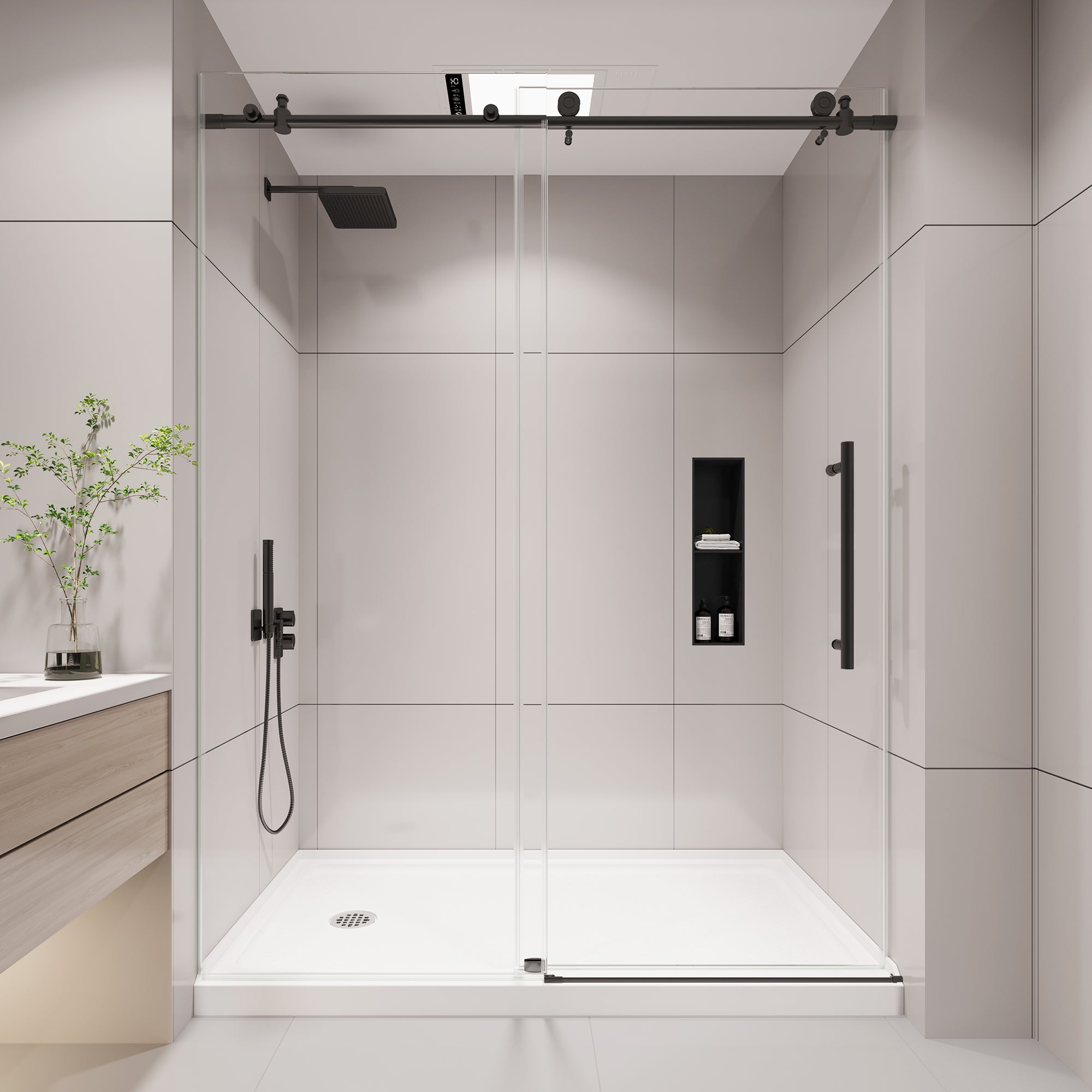
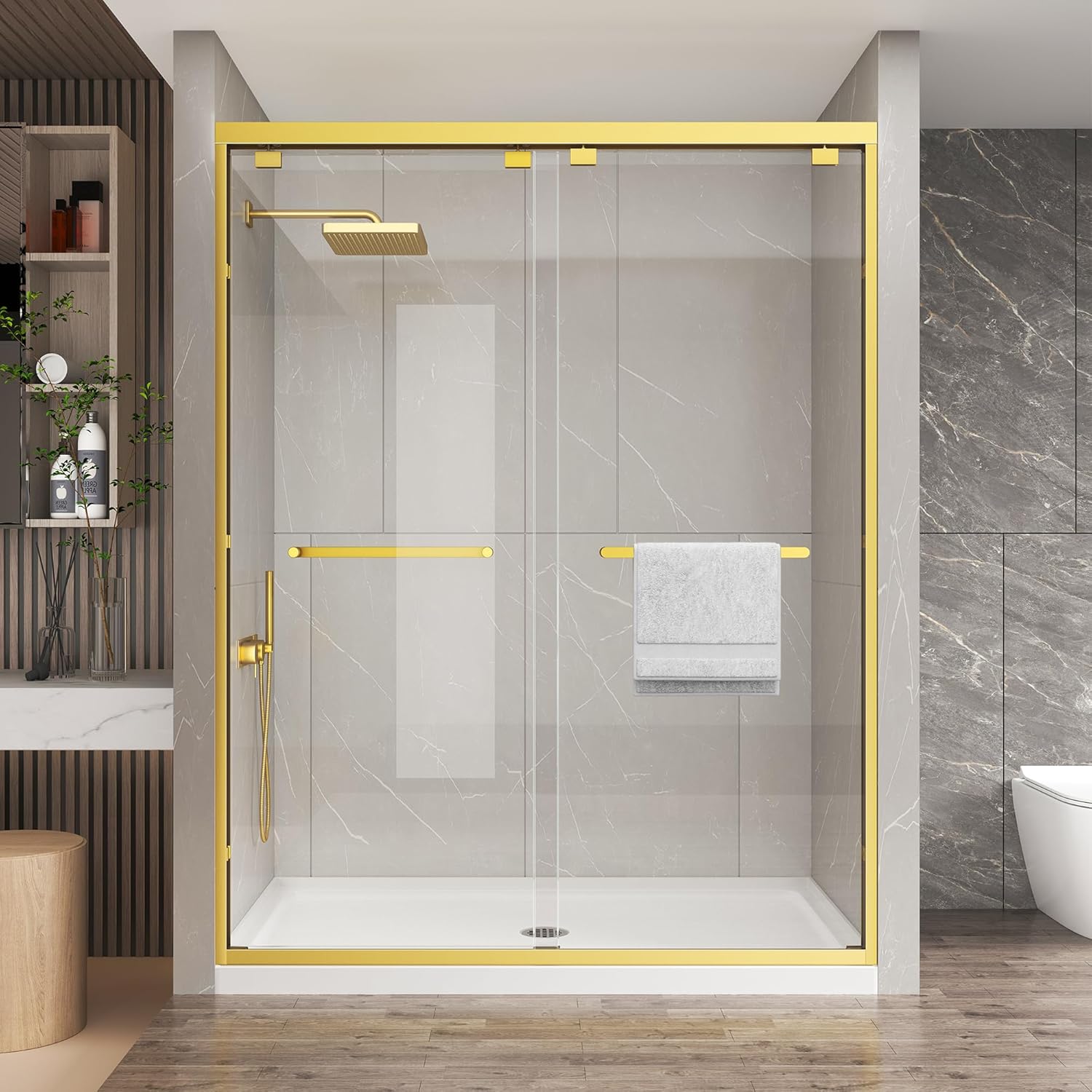
Replacing a builder-grade shower door is one of the highest-impact upgrades you can make in a bathroom renovation: it improves function, looks, and long-term durability. But the choice isn’t just about style — it’s about glass safety, clearance, rough-in dimensions, curb slope, and realistic installation tolerances. Below I’ll give straightforward guidance based on 20+ years of on-site bathroom remodels, ANSI/industry safety references, and what I’m seeing in 2026 design preferences.
Quick Answer
Short, practical answer: For most builder-grade vaults you’ll want a 3/8" or 1/2" tempered glass door, choose frameless or semi-frameless if your walls are reasonably plumb, allow at least 1/8"–3/16" per side for installation tolerance, and confirm the curb slope and rough-in drain locations before ordering glass templating. If walls are out-of-plumb more than 3/8" over 6', lean toward framed systems or custom-sized panels.
Why Replace a Builder-Grade Unit
Builder-grade sliding doors and aluminum framed units were cheap and fast for builders, but they often fail in three ways: hardware wear, glass damage, and poor water containment. A well-chosen replacement addresses all three with:
- Durable hardware (stainless or solid-brass rollers/hinges).
- Correct glass safety — tempered, code-compliant thickness and edgework.
- Proper water management — thresholds that match curb slope and proper seals.
2026 trends favor clean lines and durable finishes — matte black, brushed nickel, and brass — but don’t pick finishes only for looks. Pick hardware with replaceable parts and a proven warranty.
Measure & Assess the Existing Opening
Before you shop, get the critical dimensions and the condition of the enclosure. Measure twice, hint: measure from the finished surfaces. My field checklist:
- Overall opening width and height at three points (top, middle, bottom).
- Check for out-of-plumb: measure gap between wall and a 6' level at top and bottom. Record any variance.
- Measure curb height and slope — does water pool or run toward drain?
- Locate the drain rough-in and note any offsets.
- Note any tile bullnose, soap niche, or protruding plumbing that will affect the glass plane.
Field tip: I frequently see walls out-of-plumb up to 3/4" over a 6' height in older houses. That affects whether you can use frameless panels or need adjustable jambs on framed/swing doors. Always leave a 1/8"–3/16" installation tolerance per vertical edge for shim and caulk.

Glass Type & Safety Standards
Safety matters. Use fully tempered (heat-treated) glass for all shower doors. Tempered glass meets impact safety requirements and will break into small granular pieces rather than large sharp shards. Relevant standards include ANSI/industry glazing rules — check product labels and ask the vendor for certification. I recommend referencing the National Kitchen & Bath Association guidance for layout and safety practices and verifying glass marking per ANSI or applicable codes.
Authoritative resources: NKBA and the standards directory at ANSI.
Common glass choices:
- 1/4" (6mm) tempered — cost-effective but flexes on large spans; acceptable for framed units.
- 3/8" (10mm) tempered — most common for semi-frameless and moderate-width frameless doors.
- 1/2" (12mm) tempered — premium, rigid, better for large walk-in panels or heavy doors.
Edgework and finish matter: polished edges, not raw cut, reduce the chance of chips. Frosted or textured patterns are decorative but can trap soap scum; choose coatings (like low-E or easy-clean) wisely.
Frame, Semi-Frameless, Frameless: Which to Choose?
Choice depends on wall plumb, budget, and aesthetic goals.
- Framed: Best for out-of-plumb walls or where you need the most adjustment. Cheaper and easier to install, but more metal sightlines and seals to maintain.
- Semi-frameless: Compromise: slimmer vertical profiles, often 3/8" glass, looks cleaner while still forgiving modest plumb issues.
- Frameless: Cleanest look and contemporary; requires accurate walls and premium glass (3/8" or 1/2"). Hardware is structural (hinges and clamps) so installation tolerances are tighter.
If your existing enclosure is a standard tub-to-shower conversion or sliding door, you can often upgrade to a frameless pivot or bypass system, but plan on glass templating after tile work so measurements are exact.
Hardware, Handles & Finishes
Hardware selection affects function as much as looks. Prioritize:
- Material: 316 stainless steel or solid brass over plated zinc for long-term corrosion resistance in humid bathrooms.
- Rollers & hinges: replaceable bearing rollers and sealed pivot bearings reduce noisy wear.
- Threshold and sill: pick a sill that matches the curb slope. A flat sill on a cambered curb will leak.
Finish choices (matte black, brushed nickel, brass) are style decisions, but verify the finish coating warranty and whether it resists chlorides and cleaning chemicals.
Installation Considerations & Field Realities
Real jobsite experience matters here. I’ve templated and installed hundreds of doors — a few recurring realities:
- Out-of-plumb walls require shims and jamb adaptors. Don’t force glass to match crooked tile; adapt the frame instead.
- Rough-in drains offset by more than 2" can interfere with hinged door swing; sometimes you need to modify the curb or change door swing direction.
- Curb slope must direct water to the pan/drain. If it doesn’t, a new door won’t stop leaking — fix the slope or add a proper threshold detail.
- Leave a 1/8"–3/16" gap around glass to allow for clips and caulk. Tolerances tighter than 1/16" mean trouble during final adjustment.
Field story: On a 1950s remodel I found the tile contractor had installed a tile bullnose that reduced the opening by 7/16" at one side. The pre-ordered frameless panel needed re-templating — a costly delay. Now I always check tile edge profiles before final glass order.

Cost, Glass Thickness & Timeline
Below is a concise table showing typical costs, glass thickness, and install time ranges for common replacement choices. These are field-verified ranges; final cost depends on site conditions and finishes.
| Door Type | Typical Glass Thickness | Typical Cost Range (materials + install) | Typical Install Time |
|---|---|---|---|
| Framed sliding | 1/4" | $350–$850 | 2–4 hours |
| Semi-frameless hinged | 3/8" | $700–$1,400 | 4–6 hours |
| Frameless pivot or bypass | 3/8"–1/2" | $1,000–$2,500+ | 6–10 hours (templating may add days) |
Note: Custom glass templating typically requires the tile to be finished first. Expect a 1–3 week lead time for tempered glass once the template is approved.
Maintenance & Care
To keep a new door working and looking good:
- Use a squeegee after each use to reduce mineral build-up.
- Avoid abrasive cleaners; use mild, pH-neutral cleaners or manufacturer-approved coatings.
- Inspect rollers and hinges annually; lubricate per manufacturer instructions and tighten fasteners.
Warranty tip: Keep installation receipts and photos — many glass manufacturers will honor edge chip warranties only when installed by a certified dealer.
FAQ
Can I replace a sliding door with a frameless pivot door?
Yes, but only if the opening, curb, and wall tolerances allow. Convert only after measuring for out-of-plumb conditions, verifying curb slope, and ensuring there’s enough clearance for the hinge swing. You’ll likely need to rework the threshold and possibly the drain location.
What glass thickness should I choose for a 60" wide walk-in panel?
For a 60" span I prefer minimum 1/2" tempered glass to minimize flexing and avoid edge chips. If you want a thinner look, add a structural header or use a supporting clip system and specify 3/8" only with structural reinforcement.
How do I verify a shower door meets safety standards?
Ask for the tempered glass certification and make sure the glass is labeled per ANSI/industry requirements. Also hire an installer who documents edgework and installation tolerances. NKBA provides layout guidelines that are useful during planning: NKBA.
Closing & Next Steps
Choosing the right shower door is a balance between site realities and design goals. Start with accurate measurements and a jobsite inspection — that single step prevents the most common delays. If you’re ready to browse options that fit real-world installs and solid warranties, check out KPUY Shower Doors for compatible framed, semi-frameless, and frameless systems.
Final field advice: Never order final-tempered glass until tile and threshold work are complete. That one discipline saves money, time, and headaches on every remodel.

Leave a comment
All comments are moderated before being published.
This site is protected by hCaptcha and the hCaptcha Privacy Policy and Terms of Service apply.