
Choosing the right shower door finish to go with brushed nickel fixtures is one of those details that can make a bathroom feel cohesive — or leave it feeling like a missed opportunity. As a bathroom remodeler with more than 20 years of hands-on experience, I’ve seen homeowners pick finishes based on catalogs and regret it once the light hits the room. In 2026, homeowners are favoring subtle, warm metals, transitional designs, and finishes that hide fingerprints and water spots. This article gives practical guidance you can use on the jobsite or when shopping — from finish compatibility and glass options to real-world installation tolerances and maintenance notes.
Quick Answer
Short, practical answer: For a precise, professional look, choose a brushed nickel or satin stainless finish on the shower door hardware. If you want contrast, matte black or a darker warm metal can work, but keep the pulls and exposed hinges within the same visual family. The safest visual match is satin/brushed metals that share similar sheen and undertones.
Why this matters: finishes read differently under bathroom lighting and against tile. A brushed nickel faucet will look off next to a high-polish chrome frame, even if both are technically “silver.”
Matching Finish Options (What Works and Why)
Below are common finish choices with real-world notes on compatibility with brushed nickel fixtures.
| Finish | How it Matches Brushed Nickel | Practical Notes |
|---|---|---|
| Brushed Nickel | Exact match — identical tone and sheen | Best when you want a cohesive, low-reflective look. Accepts water spots well. |
| Satin Stainless | Very close — slightly cooler undertone | Works in most kitchens/baths; easy to source for hardware and frames. |
| Polished Chrome | Noticeably shinier — can look mismatched | Avoid unless coordinated intentionally for contrast; shows water spots. |
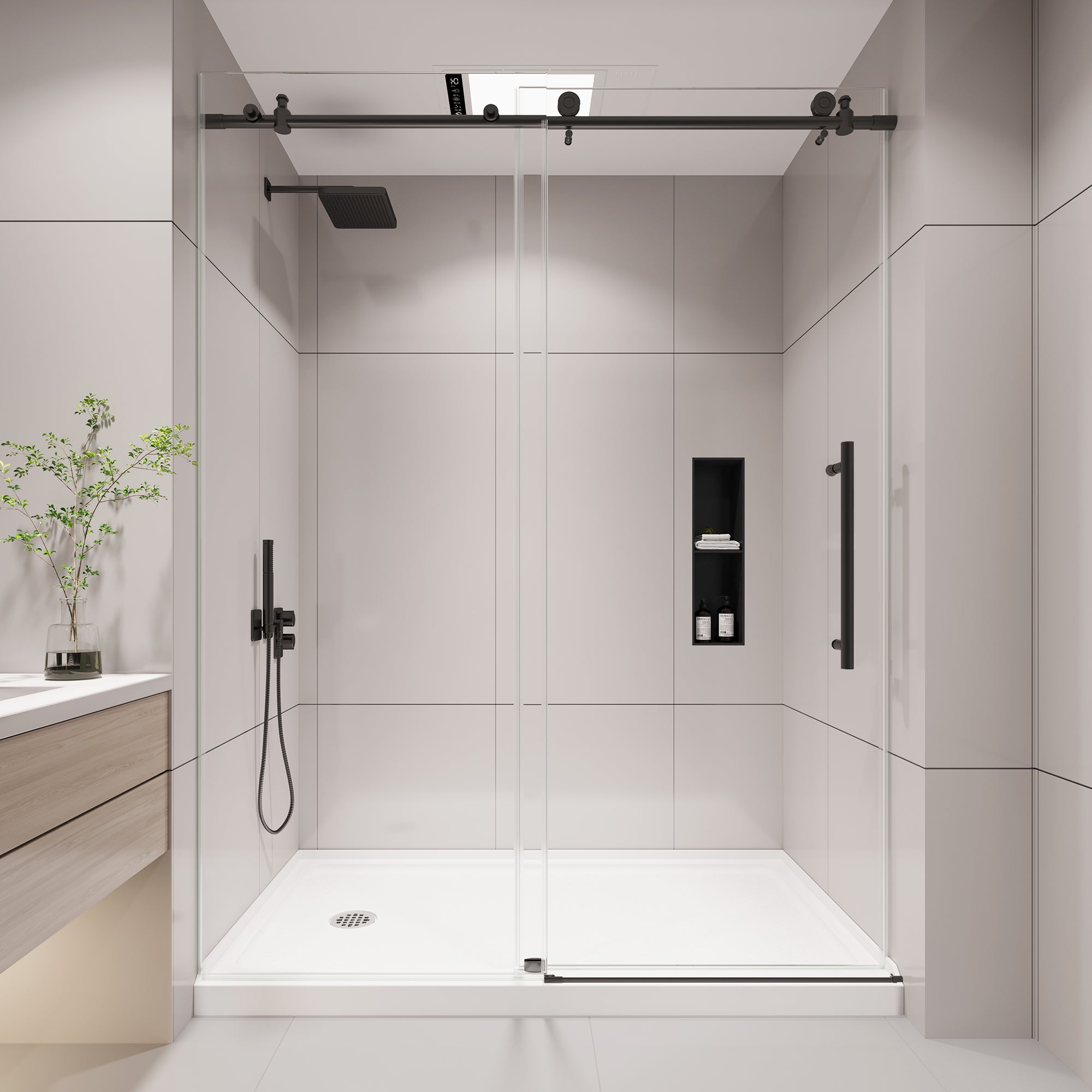
| Matte Black | High contrast — modern look | Good accent if repeated in towel bars, lighting. Needs consistent design language. |
| Oil-Rubbed Bronze | Warm, dark contrast — can clash | Works in rustic/transitional spaces but avoid if brushed nickel is the primary metal. |
Mixing Metals: Practical Rules
Mixing metals is popular, but you want it to look intentional. Here are straightforward rules I use on every job:
- Limit the palette: Stick to two metal families max in a small bathroom.
- Repeat the accent: If you use matte black for the shower door, repeat it in at least one other prominent element (light fixture, mirror frame).
- Match sheen: Brushed finishes pair better with brushed; polished with polished.
Featured-snippet style short guidance
If you want a one-sentence decision for a homeowner: Choose a brushed nickel or satin stainless shower door finish to match brushed nickel fixtures; use matte black only if you plan to repeat black in other visible elements.
Hardware, Glass, and Tempered Glass Thickness
Hardware & glass choices affect both looks and performance. Here's what matters on the installation side:
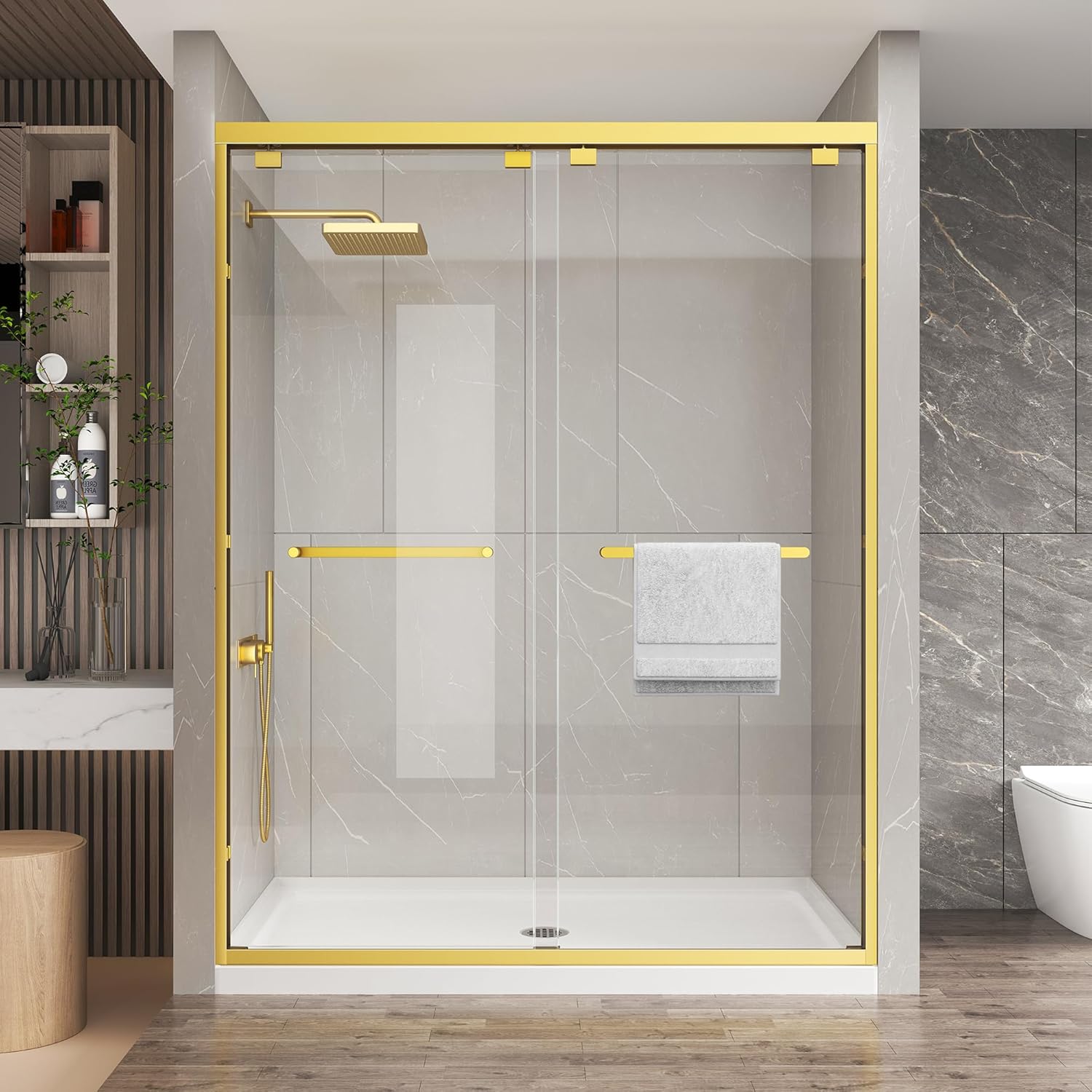
- Glass type: Frameless or semi-frameless showers look cleaner with brushed metals; framed doors hide mismatches but add visual weight.
- Glass thickness: Typical tempered glass thickness for residential showers is 3/8" (10mm) or 1/2" (12mm) for frameless doors. Thinner 1/4" glass is less common for main showers. Use thicker glass for heavy-duty hinges and minimal hardware.
- Finishes on exposed metal: Pulls, hinges, header rails — make sure the finish spec shows the same coating process (e.g., brushed PVD vs brushed chrome plating).
Safety and standards: Always insist on tempered safety glass meeting relevant standards. For glass safety and installation guidance, see the National Kitchen & Bath Association (NKBA) recommendations and glass safety pages at the U.S. Consumer Product Safety Commission for tempered glass info. NKBA and CPSC are good references.
Installation Realities: Field Experience
On paper, finishes are an easy decision. In the field, several variables change how a finish reads. Here’s what I tell customers based on real jobs:
- Out-of-plumb walls: On older houses you’ll almost always see walls out-of-plumb by 1/4" to 1/2". That changes reveal lines and may require offset hinges or channel adjustments — choose a finish that doesn’t highlight uneven gaps.
- Rough-in dimensions: Tile offsets and curb height (standard curbs are often 4" high but can be built up) affect where hardware sits. Confirm final tile and curb before ordering custom hardware.
- Curb slope and water management: If you have a low-slope curb, consider a full-frame bottom track to control splash. Finish on the track should match the rest of the hardware.
- Installation tolerances: Expect to leave a 1/8" to 3/8" reveal between glass and frame for sealant and movement. Hardware anchor locations must account for this.
- Glass size allowances: For cut-to-fit glass, leave 1/4" to 3/4" depending on seal and hardware type. Communicate exact finish and hardware type to the glass shop to ensure correct hole templates for pulls and hinges.
I once remodeled a 1920s bath where the west wall leaned inward nearly 5/8". We used brushed stainless U-channels combined with adjustable hinges and an extra-wide pull to hide the adjustments. The result read as intentional, not patched.
Maintenance & Durability
Finish choice affects how much time you'll spend cleaning.
- Brushed finishes: Hide water marks and minor scratches better than polished chrome. Use mild cleaners and non-abrasive pads.
- Matte black: Shows soap scum if not rinsed regularly but hides fingerprints.
- PVD coatings: (Physical Vapor Deposition) are more durable than standard plating — look for PVD or high-quality brushed stainless for wet environments.
Tip: Ask for a finish warranty and a maintenance card with the product. Some manufacturers include lifetime corrosion warranties; those are valuable in coastal or high-humidity homes.
Selection Checklist (Quick Table)
Use this step-by-step checklist before ordering hardware or shower doors.
- Confirm final tile, curb height, and wall plumb on site.
- Decide on finish family: brushed nickel/satin stainless or accent metal.
- Choose glass type and thickness (3/8" or 1/2" for frameless).
- Verify hardware hole templates with glass fabricator.
- Order sample finishes to view under your lighting.
- Confirm lead times — custom finishes can add weeks.
Here’s a quick procurement reference table to guide your order:
| Item | Recommended Spec | Why it matters |
|---|---|---|
| Shower Door Finish | Brushed Nickel or Satin Stainless | Matches fixtures, low sheen, hides water marks |
| Glass Thickness | 3/8" (10mm) or 1/2" (12mm) | Rigidity for frameless doors and hinge load |
| Coating | PVD or high-grade plating | Resists corrosion in humid environments |
When it’s time to buy, compare finish samples in your bathroom’s lighting. If you’re shopping for complete doors, start at a reliable vendor like KPUY Shower Doors where finish and glass options are clearly listed.
People Also Ask (FAQs)
Will satin stainless look the same as brushed nickel?
Satin stainless is very close to brushed nickel and is often indistinguishable at a normal viewing distance. The main difference is a slightly cooler undertone in stainless. If your fixtures are warm-brushed nickel, compare physical samples before committing.
Can I mix matte black hardware with brushed nickel faucets?
Yes, if you repeat the matte black elsewhere (lighting, mirror) and keep brushed finishes for the main touchpoints. The key is repetition and keeping a consistent sheen. Avoid random mismatches that aren’t repeated elsewhere.
What glass thickness should I choose for a frameless shower with brushed nickel hardware?
Choose 3/8" (10mm) for typical residential frameless doors; use 1/2" (12mm) for larger spans or heavy-duty hinges. Confirm hinge and clamp manufacturer limits before ordering glass.
Wrap-up
Matching shower door finish to brushed nickel fixtures is less about exact color matching and more about matching finish family, sheen, and material quality. For most homeowners the safest, most durable choice is brushed nickel or satin stainless hardware with 3/8" or 1/2" tempered glass. Account for real-world jobsite conditions — out-of-plumb walls, curb details, and reveal tolerances — before you place your order. If you want to see coordinated door and hardware options, check product collections at KPUY Shower Doors for finish and glass combinations.
Final practical note: Always get a finish sample installed near the tile and under the bathroom light for 24 hours so you can see how it behaves with the room’s undertones and reflections.

Leave a comment
All comments are moderated before being published.
This site is protected by hCaptcha and the hCaptcha Privacy Policy and Terms of Service apply.