
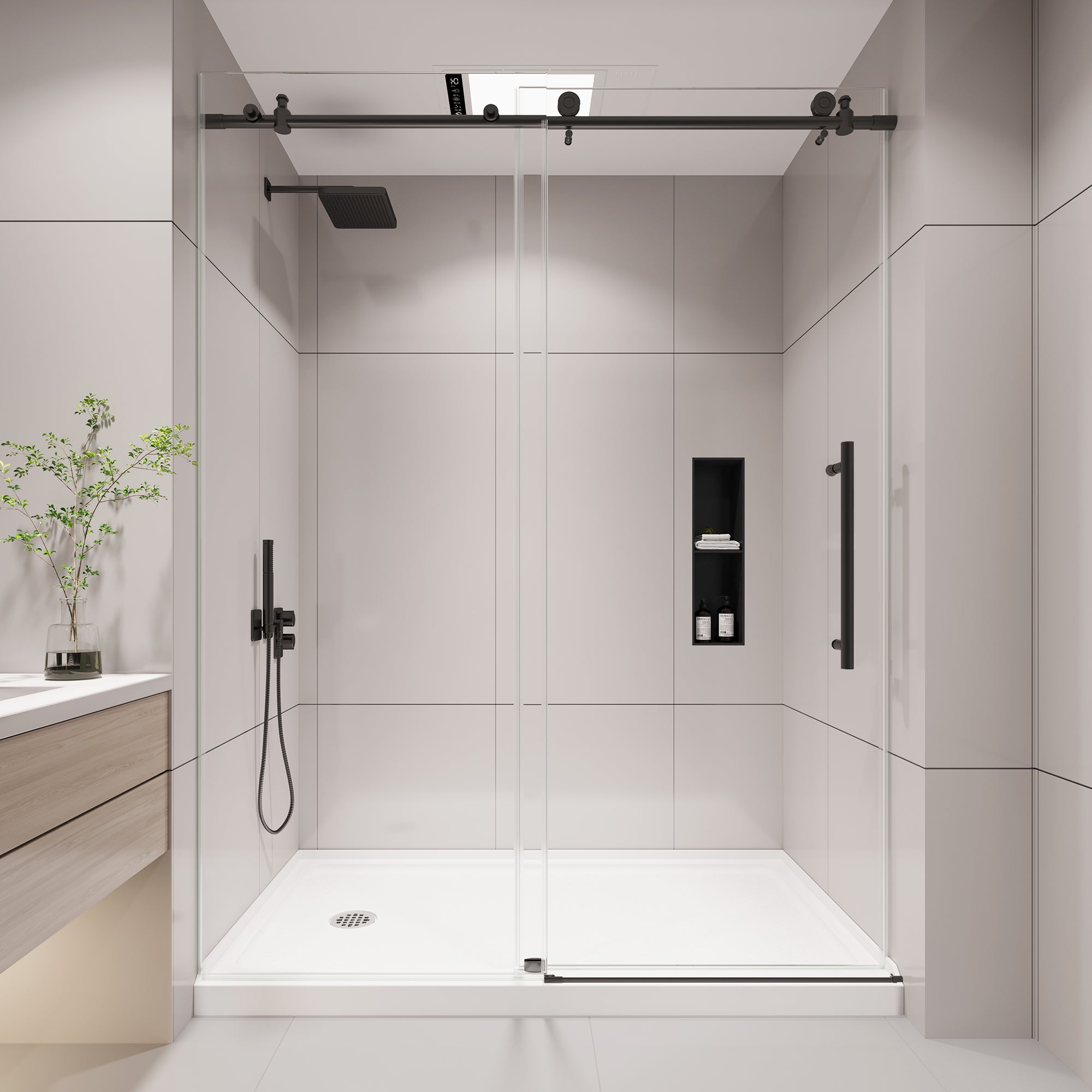
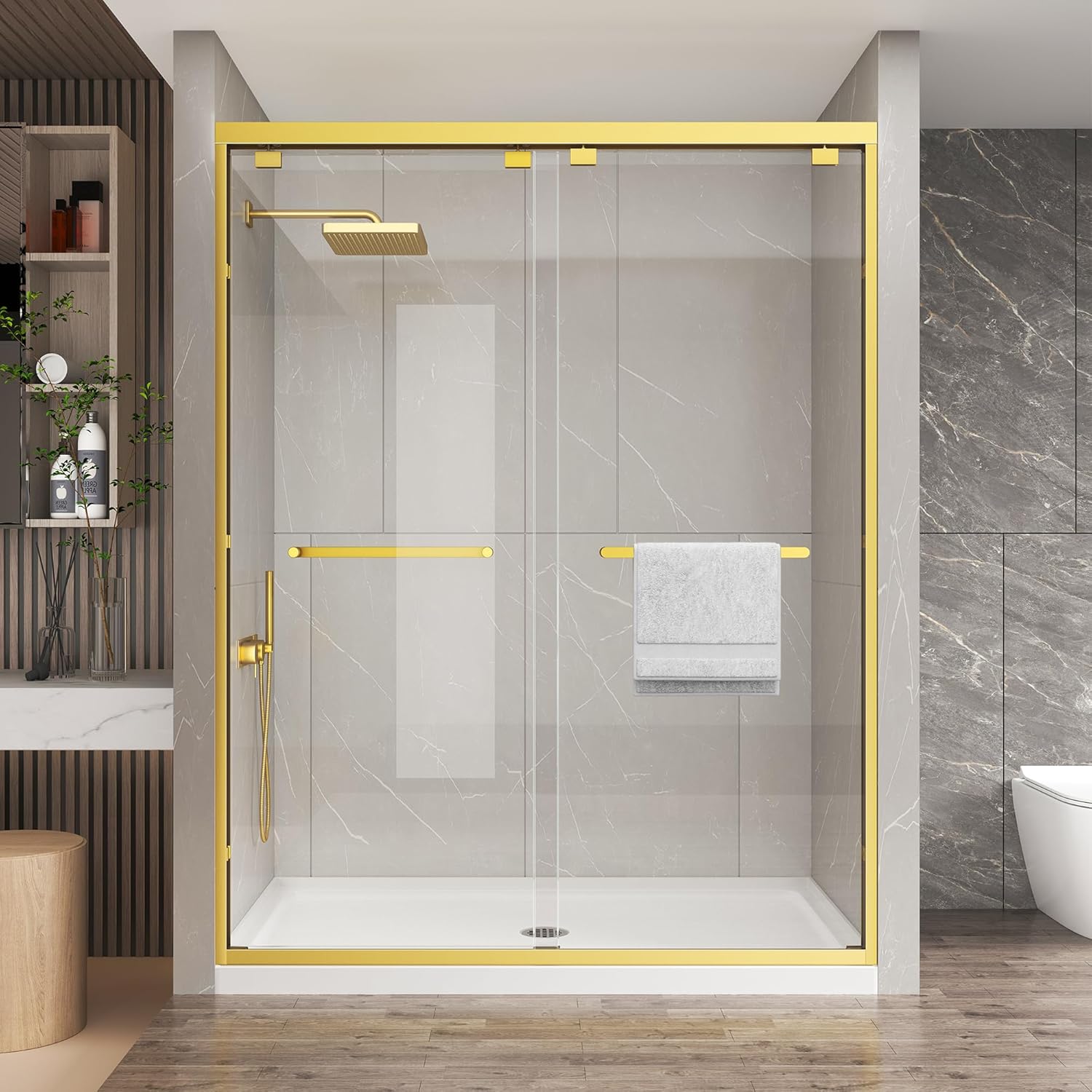
Choosing a shower base that reads as “custom” isn’t just about picking a nice material. Homeowners notice the details: how the curb aligns with the tile, whether the drain is centered or hidden, and if the shower feels built-in or like a pre-fab box dropped into the room. After 20+ years on remodeling sites across the U.S., I can tell you the difference between a shower that looks custom and one that looks off-the-shelf usually comes down to a handful of measurable details — and a contractor who respects installation tolerances.
Quick Answer
Short version: The shower base details that make it look custom are a low-profile or tiled curb, integrated or flush drain, material transitions with minimal gaps, and tight installation tolerances that account for out-of-plumb walls and floor pitch. These are the items a homeowner will notice first when stepping into the shower.
Key Details That Affect a Custom Look
Below are the elements I focus on when I want a shower to read as custom-built, not pre-fab:
- Curb height and finish — a consistent curb that lines up with tile nosing looks intentional.
- Drain style — linear or concealed drains read higher-end than a centered, exposed grate.
- Edge detail — stone or tile returns that wrap into the wall give a monolithic feel.
- Transition tolerances — gaps under glass or between base and tile must be minimized.
- Slope and slope visibility — the curb slope and pan slope must feel natural and not puddle.
Materials, Profiles and Edge Details
The material of the base sets the tone. Acrylic and fiberglass pans are common and economical, but a solid-surface, stone, or tile-ready base gives the perception of a built-in install when done right. Here are the profile choices that matter:
- Pre-formed pan with integrated curb — fast, but edges must be wrapped with tile or a matching trim to feel custom.
- Tiled mud bed over a waterproof membrane — the most customizable finish; tile, grout line size, and curb details control the look.
- Solid-surface or engineered stone bases — low seams, consistent color, and precise edge profiles read premium.
Another detail: tempered glass thickness and reveal. For a custom look, I usually recommend 3/8" to 1/2" tempered glass for frameless doors — it reads more substantial and aligns with ANSI Z97.1 safety expectations. For wet walls and panels, keep the reveal consistent to avoid a “rushed” appearance.

Installation Details and Tolerances That Make a Shower Look Custom
High-end appearance comes from tight installation tolerances. Here’s what I measure and correct on every job:
- Out-of-plumb walls: Most older homes have walls out of plumb by 1/4" to 3/4". I plan reveal and glass stops to hide that variance.
- Rough-in dimensions: Positioning of the drain, valve, and linear drain slot must be within manufacturer tolerances — usually ±1/8" for premium fittings.
- Curb slope: The curb should shed water back into the shower; I use a 1/8" to 1/4" fall across the curb face depending on profile.
- Tilt and shim for preformed pans: A pan that rocks or sits proud will ruin the look — I check shim packers and set the pan level, then mortar under low spots.
- Glass to tile gap: Keep consistent 1/16"–1/8" gaps (sealed or capped)—inconsistent gaps scream “quick install.”
You can’t fake these with caulk. Strong workmanship requires measuring, re-measuring, and compensating for field conditions.
Real On-Site Experience — What I See on Remodels
In older houses I remodel, walls are often 1/2" to 3/4" out of plumb over a 6-foot run. That affects how a base meets the wall and where glass will land. Here are practical fixes I use every week:
- Shim and pack the base to true the plane, then bed the pan in a thin mortar to prevent movement.
- When tile-ready pans are used, I set tile with a staggered grout joint to visually hide slight offsets in the wall.
- For framed showers, I plan for a wider jamb return or a flush reveal to catch uneven studs and create a clean sightline.
Field note: On a recent job in a 1950s bungalow the original wall bowed 5/8". Without adjusting the curb and glass pocket the frameless door would have had an obvious gap along the hinge side. I shimmed the frame and built the curb to align the glass plane — the homeowner thought the shower was a custom-built wet room.

Design Comparison Table
| Feature | Common Pre-Fab Pan | Tiled / Mud Bed Base | Solid Surface / Stone Base |
|---|---|---|---|
| Visual Customization | Limited | High | High |
| Edge/Return Options | Fixed | Wrap tile for seamless look | Precision-cut edges |
| Install Tolerance | Moderate (pan must be level) | Flexible (can correct out-of-plumb) | Requires precision set |
| Typical Cost | Low–Medium | Medium–High | High |
How to Choose a Shower Base That Reads Custom (Step-by-Step)
- Measure the space and check wall plumb and floor level — note any variance greater than 1/4".
- Decide on drain style: linear drains near the entry for a seamless look, centered drains for classic installs.
- Pick a base system that allows you to control edge detail (tiled mud bed or solid-surface preferred).
- Plan glass mounts and door swing before finalizing curb height — coordinate with the glass installer and check tempered glass thickness requirements.
- Hire a contractor who documents rough-in dimensions and installation tolerances in writing.
Tip: If you want the shower to look custom but have a tight budget, a pre-formed pan with a tiled surround and a stone or tile-topped curb is often the best compromise. For selection of quality bases, consider looking at Shower Bases.
FAQ
What single detail most affects whether a shower looks custom?
Answer: The edge treatment — how the base meets the wall and curb. A wrapped tile return, a stone threshold, or a continuous solid-surface edge immediately reads as intentional and custom-built.
How much gap between glass and tile is acceptable?
Keep glass-to-tile gaps consistent and minimal: typically 1/16" to 1/8". That maintains a clean sightline and allows a proper seal without messy caulk. Larger gaps often mean the wall or floor is out of tolerance and should be corrected before glass installation.
Do I need a linear drain to make it look custom?
No. A linear drain helps create a cleaner look, especially with large-format tile or a single-slope pan. However, a well-executed center drain with quality tile, tight grout joints, and a low-profile curb can look equally deliberate.
Final Notes & Where to Shop
Creating a shower that looks custom is more about the execution than the sticker price. Focus on edge details, drain type, and installation tolerances. If you plan to tile the floor or use a solid-surface base, you’ll get the most control over how the shower reads. For product browsing, I often point homeowners to reputable collections like Shower Bases as a starting point.
For design standards and best practices, consult resources like the National Kitchen & Bath Association (NKBA) and the International Code Council for plumbing code references (ICC Codes), and always confirm tempered glass requirements per ANSI Z97.1 and local code.
Ready to get precise? Measure the rough openings, note any out-of-plumb conditions, and ask your installer for a written tolerance plan before ordering glass or millwork. That’s what separates a quality remodel from a “close enough” job.

Leave a comment
All comments are moderated before being published.
This site is protected by hCaptcha and the hCaptcha Privacy Policy and Terms of Service apply.