
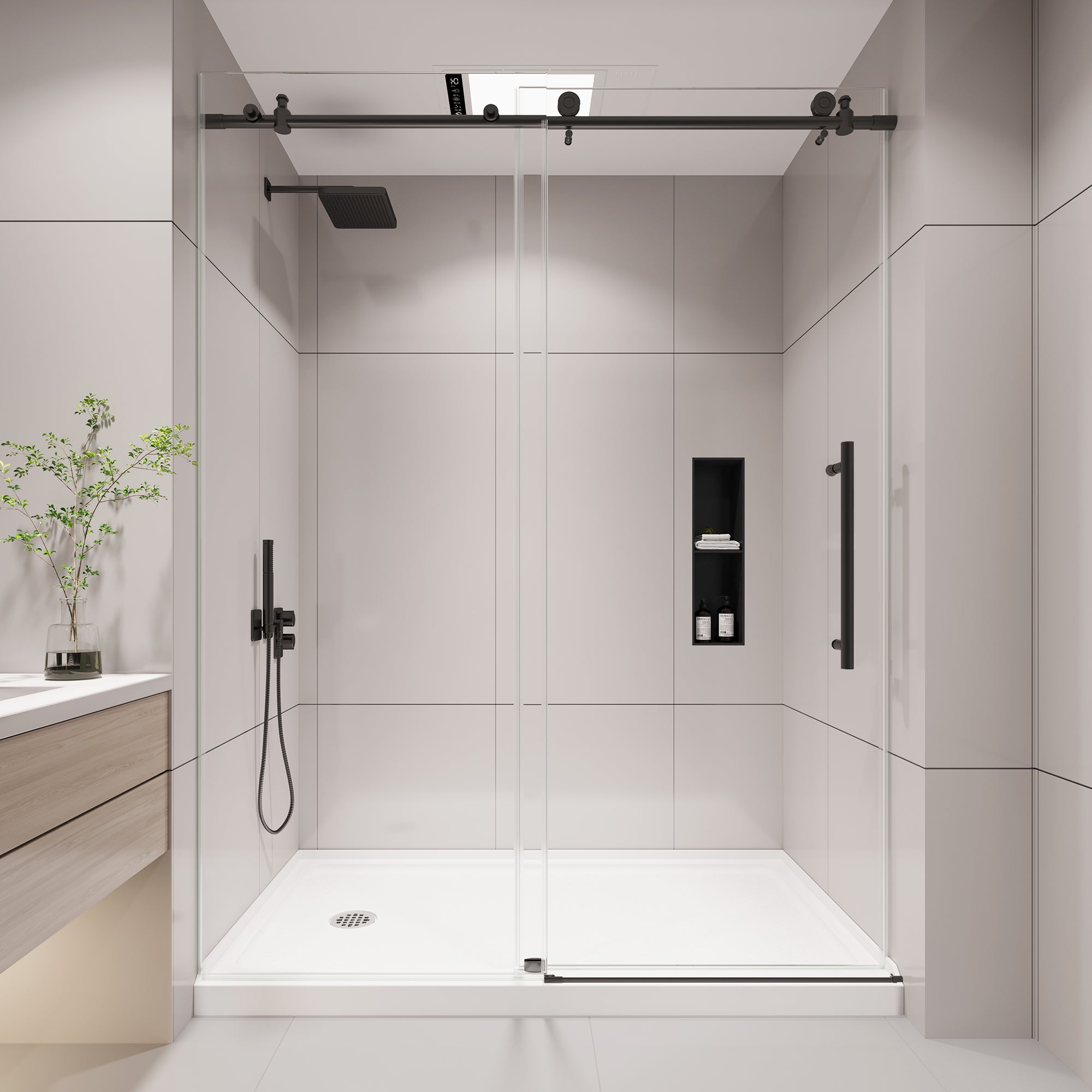
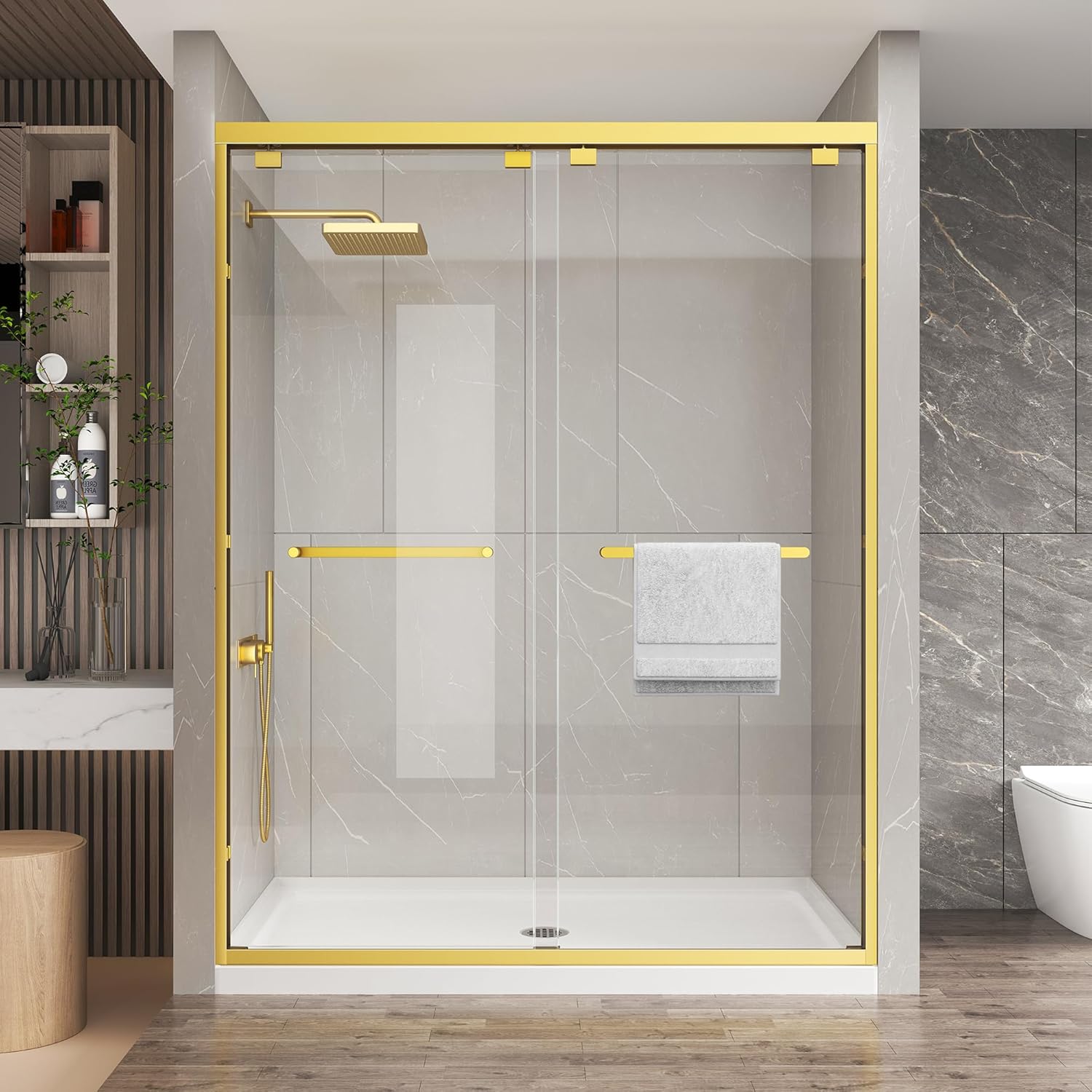
If you are planning a bathroom remodel, the labor cost to install a shower door usually falls in the range of $300 to $1,000, with many standard jobs landing around $450 to $700. Frameless glass, custom openings, tile issues, and out-of-plumb walls can push that higher. The finished opening matters more than the old door size, especially in older homes.
The Short Answer
The average labor cost to install a shower door is usually $300 to $1,000 for a typical U.S. bathroom, depending on the door type, opening size, wall condition, and whether the installer is replacing an old unit or starting from scratch. Simple replacements cost less. Frameless glass, custom cuts, and wall repairs can raise labor because the fit has to be more precise.
What Affects Installation Labor
Shower door labor is not just about hanging glass. A good installer is checking the opening, confirming the wall is straight enough, finding framing for anchors, and making sure the door will close without leaking or binding. The more the job depends on field adjustment, the more labor usually costs.
In many homes, the old door or curtain hid problems that only show up during replacement. Older homes often have walls that are not perfectly plumb, and a shower opening may measure differently at the top, middle, and bottom. That matters a lot for frameless panels and pivot doors. Even a small taper in the opening can change the fit.
Labor tends to rise when the installer has to work around:
- Out-of-plumb walls that need shims or special glass sizing
- Uneven tile or a finished wall surface that changes the true opening
- Tile drilling that requires care to avoid cracking
- Weak backing where wall anchors will not hold properly
- Tight clearances near toilets, vanities, or towel bars
- Custom hardware or thicker glass that takes more time to align
For homeowners comparing enclosure types, the labor difference often comes down to how forgiving the design is. A sliding unit can be more forgiving where swing clearance is tight. A pivot or frameless door usually needs a more accurate finished opening. If you are still deciding on the enclosure style, the KPUY Shower Doors collection is a useful place to compare general door types before you get into exact measurements.
Image planning note: installation cost and fit are tied to the opening, not just the door label.
| Job Type | Typical Labor Range | What Usually Affects the Price |
|---|---|---|
| Basic replacement of standard framed door | $300-$500 | Simple dimensions, limited adjustment, existing wall conditions are sound |
| Standard sliding or bypass door | $400-$700 | Track alignment, wall plumb, and door smoothness |
| Frameless door or panel set | $600-$1,000+ | Precise measurements, thicker glass, more hardware layout work |
| New opening or repair-heavy remodel | $800-$1,500+ | Tile repair, wall reinforcement, custom fitting, sealing challenges |
Measurements That Change the Price
Most labor surprises come from measurement problems. A contractor may quote one number based on the opening, then find that the wall surface, tile thickness, or floor slope changes the real installation work.
Start with the finished opening, not the old product label. The opening after tile, backer board, or wall panels is what matters. If you are still in the remodeling stage, measure after the surfaces are in place whenever possible.
Measure three points, not one
For a shower door, measure the width at the top, middle, and bottom. Also check the height on both sides if the enclosure reaches wall to wall. If the numbers vary, the opening may need a custom solution or extra adjustment time.
- Measure the finished width at the top, middle, and bottom.
- Measure the finished height on both sides if needed.
- Check if the walls lean in or out.
- Verify the curb or threshold is level enough for the door track or sweep.
- Confirm whether the floor slopes correctly toward the drain.
- Locate wall studs or proper backing for anchors.
Tile thickness can change the final opening width more than many homeowners expect. A door that looked like a clean fit before tile can become too tight once the wall finish is added. That is one reason labor quotes can rise late in the project.
Threshold, curb, and slope matter too
If the shower has a curb, the installer needs a stable, properly sloped base so water stays inside the enclosure. A door set on an uneven threshold may need extra shimming or careful seal work. For shower floor planning, the base itself matters as much as the door. If your remodel includes the pan or shower floor, the Shower Bases collection can help you think through drain location, curb height, and finished dimensions before installation day.
Image planning note: a finished shower opening can differ at the top, middle, and bottom, especially in older homes.

Replacing an Existing Door vs New Installation
Replacing a door is usually cheaper than starting from scratch, but only if the old framing, tile, and opening are still usable. A straight swap can be a straightforward half-day or one-day job. A full new installation often takes longer because the installer has to account for wall finish, seal lines, and anchoring.
Here is the practical difference:
- Replacement job: existing opening is close to standard, walls are already finished, and the old hardware footprint is usable.
- New install: opening may need adjustment, backing may need to be added, and the installer has to work around fresh tile or a new shower base.
- Remodel condition: demolition can reveal uneven studs, soft drywall, or a drain location that does not match the new pan.
For a sliding layout, labor is often driven by track alignment and wall-to-wall fit. For a pivot layout, swing clearance is the issue. For frameless glass, the installer has less room to hide mistakes, so the labor cost reflects precision more than time alone. If you are leaning toward a minimal-hardware look, the Frameless Shower Doors collection is the most relevant place to review that style in context.
One jobsite detail that comes up often: a base may fit the footprint, but the drain still has to land in the right place. If the drain is off by a few inches, the labor time can increase because the installer has to work around the base and the surrounding tile pattern.
Typical Labor Cost Breakdown
Labor pricing depends on how much the installer has to do beyond basic hanging and sealing. In simple terms, the cleaner the opening, the lower the labor. The more the installer has to compensate for field conditions, the higher the labor.
Here is a realistic way to think about the labor components:
| Task | Why It Takes Time | Cost Impact |
|---|---|---|
| Layout and measurement | Confirms true finished opening, wall plumb, and hardware clearance | Low to moderate |
| Anchor placement | Finding studs or proper backing, drilling tile carefully | Moderate |
| Door or panel hanging | Leveling, shimming, and aligning moving parts | Moderate |
| Sealing and water control | Silicone bead placement, curing time, splash containment checks | Low to moderate |
| Corrections for wall or floor issues | Out-of-plumb conditions, uneven curb, tile corrections, custom fit work | High |
Labor can also rise if there are accessories or nearby fixtures that affect the install. A towel bar, shower niche, or vanity edge can interfere with door swing. That is where field experience matters. A door can fit on paper and still hit a casing, shelf, or fixture once the installer starts opening and closing it.
Useful rule of thumb: if the opening is standard, the walls are true, and the base is set correctly, labor should stay near the lower end of the range. If the project is a remodel with wall repairs, custom glass, or a tricky threshold, budget more.
For homeowners who need a fixed-panel or partial-open layout, a shower glass panel can sometimes reduce hardware complexity compared with a full swing door. That does not always reduce labor, but it can simplify the layout where access and splash control are both important.

Pre-Installation Planning Checklist
Before you order a shower door, the best labor-saving step is to verify the room conditions. That avoids paying for extra visits, returns, or on-site adjustments that could have been prevented with better planning.
Use this checklist:
- Confirm the finished opening width at the top, middle, and bottom.
- Check wall plumb and floor level.
- Measure the curb or threshold height.
- Verify the drain location if the shower base is changing.
- Locate studs or backing for hardware anchors.
- Check nearby fixture clearance, including toilet, vanity, and towel bars.
- Decide whether the door should swing in or out, or whether a sliding layout is better.
- Confirm tile thickness and any wall surface build-up.
- Review local code or project requirements if you are changing the shower structure.
For planning that involves door movement and access, choose the enclosure type based on the room, not just the style you like. A swing door needs room in front of the shower. A sliding door needs a track and enough wall span. A fixed panel needs proper splash control and a slope that sends water back to the drain.
For more general shower layout planning, the KPUY Shower Doors collection can help you narrow the door style before you talk to an installer or take final measurements.
Bathroom remodeling groups and code organizations like NKBA and ICC are useful references for broader planning and code awareness, especially if your project touches clearances, access, or structural changes.
Frequently Asked Questions
Is shower door labor more expensive for frameless glass?
Usually yes. Frameless installs require tighter measurements, careful hardware placement, and more attention to wall plumb. The glass and hardware may also be heavier, which increases handling time. If the opening is not square or the walls are out of plane, labor can rise quickly.
Can I save money by measuring and ordering the door myself?
You can reduce delays if you measure correctly, but the risk is fit error. A shower opening that looks standard can vary at the top, middle, and bottom. If you are not confident in finished measurements, it is safer to have the opening verified before ordering.
Why did my installer charge more after demolition?
Demolition often reveals what was hidden: bad backing, crooked framing, soft drywall, or a drain that does not align with the new shower base. Extra labor usually comes from correcting those conditions before the door can be installed and sealed properly.
What to Do Before You Order
The average labor cost to install a shower door is manageable when the opening is true, the walls are ready, and the shower base or threshold is set correctly. The price climbs when the installer has to solve layout problems on site. That is why finished measurements, wall condition, and door type matter more than a simple one-size-fits-all estimate.
If your remodel is still in the planning stage, decide on the door style first, then confirm the opening and related shower components before you book labor. For door layouts, measurements, and hardware planning, start with the KPUY Shower Doors collection and compare it against your actual finished opening, not the rough opening or old enclosure size.
For homeowners working through a full shower update, that order of operations usually saves time, reduces surprises, and makes the installation quote easier to understand.

Leave a comment
All comments are moderated before being published.
This site is protected by hCaptcha and the hCaptcha Privacy Policy and Terms of Service apply.