
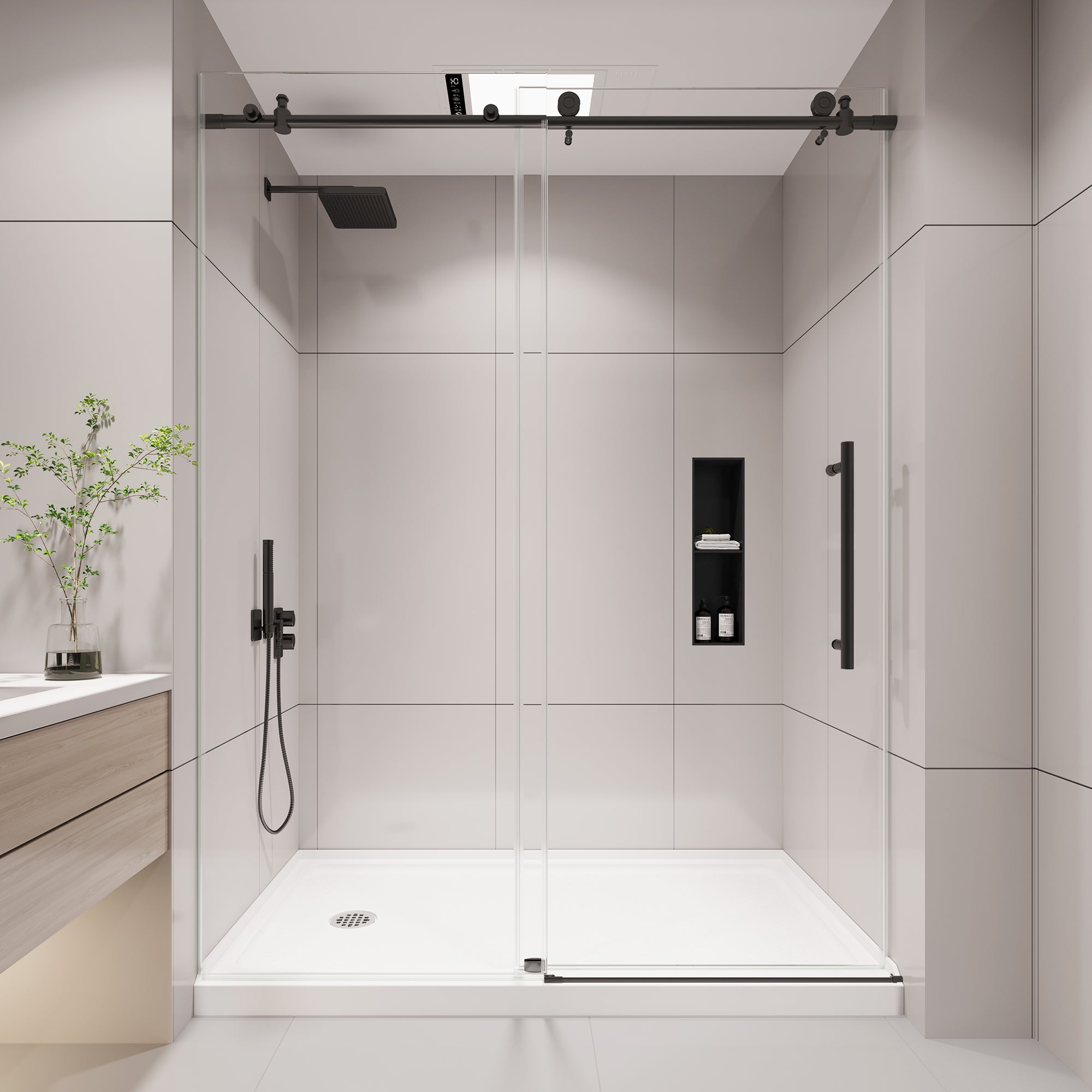
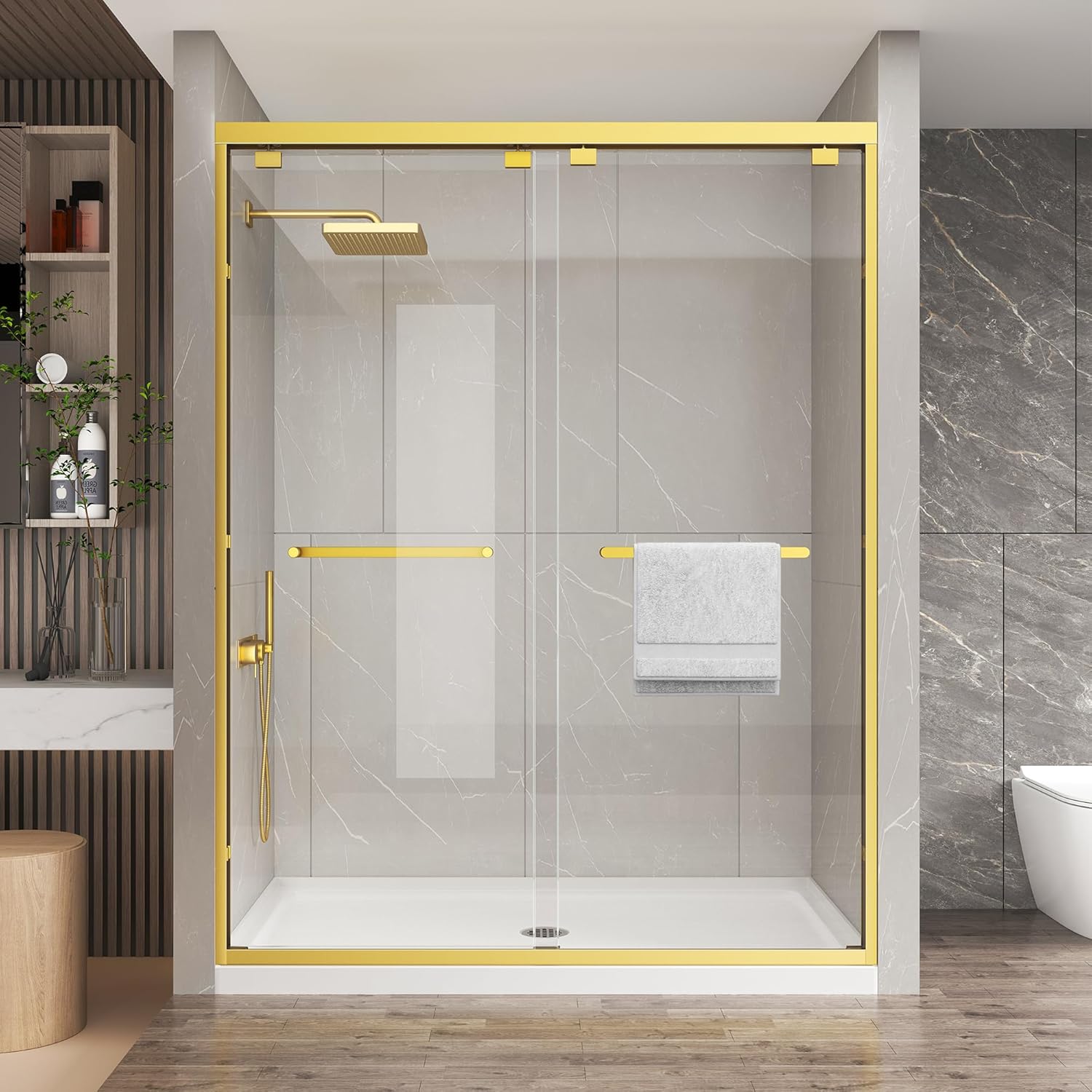
Frameless glass doors look clean, open up a bathroom, and fit the 2026 trend toward lighter, less cluttered shower designs. The tradeoff is that they demand better measuring, better wall prep, and more attention to sealing than many homeowners expect. If the opening is out of square, the walls are not plumb, or the curb is not right, the door can be harder to fit, more expensive to install, and more prone to water escape.
The Short Answer
The main disadvantages of frameless glass doors are higher cost, tighter measurement tolerances, and more installation sensitivity. They also provide less forgiveness for out-of-plumb walls, uneven tile, and poor curb slope. In many remodels, the door looks best only after the shower opening is measured carefully at several points and the surround is fully finished. Water control depends heavily on layout and sealing.
Main Disadvantages of Frameless Glass Doors
Frameless doors are popular for a reason: they make a bathroom feel more open and less boxed in. The downside is that the clean look depends on precise construction. In a remodel, that can create real problems if the opening was measured too early or the finished surfaces changed after demo.
Older homes often have walls that are not perfectly plumb. A shower opening may measure differently at the top, middle, and bottom by enough to affect glass fit. That is where frameless systems can become less forgiving than framed ones.
1. Higher upfront cost
Frameless glass generally costs more because of the glass thickness, custom sizing, and hardware required to support it. The price also rises when the opening is irregular, when special cutouts are needed, or when additional reinforcement is required behind the wall.
The cost difference is not only about the door itself. It can also include more time for templating, more careful installation, and added trim or sealing work. For a homeowner trying to keep a bathroom remodel on budget, that matters.
2. Less tolerance for imperfect walls and floors
Frameless doors need a more accurate finished opening than framed systems. If the tile build-out changes the opening width, the hinge side is not solid enough, or the curb slopes the wrong way, the door may not align correctly.
Field note: a base that fits the footprint still needs the drain to land in the right place, and the curb still needs the right slope for water control. If either one is off, a frameless door can expose the problem fast.
3. Water containment depends on the whole shower design
Because frameless doors have minimal metal framing, they rely more on the base slope, wall alignment, door sweep, and silicone sealing to manage splash. They can work very well, but they are not forgiving when the shower layout is poor.
If the opening is too wide, if the showerhead is aimed at the entry, or if the curb is short, water may escape more easily than it would with a more enclosed setup. This is especially important in small bathrooms where the floor outside the shower is close to the door.
4. More visible maintenance and fingerprinting
Clear glass shows soap film, mineral spotting, and fingerprints more readily than heavier framed enclosures or textured alternatives. Homeowners who like a bright, open shower should also expect a regular cleaning routine.
This is not a dealbreaker, but it is part of the ownership cost. If you have hard water, a frameless door will usually show buildup sooner, especially around hinges, handles, and lower edges where water collects.
5. Hardware and clearance can limit layout choices
Glass thickness, hinge placement, and handle projection all affect how the door swings and how much clearance it needs. In a tight bathroom, a swinging panel may hit a toilet, vanity edge, towel bar, or nearby wall if the layout is not checked in advance.
That is why frameless systems are often less forgiving in small spaces than a sliding layout or a fixed panel. If you need a cleaner opening but less swing room, it is worth comparing shower door styles early in the project.

Measurement and Installation Issues
Most of the problems with frameless glass doors show up before the door ever arrives. The opening must be measured after the walls are finished and after the tile thickness is known. If the rough opening is measured too early, the final fit can be off by enough to cause delays.
For remodels, do not rely on the old shower door size. Use the finished opening, which includes tile, backer board, and any waterproofing build-up that changes the wall surface. Measure the opening at the top, middle, and bottom, and note the smallest dimension.
Key installation challenges
- Out-of-plumb walls: even a slight lean can affect hinge alignment and glass fit.
- Uneven floors or curb slope: a bad slope can push water toward the outside edge.
- Stud location and wall anchors: hinges need solid support behind finished tile.
- Tile thickness changes: backer board and tile can narrow the finished opening.
- Hardware clearance: handles and hinges need room to operate without striking nearby fixtures.
Some installers can work around minor irregularities, but there is a limit. If the walls are far out of square, the glass may need custom adjustment or the design may need to change. This is one reason frameless projects are often better planned after demolition, not before it.
For homeowners comparing shower layouts, KPUY’s Frameless Shower Doors collection is useful for understanding common opening types and how clean-glass enclosures fit modern shower designs.
Step-by-step planning checklist
- Finish the shower walls and curb before final glass measurement.
- Measure the opening at the top, middle, and bottom.
- Check plumb on both side walls and level across the threshold.
- Confirm where the showerhead sprays and where splash might escape.
- Verify hinge wall support and stud backing before tile is closed up.
- Check swing clearance, especially near toilets, vanities, and towel bars.
- Plan sealing details for corners, jambs, and the curb edge.
Why small measurement errors matter more here
Frameless systems typically have less framing to hide a mistake. A framed door may absorb more variation through the frame. Frameless glass usually cannot. If the left wall is slightly narrower than the right, the difference may affect the reveal, the seal, or the way the door closes.
That does not make frameless doors a bad choice. It means they reward accurate planning and punish guesswork. In a remodel, that distinction is important.
| Disadvantage | Why It Matters | What to Check |
|---|---|---|
| Higher cost | More custom work and hardware usually increase the budget | Glass size, hinge style, labor, and any special cuts |
| Tight tolerances | Small errors in plumb or square can affect fit | Finished opening at top, middle, and bottom |
| Water control sensitivity | Layout and sealing matter more than with heavier framing | Curb slope, showerhead direction, and seal locations |
| Cleaning visibility | Soap film and spots are easier to see on clear glass | Water quality, wiping routine, and glass treatment options |
| Clearance limits | Swinging panels need space to open safely | Nearby toilet, vanity, door casing, and towel placement |

How Frameless Compares in Real Remodels
Frameless glass doors work best when the remodel has enough room for careful layout planning and precise installation. They are less suited to situations where the opening changes late in the project, the walls are visibly off, or the homeowner wants the most forgiving possible fit.
In a small bath, a sliding or fixed-panel layout may solve space issues better than a swinging frameless door. In a larger bath, frameless glass can look excellent if the curb, tile lines, and wall support are all handled correctly.
Situations where frameless can be a tougher fit
- Very narrow bathrooms with limited swing clearance
- Older homes with walls that lean or bow
- Shower openings that change after tile is installed
- Curbs with poor slope or uneven height
- Openings that need more splash control than a minimal enclosure can provide
If you are deciding between layouts, the key question is not just appearance. It is how the door will behave with the actual conditions in the room. A frameless system can be a strong choice, but only if the shower base, walls, and opening are ready for it.
That is also why shower base planning matters. A door cannot fix a base that is pitched poorly or a curb that was built too low. For remodels focused on thresholds, drain position, and water containment, it helps to review the base first, then the enclosure.
What to Do Before You Order
Start with the finished opening, not the old product label. Then decide whether the room can support a swing door without causing a clearance issue. In some bathrooms, the glass door choice is secondary to the room layout, drain location, and curb design.
If the project includes a new shower pan, confirm the rough-in dimensions and drain alignment early. A drain that looks centered may not match the new shower base once tile and framing changes are accounted for. That is a common remodel surprise after demolition.
For homeowners planning a shower enclosure with a cleaner look, KPUY’s Frameless Shower Doors collection can be a helpful reference point while you work through dimensions and layout constraints.
Before ordering, confirm these items:
- Finished width at the top, middle, and bottom of the opening.
- Finished height from curb to header or ceiling reference point.
- Wall plumb and floor level.
- Hinge-side backing and stud placement.
- Door swing path and nearby fixture clearance.
- Water spray direction and likely splash points.
- Tile thickness and any curb build-up that changes the opening.
It also helps to think ahead about the rest of the bathroom. If the remodel includes cabinets, lighting, or a smart toilet, check clearances before finalizing the shower layout. A vanity drawer may clear the room but still hit the door casing. A light fixture may be fine on paper but end up fighting mirror placement or shower glass lines.
For planning standards and safety context, it is worth reviewing resources from the NKBA and the CPSC, especially if the bathroom serves children, older adults, or anyone who needs safer movement and better clearance.
Frequently Asked Questions
Are frameless glass doors harder to install than framed doors?
Usually, yes. Frameless doors need more accurate measurements, stronger backing at the hinge side, and better wall alignment. They give you less forgiveness if the opening is out of square. That is why finished measurements matter so much in a remodel.
Do frameless shower doors leak more?
They can if the shower layout is poor or the sealing is weak. The door itself is not the only factor. Curb slope, showerhead direction, opening width, and silicone sealing all affect water control. A well-planned frameless installation can perform well, but it depends on the whole system.
What is the biggest mistake homeowners make with frameless glass?
Measuring too early. The opening should be checked after the tile, curb, and finished wall surfaces are complete. Another common mistake is ignoring swing clearance. A door can fit the opening and still be wrong for the room if it hits a vanity, toilet, or towel bar.
Final Takeaway
The disadvantages of frameless glass doors are real: higher cost, tighter tolerances, more visible maintenance, and less forgiveness during installation. They are most successful in bathrooms where the opening is measured correctly, the walls are plumb enough, and the shower base supports good water containment.
If you are still deciding on the right shower layout, compare the opening, curb, and swing space before you choose the glass. For homeowners focusing on a clean, minimal enclosure, the Frameless Shower Doors collection is a practical place to review the format while planning the remodel.

Leave a comment
All comments are moderated before being published.
This site is protected by hCaptcha and the hCaptcha Privacy Policy and Terms of Service apply.