
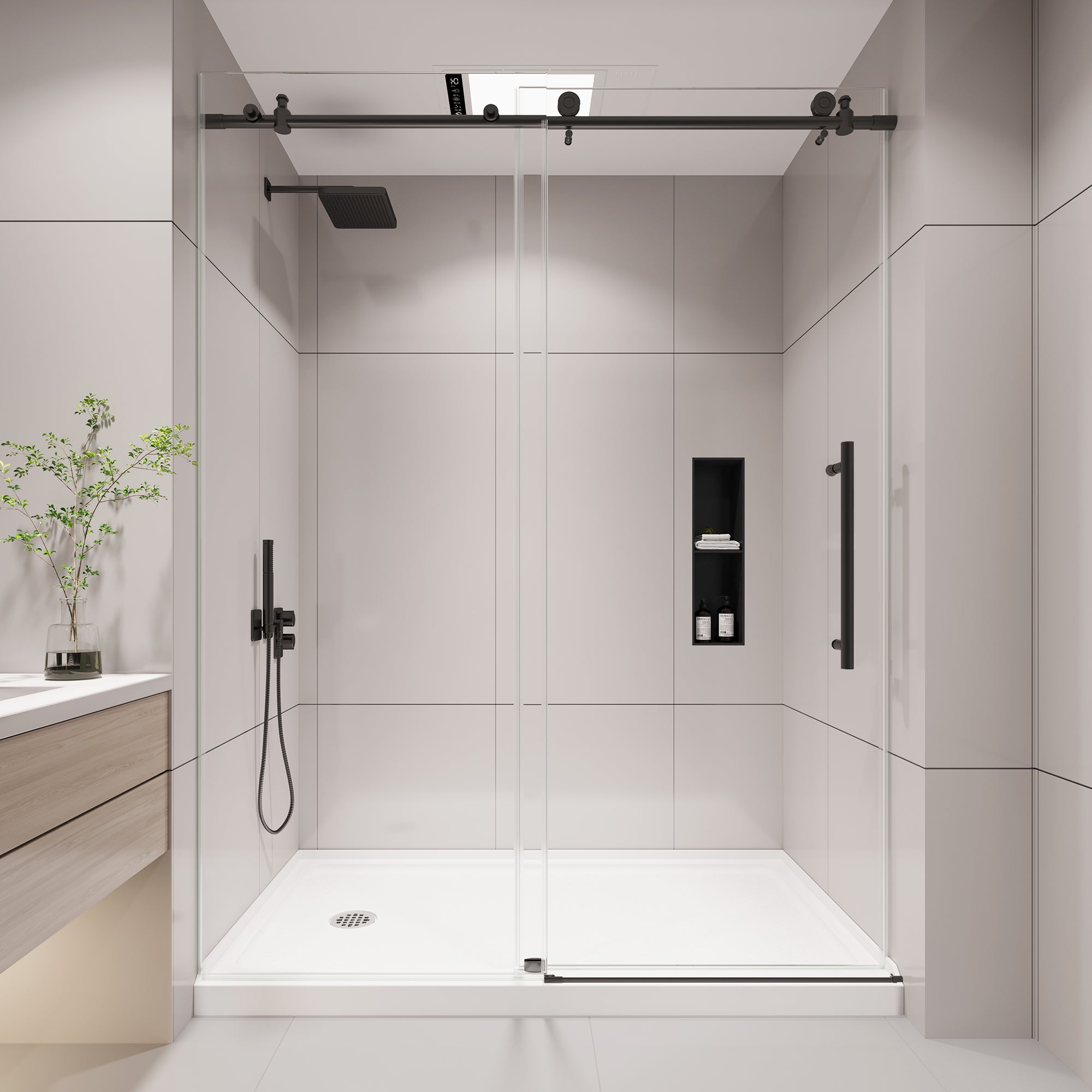
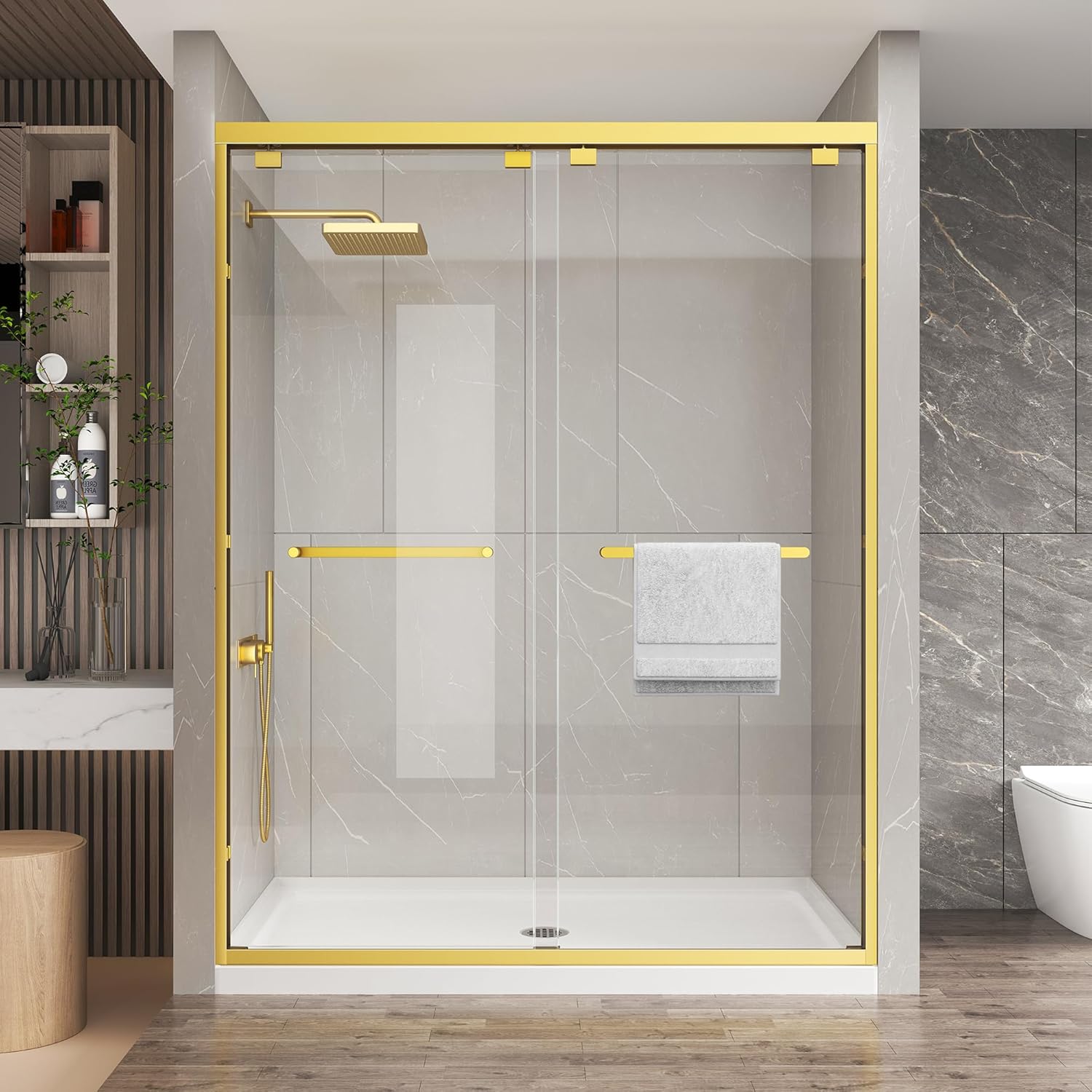
Installing a new shower base can be straightforward—until you hit the surprises that push the price well past the estimate. As a bathroom remodeler with 20+ years on U.S. job sites, I’ve priced hundreds of shower base installs and walked homeowners through the decisions that drive cost. This article lays out the real factors that increase shower base installation cost, what to expect from permits and code, and how to avoid common budget-busting mistakes.
Quick Answer
Short answer: The biggest things that increase shower base installation cost are site-specific repairs (rot, out-of-plumb walls), plumbing rough-in changes, custom or thick shower pans, and labor complexity. Expect to pay more when you need substrate repairs, custom drain locations, or higher-end materials like airjet-ready or tile-ready pans.
Primary Cost Drivers
When I give estimates, I break costs into clear buckets so homeowners can see where dollars go. The most common cost drivers are:
- Substrate repair — damaged joists, rotten subfloor, or failed mud beds.
- Plumbing changes — moving the drain, changing rough-in depths, or replacing corrosion-prone cast-iron waste lines.
- Material choice — acrylic vs. cast stone vs. tile-ready shower pan; thicker materials cost more and require different framing.
- Labor complexity — access, demolition, and site prep time.
- Permits and inspections — local jurisdiction fees and required corrections per code.
Site Conditions & Labor
Labor is the single largest line item on most estimates. Labor cost rises when the job is more difficult or takes longer than planned.
Access and demolition
If we can’t park a truck close, or if the bathroom is in a second-floor laundry area, expect added time. Removing an old tiled pan often uncovers several layers of material—thinset, mortar, and sometimes decades-old concrete patches. Each layer adds work. I’ll often say: the easier the demo, the closer the final cost will be to the initial estimate.
Out-of-plumb walls and framing
Older homes commonly have out-of-plumb walls or uneven framing that requires shimming, sistering joists, or building a new curb. Correcting wall plumb and making a solid substrate for tile or a prefab base adds both materials and labor.
Real jobsite note: on a 1920s Craftsman I re-did, the studs were tapered and out of square by nearly 3/4". We had to sister studs and shim the base—two extra days of labor that weren’t in the initial quote. That’s typical when remodels uncover decades of settlement and non-standard framing.
Materials & Upgrades
Material selection alters cost dramatically. Here’s what to expect:
- Acrylic or fiberglass pans — cost-effective, light, quicker to install, but often come with thinner sections and lower weight-bearing capacity.
- Cultured marble / cast stone — heavier, more durable, higher price and sometimes need additional floor reinforcing.
- Tile-ready pans and mortar beds — higher labor cost due to mortar application and longer cure times, but offer design flexibility.
- Custom or ADA-compliant pans — made-to-order sizes, curbless entries, or low-threshold pans increase lead time and cost.
If you’re shopping for bases, a good resource is the manufacturer product pages. For prefab options see KPUY Shower Bases for examples of sizes and styles that affect price.
Drain style and location
A center drain in an existing stub is cheapest. Moving the drain to a linear drain or to the wall involves cutting the subfloor, possibly replacing sections of joists, and reworking the waste line. That can add several hundred to a few thousand dollars depending on access and whether pipes are cast-iron or ABS.
Hidden Issues Found on Older Houses
Old houses hide things. Expect contingencies for:
- Rotten or soft subfloor under the existing pan.
- Compromised joists that need sistering or new blocking.
- Old lead or cast-iron waste lines that require replacement to meet current code.
- Unseen mold remediation when demo exposes wet insulation or behind-wall mold.
On a 1970s remodel, replacing a 2" cast-iron drain with a modern PVC line required cutting a finished ceiling below and re-running the waste—two extra trades that increased the bill. Those are real costs, not padding.
When you work with a seasoned contractor, we’ll include a small contingency for hidden conditions. If nothing shows up, that contingency is returned or credited.

Code, Permits & Standards
Permits increase cost in two ways: fees and required corrections. Cities enforce plumbing codes (IPC/UPC) and structural requirements. For guidance on kitchen and bath standards, the National Kitchen & Bath Association provides good design and installation resources: NKBA.
Specific references that influence shower installs include:
- IPC/UPC requirements for trap, drain slope, and venting.
- ANSI Z97.1 for tempered glass safety if the project includes new doors or glass panels.
- Local jurisdiction mandates on inspections and licensed plumber involvement.
Note: installing a glass shower door may require tempered glass meeting minimum thickness and manufacturer tolerances—typical tempered glass thickness for frameless doors is 3/8" or 1/2". That affects the price if doors are part of the project.
Cost Comparison Table
| Item | Typical Range (U.S.) | Notes |
|---|---|---|
| Basic acrylic prefab base install | $500 - $1,200 | Minimal demo, existing rough-in used |
| Tile-ready mortar bed | $800 - $2,500 | Labor-intensive; longer cure time |
| Cast stone / custom base | $1,200 - $4,000+ | Heavier, may need subfloor reinforcement |
| Drain relocation | $300 - $2,000 | Depends on access and pipe material |
| Substrate repair / joist work | $200 - $2,000+ | Large variance if structural repairs required |
| Permits & inspections | $50 - $500 | City-dependent |
Typical Installation Steps (and cost point)
Understanding the usual sequence helps homeowners see where time and money go. Below is a simplified workflow with the typical reasons each step can add cost.
- Demolition and removal — hidden material disposal fees, hazardous material handling adds cost.
- Structural inspection and repairs — sistering joists, replacing subfloor.
- Plumbing rough-in or drain relocation — requires licensed plumber for most jurisdictions.
- Install pan or mortar bed — material choice dictates labor method and cure time.
- Waterproofing and membrane application — essential for warranty and long-term performance.
- Finish work and trim — sealing, adjustments for doors, threshold work.
- Inspection and final sign-off — inspector-requested corrections add time and cost.
At each step, tolerances matter: curb slope, drain pitch (1/4" per foot standard in many codes), and level thresholds. Tight tolerances increase labor because they require skilled trade work and rework if not right the first time.

FAQs
How much does moving a shower drain typically add to the price?
Moving a drain can add anywhere from a few hundred dollars to well over $1,500. If the original drain is accessible under the floor and the waste line is ABS or PVC, the price is lower. If you must penetrate a finished ceiling below, replace cast-iron, or re-route venting, costs jump. A direct onsite assessment is the only reliable number.
Can I install a prefab base over an existing subfloor?
Yes, but only if the subfloor is solid, level, and meets installation tolerances for the manufacturer. Most manufacturers require a level, rigid substrate. If the floor flexes or the subfloor is damp/soft, you'll pay to repair or replace it. Always follow manufacturer instructions to preserve warranties.
What are the most common surprises that increase cost?
Out-of-plumb walls, rotted subfloor, old or non-code plumbing, and incorrect previous installations are the usual suspects. I’ve seen tile pans installed over unusable framing and owners told by previous contractors that “it’s fine.” It’s not fine — and correcting it costs time and money.
Wrap Up
To keep costs under control: get a detailed written estimate, insist on a visible contingency line for unknowns, and choose materials aligned with your budget and timeline. If you suspect your bath has hidden issues, budget conservatively and hire a contractor who documents site conditions and writes them into the contract.
If you’re comparing pans, look at product specs for load-bearing capacity, warranty, and installation tolerances before you choose. Browse options and sizes at KPUY Shower Bases to see how material and size choices affect cost and installation needs.
For code and professional guidance, see resources from the National Kitchen & Bath Association and the International Code Council: NKBA and ICC.

Leave a comment
All comments are moderated before being published.
This site is protected by hCaptcha and the hCaptcha Privacy Policy and Terms of Service apply.