
Most homeowners expect tile, a new vanity and a fresh coat of paint when they budget a bathroom remodel. What they often don’t expect are the hidden, technical costs that come from a 70-year-old subfloor, plumbing set in the wrong place, or a shower wall that’s four inches out of plumb. In 2026 the trend is clear: bigger showers, frameless glass, and smarter fixtures — and those choices magnify surprises. I’ve run remodel crews for 20+ years across single-family homes and older bungalows; below I’ll lay out the items that routinely cost more than clients expect and exactly why they add up.
Short Answer (Quick Snippet)
Concise answer: The three things that most often push a bathroom remodel over budget are unexpected structural/subfloor repairs, plumbing reroutes (rough-in changes), and custom glass or tile work required because walls or floors aren’t true. Budget an extra 20–40% on top of fixture and finish estimates for these issues, and always include a contingency.
Major Hidden Costs — What Really Adds Up
1. Subfloor and Structural Repairs
Older homes hide a lot under the tile. When you demo a bathroom we frequently find rotten joists, water-damaged plywood, or simply a floor level that’s off more than 3/8". Those require sistering joists, replacing sections of subfloor with proper marine-grade or exterior-grade plywood, and re-leveling. Material plus labor for subfloor repairs is commonly a few hundred to several thousand dollars depending on extent.
2. Plumbing Rough-in Changes and Relocations
Moving a toilet, tub, or shower drain can be deceptively expensive. The cost rises when the existing drain or water lines don’t meet standard UPC/IPC rough-in dimensions, or when you must reroute pipes through floor joists or a concrete slab. Slab work or chasing concrete is one of the quickest ways a $10k remodeling budget becomes $15k. Always verify rough-in dimensions against the fixture you plan to install.
3. Electrical Upgrades & Ventilation
Many bathrooms need lighting upgrades, GFCI-protected circuits, or a dedicated circuit for a heated floor or smart toilet bidet. Newer ventilation fans with humidity sensors are more power-hungry and sometimes require run to the attic and a roof vent. If the existing wiring is knob-and-tube or not up to code, expect rewiring costs and permit fees.
4. Tile Labor and Waterproofing
Tile is labor-intensive. Proper waterproofing — not just a paint-on membrane but correct coving, sloped mortar beds, and pan liners — takes time and skill. Fix the slope of a shower curb or pan, and labor is the majority of the cost. Cheap installation leads to callbacks and leaks; professional waterproofing and slope work is an investment.

5. Frameless Glass, Custom Shower Doors, and Tempered Glass
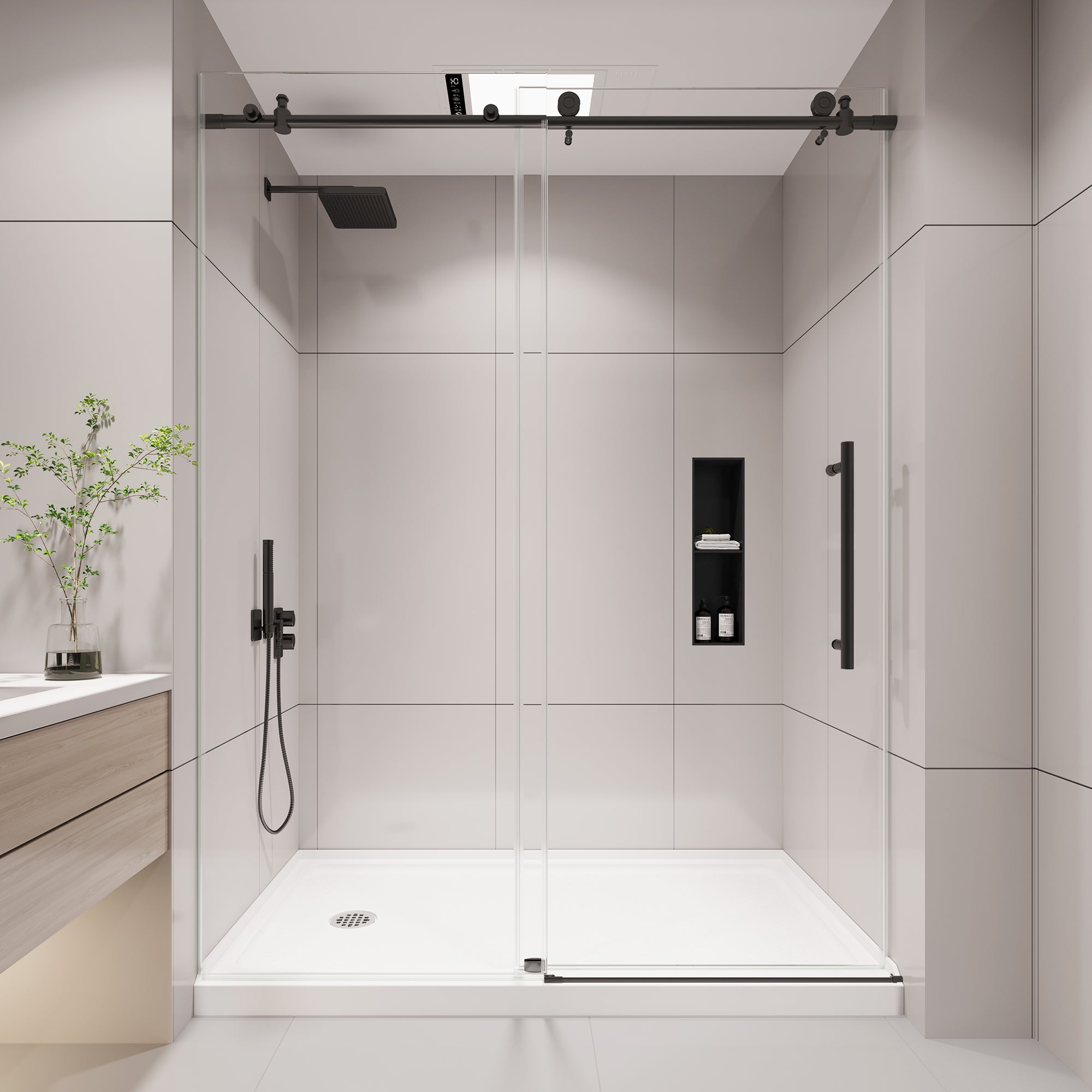
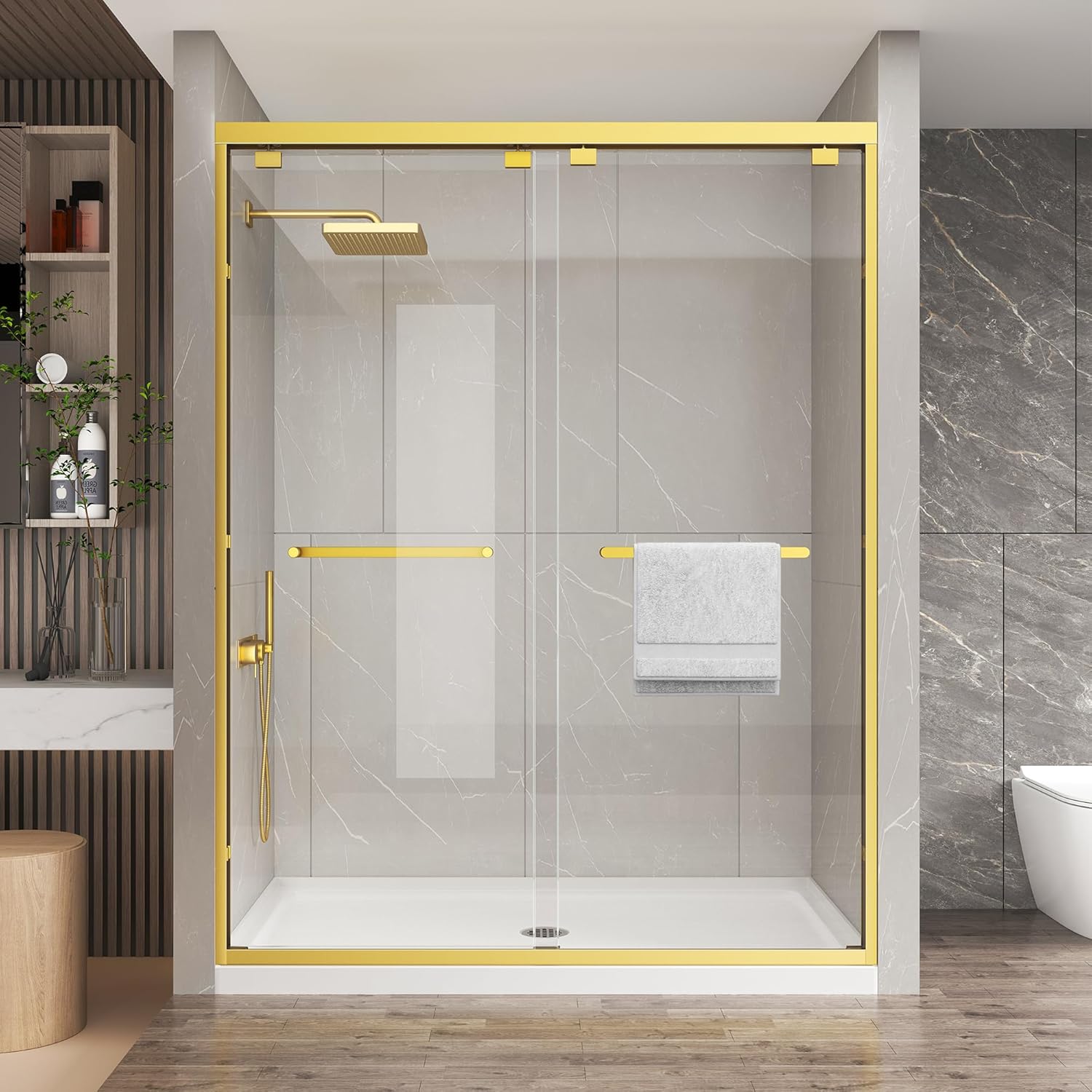
Frameless glass looks clean but is precision work. Walls that are even slightly out of plumb force custom glass sizes or shims, and glass shops charge for extra field templating and thicker tempered glass when spans are large. Also, ANSI Z97.1 safety standards and local code may require specific glass thickness and hardware. If you’re planning a frameless enclosure, factor in field measurements, glass fabrication lead times, and possible glass re-cuts. For frameless and semi-frameless options, consider KPUY Shower Doors for comparison, but budget for field-fit premiums and travel time for templating.
6. Demolition, Disposal, & Hazard Abatement
Removal costs scale with mess and materials. Tile over concrete is heavy; hauling it out, paying landfill fees, and disposal of lead paint or asbestos-containing mastic (in homes built pre-1978) increase costs. If hazardous material testing is required, that’s a separate expense.
7. Permits, Inspections, and Code Corrections
Permit fees vary by jurisdiction, but the real cost is when inspectors require corrections — for example updating a non-compliant ventilation path or moving a drain to meet current code. Always include permit costs and time for potential re-inspections.
8. Fixtures, Shipping, and Lead Times
High-end fixtures have longer lead times and higher shipping/handling costs. A wall-hung toilet or a linear drain for a large walk-in shower often adds freight and special handling. If your design calls for specific finishes (matte black, brushed brass), expect extended lead times and higher return costs for wrong finishes.
9. Accessibility and ADA-Style Changes
Converting a standard bathroom to an accessible layout (zero-threshold showers, reinforced walls for grab bars, widened doorways) adds framing, drywall, and often plumbing moves. These are not cosmetic upgrades — they’re structural and usually more costly.
Real Jobsite Experience: What I See on the Ground
On old houses I’m often called in after homeowners have already bought tile and fixtures. We demo and discover the walls are out of plumb 1–2 inches, or the existing shower curb has a reverse slope. That means tile cutbacks, custom glass, or re-framing. I once had a master bath job where every wall around the shower was out of plumb by 1.25" — the glass shop quoted a 30% premium for on-site templating and thicker glass. On another house we found the waste line for the tub sat three inches higher than the new shower drain required, forcing a chase into the floor and replacement of three joists.
Key field observations:
- Out-of-plumb walls cause custom trim, glass, and extra labor — measure twice on existing conditions.
- Rough-in dimensions are rarely ideal; always verify against the new fixture specs and IPC/UPC requirements.
- Curb slope and pan slope mistakes are expensive to fix after tile is down.
- Glass tolerances: frameless doors often require ±1/8" tolerance; anything larger means custom solutions.

Cost Comparison Table: What Owners Estimate vs. What Happens
| Item | Homeowner Typical Estimate | Realistic Cost Range | Why It Grows |
|---|---|---|---|
| Subfloor repair | $300–$800 | $800–$4,000+ | Hidden rot, joist repair, leveling |
| Plumbing relocation | $200–$600 | $600–$5,000 | Slab work, chase cuts, rerouting |
| Tile & waterproofing | $800–$1,800 | $1,800–$6,000 | Proper slope, membranes, labor |
| Frameless glass door | $700–$1,200 | $1,200–$3,500 | Field templating, thicker glass, hardware |
| Permits/inspections | $50–$200 | $150–$1,000 | Local fees, re-inspections, corrections |
How to Avoid and Minimize Surprise Costs
Use a practical approach — plan for contingencies and insist on thorough pre-demo inspections.
- Hire a contractor who performs a full demo inspection before you sign a final price. A good contractor opens the subfloor and takes measurements for rough-ins and framing before finalizing cost.
- Buy fixtures after demo or allow for flexibility. If the toilet or vanity arrives early and the rough-in changes, you’ll pay restocking fees.
- Include a contingency fund of 20–30%. That covers surprises without derailing the project.
- Request field measurements for any custom glass/enclosure. The templating fee is cheaper than a re-cut.
- Check local codes and pull permits. Skipping permits may save money short-term but can cost double later in corrections or when you sell.
Contractor checklist for homeowners:
- Ask for a written scope that lists allowances and unknowns.
- Insist on a line-item budget for demo, plumbing, electrical, and structural work.
- Verify lead times for critical items (glass, cabinets, custom fixtures).
- Get a plan for disposal and hazardous material handling if the home is older than 1978.
For homeowners planning a frameless enclosure, bring the contractor in early for a joint visit to the glass vendor; that reduces surprises and helps choose appropriate tempered glass thickness to meet ANSI Z97.1 and local safety rules. Also review manufacturer clearances and hardware tolerances before buying tile or building a curb — mismatch is costly.
Authoritative guidance on best practices and standards can be found at the National Kitchen & Bath Association: NKBA, and for code requirements consult the International Code Council resources: ICC Codes.
Frequently Asked Questions
How much contingency should I set aside for a bathroom remodel?
Set aside at least 20% of your hard costs for older homes and at least 10–15% for newer homes. If the house is pre-1978 or has known water damage, increase contingency to 30%+.
Do older homes always require moving plumbing during a remodel?
No. If you keep the same fixture locations and match rough-in dimensions, you can avoid major plumbing costs. But real-world conditions like sagging floors, crawl space access, or slab constraints often force changes. Always verify rough-ins against your selected fixtures.
Are frameless glass showers always more expensive?
Generally yes. Frameless systems need precise walls and often thicker tempered glass for spans and safety (per ANSI Z97.1). If walls are out of plumb or you want minimal hardware, expect higher fabrication and installation fees. Consider a semi-frameless option for cost savings or order through a reputable glass vendor after field templating; see KPUY Shower Doors for styles and options.
Final notes: A realistic budget comes from inspecting what’s hidden and planning for code, safety, and craft. The cheapest bid rarely protects you from expensive surprises. If you want help prioritizing investments — like deciding between a heated floor or sealed mortar pan, or whether to pay for field templating for glass — talk to a contractor who will open the work area early and itemize unknowns. That transparency is the difference between a remodel that finishes on budget and one that keeps you writing checks.

Leave a comment
All comments are moderated before being published.
This site is protected by hCaptcha and the hCaptcha Privacy Policy and Terms of Service apply.