
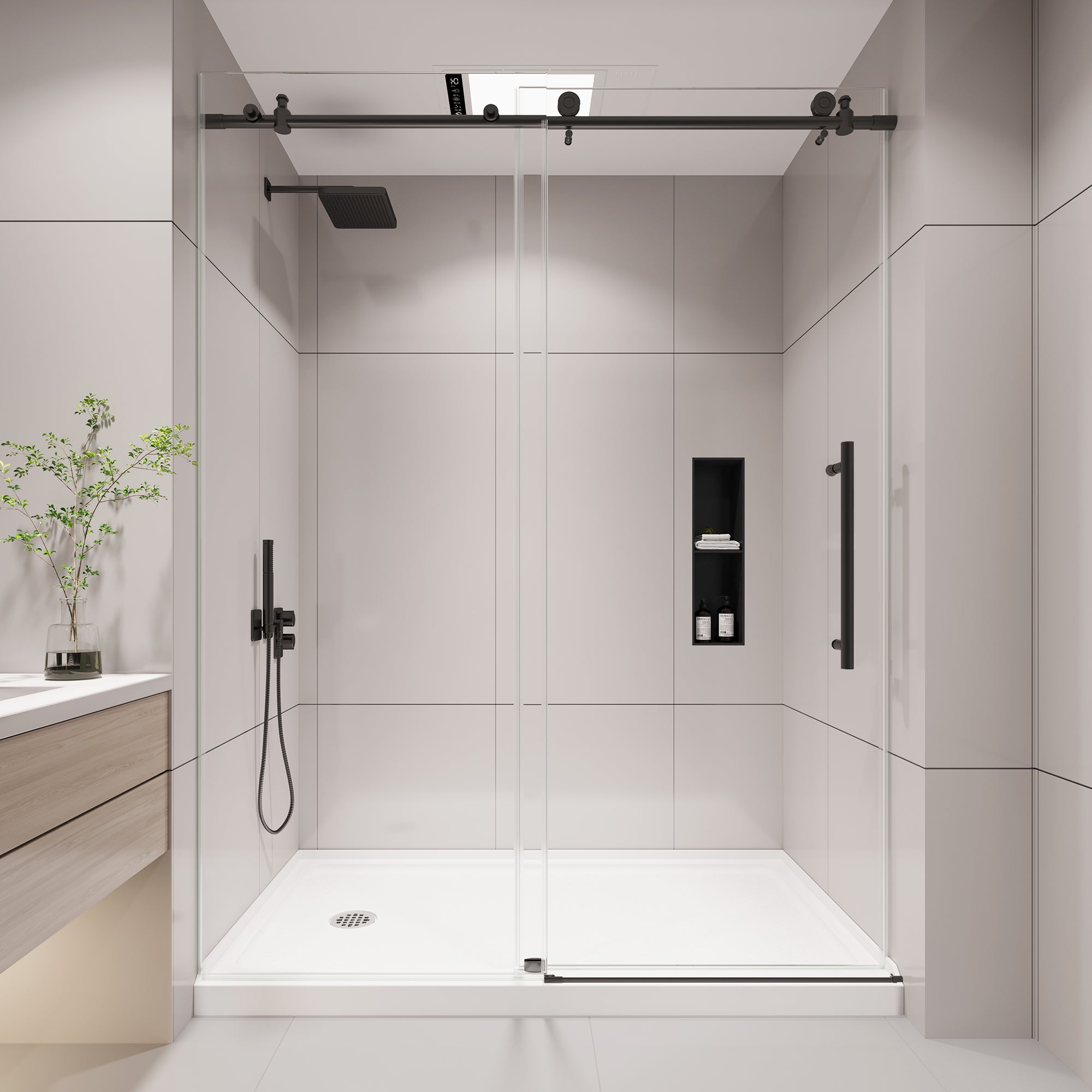
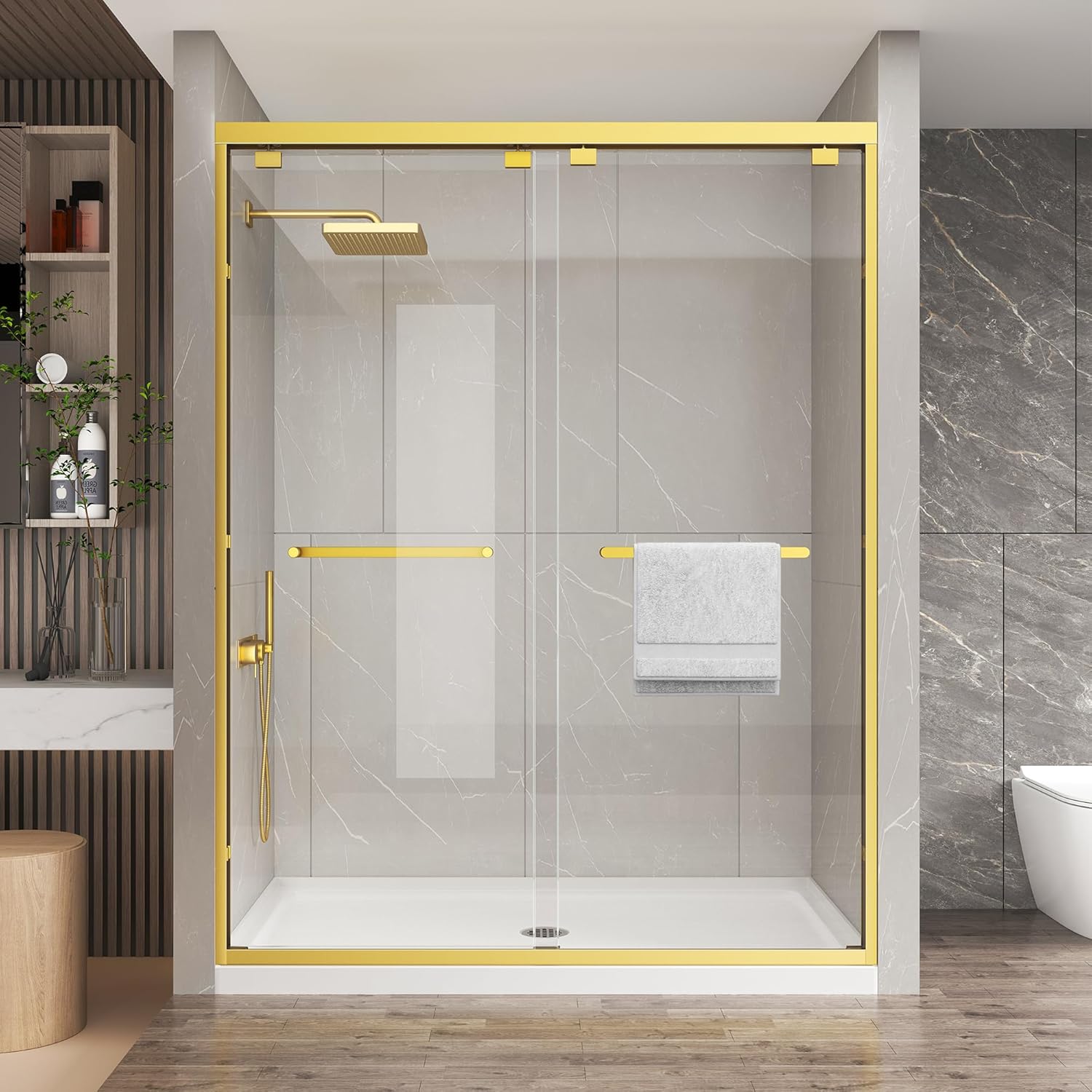
Most homeowners know a glass shower or bath screen looks great right after installation — but maintenance reality hits fast: soap scum, hard water spots, and mildew can turn a clean-up into a weekly chore. As a bathroom remodeling contractor with more than 20 years on job sites across the U.S., I see the same mistakes: wrong glass thickness, no protective coatings, tight tolerances ignored on out-of-plumb walls, and bad hardware choices that hide grime but make cleaning impossible. 2026 trends favor minimal frameless profiles and wet-room panels that show every water mark unless you plan for cleaning at the spec stage.
Quick answer
If you want easier cleaning, pick tempered glass at the right thickness with a durable hydrophobic coating, design for accessible gaps and removable hardware, and specify finish types that don’t trap soap and mineral deposits. Also plan installation tolerances to accommodate out-of-plumb walls and allow a 1/8"–1/4" perimeter gap for sealant and cleaning access. That combination cuts daily wipe time and reduces the need for abrasive cleaners.
What features matter for easier cleaning
There are multiple attributes that directly affect cleaning time. Some are product choices; others are installation and layout decisions contractors often overlook. Below are the ones that make the biggest difference in real-world use:
- Glass coatings: Hydrophobic or nano coatings resist water spotting and soap scum.
- Glass thickness and tempering: A stable panel is easier to wipe and less likely to flex or trap water at edges.
- Edge details: Polished edges shed water better than seamed or raw cuts.
- Hardware finish: Matte or electroplated finishes hide water marks less but stand up to cleaning; polished chrome shows every spot unless wiped daily.
- Seal and gap strategy: Properly sized gaps and banding avoid trapped water that breeds mildew.
- Access for cleaning: Removable doors, minimal clamps, and open bottom thresholds make thorough cleaning possible.
Glass, thickness and standards
Tempered safety glass is non-negotiable. In a residential bathroom, we commonly use:
- 3/8" (10 mm) tempered glass — a standard for many frameless showers; sturdy and resists vibration during door use.
- 1/4" (6 mm) tempered glass — used on smaller panels or budget frameless screens but more prone to flex and edge contact.
- 1/2" (12 mm) when you want a heavy, seamless look on large panels — the least flexible and easiest to wipe clean without movement.
Always confirm the glass meets applicable safety standards — for example, panels should conform to safety glazing requirements like ANSI Z97.1 or local building codes. For best results, specify glass that has manufacturer-applied coatings that are factory cured — these last longer than aftermarket sprays.
Practical note from the field: on a remodel in a 1920s house I measured 5/8" out-of-plumb over a 7-foot run at the shower wall. If we had ordered exact-width glass without a planned tolerance, the panel would have jammed or required field trimming. We specified 3/8" glass with a 1/4" edge clearance and adjustability in the clamps — that allowed us to square the panel, maintain a cleanable gap, and avoid silicone-filled blind corners where mildew collects.
Coatings, seals and finishes that save time
There are three main coating categories you should know:
- Hydrophobic (water-repellent) — best daily performance; beads water and makes wiping quick.
- Oleophobic (soap-resistant) — resists body oils and soap scum; useful if you have heavy soap use or hard water.
- Standard protective sealant — clear layers that prevent etching; cheaper but wear faster.
Coating thickness and cure method matter. Factory-applied, baked-on coatings last longer than after-market sprays. Look for warranties or expected service life on the data sheet. Hardware finishes should be specified as corrosion-resistant (stainless steel or marine-grade finishes) when near salt-air or aggressive water chemistry.
Hardware, gaps and cleaning access
Hardware choices affect cleaning more than homeowners expect. Minimal hardware reduces crevices but can remove the ability to adjust panels when walls are out-of-plumb. Here’s what I prescribe:
- Use clamp systems with accessible screws so you can remove a panel for deep cleaning.
- Avoid continuous bottom rails that trap soap and require toothbrush scrubbing.
- Specify adjustable hinges that allow you to dial in a 1/8"–1/4" operational gap for sealant and wiping access.
Design details: a curb slope of around 1/4" over the width (for tiled curbs) helps water run to the drain rather than pool at the glass base. On zero-threshold wet rooms, use a subtle slope in the substrate and a linear drain to avoid puddling against screens.
Real jobsite realities
Here’s the part I emphasize on every estimate: the product is only as good as the installation. Expect common field issues like:
- Walls not plumb by 1/4" to 1" — order glass with edge tolerances and use shims or adjustable hardware.
- Rough-in drains that force a different curb location than the layout — move the panel or change hinge direction rather than force a tight seal that will trap water.
- Tile or substrate variations that create gaps at the bottom — add a removable drip strip rather than a permanent glued-on molding.
From experience, leave at least 1/8" clearance around the glass where it meets tile and 1/16"–1/8" at the door sweep. That clearance is not just for fit — it allows you to get in there with a rag or soft brush. I tell homeowners: tight doesn't equal clean. A perfectly tight fit with no access will hide mold until it’s a big remediation job.
Maintenance plan that actually works
Pick products with easy maintenance in mind and then follow a realistic maintenance schedule. Here’s a simple plan that reduces deep-clean frequency:
- Daily: Quick squeegee after each shower — 20–30 seconds per shower if the glass has a hydrophobic coating.
- Weekly: Wipe hardware and tracks with a microfiber cloth and a mild, non-abrasive cleaner.
- Monthly: Inspect seals and reapply bead of silicone where necessary; check for mineral buildup at edges.
- Annual: Professional inspection for glass bonding, hinge torque, and full reapply of coating if the manufacturer recommends it.
Use non-abrasive cleaners and avoid harsh acids on coated glass. If you have very hard water, a whole-house water softener or a point-of-use softener for the shower will save years of cleaning time.
Quick comparison table
| Feature | Best for easy cleaning | Why it matters |
|---|---|---|
| Glass coating | Hydrophobic factory coating | Beads water, reduces soap scum adhesion |
| Glass thickness | 3/8" or 1/2" | Less flexing, easier wiping, better seal fit |
| Hardware | Adjustable stainless clamps & hinges | Allows removal, resists corrosion |
| Edge detail | Polished edges | Sheds water, easier to wipe |
| Installation gap | 1/8"–1/4" perimeter | Access for cleaning and sealant; compensates for out-of-plumb |
For product options that match these specs — frameless and semi-frameless wet-room panels with durable coatings — check a curated collection like Bathroom Screens that lists thickness, coating type, and hardware finish for each model.
FAQ
How do I choose between a hydrophobic coating and a glass protector I apply myself?
Factory-applied hydrophobic coatings are generally more durable because they’re cured under controlled conditions. DIY sprays can help but typically last months rather than years. If easy cleaning is your priority, invest in factory coating and budget for a refresh every 3–5 years depending on use and water quality.
What glass thickness is best if my walls are slightly out of plumb?
For walls that are up to 1/2" out of plumb over the height of the panel, 3/8" tempered glass with adjustable clamps or hinges is the best compromise. It offers sufficient stiffness while allowing installers to square the panel without risking breakage. When out-of-plumb conditions exceed that, plan for custom-fit glass or additional shimming.
How often should I reseal edges and why?
Inspect seals annually. Reseal every 3–5 years or sooner if you see gaps, discoloration, or soft silicone. Proper sealing prevents moisture intrusion behind tiles and into framing — the cleanest looking screens are the ones that stop water where it belongs.
Final notes
Pick the right combination of glass thickness, factory-applied hydrophobic coatings, adjustable hardware, and a realistic installation tolerance to make daily cleaning quick and prevent long-term problems. I recommend owners discuss these specifics with their contractor before ordering glass — verifying tempered ratings, edge clearances, and hinge adjustability will save time and money on service calls.
If you’re shopping for screens that meet these practical specs, browse a focused selection like Bathroom Screens to compare materials, coatings, and hardware choices. For nationally recognized best practices on kitchen and bath design, refer to the NKBA guidelines for wet-room planning NKBA and consult applicable local code guidance from the International Code Council ICC.

Leave a comment
All comments are moderated before being published.
This site is protected by hCaptcha and the hCaptcha Privacy Policy and Terms of Service apply.