
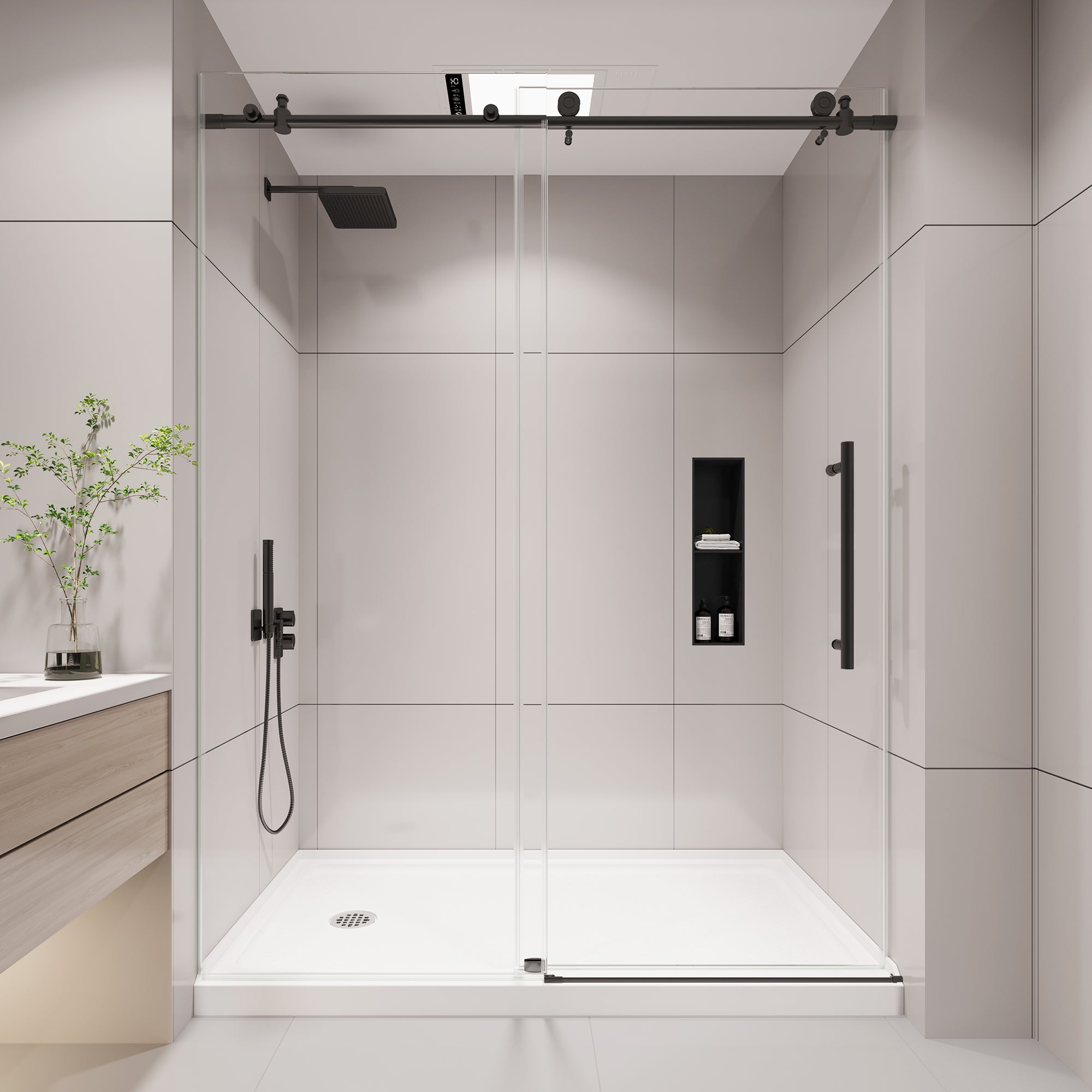
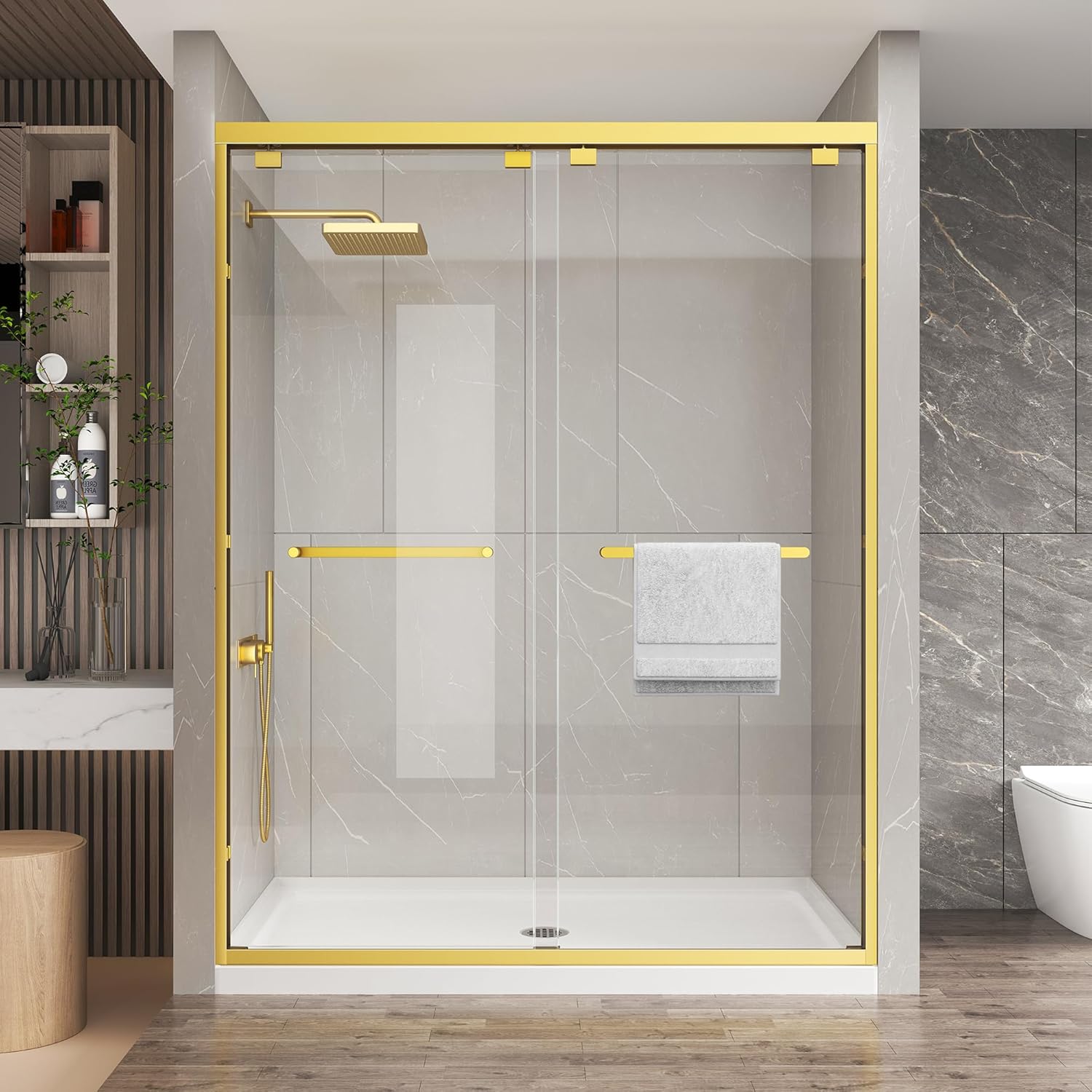
Square shower base buying mistakes usually show up after the tile is in and the door is hanging: the drain misses the rough-in, the curb lands where the door needs to move, or the footprint fits on paper but fails in the room. The safest rule of thumb is to start with the finished opening, drain location, and door clearance before you order anything. A square base can work well in a compact bathroom, but only if the base, drain, and enclosure all line up with the actual remodel conditions.
The Short Answer
The biggest mistake with a square shower base is treating the footprint as the only measurement. You also need the drain rough-in, the finished wall thickness, and the door’s swing or track clearance. If the base fits but the drain or door does not, the project still fails. Measure the finished opening at the top, middle, and bottom, confirm drain position, and check how the curb and door will share the same space.
Common Buying Mistakes
Most square base problems come from planning around the old shower instead of the finished remodel. Older homes are especially prone to walls that are a little out of plumb, floors that are not level, and drains that look centered until the old pan comes out. A base can be the right nominal size and still create extra labor if the drain lands too far off, the curb is too tall for the chosen door, or the opening narrows after tile.
| Mistake | What it causes | Better approach |
|---|---|---|
| Buying from the old pan size only | Gaps, trim problems, or a base that does not suit the finished opening | Measure the finished shower area, not just the demolition footprint |
| Ignoring drain rough-in | The base fits the room but the drain misses the plumbing connection | Verify the drain centerline before ordering |
| Not checking door clearance | Door hits the vanity, toilet, or casing | Map the door swing or track path in the room first |
| Forgetting tile thickness | The finished opening ends up narrower than expected | Measure after wall buildup is known, including tile and backer thickness |
That last point is where many remodels go sideways. A shower opening that looked generous during demolition can shrink once backer board, waterproofing, tile, and trim are installed. The base may still fit, but the enclosure can feel cramped or fail to clear a nearby cabinet door.

What to Measure Before You Order
Start with the measurements that affect the finished install, not just the existing opening. For a square shower base, the key checks are width, depth, drain position, threshold height, and the amount of room the door will need after the walls are finished. If the project includes new tile, assume the finished width will be tighter than the rough opening.
- Finished opening width: measure top, middle, and bottom because walls are often not perfectly parallel.
- Finished opening height: check both sides if the walls are not level.
- Drain centerline: confirm where the plumbing lands relative to the chosen base.
- Threshold and curb height: make sure the door style can seal without fighting the slope.
- Nearby fixtures: note the toilet, vanity, drawer fronts, and door casing.
- Wall support: locate studs or blocking for any door hardware or panel support.
For wall and layout planning, it helps to think in layers. Rough opening is the framed space. Finished opening is what remains after board and tile. The base must fit the footprint, but the door must fit the finished opening. That distinction matters more in a square shower because small dimensional errors are easier to notice in a compact footprint.
If you are still comparing shower floor options, KPUY Square Shower Bases are the relevant starting point for compact layouts where the footprint has to work hard in a smaller room.
Door Fit and Clearance Checks
Door fit is where a lot of square shower base projects get misread. A pivot door needs swing room. A sliding door needs track alignment and wall straightness. A fixed panel needs enough opening width to keep water inside without crowding the entry. The wrong choice usually shows up as a door that bumps the vanity, a track that is out of plane, or a panel that leaves too much splash outside the shower.
Older homes often reveal out-of-plumb walls once the old finish comes off. That can affect how a sliding door tracks, how a pivot door seals, and how much adjustable margin you actually have. A door can look fine on paper and still bind, rattle, or leave an uneven gap if the wall is leaning even a little.

Use the table below to match the base and door approach to the room instead of forcing the room to fit the product.
| Layout factor | What to check | Why it matters |
|---|---|---|
| Pivot or hinged door | Swing path, towel bars, toilet, vanity, and casing | A clear opening on paper may still fail in the room |
| Sliding door | Track length, wall straightness, and bypass space | Track alignment is less forgiving on out-of-plumb walls |
| Fixed panel | Splash zone and entry width | Too little panel coverage can send water to the floor |
| Base curb and threshold | Seal line, slope, and door sweep contact | A curb that does not shed water correctly can leak at the entry |
For homeowners comparing enclosure styles while planning a compact room, KPUY Shower Doors is a useful reference point because the door style has to work with the base, not just sit on top of it.
- Watch the vanity drawer path. A drawer may clear the shower footprint but still hit the door casing when opened fully.
- Check toilet spacing. A pivot door can steal usable space even when the shower itself fits.
- Confirm the wall finish thickness. Tile and board can move the finished opening enough to change the door choice.
- Plan for hardware clearance. Heavy glass and thicker hardware need wall support and enough room to mount cleanly.
Drain Location and Base Layout
Drain location is one of the most expensive mistakes to get wrong because it can affect both the base selection and the plumbing work. A square base may look centered, but the drain rough-in can still land too far off the intended drain opening. That creates extra fitting work, and sometimes it rules out the base you wanted altogether.
The practical question is not just “Does the drain exist?” It is “Does the drain land where this exact base expects it?” If the answer is no, the project can shift from a simple replacement to plumbing changes, subfloor repair, or a different base selection.
Pay attention to these conditions:
- Centered versus offset drain: the visible layout may not match the plumbing centerline below the floor.
- Subfloor condition: damaged or uneven subflooring can change how the base sits and how the drain lines up.
- Curb slope: water should move back into the shower, not toward the bathroom floor.
- Threshold height: a lower threshold can be easier to step over, but it still needs enough water control for the door style.
- Tile and setting bed thickness: finished floor height affects the base’s relationship to the door and adjacent flooring.
In remodel work, the hidden issue is often discovered after teardown: a drain that seemed centered under the old pan may be several inches off from the new base requirement. That is why the drain rough-in should be confirmed before the shower base is ordered, not after demolition is complete.
Pre-Order Checklist
Before you commit to a square shower base, run through the room like a contractor would, even if you are hiring the labor. This prevents the common “fit in the shop, fail in the bathroom” problem.
- Measure the finished opening at the top, middle, and bottom, then compare the numbers for taper.
- Measure the shower height on both sides if the floor or walls are uneven.
- Confirm the drain rough-in location against the base layout you plan to use.
- Check whether the curb height allows the selected door to seal without binding.
- Map the door swing or track path against the toilet, vanity, and casing.
- Verify wall support for hinges, brackets, or track hardware.
- Account for tile thickness and any floor buildup that changes the finished opening.
- Look for signs of subfloor damage, sagging, or prior patch work near the drain.
- Decide whether the entry needs a pivot door, sliding door, or fixed panel based on the room, not habit.
If the bathroom is especially tight, a square base can still work well, but only if you are honest about clearance. A shower that measures correctly and still blocks the room is the wrong size choice for the house, even if the nominal dimensions look standard.
Frequently Asked Questions
Why does a square shower base fit on paper but not during installation?
That usually happens because the drawing ignores finished wall thickness, out-of-plumb walls, or drain rough-in location. The framing space is not the same as the finished opening. Tile, board, and trim reduce the usable width, and a drain that is a little off can force a different base or extra plumbing work.
Should I choose the door before the base or the base before the door?
In most remodels, the base and door should be planned together. The base sets the curb and drain position, while the door sets the clearance and splash control. If the room is tight, the door often becomes the deciding factor because a swing path or track arrangement can conflict with the vanity, toilet, or adjacent wall.
What is the most common mistake with drain location?
The most common mistake is assuming the existing drain can stay where it is. In reality, the new square base may expect a different centerline or offset. If you skip that check, the plumbing can require adjustment after demolition, which increases cost and delays the rest of the shower install.
Final Takeaway
The smartest way to buy a square shower base is to treat it as part of a full room layout, not a standalone part. Check the finished opening, confirm the drain rough-in, and test door clearance against nearby fixtures before ordering. If you want a compact footprint that still has to work in a real remodel, start with square shower bases that match the room dimensions, then verify the enclosure and plumbing around them before installation day.

Leave a comment
All comments are moderated before being published.
This site is protected by hCaptcha and the hCaptcha Privacy Policy and Terms of Service apply.