
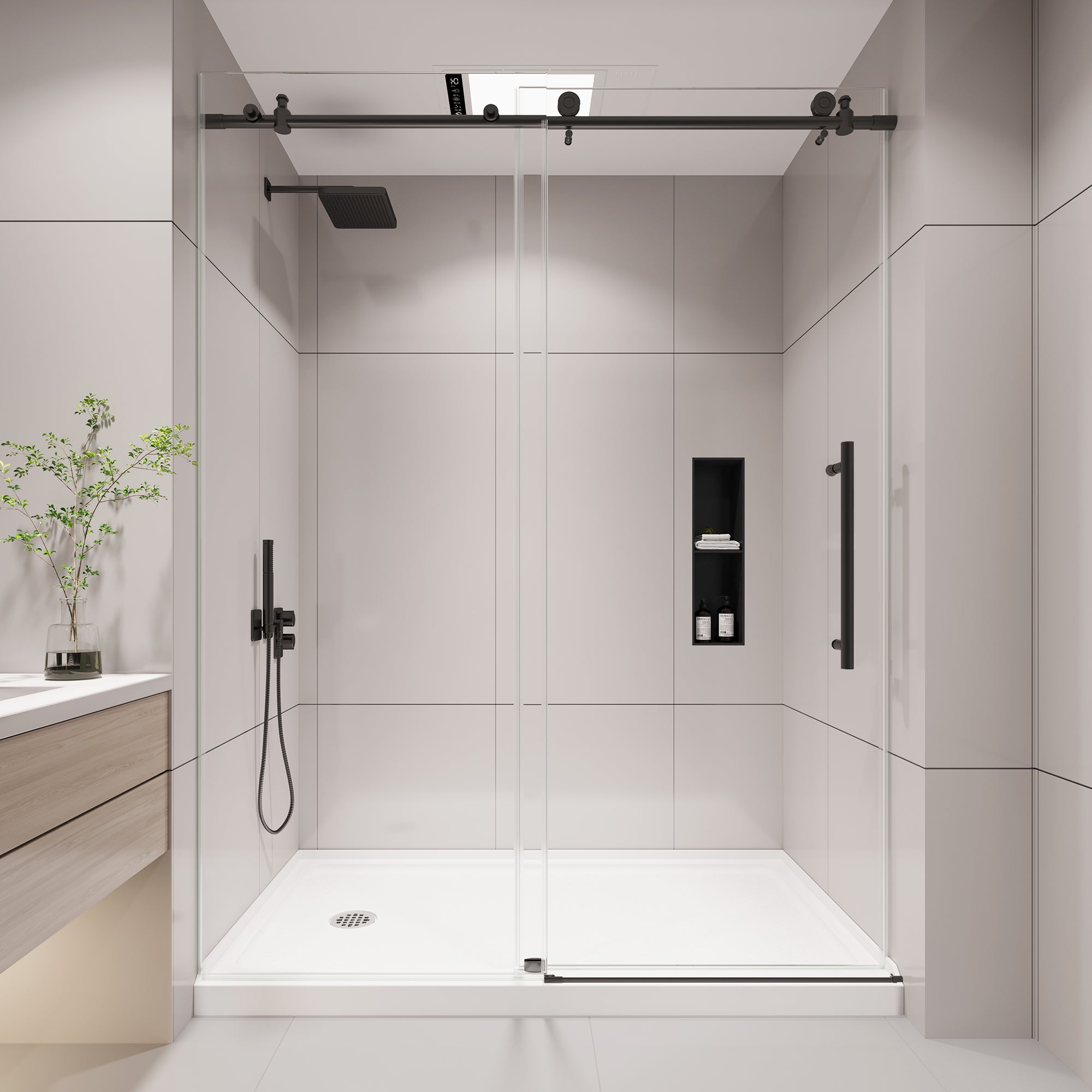
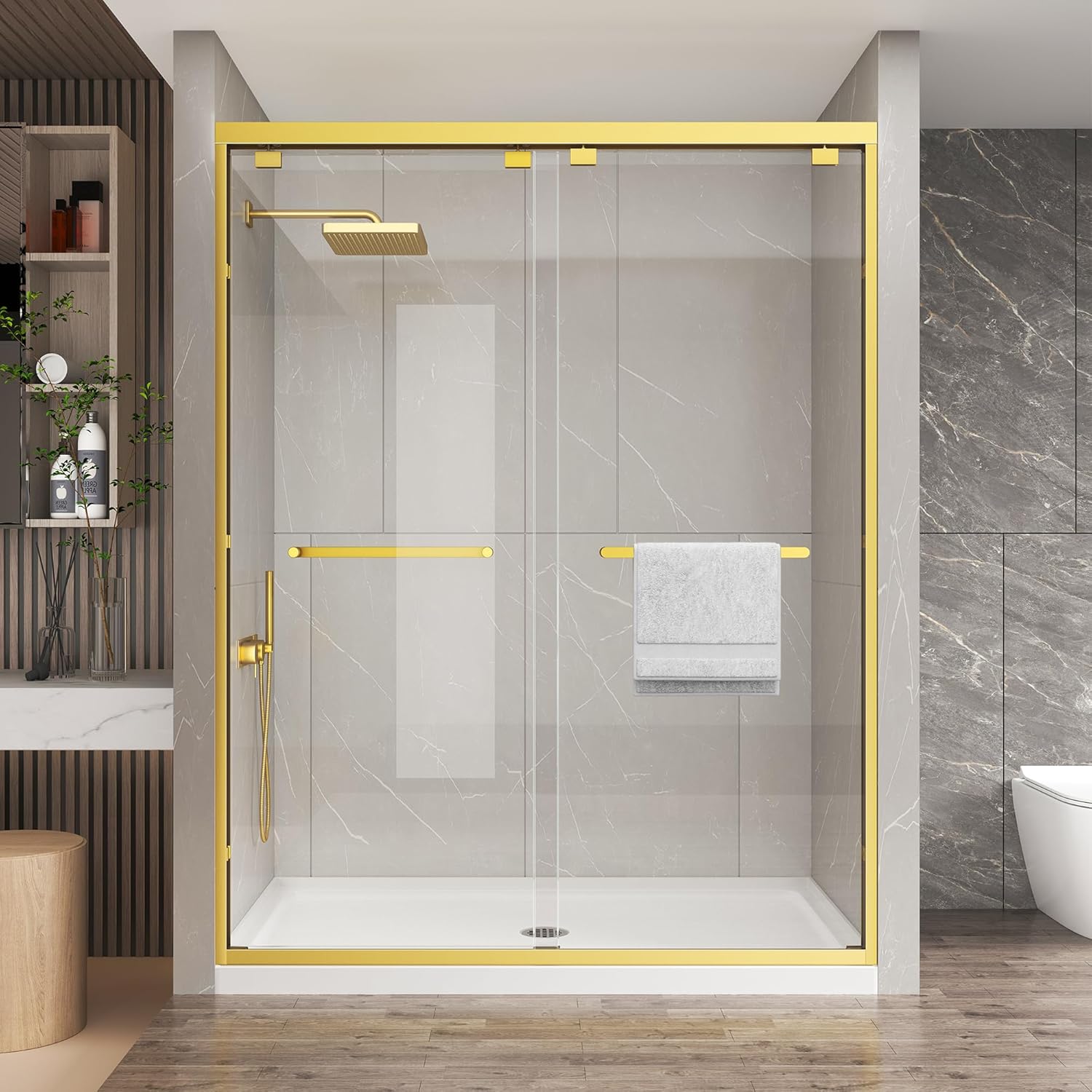
Pivot shower doors cause fit problems most often when the opening was measured before the walls were finished, the walls are out of plumb, or the door swing was never checked against the toilet, vanity, or casing. The usual rule of thumb: measure the finished opening, confirm wall plumb at both sides, and make sure the door can swing without hitting anything before you order hardware or glass.
The Short Answer
Most pivot shower door fit problems come from measuring the wrong opening, ignoring out-of-plumb walls, or choosing a swing path that conflicts with nearby fixtures. Start with the finished opening, check top, middle, and bottom widths, and verify door clearance in the room. If the opening is narrow, uneven, or tight to a vanity or toilet, a pivot layout may need a different size, added wall support, or a different enclosure style such as Pivot Shower Doors.
Common Mistakes That Cause Fit Problems
Pivot doors are sensitive to a few installation details that do not always show up on paper. A door can be the right nominal size and still miss the mark once tile, trim, and wall movement are factored in. Older bathrooms are especially likely to reveal slight wall lean, uneven floors, or a curb that is not as level as it looked before demo.
| Mistake | What It Causes | Better Approach |
|---|---|---|
| Measuring the rough opening instead of the finished opening | Door arrives too wide, too narrow, or out of alignment after tile is installed | Measure tile-to-tile after all finished wall surfaces are in place |
| Ignoring out-of-plumb walls | Uneven gaps, door rub, latch trouble, or visible misalignment | Check plumb at both jambs and note any taper from top to bottom |
| Skipping swing clearance checks | Door hits the toilet, vanity, towel bar, or casing | Map the full swing path before ordering and confirm the door can open freely |
| Forgetting tile thickness and finished thresholds | Final opening changes after the product has already been selected | Measure only after finished surfaces are installed or accurately planned |
| Not checking hardware clearance | Hinges, handles, or sweeps interfere with walls or glass edges | Confirm the hardware profile fits the space and the wall buildout |
These mistakes are avoidable, but they usually cost more once tile is in place and the opening has become a finished, fixed dimension. If the room is already tight, the wrong pivot choice can turn into a trim, glass, or relocation problem instead of a simple door swap.

How to Diagnose the Fit Problem
If a pivot door seems wrong, isolate whether the problem is the opening, the room clearance, or the hardware/layout. That keeps you from replacing a good door just because one dimension was missed. A lot of fit complaints are really measurement or planning problems, not product defects.
- Opening problem: The door frame or glass does not match the actual finished width or height.
- Wall problem: The jambs are not plumb, so the door sits crooked or binds during swing.
- Room-clearance problem: The door opens correctly but hits a toilet, vanity, cabinet, or door casing.
- Threshold problem: The curb or sill slopes the wrong way, so the door sweep cannot seal properly.
- Hardware problem: Hinges, handles, or wall brackets do not leave enough room for the glass and sweep.
One common jobsite reality is that a shower opening can measure differently at the top, middle, and bottom. Another is that a vanity drawer may clear the room on paper but still collide with the door’s full swing path. Those issues are easy to miss until the door is hanging.
When you want a pivot layout that still leaves a clean entry, the strongest starting point is usually the right door collection and the right opening check, not a guess at nominal size. For homeowners comparing pivot options before ordering, the Pivot Shower Doors collection is the most relevant place to start because the fit decision depends on swing clearance, wall support, and finished opening accuracy.
What to Check Before You Order
Use a finished-opening check, not just a tape-on-the-old-door check. If you are replacing a door during a remodel, tile thickness and wall buildout often change the final width enough to matter. That is especially true when the walls were framed one way and finished another way.
- Measure the finished width at the top, middle, and bottom of the opening.
- Measure the finished height on both sides, especially if the floor is uneven.
- Check wall plumb with a level at each jamb and note any lean.
- Measure curb or threshold slope to see whether it directs water back into the shower.
- Map the swing path and confirm the door clears the toilet, vanity, and casing.
- Verify wall support for hinges and anchors, especially on tile over backer board.
- Confirm hardware clearance for handles, sweeps, and any adjacent trim.
- Check the room layout for towel bars, cabinet doors, and lighting switches that may interfere.
For remodels, this is where a qualified installer or remodeler can save time. A pivot door can work very well, but only when the walls and room layout actually support the swing. If the opening is tight or the wall buildout is irregular, a different enclosure type may fit the room more cleanly than forcing a swing door into a bad location.

Installation Details That Matter
Pivot doors are less forgiving than many homeowners expect because the hinge point makes small layout errors more visible. A few degrees of wall lean can change the gap at the latch side. A curb that is not level can shift the sweep contact and create water escape. Even the door glass thickness can affect how the hardware sits against the finished wall.
Before installation, pay attention to these practical details:
- Finished wall thickness: Tile and backer board change the final opening size, so measure after finishes when possible.
- Out-of-plumb conditions: If one jamb leans, the door may need more adjustment than the hardware can reasonably cover.
- Threshold height and slope: The curb should support water control without pushing water toward the floor outside the shower.
- Glass and hardware clearance: The door needs enough room to open fully without scraping tile edges or trim.
- Anchor location: Fasteners need solid support, not just tile surface, especially at hinge points.
- Nearby fixtures: Toilet tanks, vanity tops, and adjacent cabinetry can limit swing more than the doorway itself.
There is also a safety side to this. Shower glass is typically tempered for shower use, and fitting the wrong size can lead to unnecessary stress on the panel or hardware. For broader bathroom planning and safety context, the NKBA is a useful reference point for layout and clearance thinking, especially when a door swing affects the rest of the room.
When the Layout Itself Is the Problem
Sometimes the issue is not the installation. It is the room. A pivot door needs a usable swing arc, and some bathrooms simply do not have it. If the shower opening sits close to a vanity edge, a linen cabinet, or a toilet, the door can fit the opening and still fail in daily use because the room has nowhere to give.
That is where it helps to compare the layout against the actual room, not just the shower opening. If swing clearance is tight, a different door type may be easier to live with. For example, a fixed panel or a sliding style may fit a narrow bath more cleanly than a full swing door. For homeowners still weighing enclosure styles, the broader KPUY Shower Doors collection is a sensible place to compare options after the room measurements are known.
Pivot doors work best when the shower opening is accurately measured, the walls are close to plumb, and the room gives the door room to move. If any one of those is off, the fit problem usually shows up as rubbing, uneven gaps, or a door that feels too tight in use.
Frequently Asked Questions
How do I know if my shower opening is out of plumb?
Use a level on both jambs and check whether the bubble stays centered from top to bottom. If the wall leans in or out, the door may sit unevenly or bind during swing. Small out-of-plumb conditions are common in remodels, especially in older homes, and they matter more with pivot doors than with some other layouts.
Can a pivot shower door fit if the bathroom is small?
It can, but the swing path has to be clear. A pivot door may work well in a small bath if the toilet, vanity, and nearby trim leave enough open space for the door to move. If the room is tight, a sliding or fixed-panel layout may use the space more efficiently without creating a daily clearance problem.
What is the most common mistake during a pivot door replacement?
Measuring before the tile or wall finish is complete is one of the most common errors. The finished opening is what matters, not the rough framing. Another frequent mistake is ignoring the full swing path. A door can match the opening and still fail if it hits a vanity, door casing, or towel bar.
Before You Choose
If a pivot shower door is creating fit problems, start by checking the finished opening, wall plumb, curb slope, and swing clearance before you blame the door itself. Those four checks usually reveal whether the issue is a measurement miss, a room-layout conflict, or a hardware limitation. If you are still comparing pivot layouts for a remodel, review the Pivot Shower Doors options after you have the real finished dimensions in hand.

Leave a comment
All comments are moderated before being published.
This site is protected by hCaptcha and the hCaptcha Privacy Policy and Terms of Service apply.