
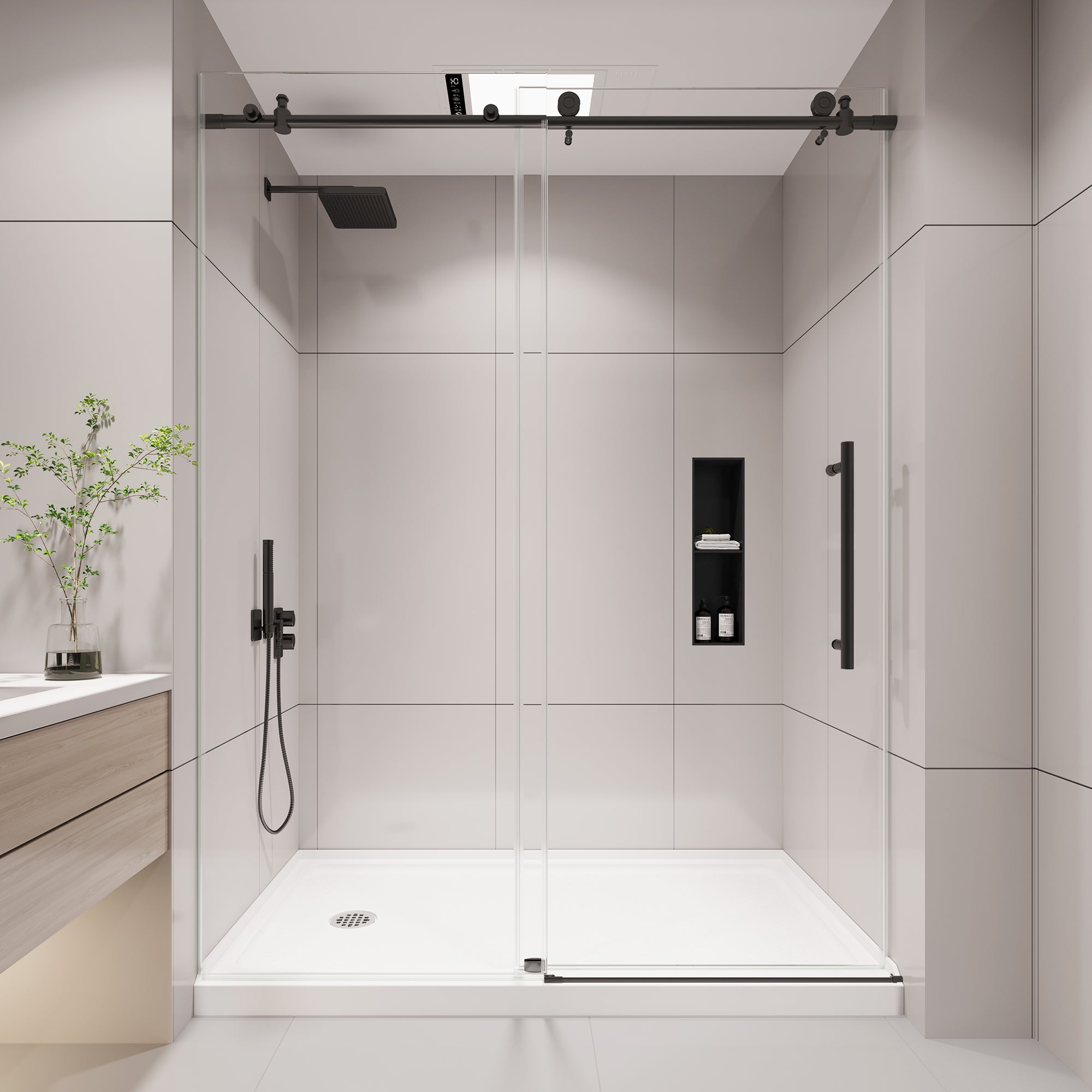
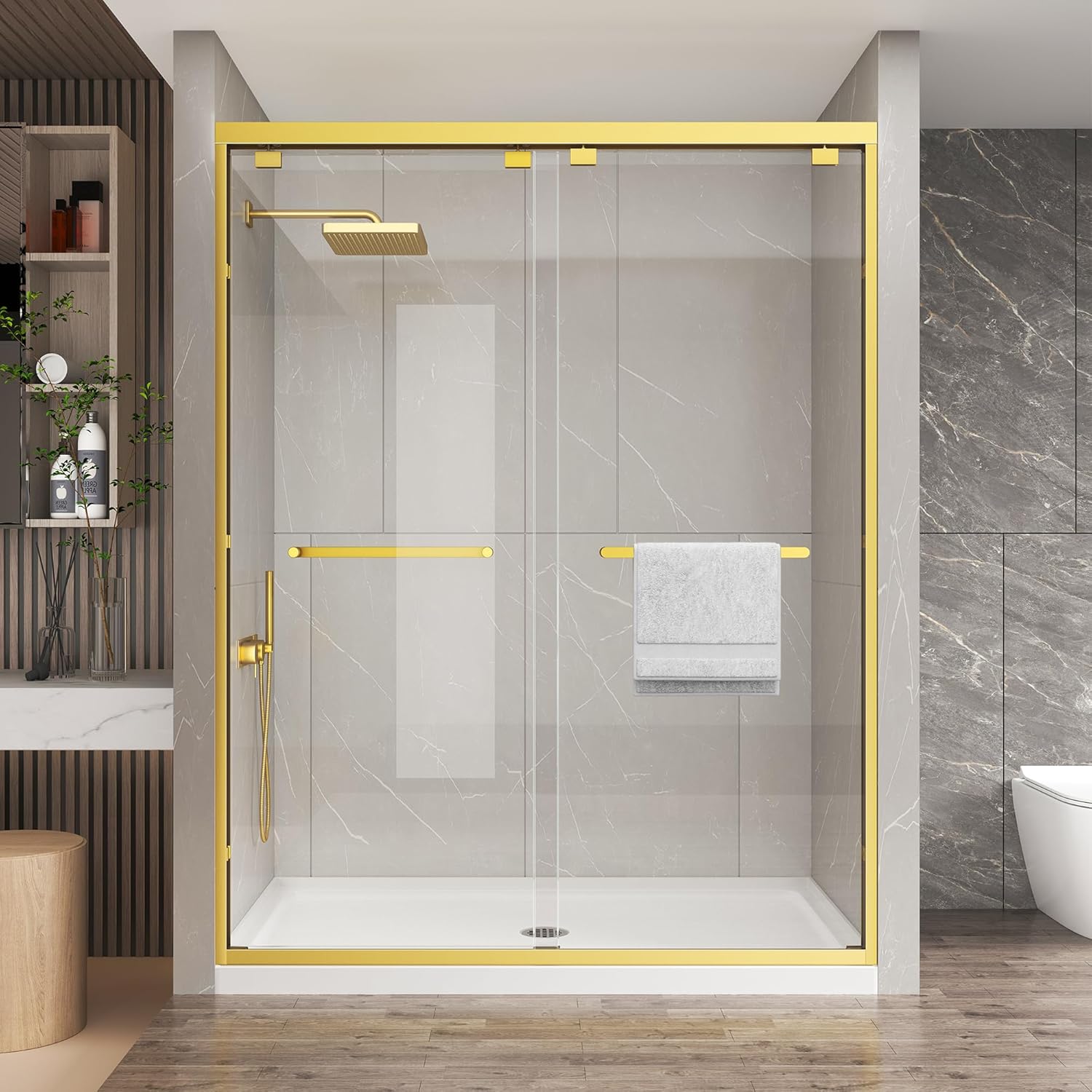
Nobody wants a shower door that binds, leaks, or looks awkward because the return panel is too narrow. As a bathroom contractor with 20+ years on job sites, I see this issue every season—especially in 2026 remodels where homeowners want frameless glass and tight, modern looks. Walls that are out-of-plumb, tight rough-in dimensions, and changes in curb slope all magnify the problem. This article explains how to tell if a shower door return panel is too narrow, gives a quick field test, practical measurement steps, code and safety notes, and fixes that actually work on real jobs.
Quick Answer (Featured Snippet)
Short answer: A shower door return panel is too narrow when it prevents the door from closing freely, leaves a continuous gap that causes water to leak, or requires excessive force or hardware adjustment to operate—usually when the panel is smaller than the hinge or strike clearance plus installation tolerances (typically less than 3"–4" for frameless setups, depending on hinge style). If you can visibly see glass-to-glass contact, binding, or a gap larger than 1/4" at the bottom after shimming, the return panel is likely undersized.
When Is a Return Panel Too Narrow?
Return panels serve three functions: a mounting surface for hinges or clips, a sealing surface for the door edge, and a visual balance to the opening. They become "too narrow" in different ways depending on the installation type:
- Frameless hinged doors: Need enough edge width for the hinge hardware and for the door strike to land without disturbing glass edges.
- Framed doors: Require clearance for the frame jamb and sweep; a narrow return panel can keep the frame from seating evenly.
- Inline panels serving as wall return: Must account for out-of-plumb walls—if the wall is out by 3/8" or more across the height, the panel width needs to compensate.
Common thresholds I use on site:
| Return Panel Width (in) | Common Door Type | Problem Threshold | Contractor Note |
|---|---|---|---|
| < 2" | Frameless hinge/patch | Usually too narrow | Insufficient glass for hinge + clearance |
| 2"–3.5" | Small-framed or fixed panel | Borderline | May work with special hinges or offsets |
| 3.5"+ | Frameless & framed | Acceptable | Preferred for clean hardware installation |
How to Measure — Step by Step
Use this measurement routine on site. It's the same sequence I run before ordering glass or committing to a demo. Have a level, tape measure, digital caliper (for hardware), and a shim kit.
- Measure the opening width at three heights (bottom, mid, top). Record the narrowest and widest dimensions. Note out-of-plumb differences—anything over 1/4" per 6' matters.
- Measure the hinge/patch plate footprint (usually 2"–3") and add the required glass edge distance from the hardware manufacturer.
- Check the curb slope and threshold height; an uneven curb will change sweep compression and sealing performance.
- Measure door edge swing and desired overlap or gap for sweeps—most manufacturers expect a 1/8"–3/8" gap at the strike.
- Mock the door: clamp a temporary panel to the return and cycle the door. Look for binding and measure any gap at the bottom and top.
If the measured return panel width is less than the combined minimum of hinge footprint + 1/8" clearance + shim allowance, plan for a wider panel or alternate hardware.

Signs You Have a Problem
Here are practical signs I look for when diagnosing a too-narrow return panel:
- Door binds mid-swing or at full close.
- Visible glass-to-glass contact or the hinge touching the return glass edge.
- Water leaks along the hinge/strike line, especially at the bottom where sweeps fail.
- Hardware requires constant adjustment or replacement; screws strip out of glass clamps.
- Customer complains the door feels “sticky” or needs a push to close.
Standards, Glass, and Building Rules
Safety matters. Tempered glass is mandatory in shower doors under most codes and safety standards such as ANSI Z97.1. Tempered glass thickness for frameless doors is typically 3/8" (10 mm) or 1/2" (12 mm); return panels may be 1/4" (6 mm) in some framed systems but must meet manufacturer specs.
Check local plumbing and building codes as they relate to shower enclosures and door swing clearance. For design guidance, refer to the National Kitchen & Bath Association recommendations for bathroom planning (NKBA).
When in doubt about glass safety standards, consult ANSI or your local code official (ANSI).
Real Jobsite Experience
One house from last season is a classic: 1930s bath, plaster walls that lean in 5/8" over 6 feet. The client wanted a frameless door with a narrow 2" return panel for a minimal look. After dry-fitting the panel and hinge, the door hit the glass at the top hinge point. We could have forced it, but the glass edge had zero tolerance for the hinge bite and the door seal would have been compromised. The solution was to widen the return with a 3/8" plywood shim, fur out the drywall, and flush the return so we could install the hinge with correct edge distance. The job took half a day extra but avoided a return visit for glass damage.
Field notes from that job:
- Always leave at least 1/8"–1/4" edge clearance at the hinge to account for thermal expansion.
- If walls are out-of-plumb, pick hardware with adjustable hinge offsets or build the return out.
- Tempered glass chips easily if a hinge clamps too close to the edge—manufacturers specify minimum edge distances for a reason.

Fixes and Upgrade Options
There are several ways to address a too-narrow return panel. Choose based on budget, timeline, and aesthetics:
- Build-out the return — Fur out the wall with backer or shims and new drywall or tile substrate. This is permanent and keeps a frameless look.
- Use offset/mounted hinges — Some hinges allow a 3/8"–1" offset to clear narrow returns. Check the hinge manufacturer’s minimum glass edge spec.
- Switch to a framed jamb — A slim aluminum J-channel or frame can accept a narrower return without delicate glass edge issues.
- Change door type — Consider sliding or bypass doors if layout allows. These remove the need for a return panel entirely.
- Replace the return with a wider glass panel — Order a wider return panel from your glass supplier and re-anchor the hardware.
For homeowners pursuing the frameless look, I often recommend checking the available products at KPUY Shower Doors to compare hinge options and return panel dimensions before ordering custom glass.
FAQ
How wide should a shower door return panel be for a frameless hinge?
For most frameless hinges you want at least 3"–3.5" of return panel to safely mount the hinge and provide edge distance. Some patch hinges allow 2.25" but that’s tight and only if the wall is perfectly plumb and the glass is thick enough (3/8" or 1/2").
Will a narrow return panel cause leaks?
Yes — if the panel doesn't allow proper door overlap or sweep compression, water will track through the gap. Even a small undercut at the bottom combined with a misaligned sweep will carry water out onto the bathroom floor.
Can I fix a narrow return panel without replacing the glass?
Often yes. Options include building out the return, using offset hinges, adding a slim frame, or swapping the hardware to one with a larger offset. If the glass is chipped or the hinge footprint is insufficient, replacing the return glass may be the best long-term fix.
Wrap-up and Next Steps
Detecting a too-narrow shower door return panel is a mix of measurement, hardware knowledge, and real-world trial. Measure at multiple heights, mock the door in place, and account for out-of-plumb walls and curb slope before you order glass. If you're planning a frameless install, consider at least a 3"–3.5" return or plan to fur the wall out. For product options and hinge specs, check manufacturer data and consider exploring KPUY Shower Doors for common hardware and glass combinations.

Leave a comment
All comments are moderated before being published.
This site is protected by hCaptcha and the hCaptcha Privacy Policy and Terms of Service apply.