
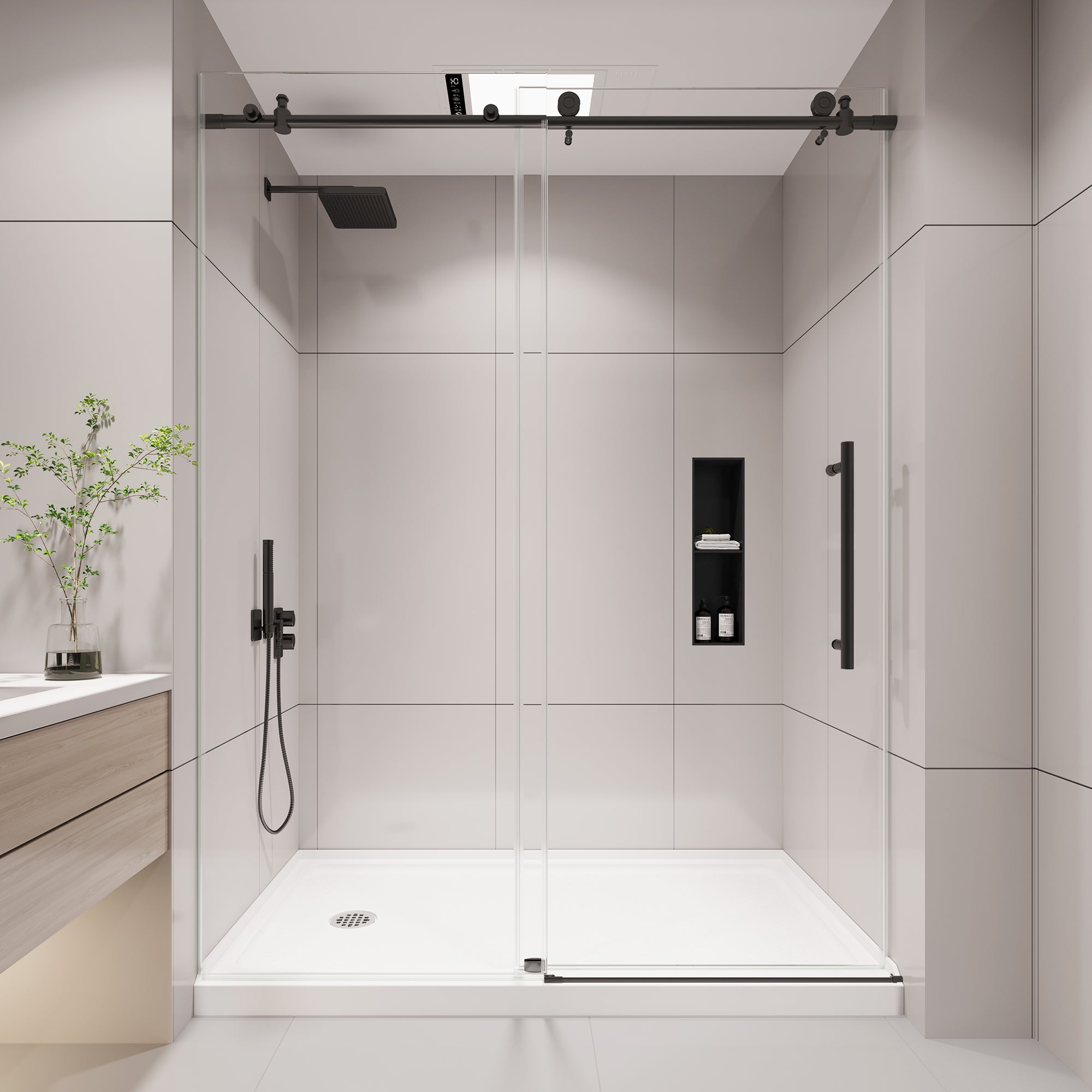
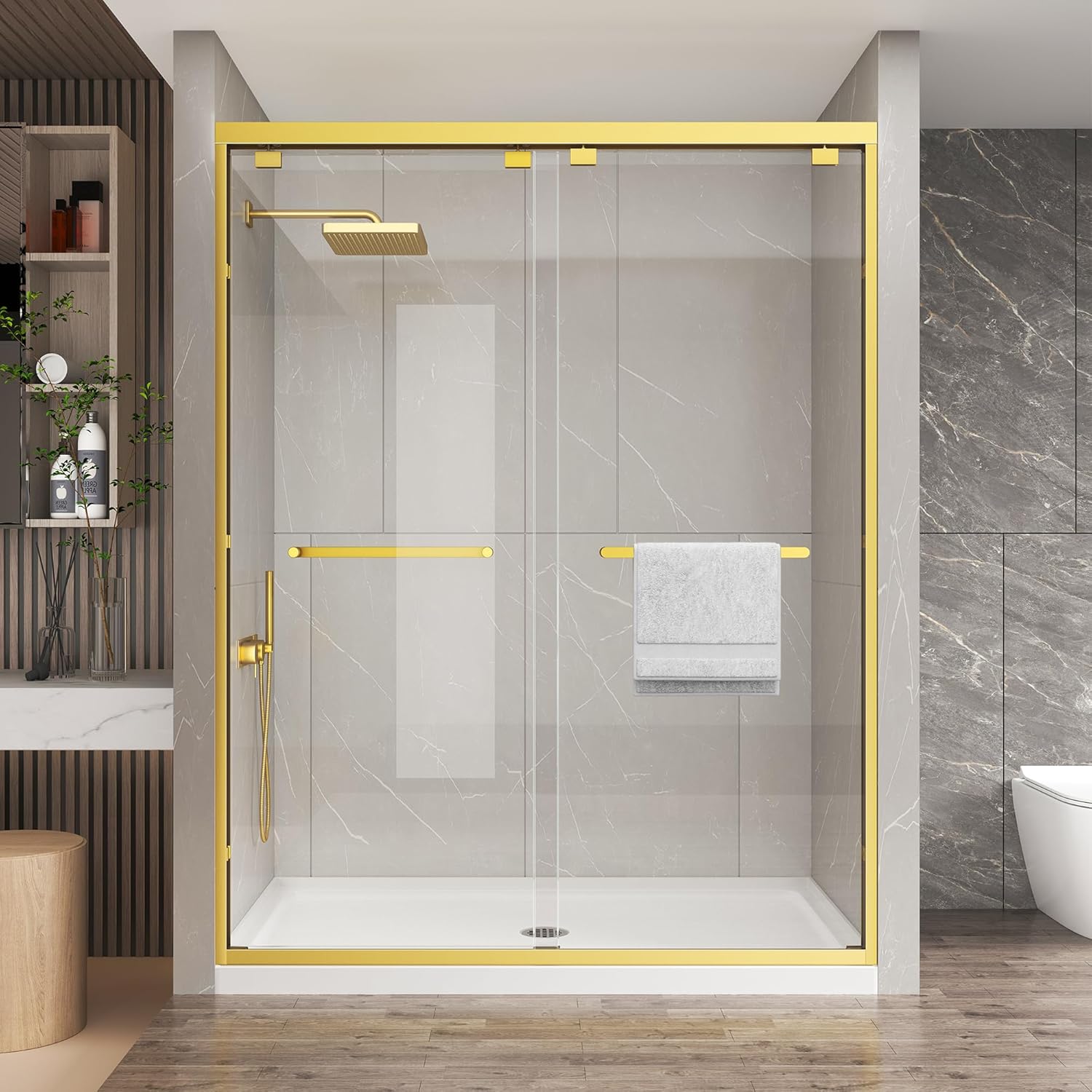
Yellowing on an acrylic shower base is one of those small problems that makes a bathroom look dated and neglected — and it often signals a preventable maintenance or installation issue. As a contractor with over 20 years on the tools, I see the same causes on remodels and service calls: improper substrate prep, chemical attack from cleaners, UV exposure, poor ventilation, and installation tolerances that allow water to sit where it shouldn’t. With 2026 trends favoring low-threshold wet rooms and warm, matte surfaces, homeowners want acrylic bases that stay bright without constant scrubbing. This article lays out what causes yellowing, what actually works in the field, and step-by-step prevention and repair strategies you can use today.
Quick Answer (Featured Snippet)
Short answer: Yellowing is caused by UV exposure, chemical reaction from harsh cleaners, trapped moisture, and poor installation/substrate contact. Prevent it by using UV-stable acrylic products, ensuring a proper mortar bed and slope, avoiding aggressive solvents, improving ventilation, and choosing the right maintenance routine.
Why Acrylic Turns Yellow
Acrylic is a thermoplastic; it reacts to environmental conditions. The common mechanisms I see on real jobs:
- Oxidation and UV exposure: Thin acrylic or poorly formulated sheets will discolor when exposed to direct sunlight or high-UV lighting.
- Chemical attack: Bleach, acidic limescale removers, and solvent-based cleaners can chemically alter the polymer surface and the clear coat.
- Entrained dirt and soap scum: Residue trapped in micro-scratches oxidizes and looks yellow over time.
- Moisture and installation gaps: Water pooling under the flange or trapped between base and substrate can promote staining and adhesive failure.
On-the-Job Prevention: Materials & Installation
If you’re replacing a base or installing new, prevention starts before the panel is set. These are non-negotiable job-site practices I insist on:
- Choose the right product: Use UV-stable, high-quality acrylic or cast acrylic bases that list UV resistance in the spec sheet.
- Check manufacturer tolerances: Follow the base’s allowable tolerance for flatness and support. Unsupported areas cause flex and micro-cracking where dirt builds up.
- Proper support bed: Use a solid mortar bed or manufacturer-recommended adhesive with full contact — no point loads. Ensure curb slope and drainage are within tolerance so water doesn’t collect.
- Seal penetrations: Properly seal drain flanges and any screw holes with compatible, non-solvent sealant.
- Ventilation: Size exhaust fan to code — per current bathroom ventilation guidance — to limit humidity that accelerates staining.
Installation details contractors must nail
- Verify rough-in dimensions and drain location before ordering the base; rework on-site is where mistakes happen.
- Check wall plumb: out-of-plumb walls often force the base into tension against the threshold or walls, creating stress points and gaps.
- Confirm the curb slope and level: a flat spot equals a water trap and long-term staining.
- Observe installation tolerances for weight and movement — acrylic flexes; if the substrate allows sag, the surface will micro-scratch and yellow.
For homeowners buying a ready-made option, consider a factory-made acrylic base with a reinforced backing and a documented warranty. If you want to see selection options, check Shower Bases.
Daily Care, Cleaners & What to Avoid
Cleaning is where homeowners either prevent yellowing or accelerate it. The wrong cleaner can do irreversible damage to acrylic.
- Use pH-neutral cleaners: Products labeled for acrylic, or a mild dish soap solution, are safe for regular use.
- Never use abrasive pads or powders: These create micro-scratches that trap soap scum and yellow with age.
- Avoid solvent-based degreasers: Paint strippers, acetone, and some tub & tile cleaners contain solvents that attack acrylic’s clear coat.
- Don’t use straight bleach undiluted: Occasional diluted bleach for mold is okay, but prolonged contact can discolor the surface.
Weekly maintenance routine
- Rinse the base after each shower to remove soap residue.
- Wipe dry with a microfiber cloth to avoid water spots.
- Use a non-abrasive acrylic cleaner once a week; follow manufacturer instructions.
Inspection & Repair: Field Method
When yellowing appears, evaluate whether the issue is surface-level staining or material degradation. Here’s my step-by-step field approach:
| Observation | Likely Cause | Action |
|---|---|---|
| Surface haze or light yellowing | Soap scum, oxidation, micro-scratches | Clean with acrylic-safe cleaner, polish with plastic polish if needed |
| Deep yellowing under clear coat | Chemical attack or UV degradation | Replace top layer or entire base if structural integrity compromised |
| Yellow ring around drain | Trapped water, poor flange seal | Remove flange, clean, replace gasket and seal with compatible sealant |
| Yellowing at perimeter where base meets wall | Standing water due to out-of-plumb walls or improper curb slope | Correct slope, re-bed base, or re-plumb walls as necessary |
Repair tips
- Start with the least invasive: cleaning and polishing.
- If polish removes the stain, inspect for surface scratches and consider applying a protective polish layer.
- For chemical damage, replacement is often the most cost-effective long-term solution — acrylic solvents can embrittle the sheet and cause hairline cracks.
Real Job-Site Experience
On older houses I remodel, the problems almost always come from the hidden conditions. Example from a recent full-bath remodel:
We installed a new acrylic base, but the existing stud wall was out-of-plumb by nearly 3/4". That forced the base into a slight twist against the shower curb. The first winter the homeowner reported yellowing at the wall joint. We cut out the bead, re-plumbed the studs, re-sloped the curb to proper pitch, and re-bedded the base on a full mortar bed. Problem solved. That level of work is why I advise checking rough-in dimensions and wall plumb before ordering a premade base.
Another job: a landlord used a strong limescale remover monthly to keep units looking clean quickly. Tenants called with yellow bases. After testing, the product ate into the acrylic's topcoat — replacement was required. The lesson: a cheap shortcut cleaning routine costs more over time.
FAQ
How can I stop my acrylic base from yellowing right now?
Start with a gentle clean: rinse, wipe dry, then use an acrylic-safe cleaner. Improve ventilation and avoid harsh cleaners. If yellowing persists, have a pro check the drain flange and support; trapped moisture is a common hidden cause.
Is yellowing reversible?
Surface stains often are — with non-abrasive cleaners and plastic polish. Chemical degradation and UV-brittling are not reliably reversible; those usually require replacing the top layer or the whole base.
Does the plumbing code mention shower base requirements?
Plumbing codes like IPC/UPC cover drain rough-ins and fixture installation tolerances — make sure your drain position matches the base rough-in, and that the install follows manufacturer specs. For best practice and design guidance, industry resources such as the National Kitchen & Bath Association are helpful: NKBA. For code specifics, consult the International Code Council at ICC.
Wrap Up & Product Link
Preventing yellowing is a mix of good product choice, correct installation, and sensible maintenance. Focus on these priorities: UV-resistant material, full support bed, proper drain sealing, and non-abrasive cleaners. If you’re replacing a base, select one with documented UV stability and an install guide you can follow to the letter. You can browse quality preformed options here: Shower Bases.
Keep an eye on vents, review product data sheets before purchase, and when in doubt, have a qualified remodeler verify rough-in dimensions and wall plumb — that step prevents most common failures I see on site.

Leave a comment
All comments are moderated before being published.
This site is protected by hCaptcha and the hCaptcha Privacy Policy and Terms of Service apply.