
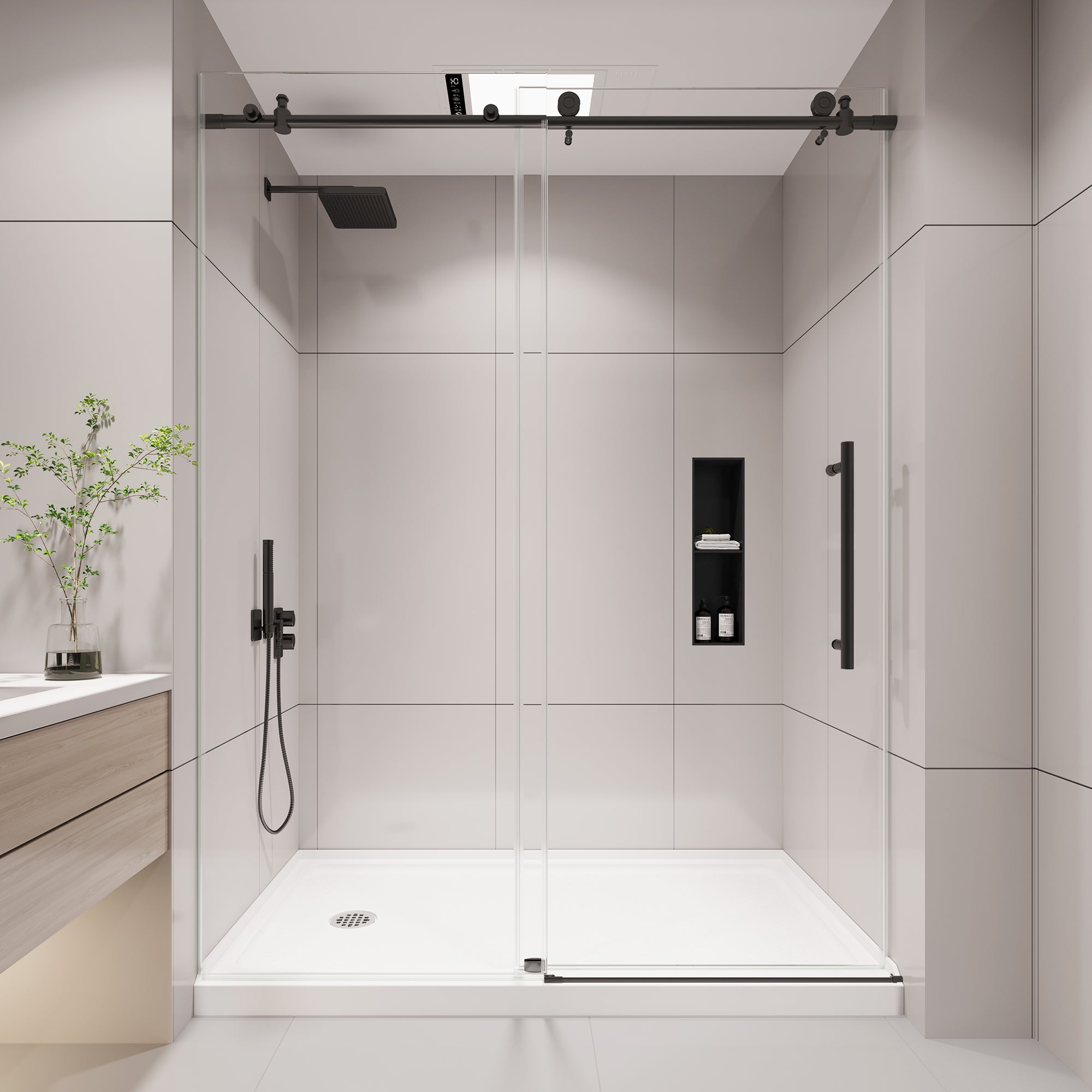
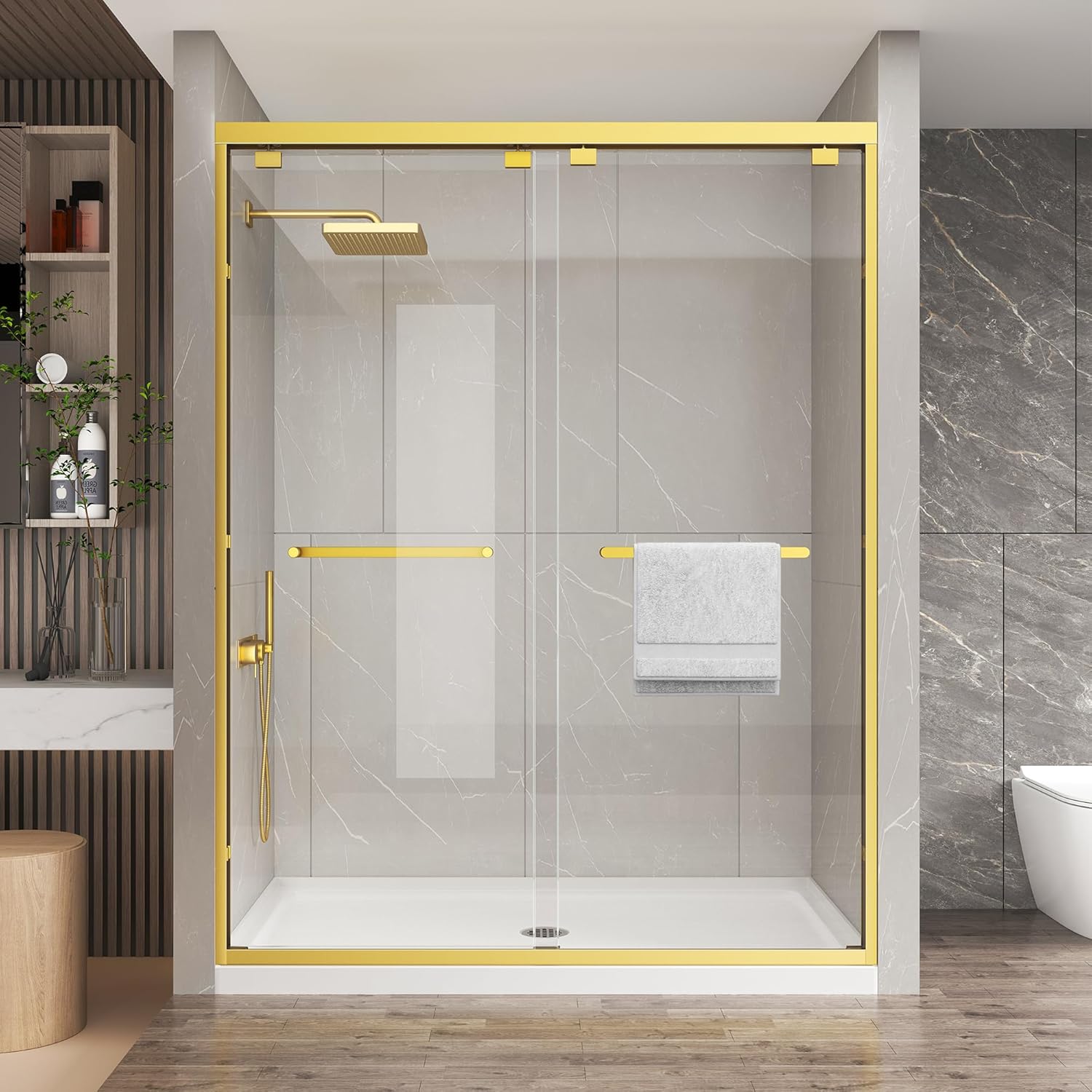
Warm beige tile is forgiving—but it also exposes choices you might regret later. As a bathroom remodeling pro with 20+ years on the job, I see the same mistakes: wrong glass finish that fights the tile tone, heavy hardware that makes a small room feel cramped, and installers who don’t account for out-of-plumb walls or curb slope. This guide gives direct, field-tested advice on selecting a shower door that complements warm beige tile while meeting code, safety, and real-world installation tolerances for lasting results.
Quick Answer
Pick clear or low-iron tempered glass at 3/8" or 1/2" thickness with a warm metal finish (satin brass, brushed nickel, or oil-rubbed bronze) to complement warm beige tile. For small bathrooms, use a clear frameless or semi-frameless door to keep the room feeling open. For busy-patterned beige tile, choose a minimal hardware profile and consider a light etched or rain pattern for privacy without darkening the space.
Match Style and Tone
Warm beige tile ranges from creamy off-white to caramel. Your shower door should either blend quietly or provide a subtle contrast—not fight the tile. Here’s how I choose on-site:
- Light, neutral beige (cream to sand) — clear glass with cool silver or brushed nickel hardware keeps the look fresh.
- Honey or caramel beige — warm metals like satin brass or bronze offset the tile without making the space feel dated.
- Patterned or textured beige tile — opt for minimal hardware and clear or lightly frosted glass to avoid visual overload.
For modern 2026 trends, homeowners are moving toward warm metals and matte finishes, paired with large-format beige tiles and uninterrupted glass for a clean, spa-like look.
Glass Types and Recommended Thickness
Glass choice affects safety, aesthetics, and installation. Always use tempered safety glass meeting ANSI Z97.1. Typical thickness choices and when to use them:
| Glass Type | Thickness | Best Use | Pros / Cons |
|---|---|---|---|
| Clear Tempered | 3/8" (10 mm) | Most residential showers, especially semi-frameless | Balanced cost, lighter weight, clear sightlines |
| Clear Tempered | 1/2" (12 mm) | Frameless doors, premium feel, wider doors | Stiffer, less flex, higher cost |
| Low-iron (Crystal Clear) | 3/8" – 1/2" | High-end installs where glass clarity is key | Eliminates green cast, showcases tile color accurately |
| Acid-etched / Frosted | 3/8" | Privacy panels, wet-room dividers | Diffuses light but can mute tile color |
Field note: In older homes I often choose 1/2" for frameless doors because walls are out-of-plumb and the heavier glass resists flexing during use. But 1/2" adds load to anchors—confirm the wall substrate and blocking first.

Hardware and Finish Guidance
Hardware choice sets the overall tone. My recommendations:
- Satin brass and warm brushed nickel are ideal matches for warm beige tile.
- Use a minimal rail or patch-hinge profile for a contemporary look; bulky frames make beige tile look busier.
- If you need a handle, choose a linear pull in the same finish as the hinge for consistent sightlines.
Consider the door swing and clearance: a 30" wide swinging door needs about 2" of free wall space for the handle and full opening. For tight spaces, use a sliding or bypass system.
Measure & Check Site Conditions
Correct measurement wins or loses a shower door install. Before ordering glass:
- Measure finished tile-to-tile from 3 points top/middle/bottom. Record the smallest opening—glass is cut to fit within that.
- Check for out-of-plumb walls. Measure plumb at multiple heights; if the wall is more than 3/8" out over 6 feet, plan for an adjustable channel or custom glass scribe.
- Verify the curb slope and level. A drooping curb or uneven pan causes water pooling and impacts door seals.
- Locate blocking and studs for hinge anchorage. Frameless hinges require structural backing; bring at least a 2x6 block behind the tile at hinge locations.
Real job-site experience: I once measured a walk-in remodel where the opening varied by 5/8" top to bottom due to multiple old tile layers. We shimmed a stainless channel and ordered a custom scribed panel with a 3/8" tolerance at the narrowest point. If you don’t account for this, your glass won’t seat properly and leaks are likely.

Installation Tips and Tolerances
Good installers work with tolerances and code. Keep these practical points in mind:
- Allow 1/8"–3/8" tolerance for glass-to-frame clearances; this lets silicon seals compress and prevents binding on uneven walls.
- Use high-quality silicone rated for continuous immersion and compatible with tile and metal finishes.
- For sliding doors, confirm track pitch and curb slope to prevent self-closing or dragging.
- Check local codes: in many jurisdictions, tempered glass and proper anchorage are required—installers should follow ANSI Z97.1 and local building codes (IPC/UPC for plumbing interfaces where applicable).
Tip: Always dry-fit panels and hardware before final sealing. It’s cheaper to shim and adjust than to cut a replacement panel.
Maintenance and Long-Term Care
Keeping glass clear and hardware functional is simple but often neglected:
- Use a daily squeegee to prevent mineral build-up on beige tiles and glass.
- Choose hardware finishes with PVD or brushed coatings for better corrosion resistance in humid bathrooms.
- Re-caulk silicone every 3–5 years depending on use and exposure.
Strong cleaning agents and abrasive pads will dull both glass coatings and metal finishes—recommend mild, non-abrasive cleaners to homeowners.
FAQ
Will clear glass make my beige tile look washed out?
Clear glass preserves tile color better than low-iron or heavily frosted glass. If your tile is warm and you want it to read warm, consider low-iron only if you need the absolute truest color; otherwise standard clear tempered glass is fine and keeps the space brighter.
What thickness should I choose for a frameless door?
For frameless doors I usually recommend 1/2" tempered glass for spans over 30" or doors with heavy handles. For narrower doors, 3/8" is a cost-effective, safe option that keeps hardware stress lower. Both must meet ANSI Z97.1 safety specs.
Can I install a shower door if my walls are 1/2" out of plumb?
Yes, but you need adjustable channels or a scribed glass edge and proper blocking. If walls exceed about 3/8" over a 6' height, plan for custom solutions—this is a common situation in older homes and should be addressed before glass fabrication.
Final Notes
Choosing the right shower door for warm beige tile is a balance of color, light, and field realities. Prioritize tempered glass, pick a warm finish to complement the tile, and confirm site conditions before ordering. If you want to browse reliable, contractor-grade options that match these recommendations, see KPUY Shower Doors.
For industry guidance on kitchen and bath planning, see the National Kitchen & Bath Association resources at NKBA, and for code-related questions consult the International Code Council at ICC.
Good measurement and simple hardware decisions will keep your beige tile looking intentional and your shower door performing for years.

Leave a comment
All comments are moderated before being published.
This site is protected by hCaptcha and the hCaptcha Privacy Policy and Terms of Service apply.