
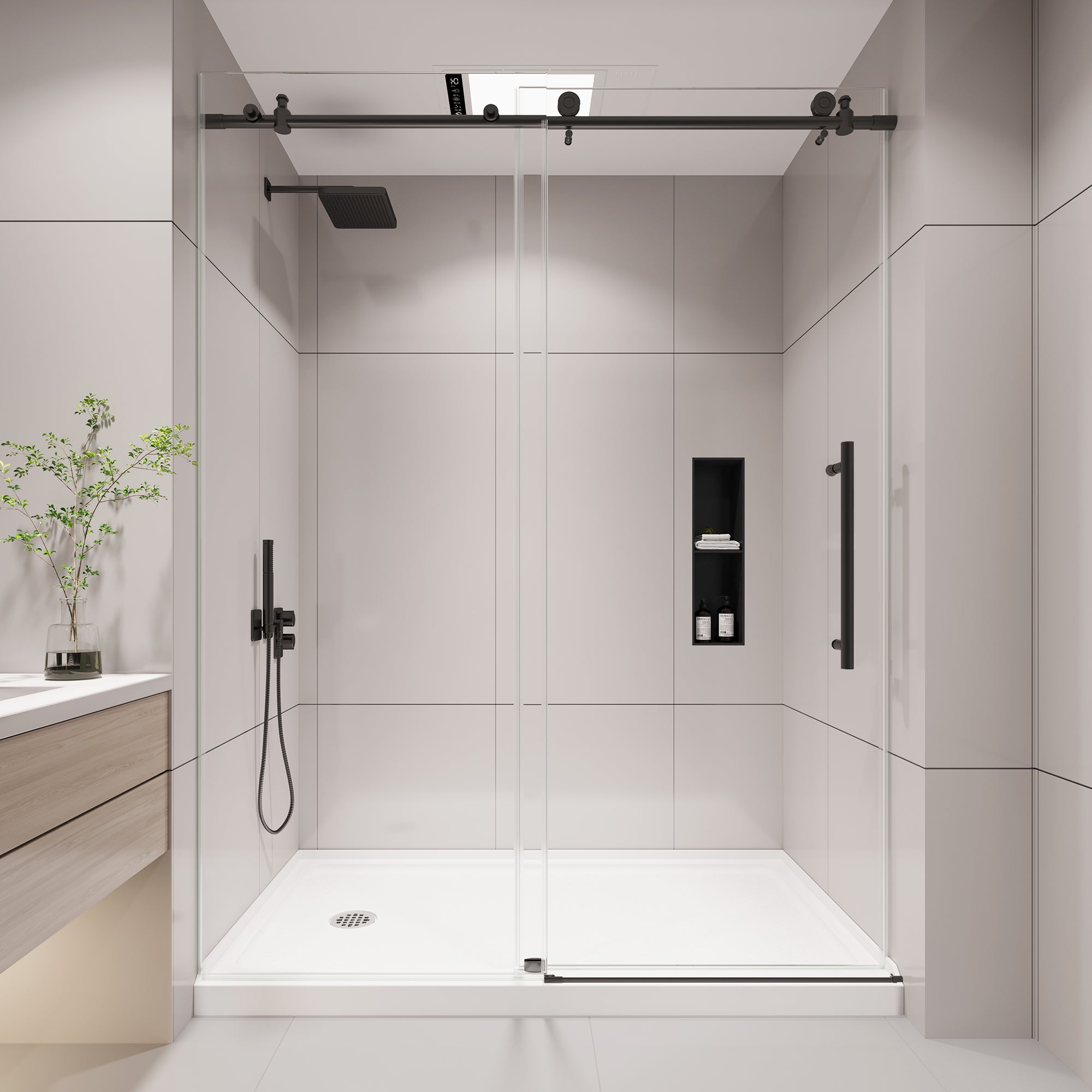
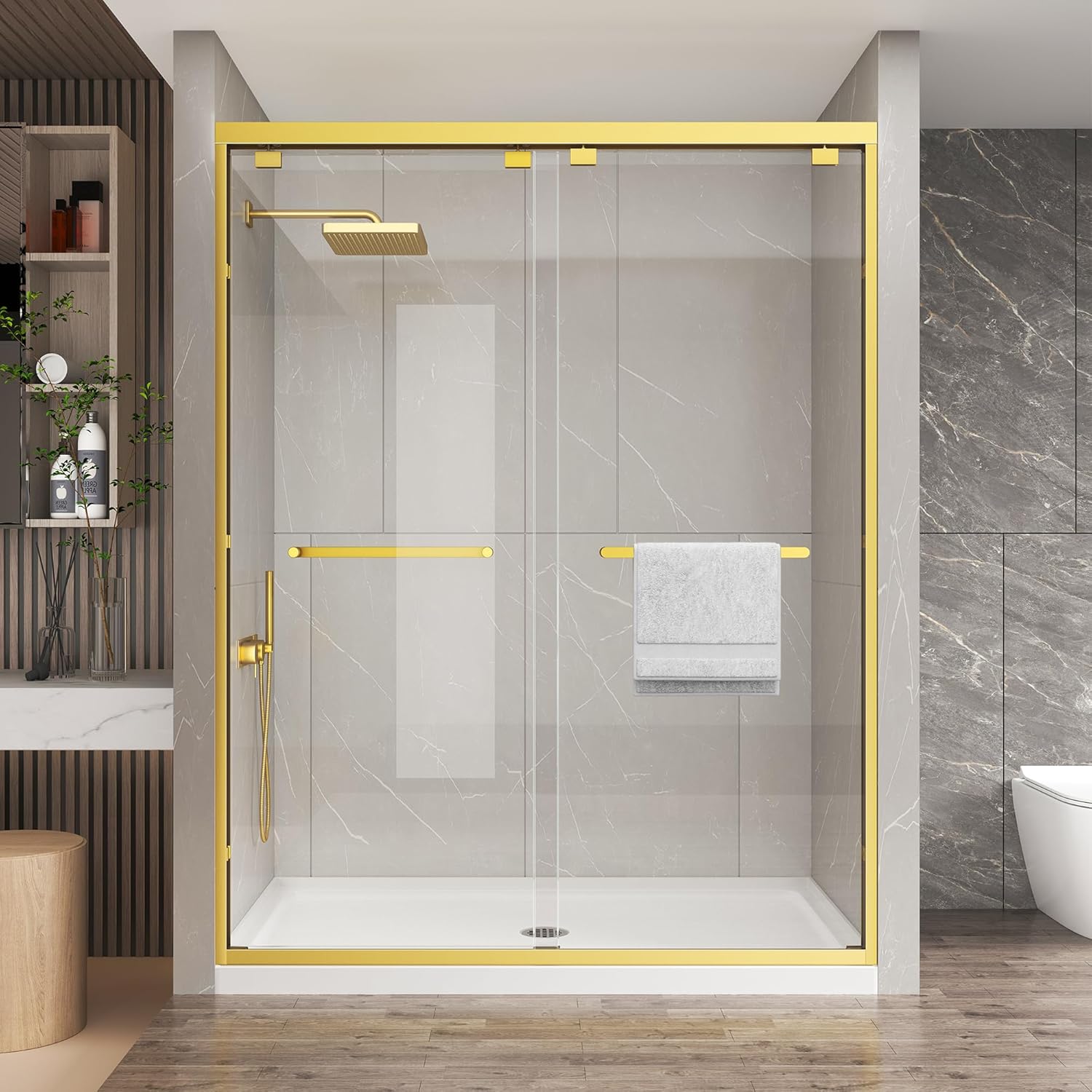
If your bathroom always feels chilly after a shower, the shower door choice matters more than most homeowners realize. As a contractor with 20+ years installing showers across different climates, I’ve seen how glass type, door style, hardware, and installation tolerances drive heat retention — or heat loss. The 2026 trend toward open, minimalist bathrooms emphasizes glass and metal, but that can make small bathrooms feel colder if you don’t plan for thermal performance. This guide walks through practical decisions and jobsite realities so your next shower door helps keep the room warm, looks modern, and installs correctly.
Quick Answer (Featured Snippet)
Choose a semi-framed or sliding door with tight perimeter seals and 1/2" tempered glass when warmth is a priority. If budget allows, a properly installed frameless 1/2" glass door with a bottom sweep and magnetic or bulb seals reduces convective heat loss. Prioritize door configuration that minimizes open gaps, and plan for correct curb slope, thresholds, and return panels to trap steam and keep the bathroom warmer.
Why Your Bathroom Feels Cold
Understanding where heat escapes helps you pick the right shower door. Heat leaves a bathroom three ways: convection (air movement), radiation (cold surfaces), and conduction (through materials). In a shower bay situation, the largest contributor to that post-shower chill is convective loss from gaps around the door and the tendency of cool room air to flow into the wet area.
- Door gaps: Hinges and rollers with wide tolerances allow warm steam to escape quickly.
- Glass area: More glass equals more radiative cooling unless the glass thickness and seals reduce air exchange.
- Room layout: High ceilings, poor insulation, or a long run between heat source and bathroom increase perceived cold.
Before picking a door, evaluate the overall bathroom insulation, ventilation fan use, and available heating options. A great door helps a lot, but it isn’t a substitute for addressing drafty windows or under-insulated exterior walls.
Door Types and Thermal Performance
Here’s how common door types stack up in the field when warmth is the goal:
| Door Type | Thermal Strength | Installation Tolerance | Typical Glass Thickness |
|---|---|---|---|
| Framed hinged | Moderate - frame reduces gaps | High tolerance for out-of-plumb walls | 1/4"–3/8" |
| Semi-frameless / pivot | Good - fewer gaps than frameless | Requires fairly plumb walls | 3/8"–1/2" |
| Frameless hinged | Best if seals installed; glass radiates | Low tolerance; needs plumb walls | 1/2" |
| Sliding / bypass | Best at reducing drafts when tracks are tight | Handles some out-of-plumb but tracks must be true | 3/8"–1/2" |
For a bathroom that feels cold, I commonly recommend a sliding door or a sealed semi-frameless unit. Sliding doors keep the opening narrower and can be fitted with low-profile sweeps. If you want a high-end look and are willing to correct wall plumb issues, a 1/2" frameless door with magnetic seals performs very well.
Shopper note: If you’re comparing products, check the hardware’s specified installation tolerances. Some frameless hinges allow only 1/8" adjustment — that can be a problem on older plaster walls.
Glass and Safety Standards
Safety and safety glass standards matter. All shower doors should use tempered safety glass compliant with ANSI Z97.1 and local code. Tempered glass breaks into small granular pieces instead of large shards, and for shower doors the industry commonly uses:
- 3/8" (10 mm) — common for semi-frameless doors
- 1/2" (12 mm) — standard for high-end frameless doors
- 1/4" — used in cheaper framed systems (less rigid, more flex)
Use thicker glass for larger panels to reduce flex and improve thermal feel — glass that doesn’t flex feels warmer because it reduces convective air exchange around the seals. For verification of standards, I often reference ANSI and NKBA guidance on safe materials and installation practices. See the ANSI standard info here: ANSI, and for design guidance: NKBA.
Jobsite Realities: Out-of-Plumb Walls & Installation Tolerances
Here’s the part nobody loves until they’ve been there: old houses are rarely perfect. I’ve remodeled dozens of 1950s-1970s bathrooms where the tile walls are out-of-plumb by 1/2" or more across a 60" span. That affects your choice.
- Out-of-plumb walls: Frameless doors demand fairly plumb conditions. If your walls are off by more than 1/4", plan for shims, packing, or a semi-framed system that can absorb the variance.
- Rough-in dimensions: Confirm curb height and shower opening width before ordering glass. Factory-measured glass needs a reasonable field tolerance; leave at least 1/8"–1/4" per side for adjustments.
- Curb slope: A properly sloped curb keeps water in and seals effective. If the curb is angled wrong, even the best sweep will gap or drag.
Real jobsite tip: I always mock up a full-scale paper template of the glass after tile is set. It shows where the wall bows are and where shims will go. That prevents ordering glass that will be impossible to fit without grinding tiles or calling for an expensive re-cut.
When you hire a contractor, ask about their field measurement process. A reputable installer will take multiple measurements and note the frame-to-frame variance before ordering factory-cut glass.

Installation Tips and Sealing for Warmth
Proper installation makes a door warm or cold. Here are the installation items I always check on-site:
- Perimeter seals: Use bulb, magnetic, or vinyl sweeps at the vertical and bottom edges. A good bottom sweep that compresses slightly prevents cold air from rushing in.
- Threshold height and slope: Keep the threshold low enough for easy drainage but high enough to host a compressible seal. Aim for a slight slope away from the shower toward the drain.
- Hardware adjustment: Tighten rollers and hinges so the door closes into the seal every time. If the door drifts open a hair, you lose your heat retention.
- Caulk joints: Silicone sealant at the frame-to-tile junction prevents air leaks behind the framing.
When I install a frameless door, I leave a miniscule 1/8" reveal on the hinge side and use a magnetic strike or bulb seal on the latch side. For sliding doors, I focus on track alignment; a misaligned track creates drafts and water leaks.
Energy-Saving Accessories
Beyond door selection, add-ons can improve perceived warmth:
- Heated towel racks
- In-shower radiative surfaces
- Low-profile threshold with thermal break
Simple changes like a thicker glass, full-height return panel, or magnetically sealed door reduce the draft and keep steam in. If heating is a bigger concern, consider a local heat source like a wall-mounted heater or an upgraded HVAC register — but fix the door gaps first. Also check local installation and safety rules; for plumbing slope and venting refer to your local adopted code, often based on the NFPA/ICC model codes.

Buying and Installation Checklist
Use this checklist before you buy or allow an installer to cut glass:
- Measure finished tile to tile opening. Confirm the walls’ plumbness and note variance.
- Decide on door type based on tolerance: choose framed/semi-framed for out-of-plumb walls; frameless for plumb, corrected walls.
- Select glass thickness: 1/2" for frameless; 3/8" for semi-frameless. Confirm tempered meets ANSI Z97.1.
- Pick seals: bottom sweep + vertical magnetic/bulb seals. Ask for a thermal-friendly sweep profile.
- Confirm curb slope and threshold detail. Correct slope if necessary before glass arrives.
- Order from a supplier with good lead times and a proven field measurement practice. Consider KPUY Shower Doors for a range of options.
- Schedule a professional installation and final check for opening/closing, gap measurements, and sealing.
FAQ
Will a frameless shower door make my bathroom warmer?
Not automatically. A frameless door with thick 1/2" tempered glass and proper magnetic/bulb seals can perform as well or better than framed doors because it reduces gaps. But installation precision is critical — if walls are out-of-plumb or seals are missing, a frameless door can be drafty.
What glass thickness should I choose to reduce the cold feeling?
For thermal feel and rigidity, choose 1/2" tempered glass for frameless systems. For semi-frameless or sliding doors, 3/8" is a solid compromise between cost, weight, and thermal performance. Always confirm tempered certification to ANSI Z97.1.
How do installers handle out-of-plumb walls?
Good installers will shim the jambs, use packers behind channel systems, or recommend a semi-framed unit with adjustable tracks. On many older homes, I also cut a paper template and adjust the frame design rather than forcing a frameless panel into a bowed wall.
Closing
Pick a door that limits gaps and matches your jobsite realities. For many cold-feeling bathrooms a sliding or semi-frameless door with a quality bottom sweep and 3/8"–1/2" tempered glass is the practical answer. If you’re leaning toward frameless glass, plan for careful measurement and possible wall correction so the unit seals properly. If you want to compare door styles and hardware options, check KPUY Shower Doors and talk to an installer who documents field measurements before ordering glass.
Final pro tip: Don’t buy glass until tile and curb are finished — that’s when the real measurements are taken. A little patience on the front end saves trips, re-cuts, and a bathroom that still feels cold after the install.

Leave a comment
All comments are moderated before being published.
This site is protected by hCaptcha and the hCaptcha Privacy Policy and Terms of Service apply.