
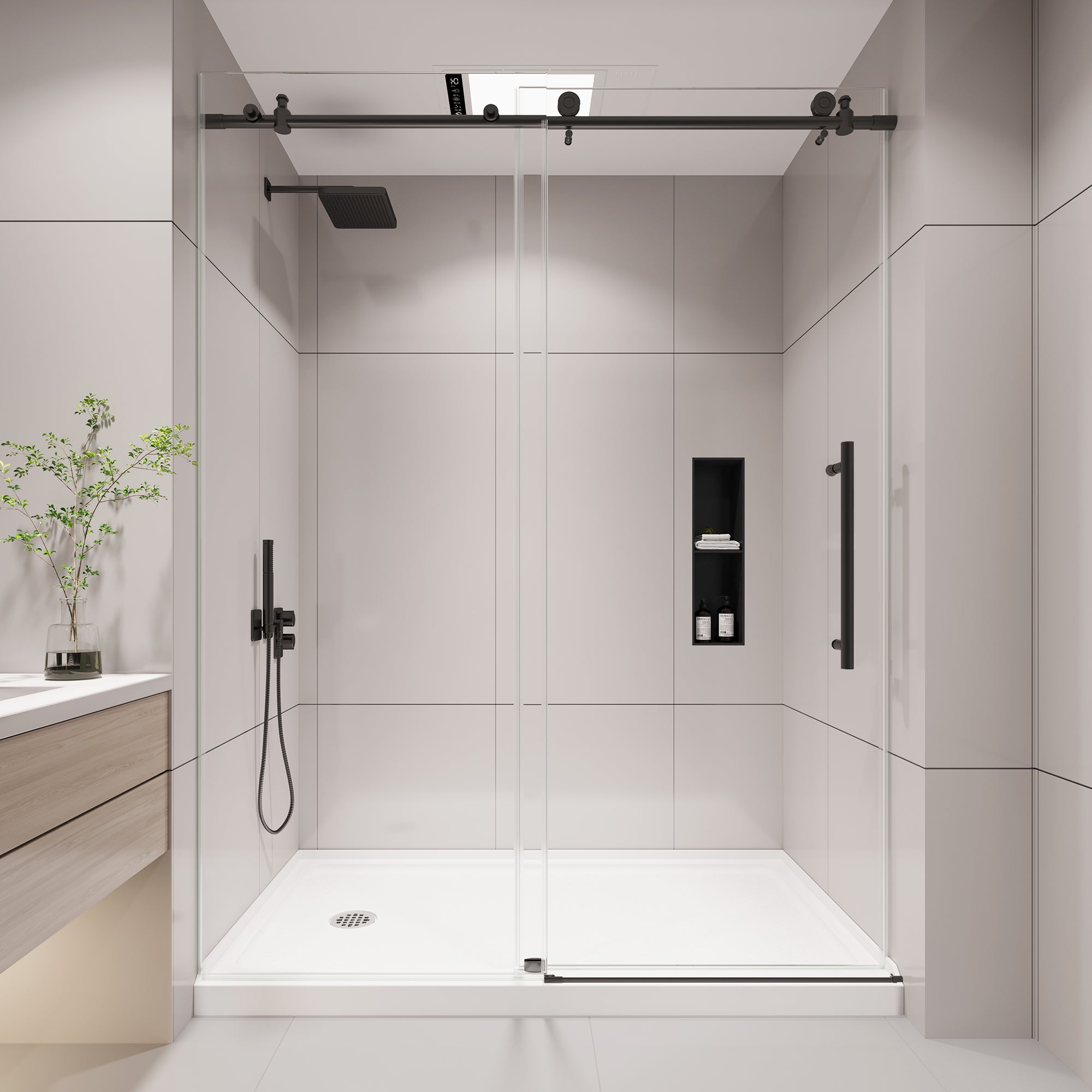
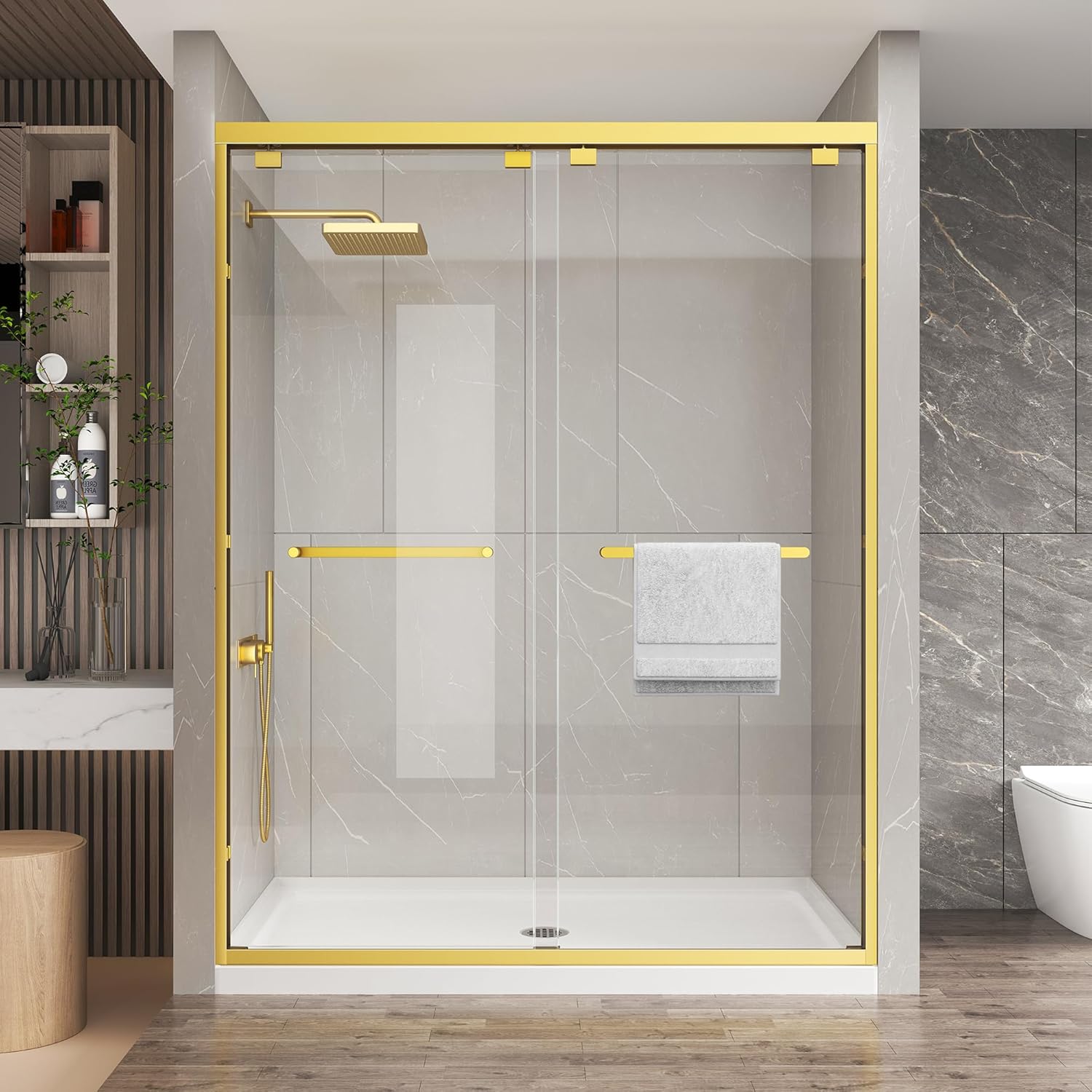
Adding a shower door to a walk-in shower is one of the most cost-effective upgrades you can make to improve water containment, appearance, and resale value. As a bathroom contractor with 20+ years in the field, I’ll walk you through realistic price ranges, the variables that move the needle, and what to expect on a job site where nothing is perfectly square. This article focuses on U.S. homeowner needs, building-code-aware installation practice, and practical tips that save time and money in 2026 projects.
Quick Answer
Short answer: Expect to pay roughly $650 to $4,500+ to add a shower door to a walk-in shower in the U.S. Most typical mid-range glass door installations fall between $1,200 and $2,500. The wide range depends on glass thickness and type, hardware finish, panel configuration, site conditions (out-of-plumb walls, curb type), and labor rates in your area.
Cost Breakdown (Materials + Labor)
Below is a practical pricing table you can use as a planning guide. These are ballpark ranges based on real projects in 2023–2026 across suburban and urban markets in the U.S.
| Item | Low | Typical | High / Custom |
|---|---|---|---|
| Framed pivot door | $150 | $350 | $900 |
| Frameless glass panel (3/8") | $300 | $700 | $1,800 |
| Frameless sliding system (hardware only) | $250 | $600 | $2,000 |
| Labor (install) | $300 | $800 | $2,000+ |
| Site prep (shims, blocking, new curb) | $100 | $400 | $1,200 |
| Total typical install | $650 | $1,200–$2,500 | $4,500+ |
Note: Custom sizes, heavy tempered glass (1/2" or thicker), and premium hardware finishes add cost quickly. For a high-end frameless enclosure with wet-room panels and special glass treatments expect $3,000–$7,000 depending on square footage and complexity.
What Affects Cost
Here are the main variables that control the price:
- Glass thickness and type: 3/8" (10 mm) tempered glass is standard for frameless doors; 1/2" (12 mm) gives a heavier, premium feel but costs more and requires stronger hardware.
- Door configuration: single pivot, sliding, bi-fold, fixed panel, or custom barn-style hardware.
- Hardware finish and brand: brushed nickel and matte black are common; solid-brass hardware costs more than aluminum.
- Site condition: out-of-plumb walls, uneven floors, and poor curb slope all add labor time.
- Framing vs. frameless: framed or semi-frameless is cheaper and more forgiving; true frameless requires precise measurements and thicker glass.
- Local labor rates and permit requirements: city work in high-cost markets will push labor fees higher.
Glass safety and codes
All shower glass should be tempered and comply with safety standards. For safety and code guidance consult the U.S. Consumer Product Safety Commission and industry guidance from the National Kitchen & Bath Association. In practice I specify tempered glass that meets ANSI Z97.1 for residential installations and confirm hardware load ratings exceed glass mass.
Choosing the wrong tempered thickness or low-rated hardware is a safety and warranty risk. I always recommend a minimum 3/8" tempered panel for single doors and 1/2" for larger spans or hinge-mounted doors over 30" wide.
Glass Types & Hardware
Common glass options and their practical implications:
- Clear tempered (3/8" or 1/2"): Clean look, more affordable for frameless.
- Low-iron (ultra-clear): Makes tile colors pop but costs 20–40% more.
- Frosted or patterned: Adds privacy; typically custom sized.
- Glass coatings: Hydrophobic treatments reduce soap scum—worth it in hard-water areas.
Hardware decisions influence both cost and durability:
- Hinges: pivot vs. wall-mounted; pivot systems deal better with out-of-plumb conditions.
- Thresholds and sweeps: proper drip and sweep installations keep floors dry; cheap sweeps fail fast.
- Mounting methods: surface-mounts are faster; through-bolts are stronger but require precise drilling.
If you’re shopping, consider browsing quality glass panels and hardware to set realistic expectations—brands, finish warranties, and available stock sizes matter. For a direct look at a common catalog of door options, check out KPUY Shower Doors.
Installation Process & Timeline
Typical timeline for a standard single-panel or pivot door install:
- Day 1: Measure and assess. Verify rough-in and out-of-plumb conditions. Order custom glass if needed (1–2 weeks lead time for custom).
- Day 2 (or delivery day): Site prep—remove old hardware, clean substrate, install blocking where needed.
- Day 3: Dry-fit hardware and glass, make small adjustments, install threshold and anchor points.
- Day 4: Final set, seal joints with silicone, verify door swing and sweep, demo protection removal.
Most straightforward jobs take 4–8 hours of actual install time once glass arrives. Custom jobs or sites with poor tolerances add 1–3 days. Allow extra time if you need new curb work or tile edge repairs.
Installation tolerances and real measurements
Real-world tolerances matter. Expect to shim up to 3/8" in some corners on vintage homes where plaster walls are out-of-plumb. When scheduling, plan for:
- 1/8"–1/4" typical adjustment range for pre-drilled hardware slots.
- 3/8"+ possible shim pack for older studs or tile offsets.
Always order glass after final tile work. I leave a 1/8" gap for silicone bead and an additional 1/8" for out-of-plumb adjustments—better to field-measure than to guess.
Real Job-Site Experience
From years on the floor, here are the recurring realities I see on remodels:
- Out-of-plumb walls are the norm, not the exception. Expect to shim and occasionally fur out a wall to make the hinge mount straight.
- Tile returns and bullnose details often force custom glass cuts—the glass shop charges for small-radius notches and field cut tolerances add cost.
- Homeowners underestimate how much finish hardware affects perception. A good hardware finish makes a mid-range glass panel look premium.
- Glass thickness matters for perceived quality. A 1/2" panel reduces flex and audible noise on impact.
Here’s a candid job note: on a 1940s bungalow I measured a 1/2" twist across a 36" opening. I had to build a slim backing plate and pack the hinge with multiple shims, then re-check the pivot points with a torpedo level before the glass arrived. That added three hours to labor and a $120 materials charge—something you won’t see on an online quote that assumes square walls.
DIY vs. Hiring a Pro
Can you do it yourself? Maybe, if the installation is a simple framed or semi-frameless kit and walls are plumb. But there are reasons contractors are worth it:
- Safety: Tempered glass weight and handling risks.
- Precision: Frameless systems require precise drilling and shim work to keep gaps even.
- Warranty: Many glass suppliers void warranties if installation isn’t by a certified installer.
If you choose DIY, buy a kit sized for a standard opening, confirm the curb slope is correct, and have a helper for glass handling. For anything custom, heavy glass, or significant out-of-plumb correction, hire a pro.
FAQ
How much should I budget for a standard frameless shower door?
Budget $1,200–$2,500 for most standard frameless installs including materials and labor. Expect to pay more for large spans, 1/2" glass, or premium hardware.
How thick should the glass be for a walk-in shower door?
Use a minimum of 3/8" (10 mm) for most frameless doors. For doors wider than 30" or tall continuous panels, step up to 1/2" (12 mm) for stiffness and long-term durability.
Do I need a permit to install a shower door?
Most jurisdictions don’t require a permit for swapping out or adding a shower door, but if you modify the structure, blocking, or change plumbing drains, check with your local building department.
Wrap-up & Next Steps
If you’re planning a shower door install this year, start by measuring your opening and noting wall plumb and curb slope. Get at least two field measurements and ask suppliers for shop drawings. For a reliable product selection, view options at KPUY Shower Doors. If you want help evaluating a quote or understanding a contractor estimate, collect photos and measurements, and a pro can often give a realistic range quickly.
Strong planning prevents costly surprises: order glass only after tile is finished, specify tempered glass per safety standards, and budget for modest site corrections. A well-installed door will protect your bathroom and add value for years.
Need a quick cost estimate for your opening? Measure the finished width and height, note if walls are out-of-plumb, and whether you want a sliding, pivot, or fixed panel. With that info a contractor can give a firm price.

Leave a comment
All comments are moderated before being published.
This site is protected by hCaptcha and the hCaptcha Privacy Policy and Terms of Service apply.