
Shower doors look simple from the outside, but the anchoring is where most installation problems start. A door can be measured correctly and still fail to sit tight if the wall is out of plumb, the curb is sloped wrong, or the anchors are missing the studs. In a remodel, the answer is usually part wall fastening, part hardware support, and part sealant strategy.
The Short Answer
Shower doors are anchored with a combination of wall channels, brackets, hinges or rollers, and fasteners tied into solid framing or approved wall backing. The exact method depends on whether the door is framed, frameless, sliding, pivot, or a fixed panel. Good anchoring also depends on finished wall thickness, plumb walls, curb slope, and proper silicone sealing for water containment.
How Shower Doors Are Anchored
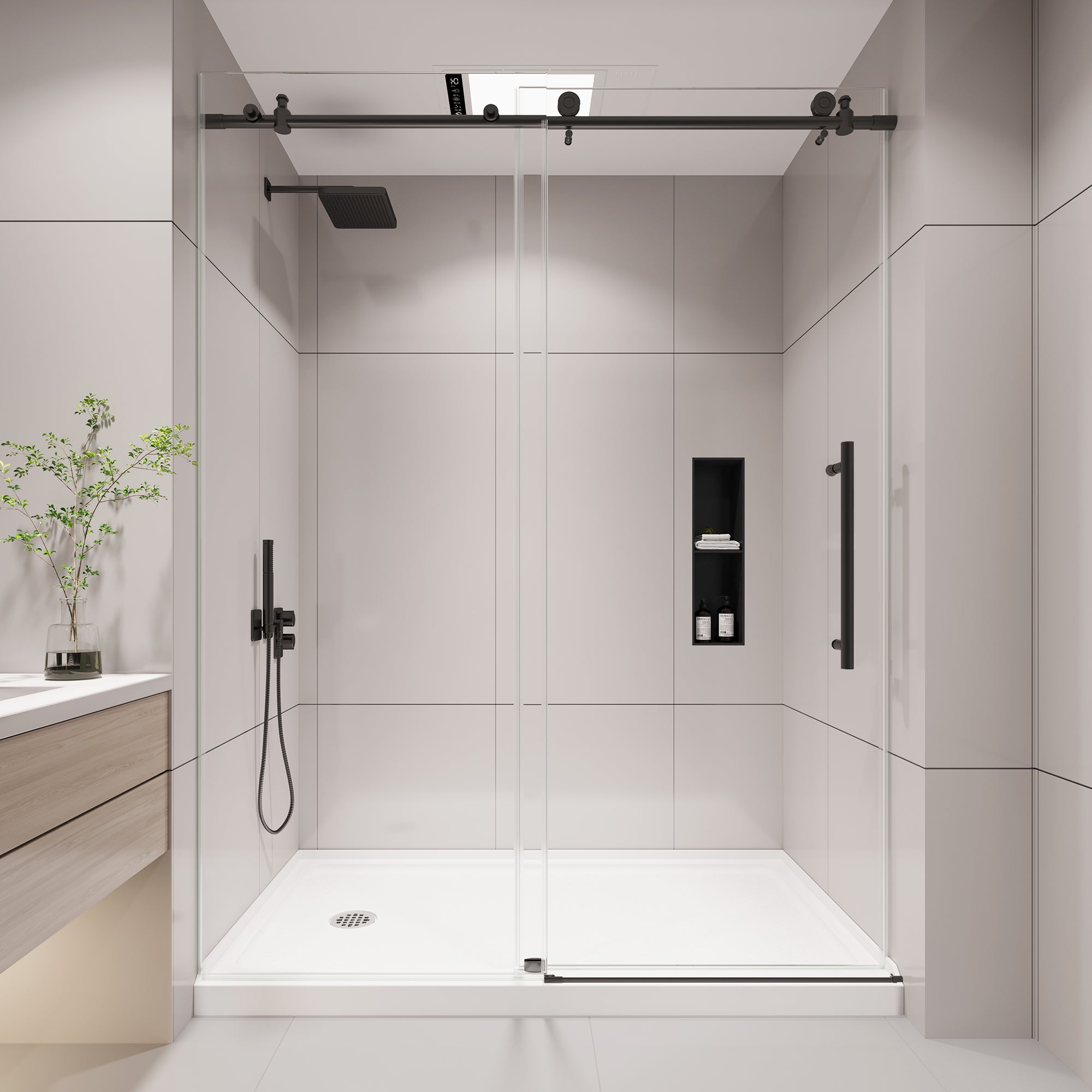
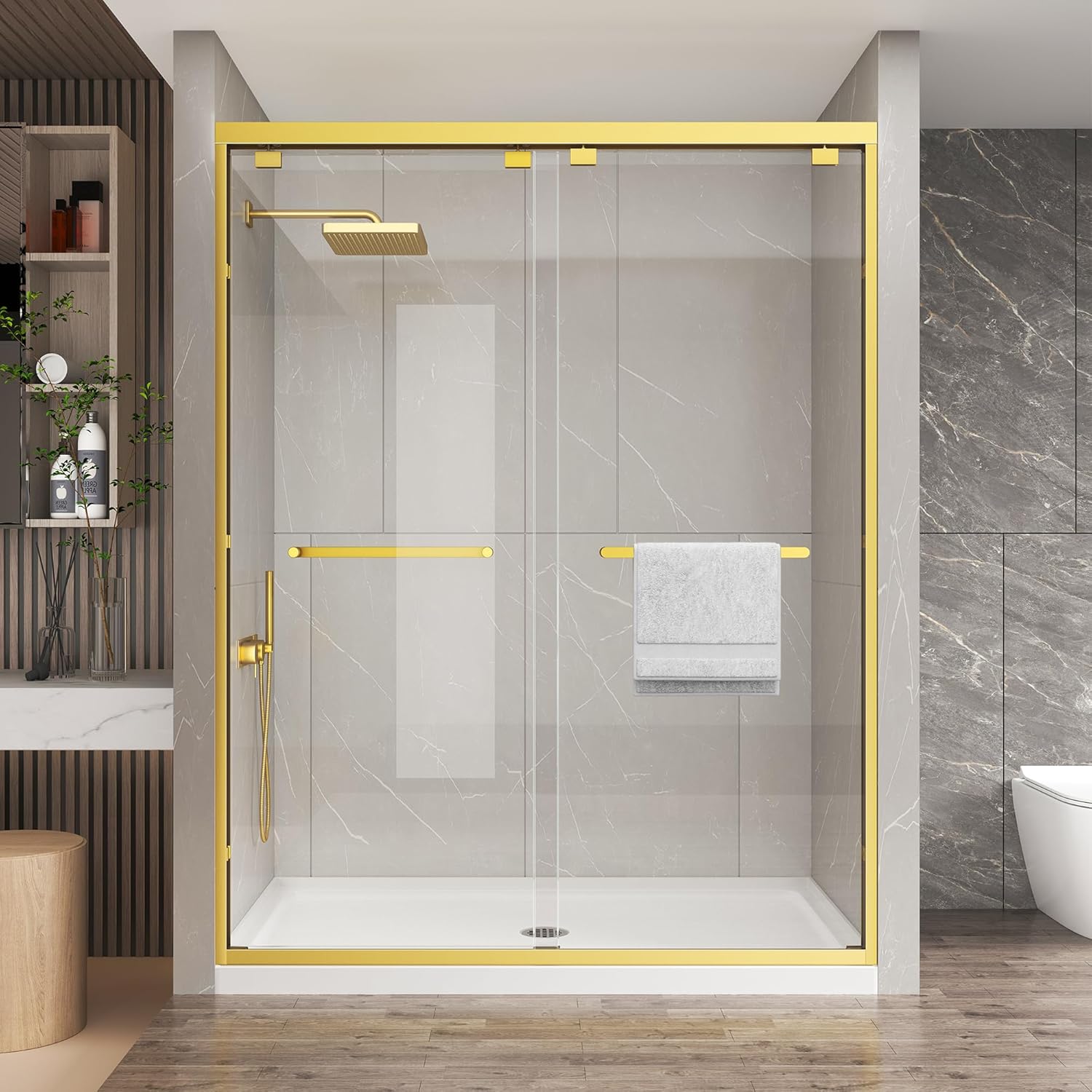
Most shower doors are not “hung” from one point. They are held in place by a system. A frameless fixed panel may use a wall profile on one side and a stabilizing bar or clamp on the other. A sliding door usually rides on a top track or header with lower guides that keep the panels aligned. A pivot door uses hinges or pivot hardware fastened to solid wall backing. Framed systems rely more on continuous channels and perimeter fasteners.
The anchor method matters because shower glass carries real weight. Even if the glass is tempered, the hardware still has to resist movement from daily use. If the fasteners are only biting into tile or thin backer board without proper support behind it, the system can loosen over time. That is why installers look for studs, blocking, or suitable wall reinforcement before drilling.
For homeowners planning a remodel, the main question is not just “Will the door fit?” It is “What is behind the wall, and how will the door be supported once the finished surfaces are in place?” That is especially important with frameless layouts and wall-to-wall installations. If you are comparing door styles, KPUY Shower Doors can be a useful place to start while you narrow the layout and hardware type.
In many jobs, the shower opening measures differently at the top, middle, and bottom. Older homes often have walls that are not perfectly plumb, and that affects how the anchor points line up. A door that looks square on paper can end up binding if the wall surface leans even a little.
What Affects the Anchor Type
The anchor method is usually determined by the door style, the wall surface, and the surrounding layout. Here are the main variables that change the install plan.
| Condition | What It Changes | Installation Impact |
|---|---|---|
| Frameless vs. framed | Amount of structural support in the door system | Frameless doors depend more on accurate fastening and solid backing |
| Sliding vs. pivot | Where the moving load is carried | Sliding doors rely on track alignment; pivot doors need hinge support and swing clearance |
| Tile thickness | Final wall build-out | Finished opening changes after tile, backer board, and thinset are installed |
| Out-of-plumb walls | How square the opening really is | Panels may need adjustment, shimming, or custom positioning |
| Stud location | Fastener holding strength | Anchors should land in solid backing whenever possible |
| Curb height and slope | Water control at the threshold | Improper slope can push water out of the opening |
For shower base or curb planning, anchor details connect directly to the floor geometry. If the base is not level, the door may be forced out of alignment at the bottom. If the curb slopes too much toward the room, water can travel toward the outside edge even when the glass is mounted correctly. That is why shower base and door planning should happen together, not as separate decisions. In many remodels, the shower pan and door belong in the same layout conversation.
The right anchor also depends on whether you are installing into drywall, cement board, tile over backer board, or a tiled waterproof wall system. Tile is not a structural anchor point by itself. Fasteners should reach framing or blocking behind the finished wall, or they should use an approved system designed for the load and wall condition.
Typical anchoring methods by door type
- Frameless fixed panels: wall channels, clamps, or stabilizer bars anchored into solid backing
- Sliding doors: header tracks, rollers, and wall jambs that depend on level mounting and consistent wall spacing
- Pivot doors: hinges or pivot brackets fastened to reinforced wall structure
- Framed doors: perimeter channels and screws that distribute load across more contact points
Hardware clearance matters too. Thick tile, wider glass, or decorative trim can change how far the hardware projects from the wall. A hinge may technically fit the opening but still interfere with trim, a vanity edge, or a nearby toilet if the swing path is tight.
Image guidance becomes especially useful once the opening is framed and the tile layout is set.

Measurement and Layout Checks
Start with the finished opening, not the old product label. The old door size may have been based on a different wall finish, a different threshold, or a different door style. Measure after tile if the wall surface is changing. If you are still in rough-in, measure the rough opening and then estimate the finished dimensions based on tile thickness and substrate build-out.
The most reliable approach is to check the opening in three places:
- Top width: measure from finished wall to finished wall at the top of the opening
- Middle width: measure at the main body height where the door or panel will sit
- Bottom width: measure just above the curb or base edge
If the numbers vary, the opening is not perfectly parallel. That is common in older homes. A difference of even a small fraction of an inch can affect how a frameless panel seats in a wall channel or how a sliding door track runs across the opening.
Also check the wall for plumb. Put a level on both jamb sides. If the wall leans inward or outward, the glass may need adjustment to avoid tension on the anchor points. That tension can create stress on the glass and make the door operate poorly.
Another field detail that gets missed: the drain location may not matter much for a door, but it matters a lot for the base that the door sits on. A drain that looks centered in the room may not match the new shower base footprint. If the base shifts, the curb line changes, and that can change the final anchoring line for the door.
For homeowners comparing shower layouts, this is where a quick look at KPUY Shower Doors can help connect opening size with door style before the wall finishes are locked in.
Planning points that save trouble later
- Check stud locations before tile goes up so blocking can be added where needed
- Confirm curb slope so water drains inward, not toward the room
- Account for tile thickness when estimating finished width and hardware projection
- Leave clearance for swing paths if using a pivot or hinged door
- Verify wall straightness before ordering glass or hardware
Remodel surprises usually show up after demolition. Once the old surround is out, you may find missing blocking, uneven subfloor conditions, or a wall that was never square in the first place. Those issues do not always stop the project, but they often change the anchor method or require added support behind the wall.
Installation Checklist
If you are planning the project before ordering, use this sequence. It keeps the door decision tied to the actual shower build instead of just the brochure size.
- Confirm the shower type: alcove, corner, or walk-in layout.
- Measure the finished opening at the top, middle, and bottom.
- Check both walls for plumb and the curb or base for level.
- Verify stud locations and add blocking where hardware will land.
- Review the swing or track path for toilet, vanity, and door trim clearance.
- Confirm glass thickness and hardware projection will fit the finished wall build-out.
- Plan silicone sealing points for water containment at joints and edges.
- Allow time for the tile, grout, and curb finish to cure before final hardware adjustment.
For sliding systems, track alignment is a big part of the anchor job. A track that is even slightly out of level can cause the panels to drift or rub. For pivot doors, the hinge side must be supported properly because the weight sits differently than on a sliding system. For fixed panels, the anchoring point has to resist lateral movement and stabilize the glass without over-tightening it.
Silicone is not structural support. It helps with water containment, but it should not be used to compensate for a weak anchor or a crooked opening. Good sealant work sits on top of correct hardware placement; it does not replace it.
Bathrooms being remodeled in 2026 are also leaning toward cleaner lines, fewer bulky frames, and better use of light. That makes glass layout and anchor placement more visible than before. If you are pairing the shower update with lighting, storage, or a new toilet rough-in, plan the shower door first so the rest of the room does not steal its clearance.

Common Mistakes to Avoid
Most shower door anchoring problems come from rushed layout work, not defective hardware. These are the mistakes that show up most often on site:
- Measuring before the wall finish is complete and then losing usable width after tile and trim are added
- Ignoring out-of-plumb walls and expecting the glass to “pull” the wall into shape
- Missing blocking behind the wall where hinges, channels, or brackets need support
- Overlooking curb slope and creating a water path toward the bathroom floor
- Forcing screws through brittle tile without proper drilling technique or backing
- Skipping clearance checks for a swing door near a vanity, toilet, or towel bar
Another common miss is assuming a shower door and a shower base are independent decisions. They are not. The base height, threshold shape, and drain position all affect the final opening. If the shower pan sits a little high or the curb is thicker than planned, the bottom anchor line can shift enough to matter.
In practical terms, a base that fits the footprint still needs the drain to land in the right place and the threshold to support the door style. That is why many remodelers review the base and glass together, especially for wall-to-wall setups and narrower openings.
Frequently Asked Questions
Are shower door anchors supposed to hit studs?
Whenever possible, yes. Studs or properly installed blocking provide the best support for hinges, channels, and stabilizer hardware. Some wall systems use approved anchors for specific conditions, but tile alone should not be treated as structural support. If the wall is already finished, confirm what is behind it before drilling.
Why does a shower opening need three measurements?
Because walls are often not perfectly parallel. Measuring the top, middle, and bottom tells you whether the opening stays consistent or narrows as it goes down. That matters for frameless panels, sliding tracks, and pivot clearances. A single width measurement can hide a problem that shows up during installation.
Can silicone hold a shower door in place?
No. Silicone helps seal edges and reduce water intrusion, but it does not replace proper mechanical anchoring. The door must be supported by the correct hardware, fasteners, and backing. Sealant is the finishing step, not the support system.
Before You Choose
The best way to think about shower door anchoring is simple: the glass is only as stable as the wall, curb, and hardware behind it. Measure the finished opening, confirm stud and blocking locations, and check plumb before you order. If your project is still in the planning stage, reviewing the door style and layout in KPUY Shower Doors can help you match the anchor method to the actual remodel conditions.
For a clean install, do not rush the wall prep. In shower work, the anchor is where good planning either shows up or falls apart.

Leave a comment
All comments are moderated before being published.
This site is protected by hCaptcha and the hCaptcha Privacy Policy and Terms of Service apply.