
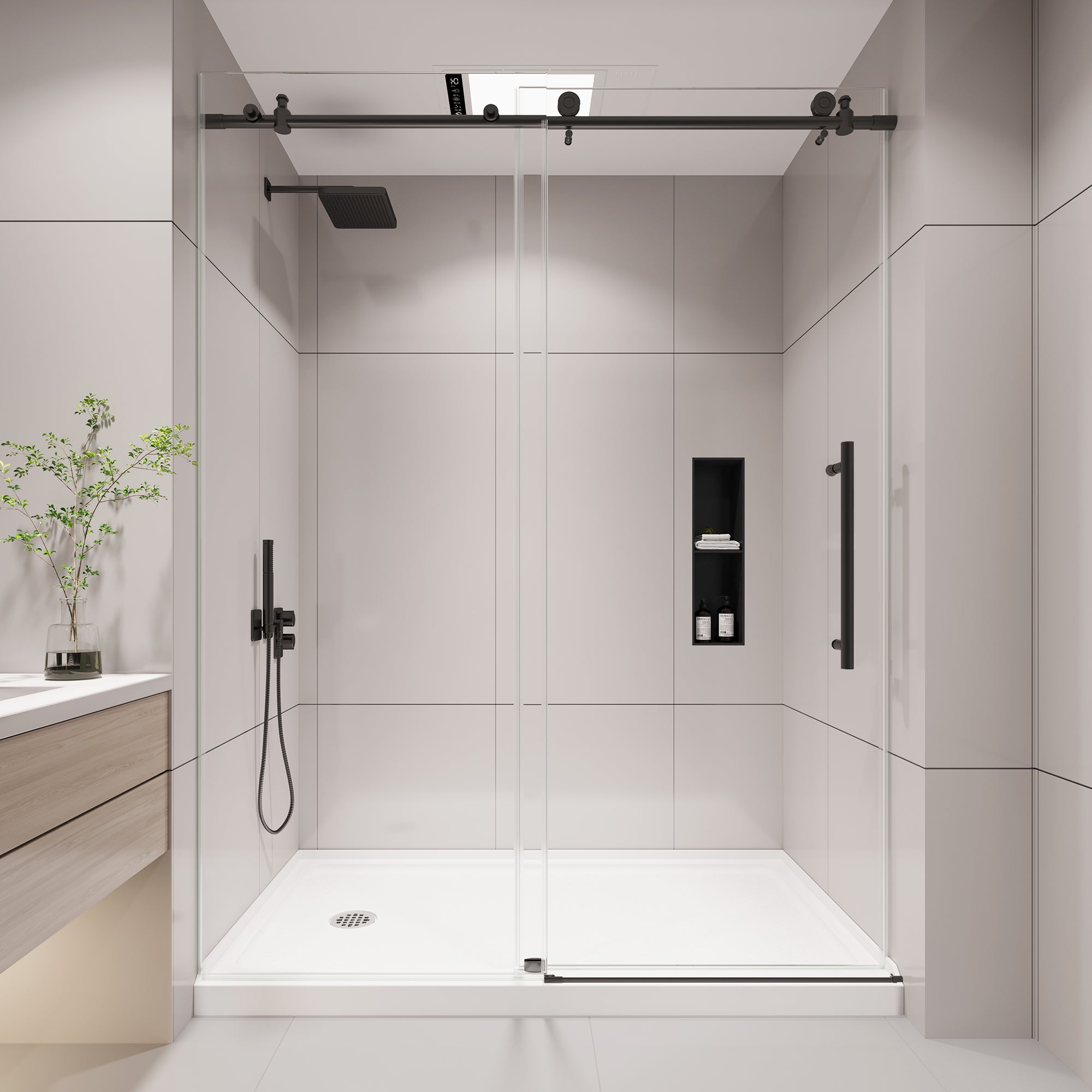
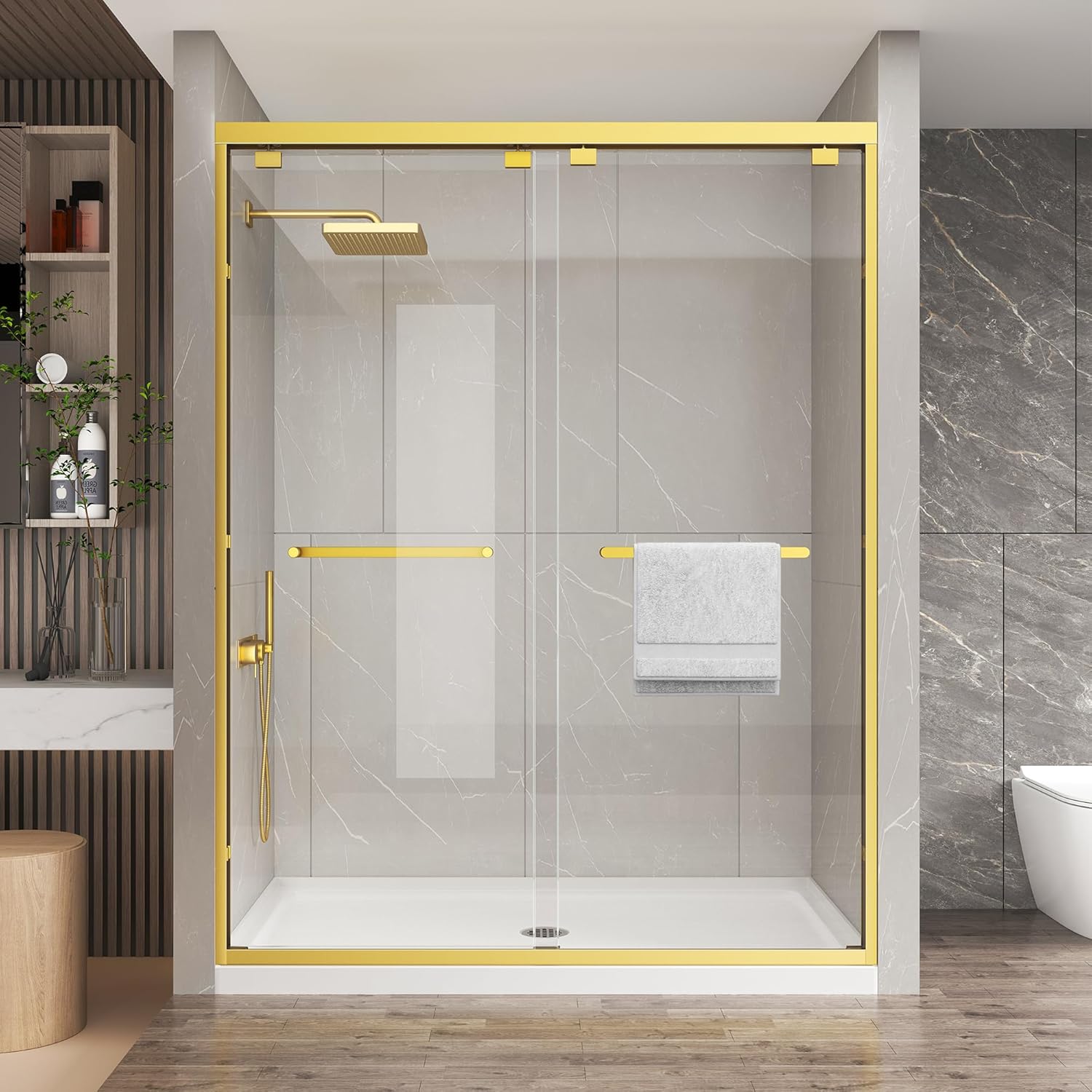
Fixed shower glass panels have become a common choice in 2026 remodels because homeowners want a cleaner look without giving up splash control. The challenge is simple: a panel that looks right on paper can still leak water if the opening is too wide, the floor slope is off, or the wall is not plumb. Start with the finished opening, not the old shower curtain line.
The Short Answer
A fixed shower glass panel is usually sized to cover the open side of a walk-in shower while leaving enough entry space for comfortable access. Most real-world sizing comes down to three things: opening width, panel height, and how far water can travel from the showerhead. If the panel is too short or too narrow, splash control suffers. If it is too large, the entry can feel cramped and the hardware may fight the wall layout.
How to Size a Fixed Shower Glass Panel
The right size depends on the shower layout, but the basic job is the same: keep water in the shower without blocking normal entry. For many walk-in showers, a fixed panel runs from the curb or finished floor up to a height that controls spray while still keeping the room open. In practice, height matters less than people think if the showerhead is aimed correctly and the panel is placed with enough overlap.
In a typical remodel, the glass is sized to the finished opening, not the rough framing. Tile thickness, backer board, and curb finishes all change the final dimension. That is why an opening that measured one size before tile may end up narrower after the walls are finished. A shower panel that fit the rough opening can be wrong after tile goes up.
If you are planning a partial enclosure, KPUY Shower Glass Panels are the collection most aligned with this type of layout, especially for walk-in showers where splash control matters more than a full swinging door.
Another field detail: older homes often have walls that are not perfectly plumb. A shower opening may measure differently at the top, middle, and bottom. That is normal. Good planning accounts for the smallest usable width and any adjustment range in the support hardware.
Rule of thumb: size the panel around the actual finished opening, the showerhead location, and the amount of open entry you want to preserve. Do not assume a standard panel will work just because the bathroom footprint looks simple.
What Actually Controls Splash
Splash control is not just a glass height issue. Water leaves the shower when spray direction, entry size, floor slope, and panel placement work against each other. A panel can be tall and still allow water to escape if the showerhead points toward the opening or the floor is not sloped properly toward the drain.
For better containment, pay attention to these factors:
- Showerhead angle: Direct spray toward the back wall, not the opening.
- Entry width: Wider entries feel open but need better splash planning.
- Panel position: A panel placed too far from the spray path will not block enough water.
- Floor slope: The shower floor should move water back to the drain, not toward the bathroom floor.
- Threshold and curb height: A low curb may look modern, but it has less forgiveness if the slope is weak.
For design and safety context, the NKBA publishes planning guidance that is useful when you are balancing access, comfort, and water containment in a bathroom remodel.
One jobsite reality: a drain that looks centered in the old shower may not match the new base or panel layout. If the drain moves, the slope changes, and that can affect where splash ends up at the entry.
| Layout Choice | Best Use | Main Measurement Concern | Splash Control Notes |
|---|---|---|---|
| Narrow fixed panel | Smaller walk-in showers | Finished opening width and wall plumb | Works best with controlled showerhead direction |
| Wider fixed panel | More open modern layouts | Entry clearance and hardware support | Better spray blocking, but can feel tighter at entry |
| Taller panel | High-splash showers or tall ceilings | Ceiling height and support placement | Helps with overspray, but height alone does not fix bad slope |
| Panel with side return | Showerheads aimed near the opening | Wall conditions and corner clearance | Improves containment in splash-prone layouts |
How to Measure Before You Order
Do not measure once and call it done. Measure the opening at three points and check the wall and floor conditions around it. This is especially important in remodels where tile, curb, and shower base work are changing the finished dimensions.
- Measure the finished opening width at the top, middle, and bottom.
- Check whether either wall leans in or out.
- Measure from the finished floor or curb to the planned top of the panel.
- Confirm where the showerhead lands relative to the opening.
- Verify stud locations and blocking for wall anchors.
- Check for tile thickness, trim buildup, or any uneven curb surface.
- Confirm that nearby items, like a vanity edge or toilet, will not interfere with access or cleaning.
If you are also choosing a shower base, the base and panel need to work together. A base with the wrong footprint or drain location can force a poor panel position. That is where the shower floor, curb height, and glass layout should be planned as one system, not as separate purchases. For more on base planning, KPUY’s Shower Glass Panels collection is useful to reference alongside the finished opening.
Measure after finish surfaces are in place whenever possible. Tile thickness can change the opening enough to matter, especially on narrow alcove showers where every fraction of an inch affects fit and sealing.
Good measuring also means checking the shower floor itself. Uneven floors can make the panel look level while the curb or base edge is slightly off. That can create a gap at one end and more silicone at the other.
For code and safety context, the CPSC is a helpful reference for general home safety concerns, especially where glass, wet floors, and traffic patterns intersect.

Installation Details That Affect Fit
Fixed panels look simple, but the install depends on the structure behind the tile. Wall anchors need solid backing, and in many showers that means blocking or studs in the right place before tile goes on. Glass hardware does not forgive weak substrate.
Also pay attention to how the panel meets the curb or floor. Silicone helps with water containment, but it is not a substitute for correct slope or proper hardware alignment. The goal is to create a controlled edge where water runs back into the shower, not under the glass or toward the bathroom floor.
Practical installation issues to verify:
- Stud locations: hardware should anchor where it has real support.
- Wall plumb: a wall that leans can change the panel angle.
- Glass thickness and hardware clearance: the panel must fit the brackets without binding.
- Curb slope: the top of the curb should move water back into the shower area.
- Seal line: silicone should be clean and continuous where the panel meets finished surfaces.
In remodel work, surprises often show up after demolition. A shower wall may hide rot, a curb may be out of level, or the subfloor may need correction before glass ever arrives. Those fixes matter because fixed glass depends on a stable, accurate finished opening.
Building-code questions can vary by jurisdiction, especially around shower access, safety glass, and wet-area construction. For general code context, the ICC is a useful reference point, but local requirements still control the final job.

Planning Mistakes to Avoid
Most sizing problems come from guessing. A panel that works in a catalog photo can fail in a real bathroom if the opening is tighter than expected or the showerhead sprays across the entry. That is why a little planning saves a lot of rework.
Common mistakes include:
- Measuring the old glass instead of the finished opening.
- Ignoring wall out-of-plumb conditions.
- Forgetting tile thickness on one or both sides.
- Placing the showerhead too close to the entry.
- Choosing a panel height without checking ceiling height or support needs.
- Overlooking hardware clearance near niches, trim, or a curb return.
One more practical detail: if the bathroom also includes a nearby vanity, drawers and doors should still open freely after the shower is framed out. A shower panel or return wall can change how the room feels even when the footprint has not changed much. That is the same type of planning issue that comes up with cabinets and door swing in tight remodels.
Water control is always a balance between openness and containment. A larger opening may look cleaner, but if splash escapes every time someone showers, the layout is not doing its job. A slightly smaller opening with the right panel placement often works better in daily use.
For homeowners comparing bathroom layout decisions more broadly, practical planning guidance from KPUY can be useful across shower remodel stages, especially when a panel must coordinate with tile, curb height, and drain positioning.
Frequently Asked Questions
How wide should a fixed shower glass panel be?
There is no single width that fits every shower. The right width depends on the finished opening, showerhead position, and how much entry space you want to leave open. In many walk-in layouts, the panel only needs to cover the main spray zone, not the entire opening.
How tall should the panel be for good splash control?
Height helps, but it is not the only factor. A taller panel can reduce overspray, yet a poorly aimed showerhead or weak floor slope can still create a mess. The panel should be tall enough to block the usual spray path while staying proportional to the room.
Do I need exact measurements before ordering?
Yes. Measure the finished opening at the top, middle, and bottom, and confirm the wall is plumb. In a remodel, tile and curb work can change the final size enough to affect fit. If the shower base, threshold, or wall finishes are still changing, wait until those details are locked in.
Final Takeaway
A fixed shower glass panel works best when the layout is measured from the finished surfaces, not the rough framing. Width, height, wall plumb, showerhead direction, curb slope, and drain placement all affect how well the panel contains water. If those pieces are planned together, the shower feels open without turning the bathroom floor into part of the wet zone.
If you are still mapping out the shower opening, start with the finished dimensions and compare them against the panel style that fits the room. For homeowners focused on a walk-in layout, KPUY Shower Glass Panels is the most relevant collection to review while you finalize measurements and splash control details.

Leave a comment
All comments are moderated before being published.
This site is protected by hCaptcha and the hCaptcha Privacy Policy and Terms of Service apply.