
Open bathroom designs look simple on paper, but the shower glass layout is where water control, traffic flow, and finished dimensions either work or cause problems. A fixed panel can make a room feel larger, yet the wrong panel length, opening position, or drain-side splash zone can turn a clean layout into a constant wipe-down job. In 2026 remodels, homeowners are leaning toward open entries and lighter visual lines, but the best layout still depends on the opening, wall condition, and how the shower is used every day.
The Short Answer
The best shower glass panel layout for an open bathroom design is usually the one that controls splash without blocking the room. A single fixed panel works well for walk-in showers with enough depth, while an L-shaped or side panel layout helps in tighter spaces. Start with the finished opening, wall plumb, curb height, and drain position before choosing the glass size or panel direction.
Common Shower Glass Panel Layouts
Open bathroom designs usually rely on one of three layout ideas: a single fixed panel, a partial return panel, or a panel paired with a doorless entry. The right choice depends on how much splash control you need and how much room you want to preserve visually. If the shower is meant to feel open, the panel should stop water without forcing a narrow entry or a cramped turn into the shower.
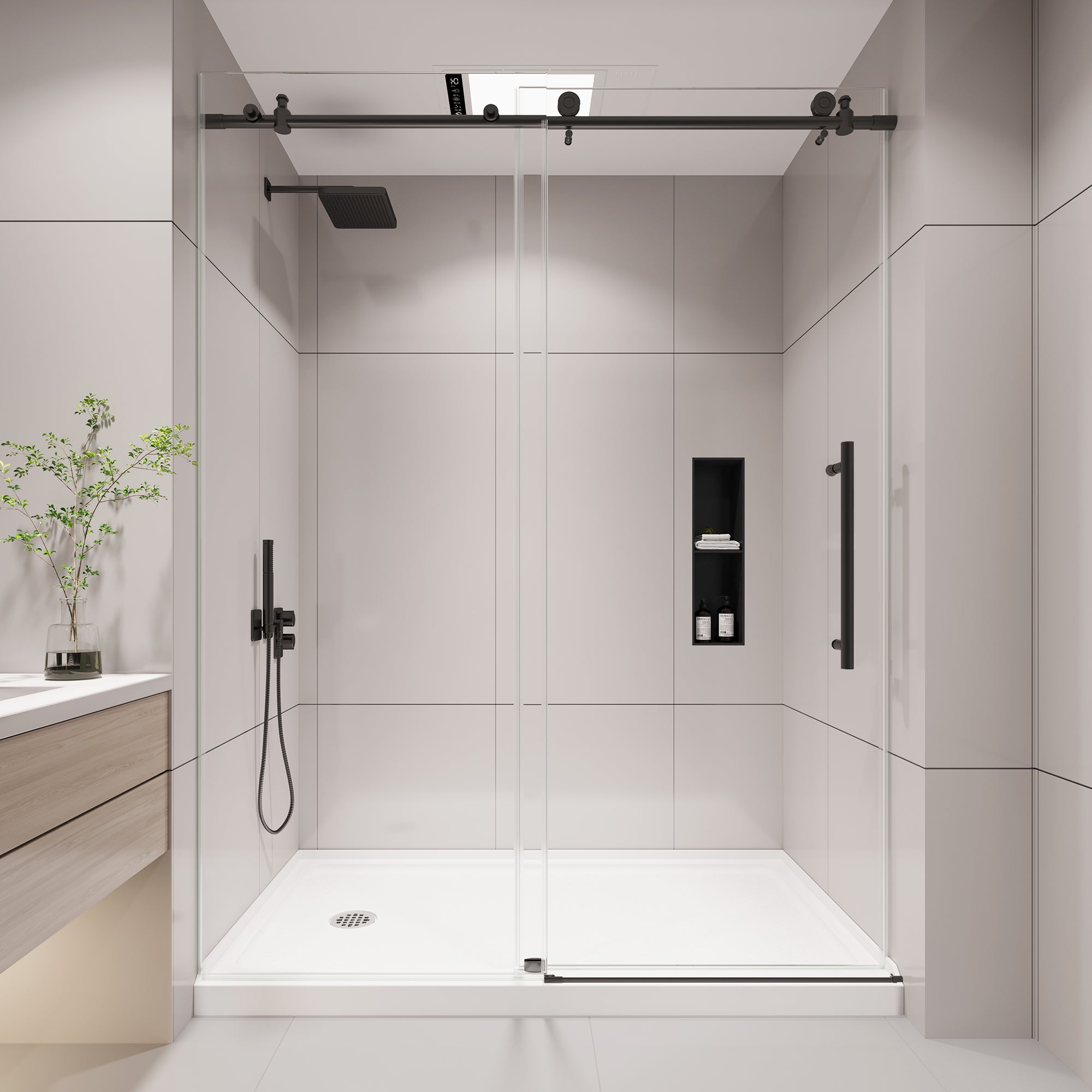
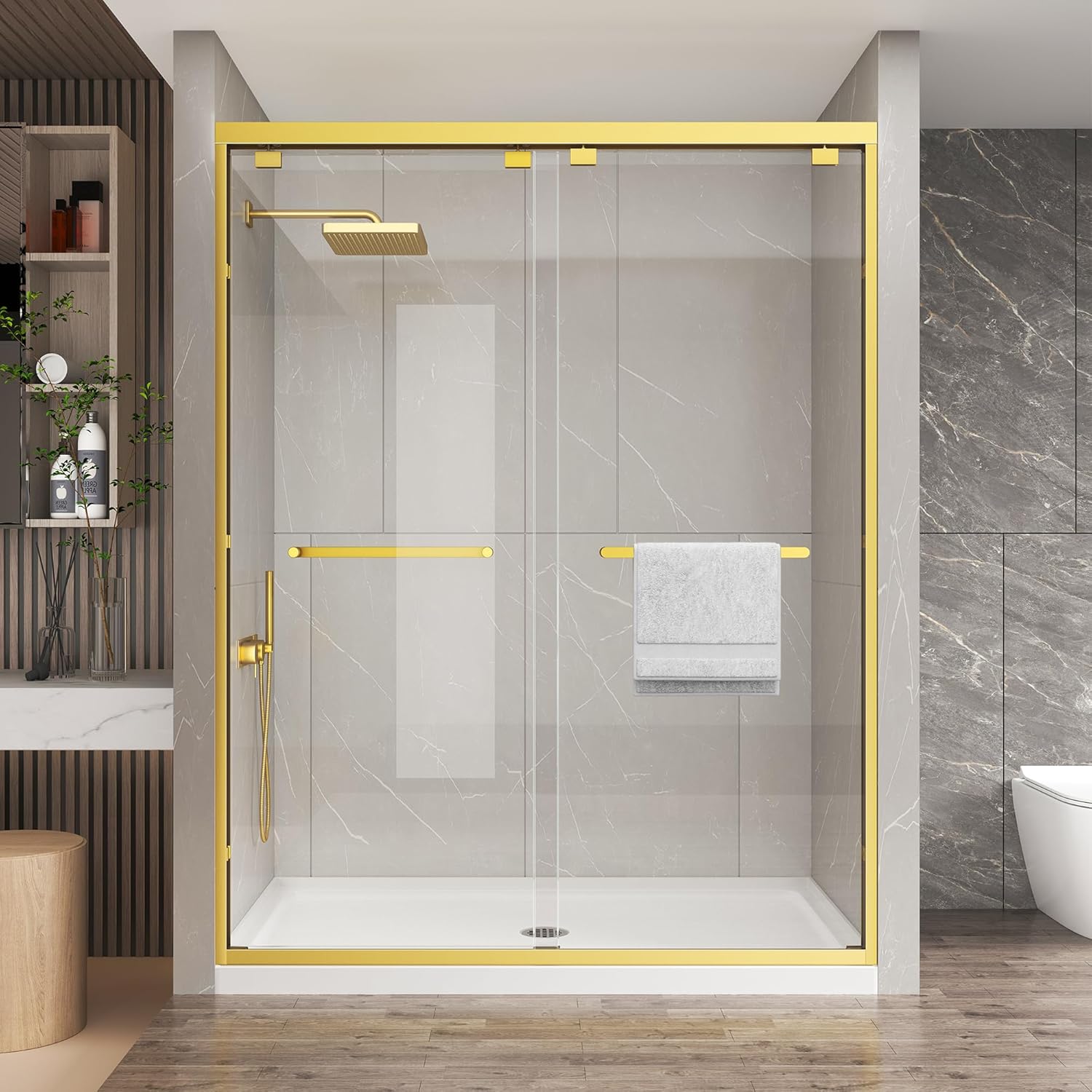
For many remodels, KPUY Shower Glass Panels fit the layout better than a full enclosure because they keep sight lines open while still defining the shower zone. That makes them useful in primary baths, guest baths, and smaller rooms where a swinging door would crowd the vanity or toilet area.
Single fixed panel
This is the cleanest layout for a walk-in shower. One glass panel sits at the wet edge of the shower and leaves an open entry on one side. It works best when the shower has enough depth to keep spray away from the opening. If the showerhead is aimed directly toward the entry, a single panel may need to be wider or paired with a return wall.
L-shaped panel layout
An L-shaped layout uses a main panel and a short return panel to catch more spray. This is a strong option when the shower opening is wider or when the showerhead placement makes a straight panel too short. It gives better water control without closing the room in. It also helps in bathrooms where the floor outside the shower is finished in a material that should stay dry.
Panel with a partial opening
This layout leaves a generous open entry while positioning glass to block direct splash. It is useful in open-plan bathrooms because it keeps the shower visually light. The tradeoff is that the floor slope, showerhead angle, and curb height need to be right. If the slope is shallow or the shower spray is aggressive, water can travel farther than expected.

Measure the Opening Before You Choose
Start with the finished opening, not the old product label. In a remodel, the wall surface may change after tile, backer board, or waterproofing layers are added. A shower opening that looked square during demolition can end up slightly different once the finish surfaces are in place.
Older homes often have walls that are not perfectly plumb. A shower opening may measure differently at the top, middle, and bottom. That matters more with glass than with curtain or framed trim because the panel has to sit true and leave the right water gap.
Use the finished measurements and check them in more than one place:
- Measure the width at the top, middle, and bottom of the opening.
- Check wall plumb on both sides of the shower area.
- Confirm curb height and slope before finalizing panel height.
- Verify the showerhead position and the direction of spray.
- Check whether the floor outside the shower needs extra splash protection.
A base that fits the footprint still needs the drain to land in the right place. That same logic applies to glass: the panel may fit the wall span, but the water path, threshold, and slope still decide whether the layout performs well.
If the remodel also includes a new shower base, the opening should be coordinated with the pan layout early. For threshold and drain planning, it is worth reviewing shower base options alongside the glass layout so the finished assembly works as one system.
Layout Comparison Table
| Layout | Best Use | Main Advantage | Main Limitation |
|---|---|---|---|
| Single fixed panel | Open walk-in showers with enough depth | Simple look, fewer moving parts | Can allow splash if the showerhead faces the opening |
| L-shaped panel | Wider openings or higher-splash showers | Better water control without a full door | Needs more precise wall layout and hardware planning |
| Panel with open entry | Small to medium bathrooms that need a light visual feel | Keeps the room open and easy to enter | Depends heavily on floor slope, curb height, and showerhead placement |
| Short return panel | Showers where splash is escaping one side | Improves containment with minimal glass | Too short a return may not stop spray |
Installation Details That Change the Fit
Glass panel layouts succeed or fail on details that are easy to overlook during the design phase. The panel may look straightforward, but the opening, tile, anchors, and slope all affect final performance. For an open bathroom, the goal is to keep the space airy while making sure water stays where it should.
Here are the field details that matter most:
- Out-of-plumb walls: If the wall leans, the panel may need adjustment or custom fitting.
- Tile thickness: The finished wall surface can change the opening width enough to affect hardware placement.
- Wall anchors and studs: Glass hardware needs solid backing, not just tile and adhesive.
- Hardware clearance: Clips, brackets, and stabilizers need enough room to install without hitting trim or other fixtures.
- Threshold height: A low curb may feel open, but it has to support water containment.
- Floor slope: The shower floor should direct water back toward the drain, not toward the entry.
For planning and safety context, the NKBA offers useful bathroom design guidance, and the CPSC is a helpful reference for home safety considerations around glass, slips, and wet-area use.
A practical jobsite reality: a panel that looks centered on paper can end up visually off once the tile is installed. That is why experienced installers verify both the rough opening and the finished wall dimension before drilling hardware locations.
- Measure the finished opening at the top, middle, and bottom.
- Confirm wall plumb and floor slope.
- Check the showerhead direction and spray pattern.
- Mark stud locations behind the finished wall.
- Verify clearance for clips, support bars, and adjacent fixtures.
- Review the curb, threshold, and drain position together.
- Dry-fit the layout on paper before ordering glass or hardware.
Tempered glass is the standard expectation for shower glazing in residential wet areas, and layout planning should respect glass thickness and hardware spacing. Heavier glass can change how much support is needed, especially on longer spans. If the panel is narrow and exposed to daily use, support placement becomes as important as the glass itself.

What to Check Before You Order
Before ordering a panel layout, focus on water behavior, not just appearance. Open shower designs work best when the glass is sized to the room, the floor is pitched correctly, and the entry is not directly in the path of spray. If you skip those checks, even a good-looking layout can need changes later.
Use this checklist to avoid common misses:
- Confirm the finished wall dimensions after tile or wall panels are installed.
- Measure the opening in three places, not just one.
- Decide where the showerhead will be mounted and how it sprays.
- Check whether the layout needs a single panel, a return panel, or a wider splash zone.
- Verify curb slope, threshold height, and drain location.
- Identify stud locations before selecting hardware.
- Make sure nearby doors, drawers, and toilets will still clear comfortably.
That last point gets missed often in remodels. A vanity drawer may clear the room on paper but still hit the door casing once the glass panel and new trim are in place. Small clearance problems can change how comfortable the whole bathroom feels.
For homeowners planning a broader bath remodel, the shower layout should also be coordinated with lighting, ventilation, and storage. If the glass opens up the room visually, the rest of the finishes need to support that cleaner line instead of crowding it.
For a broader product view that stays focused on fixed and open-entry systems, the KPUY Shower Glass Panels collection is the most relevant place to review layout options after you have the finished dimensions.
Frequently Asked Questions
How wide should a fixed shower glass panel be in an open bathroom?
There is no one size that works in every bathroom. The panel needs enough width to stop splash based on shower depth, showerhead location, and curb height. A wider panel usually helps with water control, but it should still leave a comfortable entry and avoid crowding the room. Measure the finished opening first, then judge the panel width from water behavior, not just wall span.
Do open shower layouts leak more than enclosed showers?
They can, if the slope and panel placement are not right. Open layouts depend more on floor pitch, spray direction, and threshold design. A well-planned fixed panel can work very well, but it still needs careful placement. If the showerhead points toward the opening, splash control becomes the main design issue.
Should I measure before or after tile is installed?
Measure after the finished wall surface is in place, or at least account for the full tile and substrate thickness. Glass hardware and panel size depend on the final opening, not the rough framing size. In remodels, the finish layers can shift the dimension enough to matter, especially on older walls that are not square.
Before You Choose
The best shower glass panel layout for an open bathroom design is the one that balances openness with water containment. Start with the finished opening, then check wall plumb, floor slope, drain position, and showerhead spray before choosing a single panel or a return-panel layout. If the shower is being rebuilt from the base up, coordinate the glass with the shower floor and threshold early so the whole space works as one assembly.
When you are ready to narrow the layout, review the KPUY Shower Glass Panels collection alongside your finished measurements and installer notes. That keeps the decision tied to real dimensions, not just a floor plan sketch.

Leave a comment
All comments are moderated before being published.
This site is protected by hCaptcha and the hCaptcha Privacy Policy and Terms of Service apply.